8/22/2025
1. Foldable and Easy-to-Store Furniture
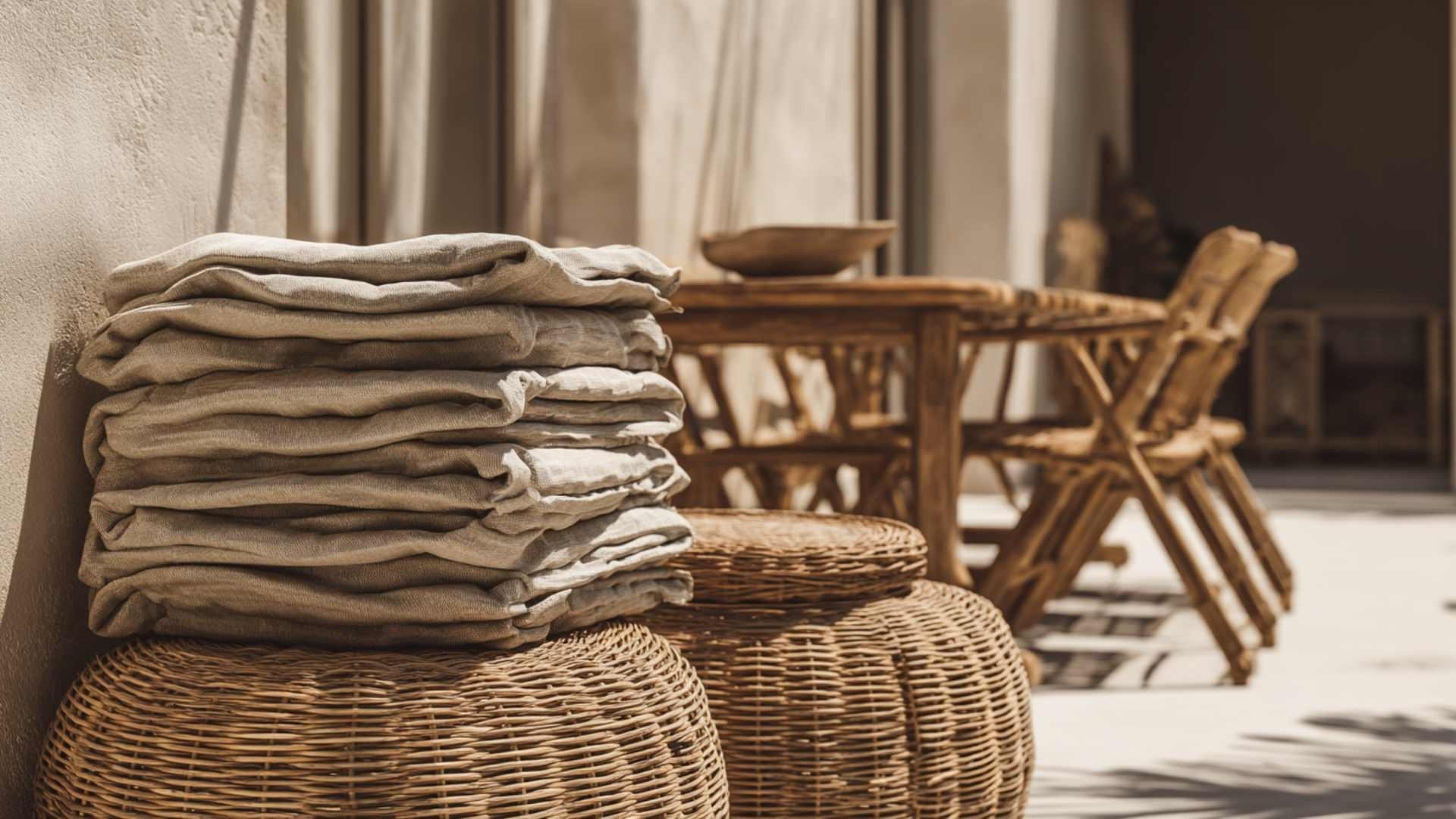
If you have outdoor or rarely used furniture, now’s the time to store it properly:
- Choose foldable or stackable pieces for balconies and terraces.
- Store chairs, side tables, and poufs indoors or under cover if possible.
- Use breathable, lightweight covers, preferably in technical fabric.
Tip: if storage space is limited, opt for minimal outdoor furniture that’s weatherproof all year round.
For practical foldable and space-saving solutions, check out Leyform’s stackable folding chairs
AI Generated Content
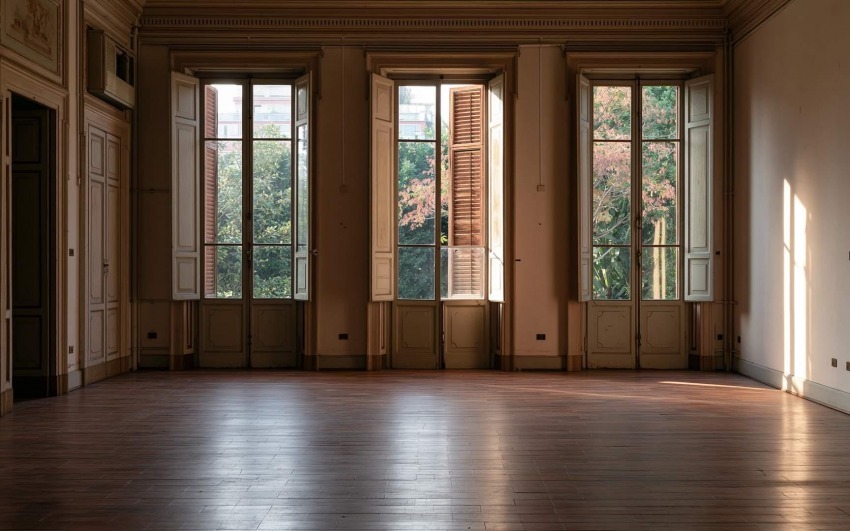
2. Elegant Covers for Furniture and Decor
Covers? Yes—but with style. Skip the camping tarps and go for curated solutions:
- Tailored slipcovers in natural fabrics.
- Cotton or linen sheets for tables, beds, and bookshelves.
- Decorative throws casually placed on benches or armchairs.
Result: a tidy and “styled” look, even when you're not home.
_d6ba1ed475_.jpg)
AI Generated Content
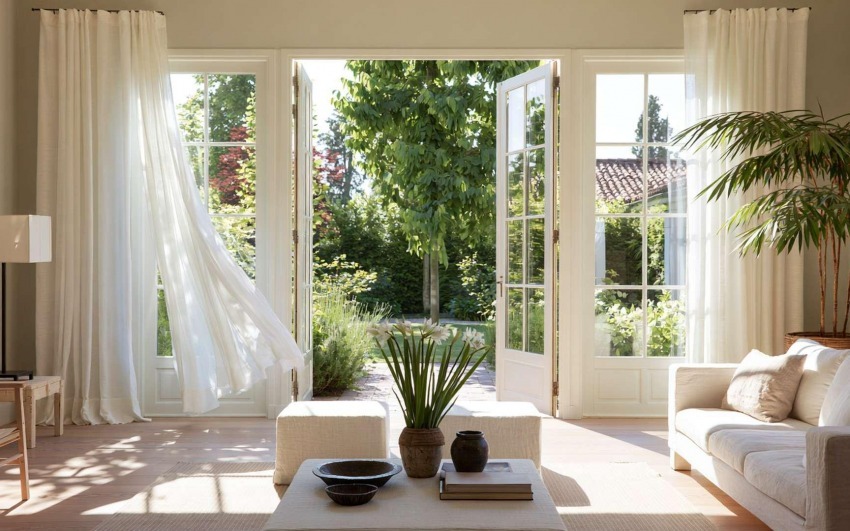
3. Smart Curtain and Lighting Management
Shutting everything in complete darkness? Not always the best idea.
- Keep some light curtains closed to filter natural light.
- Use roller shades or blinds to partially block select windows.
- Avoid the "abandoned house" vibe—soft, diffused light looks more natural.
Bonus: if you have smart lighting, schedule automatic evening switches.
_7c8b781ede_.jpg)
AI Generated Content
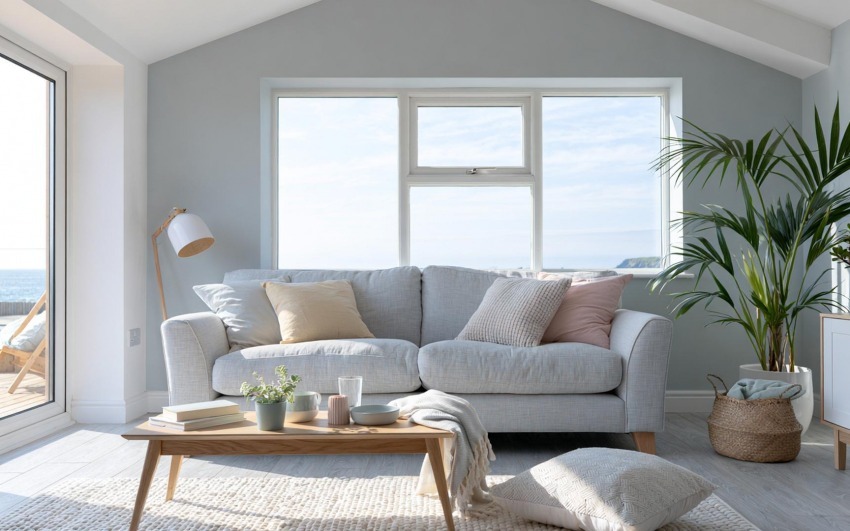
4. Plants: Care or Camouflage
Plants can either be a problem… or an ally.
- Group them in one cool, bright spot to simplify care.
- Consider automatic watering systems or self-watering pots.
- Alternatively, use stylish faux plants to fill key corners.
Clever idea: a mix of real and fake plants can fool even the sharpest eye.
_a7cf88eb20_.jpg)
AI Generated Content
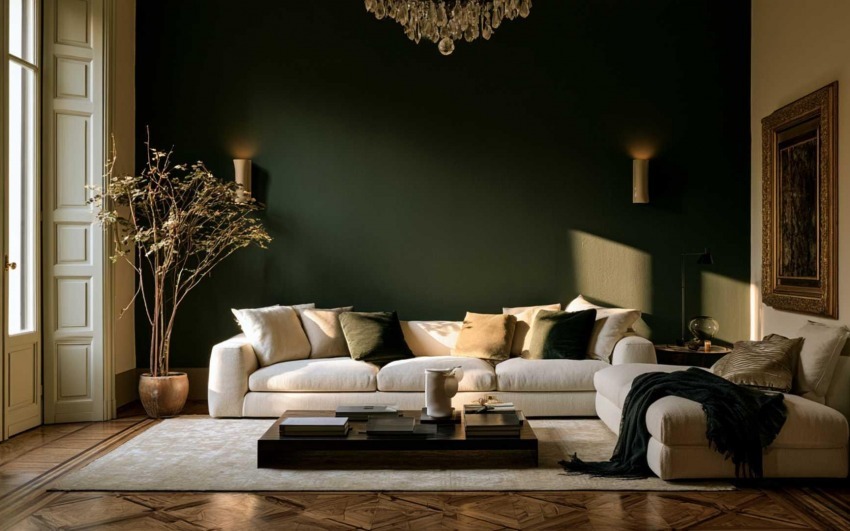
5. Details That Keep the House “Alive”
You want your home to look lived-in:
- Leave a book or magazine open on the table.
- Scatter cushions or throws casually, as if just used.
- Don’t completely empty everything—a touch of “paused life” helps mask your absence.
Even when you’re away, style matters.
_5012171c31_.jpg)
AI Generated Content
Styling your home for absence is a blend of design, caution, and common sense. With a few thoughtful touches, your house will remain inviting and in order—even while you’re away. And when you return, it’ll feel just as beautiful and welcoming as when you left.
To explore how to bring a summer vibe into your interiors, read our article Beach House Vibes in the City: How to Bring Summer into Any Space
_14077b47db_23.jpg)
Interior Designer since 1985
CEO & Founder, Italian Design in the World