2/27/2026
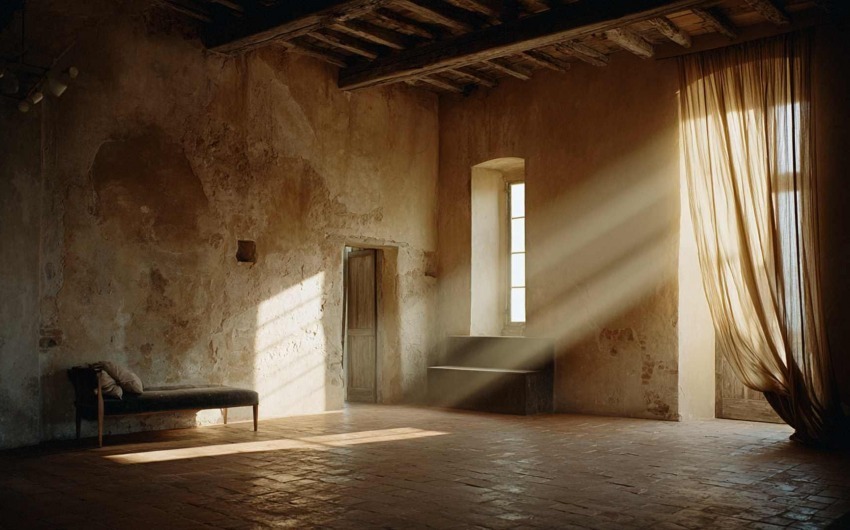
It was an understandable language at first: it aimed to democratise beauty, making certain aesthetics accessible. But over time, that logic turned into visual noise. Surfaces that imitate. Textures that pretend. Materials that claim quality without truly owning it.
In 2026, the direction is reversing. A far more sophisticated desire is emerging: the truth of material.
This is not an aesthetic trend. It is a cultural shift. After years of perfect images and performative interiors, people crave spaces that feel credible, sensory, and lasting. Spaces that don’t need to convince — they simply are.
_fd3a50bc20_.jpg)
AI Generated Content
“Fake luxury” has become recognisable (and exhausting)
The issue is not choosing alternative materials. The issue is using them to lie.
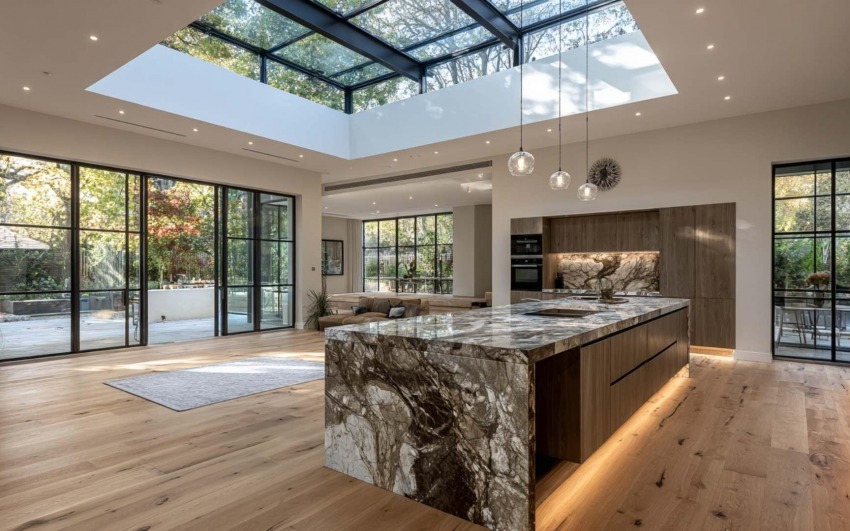
Fake luxury has a clear signature: it tries to resemble what it is not. And in 2026, this strategy is less effective because our collective eye is more trained.
Today we recognise instantly:
- printed veining with no depth,
- overly repetitive textures,
- wood that looks “perfect” but lacks grain,
- glossy finishes that aim for premium and end up plastic.
Most of all, we sense when a space is built for appearance rather than real life.
These interiors age badly — psychologically before they even do physically.
_d1d1cdd8d1_.jpg)
AI Generated Content
Honest materials: what it truly means
“Honest” does not necessarily mean expensive. It means coherent.
An honest material:
- does not imitate another one,
- does not pretend to be different,
- expresses its own nature,
- accepts time instead of fighting it.
Material honesty is a form of mature elegance: it doesn’t need to show off.
That’s why the new aesthetic is not luxury in the traditional sense, but credible, calibrated, tactile. What we could call: quiet luxury.
_8a07a24bc4_.jpg)
AI Generated Content
The new refinement is matte, brushed, textured
If there is one trait many high-quality contemporary interiors share, it is this: the end of loud surfaces.
Light should be absorbed, not aggressively reflected. That is why today we see:
- matte finishes
- stones with real texture, not “effects”
- natural oiled or brushed woods
- satin or burnished metals, not mirror shine
- mineral plasters, lime, imperfect surfaces
These materials don’t chase perfection. They build depth.
And depth is what makes a space grow more interesting over time — because it doesn’t give itself away in one glance.
_ac883c2803_.jpg)
AI Generated Content
Patina is not a flaw — it’s value
You can tell the difference between a “fake” home and a “real” one after five years.
Artificial surfaces try to remain identical. But when they wear, they don’t improve — they degrade.
Honest materials do the opposite: they improve with use. Patina proves a home is lived in.
- natural wood changes tone,
- satin metal warms up,
- matte stone becomes softer,
- textured plaster becomes more human.
This is an aesthetic that doesn’t fear time — it includes it.
In 2026, this becomes one of the most intelligent definitions of sustainability: choosing materials that don’t need constant replacement to remain “beautiful”.
_d34a984bec_.jpg)
AI Generated Content
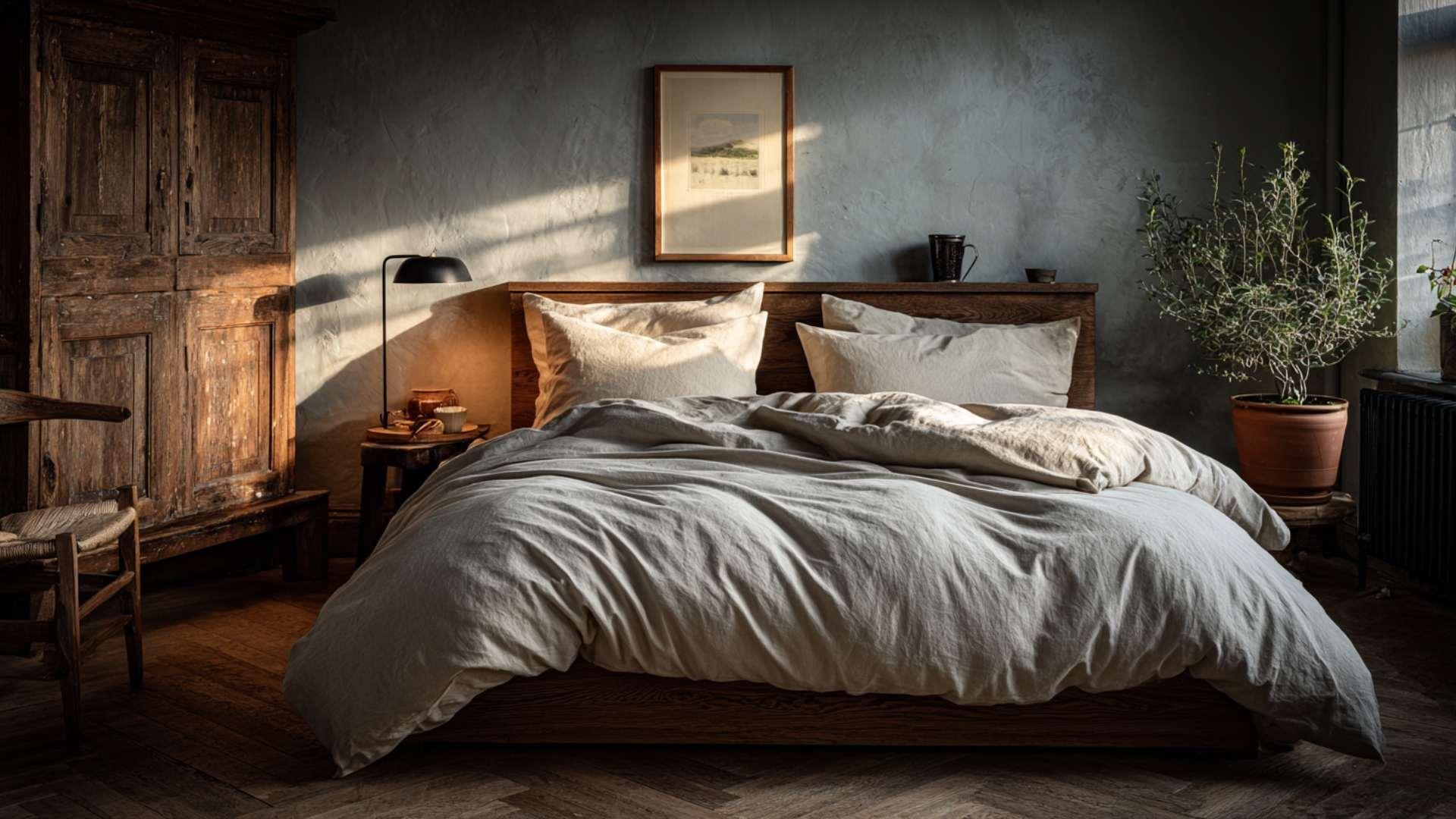
Material honesty = sensory well-being
This is not just aesthetics. It’s physical.
Real material impacts how we live:
- it reduces visual fatigue,
- creates perceptual calm,
- offers more stable sensations,
- improves everyday tactility.
In a world dominated by screens and smooth synthetic surfaces, the home returns to being a place where the body can rest.
Design changes tone: not impressing, but supporting.
AI Generated Content
How to choose finishes that don’t lie: a practical mini guide
To make this useful also in a consultancy sense, here are five strong criteria.
Conclusion: truth is the new elegance
In 2026, interior design is becoming more mature. Less obsessed with aesthetic performance, more focused on coherence.
Honest materials are not a trend. They are a statement — against fake luxury, against showroom homes, against the idea that beauty must constantly prove itself.
The new elegance doesn’t simulate. It exists.
To explore the theme of interiors designed to last, read the article Interiors That Age Well: Designing Spaces Beyond Trends on our blog.
For stone surfaces and quality materials, discover Stone Italiana, IDW Italia partner.
_14077b47db_23.jpg)
Interior Designer since 1985
CEO & Founder, Italian Design in the World