1/02/2026
Everyday gestures carry symbolic meaning: drawing the curtains, brewing coffee, setting the table, switching on an evening light. Design can elevate these moments — or flatten them.
Carefully designed spaces slow gestures down, making them more intentional, more conscious, more complete.
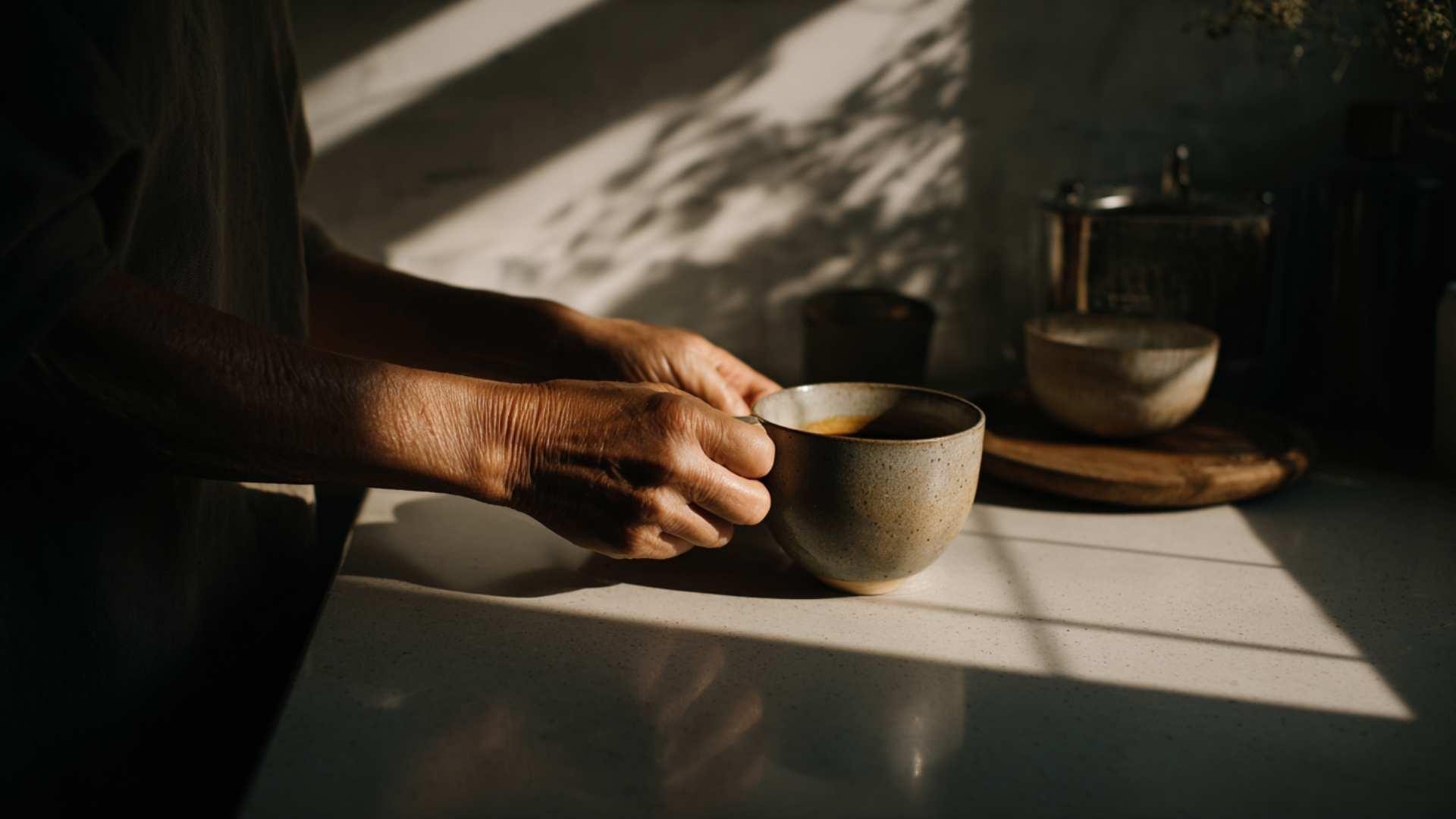
Matter changes the quality of a gesture:
Each material creates a rhythm, a micro-world, a sensory experience.
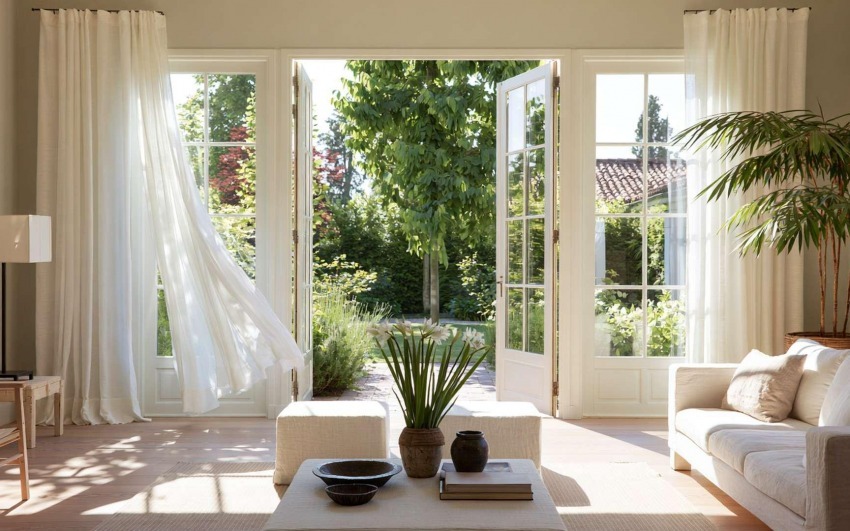
_fb7001cfe8_.jpg)
This is not about aesthetics, but about synchronization between people and spaces. Well-calibrated lighting shapes the way we experience evenings; a round table dissolves hierarchies; a soft texture invites pause.
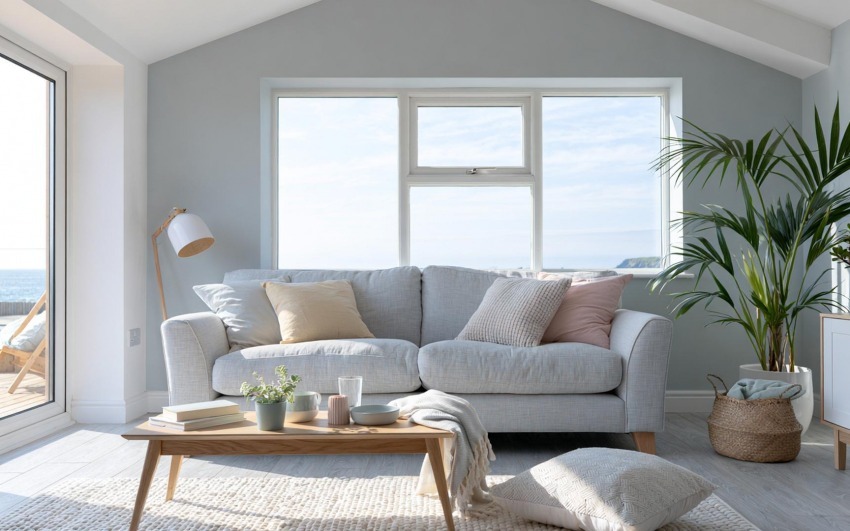
_2bc463bfdf_.jpg)
In contemporary homes, design no longer aims to impress, but to let us breathe. It turns routine into pleasure, repetition into care, the everyday into ritual.
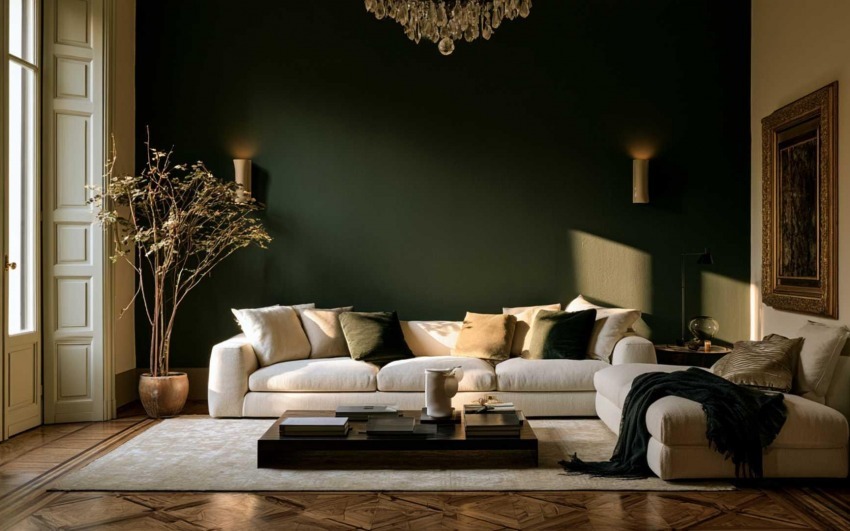
_e9d6b741b9_.jpg)
To learn more about how acoustic design and silent materials redefine comfort in interiors, also read
Silent Materials: The Art of Designing Spaces That Don’t Make Noise
For inspiration with contemporary furniture solutions that combine style and comfort, check out
Samoa Sofas
Interior Designer since 1985
CEO & Founder, Italian Design in the World
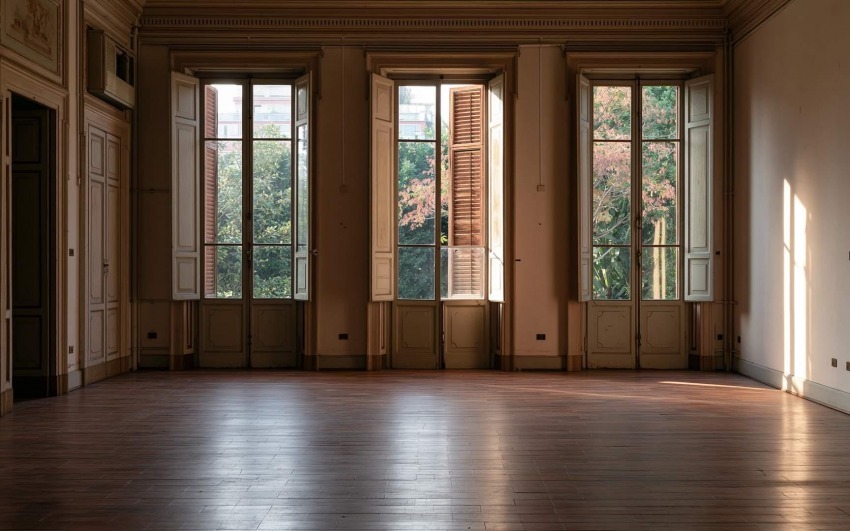
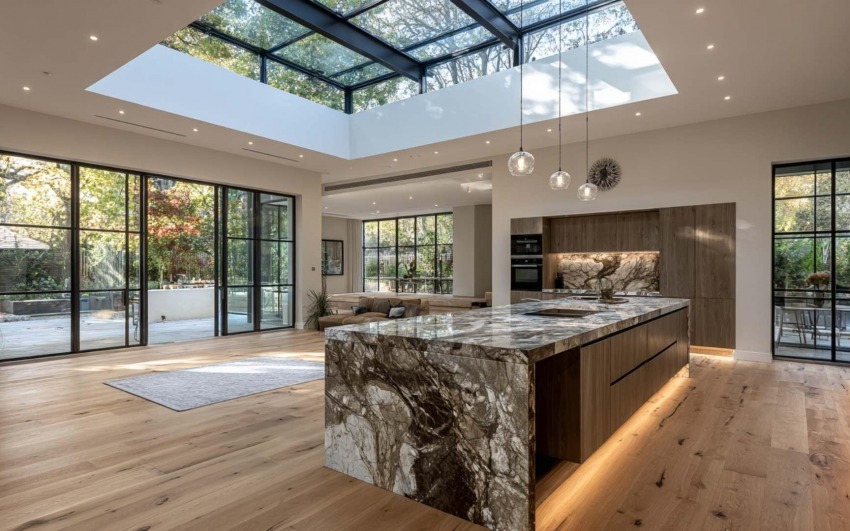
For years, we designed homes as if they had to pass a constant visual exam: perfect light, perfect white, the right chair, the right vase. Interiors built to be photographed more than lived in. Digital aesthetics — polished, minimal, hyper-ordered — entered interior design like an unspoken rule: if it isn’t “clean,” it isn’t beautiful; if it isn’t coherent, it isn’t successful; if it can’t be shown, it isn’t desirable.In 2026, this narrative is losing its power. Not because beauty matters less, but because beauty alone is no longer enough. A new need is emerging: anti-algorithm interiors, spaces not designed for the shot, but for everyday life. Less performative homes, more real ones. Environments that don’t seek approval — they restore energy.This is not a return to chaos. It’s a return to meaning.
For years, open-plan living symbolized contemporary domestic design: fluid, bright, without barriers. A response to the desire for freedom, openness, and visual continuity.Today, that promise is being reconsidered. In 2026, many projects mark a shift — not a rejection of open space, but its critical evolution. The return of thresholds.
One of the most underestimated challenges in contemporary design is time. Not the time required to design a space, but the time the space must endure: years of daily life, change, wear, and transformation.
In recent years, the home has stopped being a simple functional container. It has become an extension of how we think, how we experience time, and how we relate to the world. Living today is a cultural act — a conscious choice that reflects values, priorities, and pace of life. It’s no longer just about aesthetics. It’s about position.
Material innovation is reshaping interiors more deeply than any aesthetic trend. The new frontier is not in bold colors or complex textures — it lies in technical surfaces that are thin yet strong, discreet yet expressive, silent yet high-performing.
For years, interior design celebrated straight lines and sharp rationality. But as homes became more intimate and introspective, a new aesthetic began to emerge — one rooted in softness, continuity, and emotional comfort. 2025 marks the consolidation of this evolution: curves, arches, and generous volumes define the new vocabulary of contemporary interiors.