12/19/2025
Material innovation is reshaping interiors more deeply than any aesthetic trend. The new frontier is not in bold colors or complex textures — it lies in technical surfaces that are thin yet strong, discreet yet expressive, silent yet high-performing.
_463e4e3224_.jpg)
AI Generated Content
The aesthetics of lightness
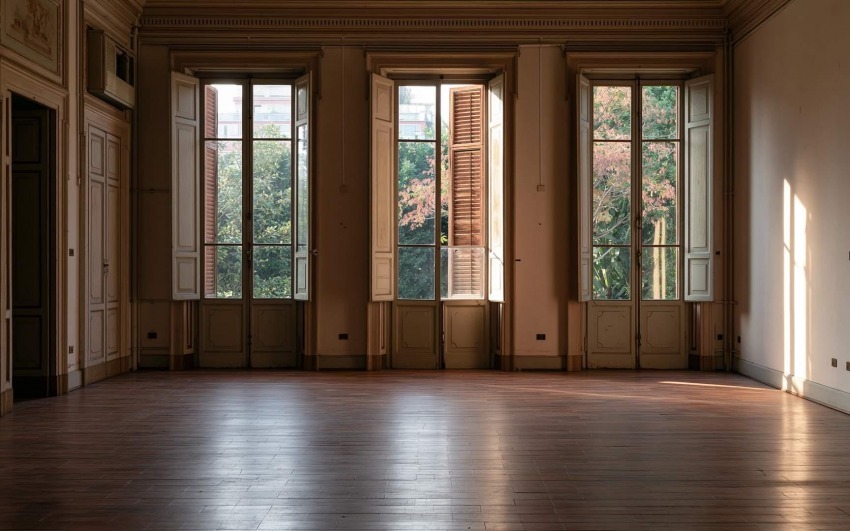
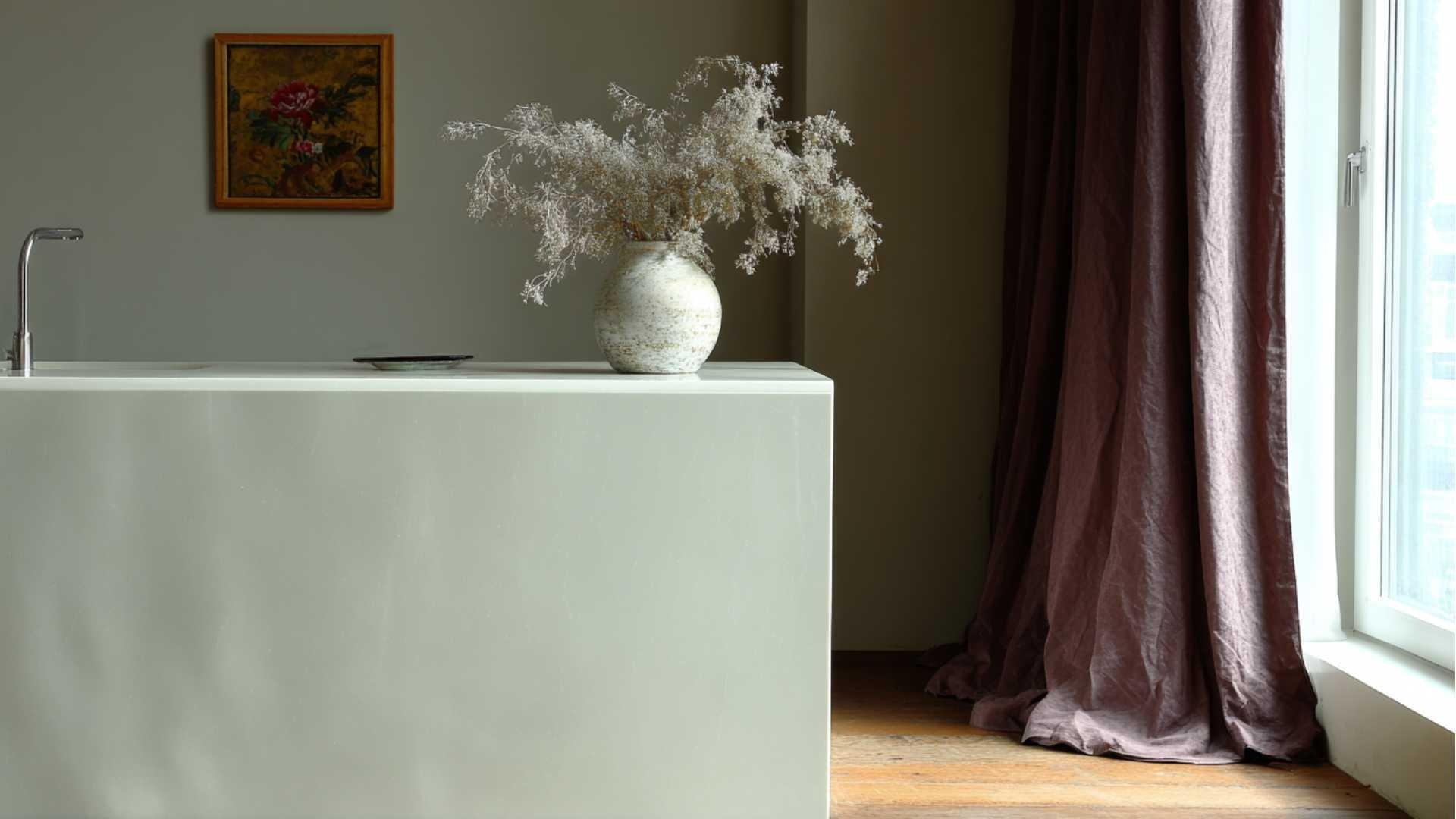
Sintered ceramics and next-generation composites allow monolithic volumes with minimal thickness. Thinness becomes elegance: more surface, less mass; more continuity, fewer joints.
A quiet transformation, but a profound one.
AI Generated Content
Technology you barely see but always feel
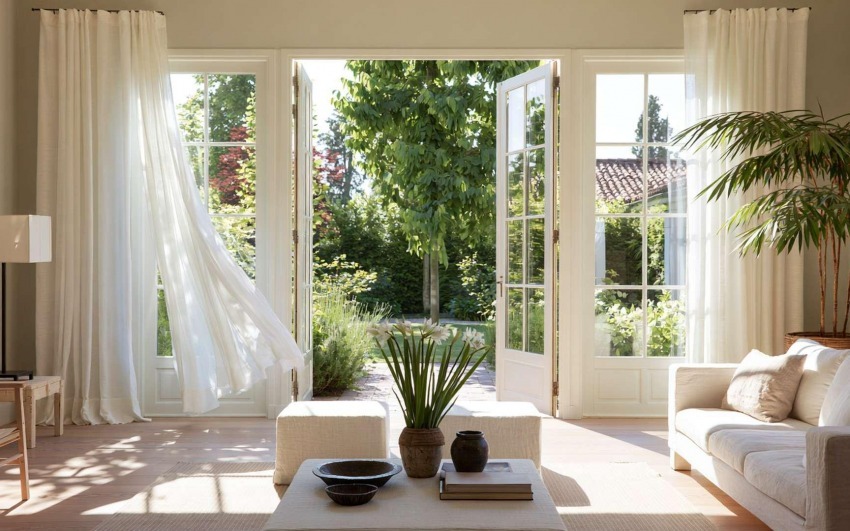
Stainproof, antibacterial, heat-resistant, and anti-fingerprint technologies redefine everyday usability: surfaces that don’t demand attention, yet make daily life easier.
In kitchens: freedom. In bathrooms: hygiene and durability. In living spaces: visual consistency.
_0e71eab3d8_.jpg)
AI Generated Content
Monolithic continuity as a design principle
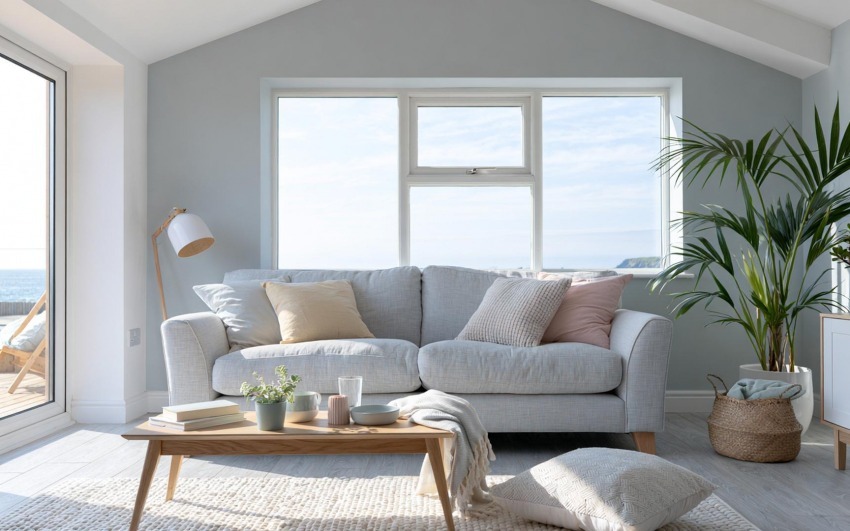
Reduced thickness allows worktops and wall claddings to become one uninterrupted surface: no visible joints, no visual noise — only pure geometry.
_591a9355c9_.jpg)
AI Generated Content
Material as anticipation
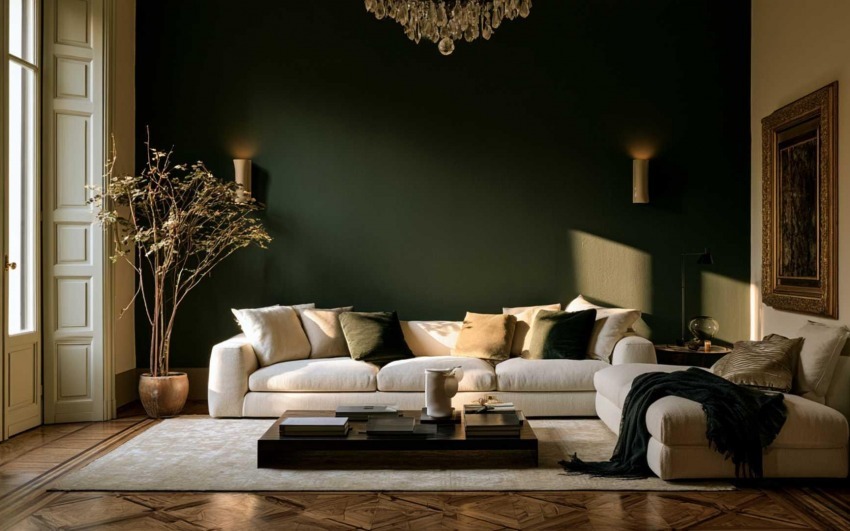
The surface of the future is not neutral: it interacts with light, enhances texture, and withstands everyday use without showing effort. It’s a material that “works” for the user — quietly, in the background.
_f56771aebd_.jpg)
AI Generated Content
To explore how design uses materials and shapes to soften interior acoustics, also read ???? Silent Materials: The Art of Designing Spaces That Don’t Make Noise.
For inspiration on acoustic design and refined functional furniture, check out ???? Caimi — acoustic design and functional furniture.
_14077b47db_23.jpg)
Interior Designer since 1985
CEO & Founder, Italian Design in the World