3/06/2026
Why Seasonality at Home Isn’t (Just) Decoration
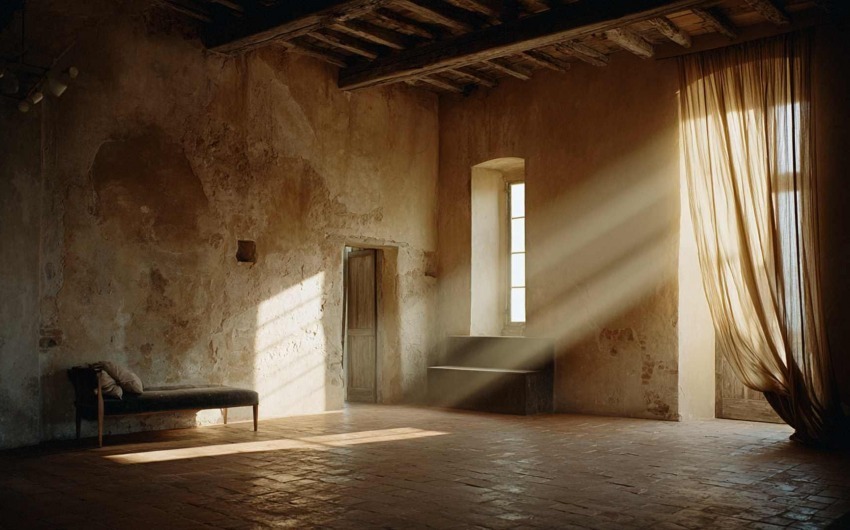
Changing cushions or curtains according to the season may seem purely aesthetic. In reality it touches something deeper: our nervous system is wired to respond to light and climate. Spaces that remain exactly the same all year contribute to a feeling of “flat time”; introducing seasonal variations helps re-anchor us to the natural cycle of the year.
Seasonality in interior design can mean:
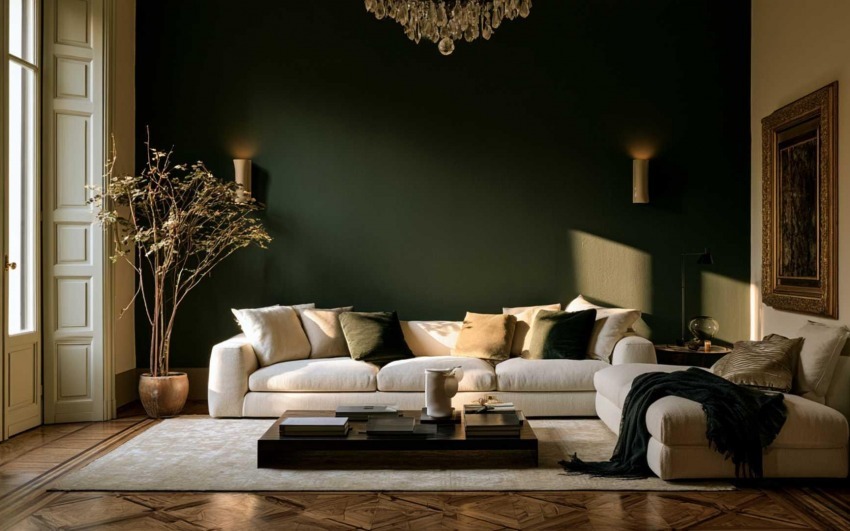
- adjusting light temperature (warmer in autumn–winter, more neutral or cooler in spring–summer),
- opening or closing surfaces to natural light depending on daylight hours,
- varying texture and visual weight (lighter fabrics, lighter colours in spring),
- integrating plant elements that change with the seasons.
You don’t need to change everything: a few strategic elements are enough to mark the transition.
AI Generated Content
_4b9752a904_.jpg)
AI Generated Content
Spring at Home: Light, Air, Lightness
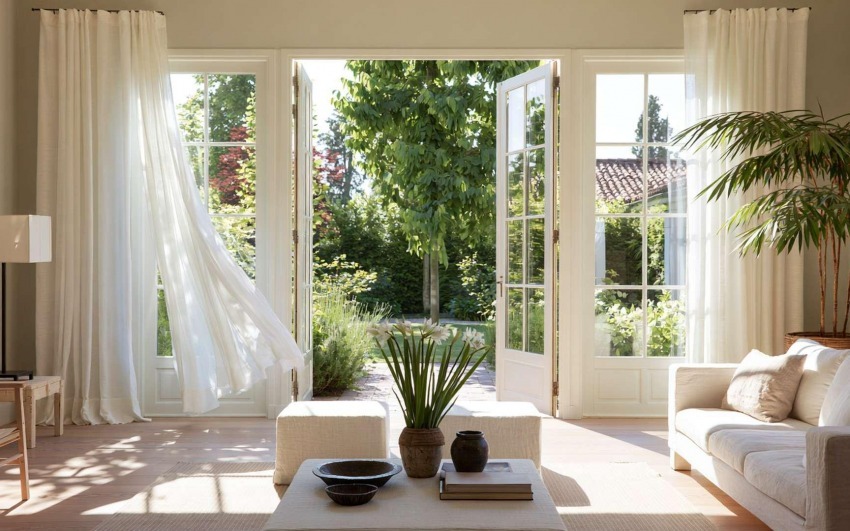
In spring the instinct is to open everything: windows, curtains, cupboards. Interior design can support this need without becoming a cliché. It’s not just about “pastel tones” or flowers everywhere, but about lightening the perception of space.
Some practical choices:
- Reduce the number of objects on display or move them to create more visual emptiness.
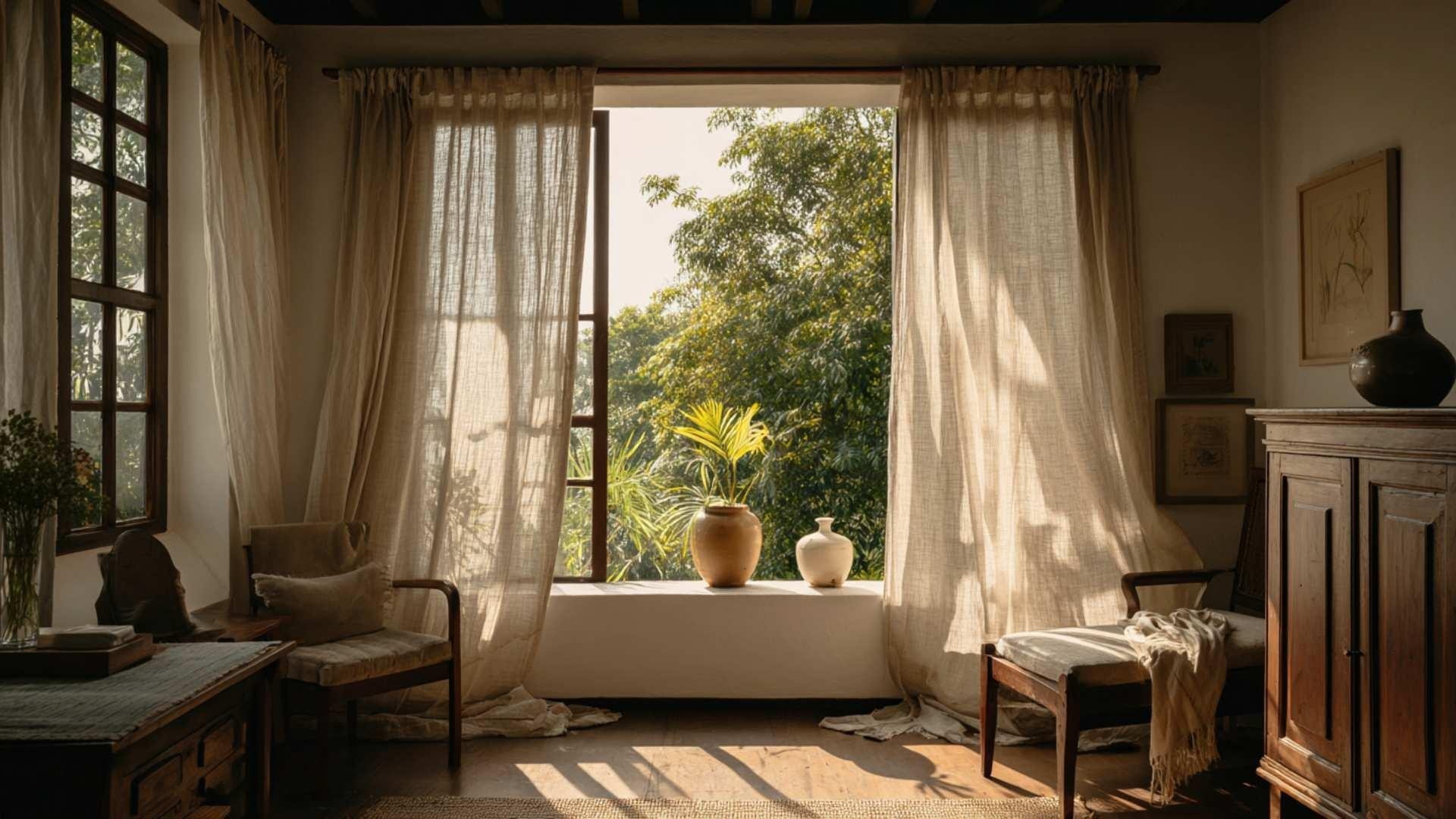
- Choose light and breathable fabrics (linen, cotton) for sofas and beds.
- Use lamps with adjustable lighting towards cooler and brighter tones as the days grow longer.
- Introduce one or two leafy plants that respond to seasonal light (e.g. climbers, herbs).
The goal is to let in more air and more light — metaphorically, and whenever possible, literally.
_8c0bec1a45_.jpg)
AI Generated Content
_12f2e3a6e4_.jpg)
AI Generated Content
Natural Rhythms and Design: Beyond Trends
Designing with seasonality in mind doesn’t mean chasing the latest trends. It means recognising that the home is an ecosystem connected to the outside: the quality of light, the sound of rain, summer heat or winter cold all influence how we feel within those walls.
Architecture and interior design can help support this relationship:
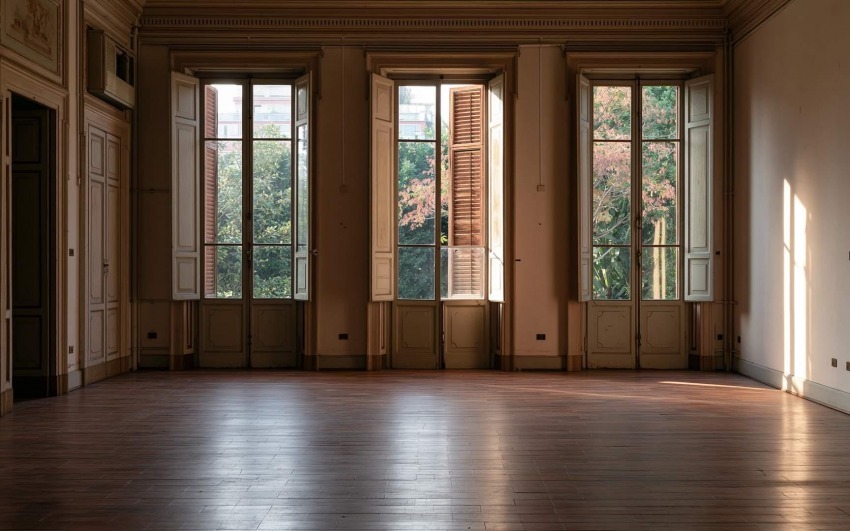
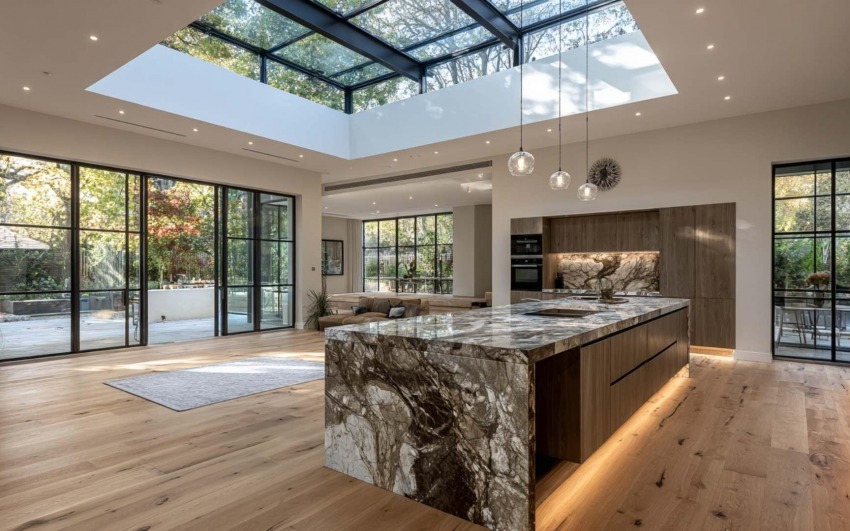
1) Orientation and openings — Windows and glass surfaces that capture morning or evening light create different visual rhythms throughout the seasons.
2) Materials that react — Wood, stone and natural fabrics subtly change with humidity and light; accepting this variability is already a step toward the idea of a “breathing home”.
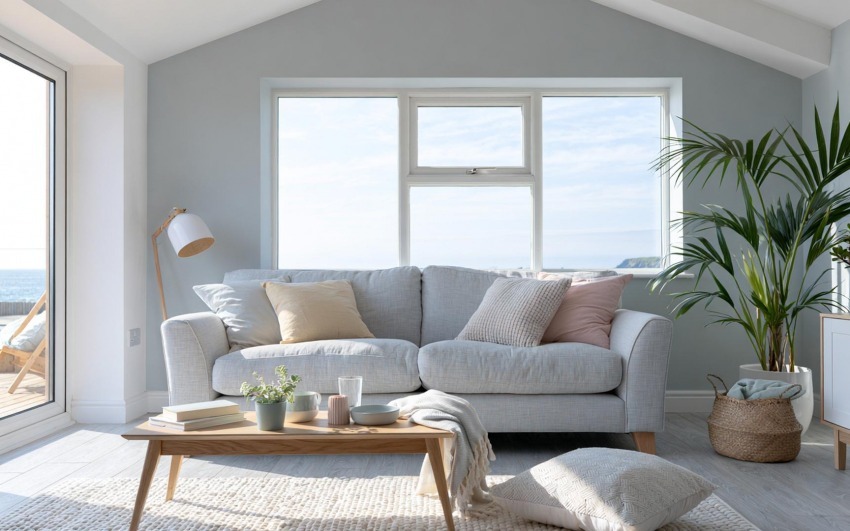
3) Buffer zones — Verandas, loggias, window sills: transitional spaces between inside and outside that take on different meanings in spring and winter.
_b2c17274aa_.jpg)
AI Generated Content
Conclusion: Living with Time
A home that breathes with the seasons is a home that reminds us that time passes — in a good way. We are not condemned to live in neutral, timeless environments; we can allow our spaces to follow the natural rhythm of the year.
March invites us to do just that: small gestures of adaptation, a different quality of light, a little more room for nature and change. Without overturning everything, but without standing still either.
_c906b13298_.jpg)
AI Generated Content
If you are interested in authentic materials and surfaces designed to age beautifully over time, you can also read this related article from our blog: Honest Materials: The Aesthetics of Truth and the End of Fake Luxury.
If you would like to explore high-quality wood craftsmanship and surfaces, we also recommend visiting TT Project – Italian Glamour.
_14077b47db_23.jpg)
Interior Designer since 1985
CEO & Founder, Italian Design in the World