Micro-Outdoor: Balcony, Loggia and Terrace as a Room (Even a Small One)

4/17/2026

Metres that never feel enough on paper

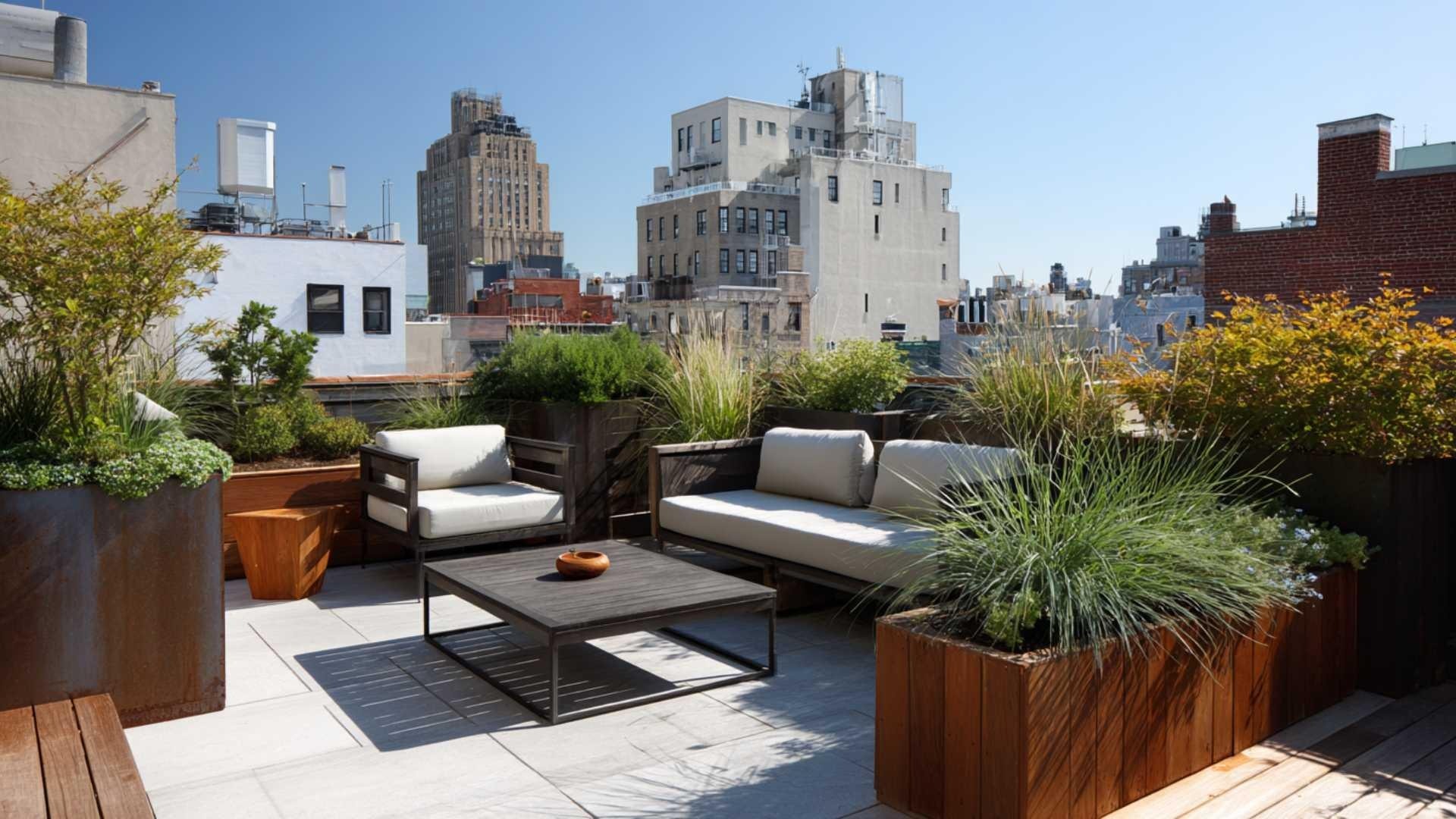
Micro-outdoor is a room with tight constraints: load, rain, neighbours an arm away, sun grazing the façade. You do not need “a garden”: you need intention — what stays inside the railing and what stays outside, how you sit, what you face, how two people share a strip of floor.

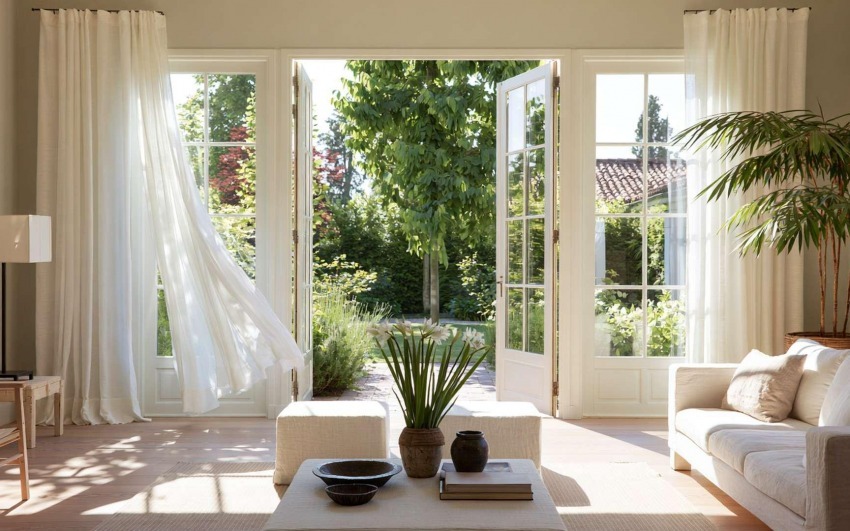
Extending the interior does not mean copying the same flooring by default. It means choosing continuity or contrast with judgment: the same material language at another scale, or an outdoor surface that speaks to wood or resin indoors without pretending to be an open-air living room. Loggia, deep balcony, terrace: each has a different relationship with privacy and light; there is no single recipe.


Micro-Outdoor-Balcony-Loggia-and-Terrace-as-a-Room-Even-a-Small-One_IDW-Italia-Prague-Biella

Micro-Outdoor-Balcony-Loggia-and-Terrace-as-a-Room-Even-a-Small-One_IDW-Italia-Prague-Biella


Neighbours, wind, glare: designing the edge

The neighbour, the street, glare on glass are not surprises to fix later: they are parameters of the project. Low planting, vertical green, technical blinds, parapets with the right dimensions turn a narrow loggia into a livable place instead of a “service” balcony.

Sound matters too: materials that do not amplify noise, flooring that does not turn the space into a resonating box. Caring for the small with living-room precision means stopping to treat micro-outdoor as backdrop and starting to treat it as part of life.


Micro-Outdoor-Balcony-Loggia-and-Terrace-as-a-Room-Even-a-Small-One_IDW-Italia-Prague-Biella

Micro-Outdoor-Balcony-Loggia-and-Terrace-as-a-Room-Even-a-Small-One_IDW-Italia-Prague-Biella


Plants, water, furniture: less, but right

You do not need a garden on every railing: a few species suited to exposure, proportional planters, irrigation that does not look absurd. Furniture must take rain and sun and age well — treated wood, correct metals, quality outdoor fabrics. A small table and a bench along the parapet are not clichés if they answer how you live there, not how you post it.


Micro-Outdoor-Balcony-Loggia-and-Terrace-as-a-Room-Even-a-Small-One_IDW-Italia-Prague-Biella

Micro-Outdoor-Balcony-Loggia-and-Terrace-as-a-Room-Even-a-Small-One_IDW-Italia-Prague-Biella


Evening, when it really counts

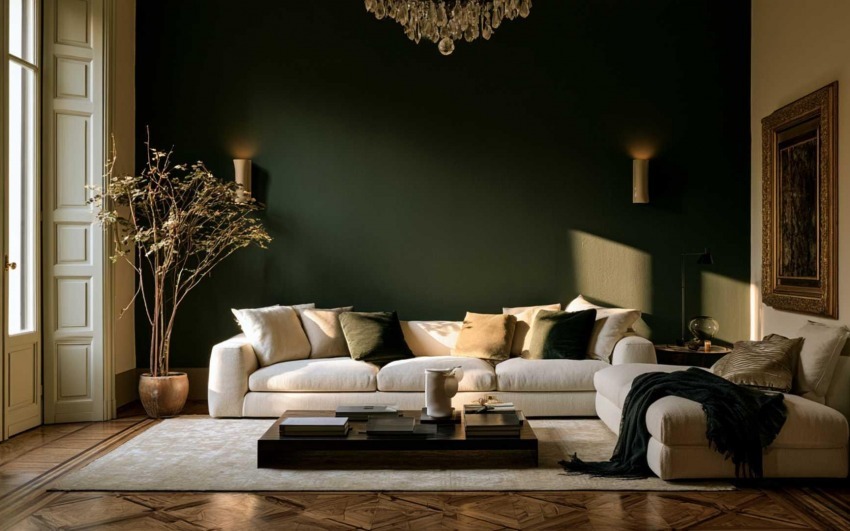
Often at dusk the balcony becomes a “room”: warm light, the city’s noise changes, a cup in hand. A lamp placed well, light that does not glare on the inner glass, shadow that defines a corner: details that cost little on site and a lot in lived quality.

A well-designed balcony lengthens how big the home feels without adding square metres on paper. In spring and autumn it is the most wanted spot; in high summer or winter it still reminds you that housing design does not end at the glass — it begins with how you cross the threshold and carry a piece of your day outside.


Micro-Outdoor-Balcony-Loggia-and-Terrace-as-a-Room-Even-a-Small-One_IDW-Italia-Prague-Biella

Micro-Outdoor-Balcony-Loggia-and-Terrace-as-a-Room-Even-a-Small-One_IDW-Italia-Prague-Biella


Cristiano Castaldi IDW Italia
Cristiano Castaldi

Interior Designer since 1985

CEO & Founder, Italian Design in the World
Related Articles

  • Beautiful for Everyone: Accessibility, Age and Design That Doesn't Look
    4/10/2026 Beautiful for Everyone: Accessibility, Age and Design That Doesn't Look "Clinical"

    The prejudice comes from years of institutional rooms where function crushed aesthetics. In residential work, things have changed: handles that are objects, walk-in showers that are elegance before aid, wide doors and near-invisible thresholds that are build quality before regulation. The gap is not budget: it is awareness that dignity lives in daily details — the ones you touch hundreds of times a year.

  • Between One Room and Another: Vestibules, Corridors and the Rhythm of the Home
    4/03/2026 Between One Room and Another: Vestibules, Corridors and the Rhythm of the Home

    Open a catalogue of contemporary homes and you often find cover-worthy kitchens, theatrical bathrooms, living rooms that look like photo sets. Between one image and the next, a narrow corridor appears, lit by a sad single point — or a vestibule reduced to a knot between doors. That is not a technical detail: it is silent design about what life spends most of its time doing — passing through, pausing, shifting register, leaving one room before entering another.

  • A Room for Everything: Dedicated Spaces (Beyond Open Plan)
    3/27/2026 A Room for Everything: Dedicated Spaces (Beyond Open Plan)

    Open plan has dominated the image of the contemporary home: few walls, few boundaries, maximum flexibility. The promise was freedom — kitchen in dialogue with the living room, light flowing, no "closed" rooms. Over time many have discovered the downside: noise travelling, no refuge, difficulty concentrating or switching off. The response isn't to go back to the closed-off house of the past, but to rethink the value of dedicated spaces: environments with a clear function that the body and mind learn to recognise.

  • The Sound of the House: Acoustics, Silence and Absorbing Materials
    3/13/2026 The Sound of the House: Acoustics, Silence and Absorbing Materials

    Interior design has long favoured sight: colours, shapes, surfaces. Only recently have we started to talk about touch and smell. Hearing, by contrast, remains the most neglected sense at the design stage — yet it's the one we can't switch off. We live in homes that boom, reverberate, carry voices and noise from one room to another. The result is stress, fatigue, difficulty concentrating and resting.

  • The House That Breathes: Seasonality and Natural Rhythms in Interiors
    3/06/2026 The House That Breathes: Seasonality and Natural Rhythms in Interiors

    For decades interior design has chased the idea of a "perfect", unchanging space: same colours, same lights, same layout twelve months a year. The home as a photo set always ready, but often distant from the cycles that govern our body and our mood.Today a different idea is returning: the house as an organism that responds to the seasons. Not an aesthetic whim, but a response to the need to align the environments we live in with natural rhythms — light, temperature, colour, vegetation — with measurable benefits for sleep, concentration and wellbeing.March, with the equinox and the awakening of spring, is the ideal time to rethink interiors in a seasonal key.

  • Honest Materials: The Aesthetics of Truth (and the End of “Fake Luxury”)
    2/27/2026 Honest Materials: The Aesthetics of Truth (and the End of “Fake Luxury”)

    For years, interior design has lived with a contradiction: an obsession with effect.
Marble-effect. Wood-effect. Metal-effect. Stone-effect.
A home that looks like something, rather than truly being something.