The Sound of the House: Acoustics, Silence and Absorbing Materials

3/13/2026

Designing domestic acoustics doesn't mean creating a silent bunker. It means controlling reverberation and unwanted noise, preserving quiet zones and choosing materials that absorb rather than reflect. It's a theme that affects small flats as much as large houses, and can be tackled both during renovation and with targeted interventions.


The-sound-of-the-house_IDW-Italia-Biella


Why sound affects us (even without us noticing)

Constant noise — traffic, neighbours, systems — raises cortisol levels and reduces our ability to recover. By contrast, environments with controlled acoustics improve sleep quality, concentration and the sense of privacy. The problem is that we often don't link feeling unwell to poor acoustics: we feel "irritated" without knowing why. The house looks good but not restful.

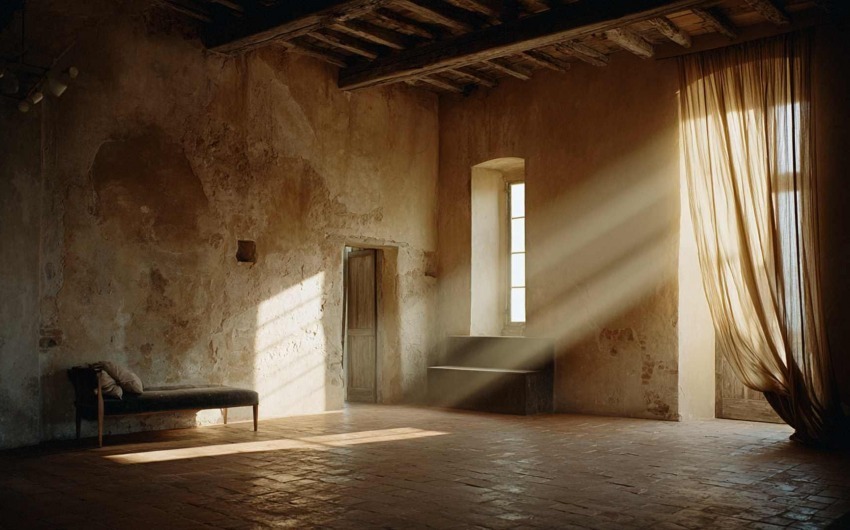
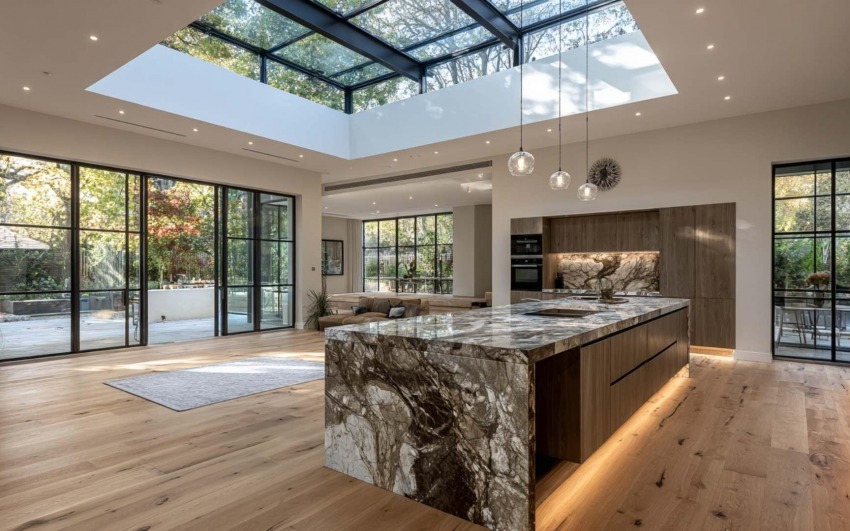
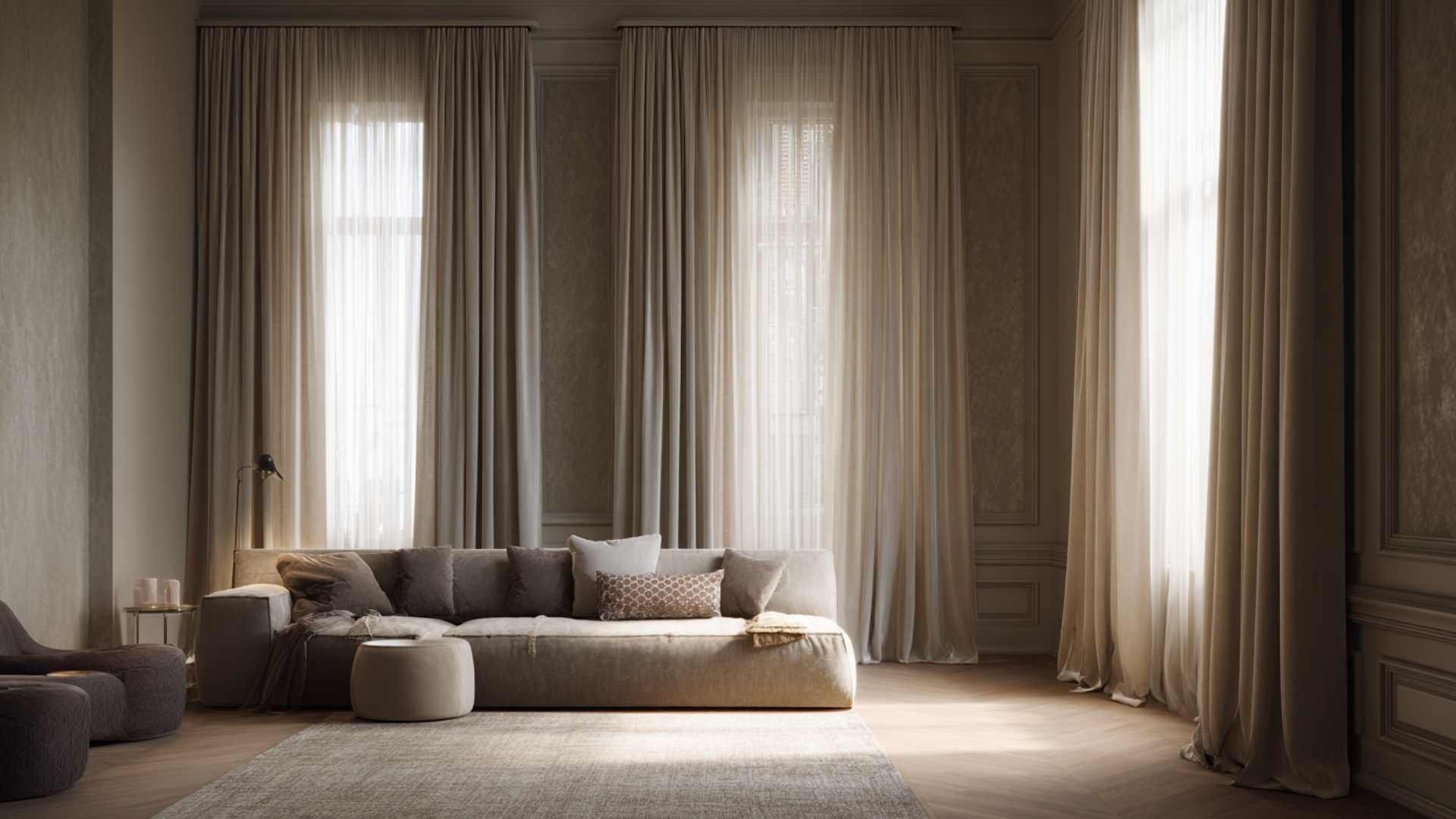
Two useful concepts: reverberation time (how long sound "echoes" after the source) and insulation (how much sound passes between rooms or from outside). In a very empty living room with smooth walls, every word resonates; in a room with rugs, curtains and soft finishes, sound is partly absorbed and the environment feels calmer.

The-sound-of-the-house_IDW-Italia-Biella


Materials that absorb: fabrics, wood, porous surfaces

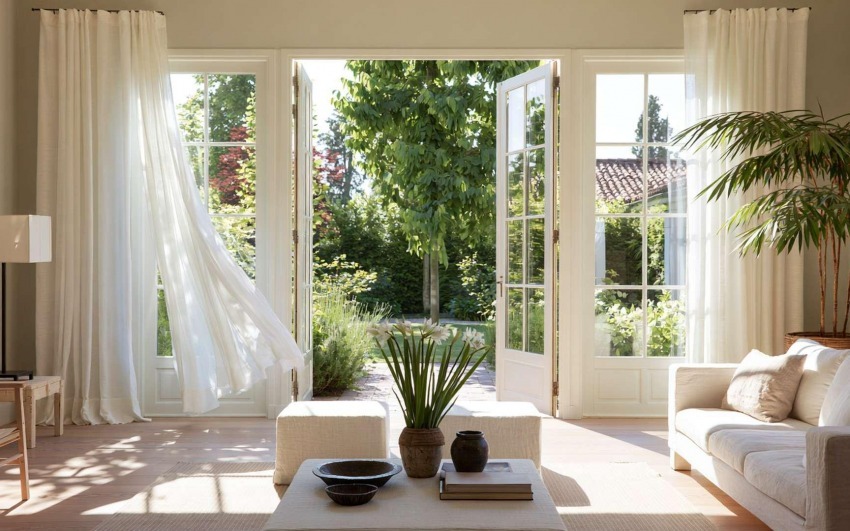
Not all materials behave the same. Hard, smooth surfaces (glass, ceramic, smooth plaster) reflect sound; soft, porous or layered surfaces absorb it.

  • Fabrics: heavy curtains, rugs, fabric wall or panel coverings. The thicker and more folded, the greater the absorption.
  • Wood: not just aesthetics; wood panels, slats or ceilings can reduce reverberation without "suffocating" the space.
  • Porous materials: felts, clad rock wool, acoustic panels (now available in design versions) are especially effective at high frequencies.
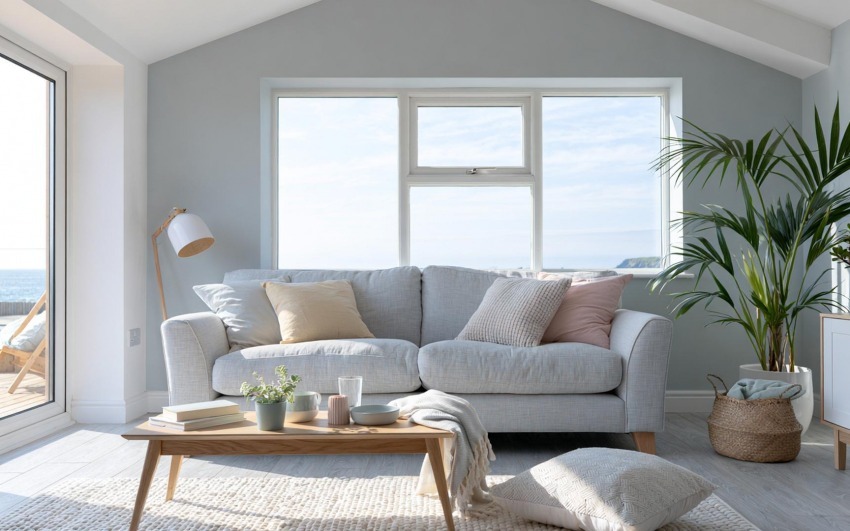
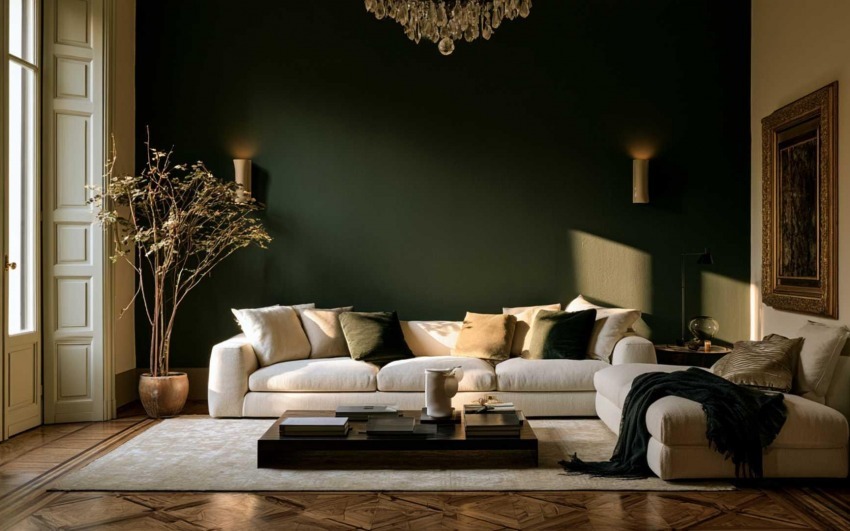
  • Furniture and books: a full bookcase, an upholstered sofa, a bed with a soft headboard all help to "dampen" the echo.


The-sound-of-the-house_IDW-Italia-Biella


The-sound-of-the-house_IDW-Italia-Biella


The-sound-of-the-house_IDW-Italia-Biella


Quiet zones: where and how to create them

You don't need (and often can't) make the whole house silent. It's more realistic to define one or more quiet zones: the bedroom, a study, a reading corner. In these spaces you can concentrate sound-absorbing materials and reduce noise sources — appliances, devices, people passing through.

Layout matters too: a bedroom away from the street or bathrooms, a solid door instead of a light panel, a corridor that acts as a buffer between noisy and quiet areas. Acoustics are designed like light: with layering and differentiation.


The-sound-of-the-house_IDW-Italia-Biella


The-sound-of-the-house_IDW-Italia-Biella


The house that doesn't echo

Paying attention to sound doesn't mean giving up on aesthetics. Today there are acoustic panels that fit into the design, attractive high-performance fabrics, visible solutions that become part of the project. The aim is simple: environments where you feel good even with your eyes closed — because our brain never switches those ears off.


Further reading

On the IDW blog: Sound Design: How to Incorporate Acoustic and Musical Solutions in Interior Design — integrating sound and acoustics into your project.

Partner: Caimi Brevetti — acoustic panels and solutions for offices and residential spaces.

Cristiano Castaldi IDW Italia
Cristiano Castaldi

Interior Designer since 1985

CEO & Founder, Italian Design in the World
Related Articles

  • The House That Breathes: Seasonality and Natural Rhythms in Interiors
    3/06/2026 The House That Breathes: Seasonality and Natural Rhythms in Interiors

    For decades interior design has chased the idea of a "perfect", unchanging space: same colours, same lights, same layout twelve months a year. The home as a photo set always ready, but often distant from the cycles that govern our body and our mood.Today a different idea is returning: the house as an organism that responds to the seasons. Not an aesthetic whim, but a response to the need to align the environments we live in with natural rhythms — light, temperature, colour, vegetation — with measurable benefits for sleep, concentration and wellbeing.March, with the equinox and the awakening of spring, is the ideal time to rethink interiors in a seasonal key.

  • Honest Materials: The Aesthetics of Truth (and the End of “Fake Luxury”)
    2/27/2026 Honest Materials: The Aesthetics of Truth (and the End of “Fake Luxury”)

    For years, interior design has lived with a contradiction: an obsession with effect.
Marble-effect. Wood-effect. Metal-effect. Stone-effect.
A home that looks like something, rather than truly being something.

  • The Anti-Algorithm Home: Spaces That Aren’t Instagrammable (But Truly Livable)
    2/13/2026 The Anti-Algorithm Home: Spaces That Aren’t Instagrammable (But Truly Livable)

    For years, we designed homes as if they had to pass a constant visual exam: perfect light, perfect white, the right chair, the right vase. Interiors built to be photographed more than lived in.
Digital aesthetics — polished, minimal, hyper-ordered — entered interior design like an unspoken rule: if it isn’t “clean,” it isn’t beautiful; if it isn’t coherent, it isn’t successful; if it can’t be shown, it isn’t desirable.In 2026, this narrative is losing its power. Not because beauty matters less, but because beauty alone is no longer enough.
A new need is emerging: anti-algorithm interiors, spaces not designed for the shot, but for everyday life. Less performative homes, more real ones. Environments that don’t seek approval — they restore energy.This is not a return to chaos. It’s a return to meaning.

  • The End of the Open Space: The Return of Thresholds
    1/30/2026 The End of the Open Space: The Return of Thresholds

    For years, open-plan living symbolized contemporary domestic design: fluid, bright, without barriers.
A response to the desire for freedom, openness, and visual continuity.Today, that promise is being reconsidered.
In 2026, many projects mark a shift — not a rejection of open space, but its critical evolution. The return of thresholds.

  • Interiors That Age Well: Designing Spaces Beyond Trends
    1/23/2026 Interiors That Age Well: Designing Spaces Beyond Trends

    One of the most underestimated challenges in contemporary design is time.
Not the time required to design a space, but the time the space must endure: years of daily life, change, wear, and transformation.

  • Living as a Cultural Act: When the Home Becomes a Position
    1/09/2026 Living as a Cultural Act: When the Home Becomes a Position

    In recent years, the home has stopped being a simple functional container.
It has become an extension of how we think, how we experience time, and how we relate to the world. Living today is a cultural act — a conscious choice that reflects values, priorities, and pace of life. It’s no longer just about aesthetics. It’s about position.