Sound Design: How to Incorporate Acoustic and Musical Solutions in Interior Design

9/13/2024

Acoustic Solutions in Interior Design


One of the most overlooked aspects of interior design is acoustics. In homes or commercial spaces, acoustics significantly affect well-being by creating environments that reduce stress and promote focus. To integrate effective acoustic solutions, consider:


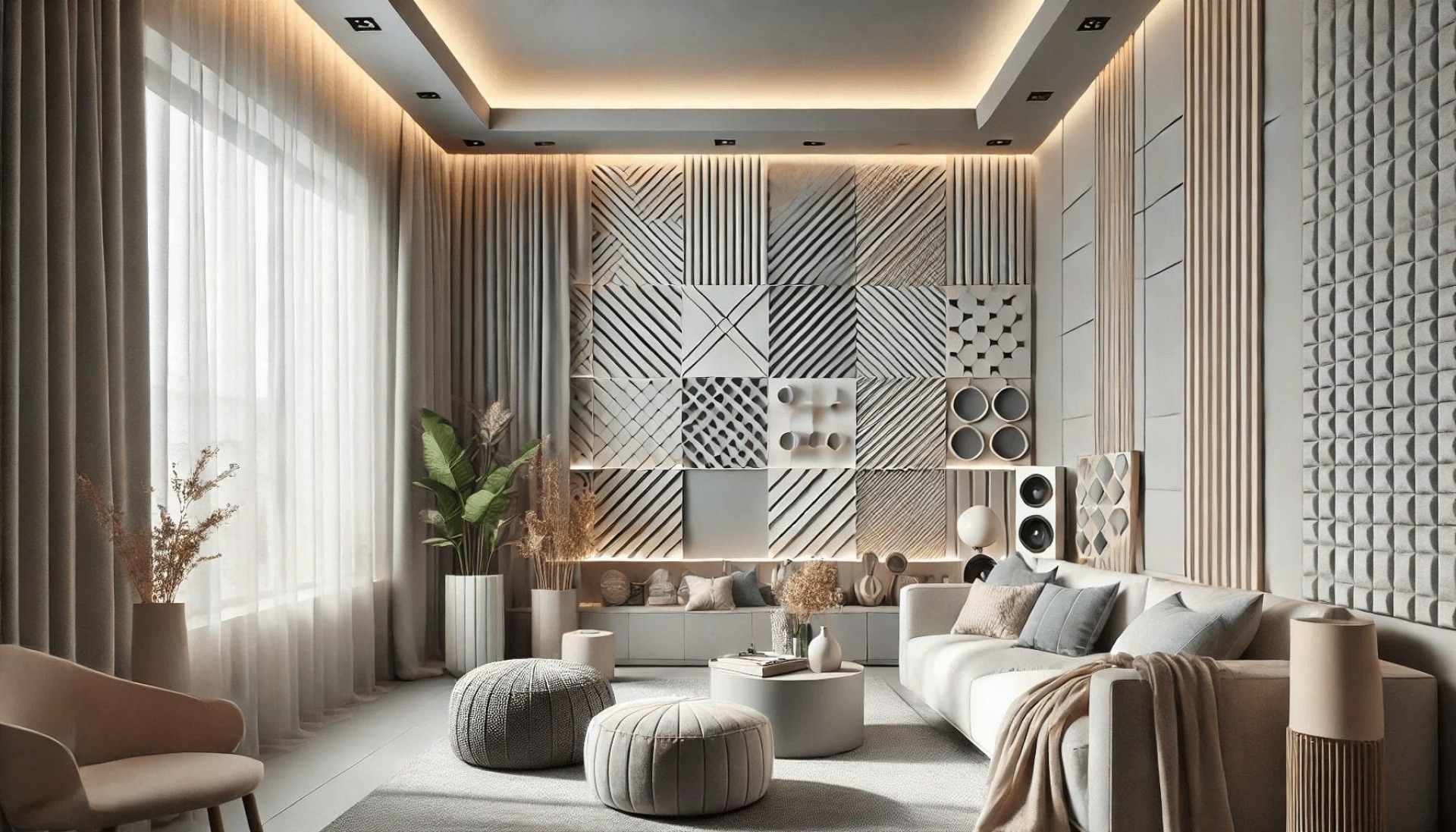
Sound-Absorbing Panels: These panels not only reduce noise but can also serve as interesting decorative elements thanks to various shapes, textures, and colors.

sound-design_IDW-Italia-Biella


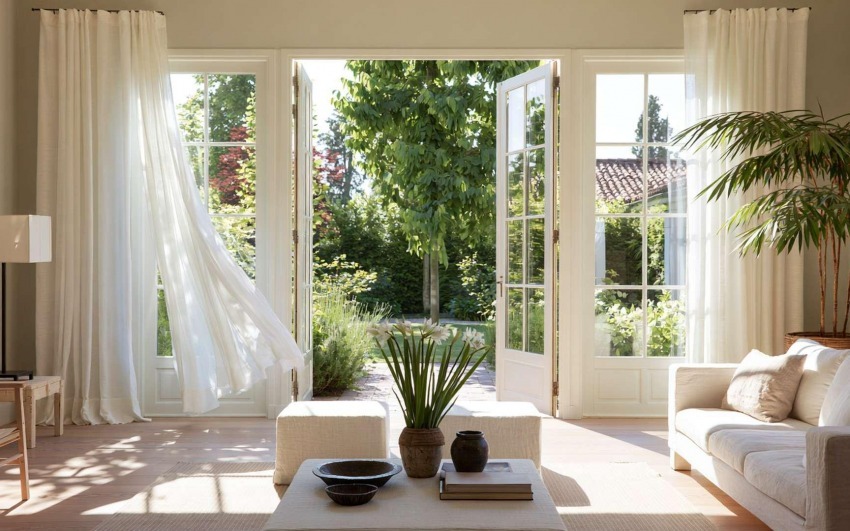
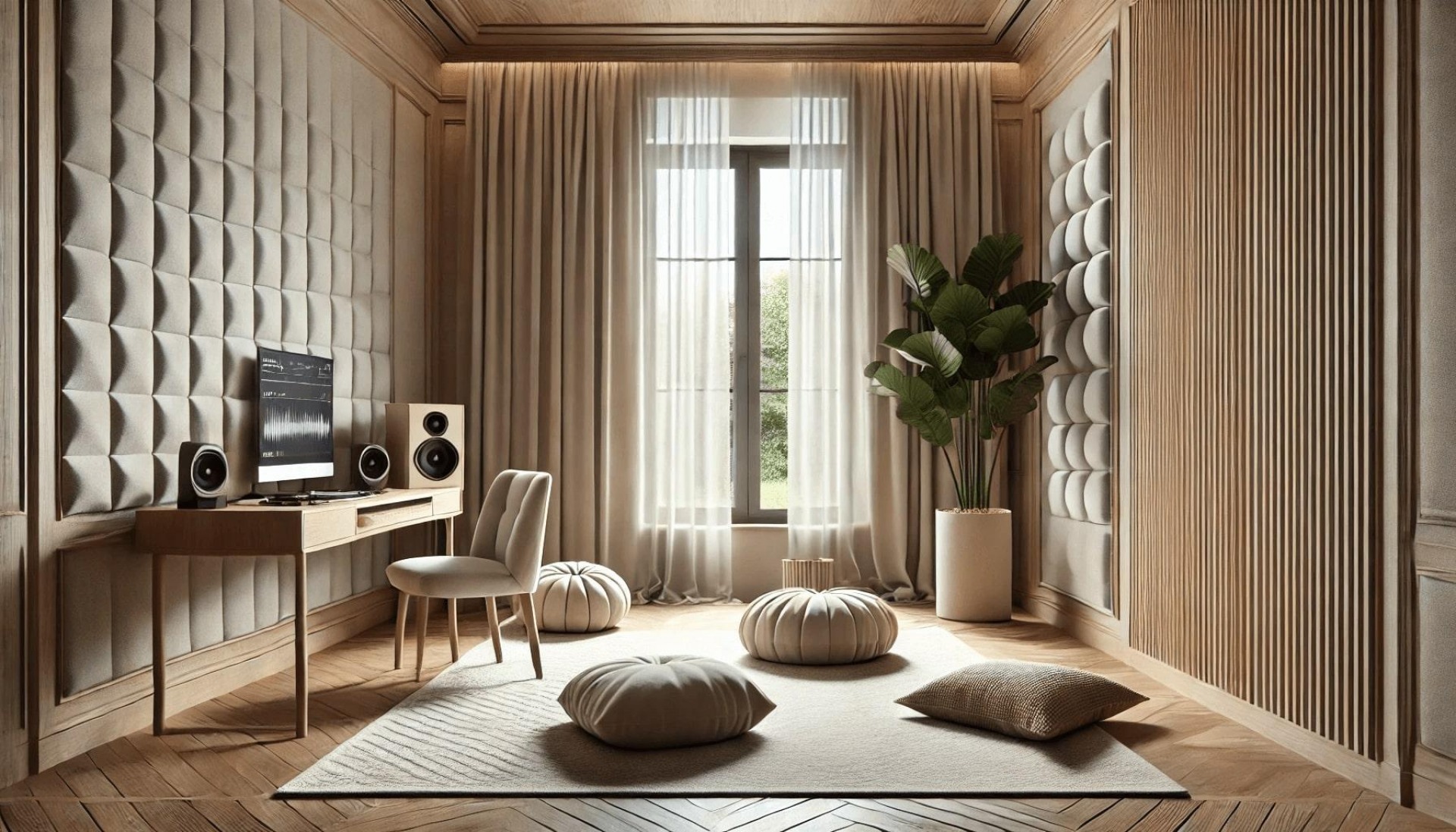
Sound-Absorbing Fabrics and Materials: Heavy curtains, rugs, and fabric coverings can reduce sound reverberation in rooms with hard surfaces.

sound-design_IDW-Italia-Biella


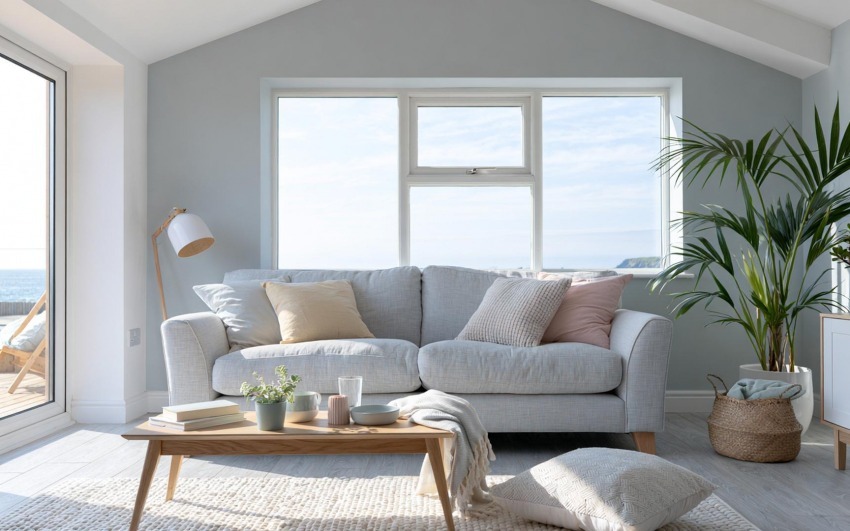
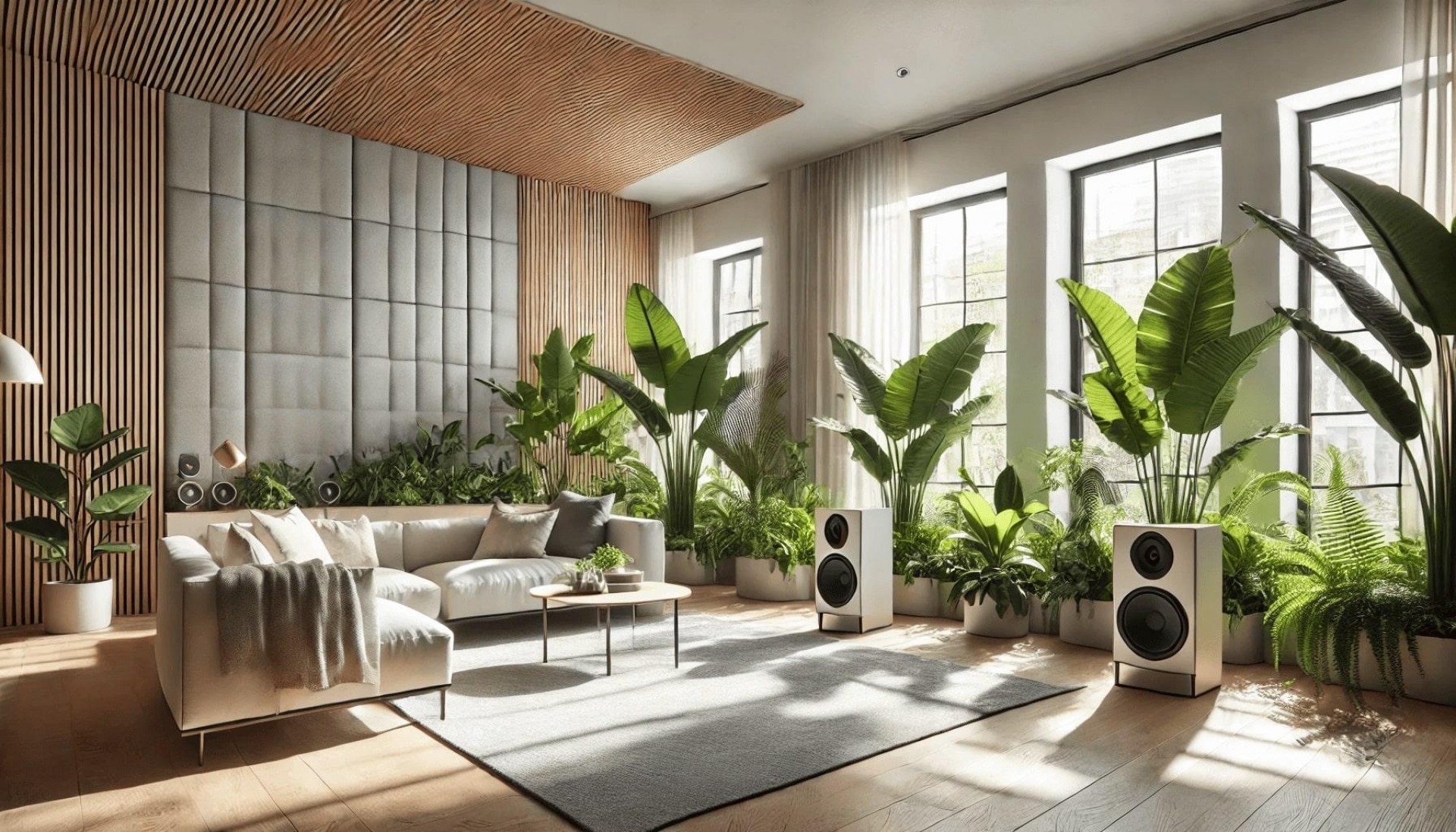
Acoustic Plants: Plants not only purify the air but also act as natural sound barriers, helping to reduce noise pollution.

sound-design_IDW-Italia-Biella


Music Integrated into Spaces


Music has the power to influence emotions and mood. Designing a space that integrates music into everyday life can enhance the overall atmosphere. Here are some ideas:


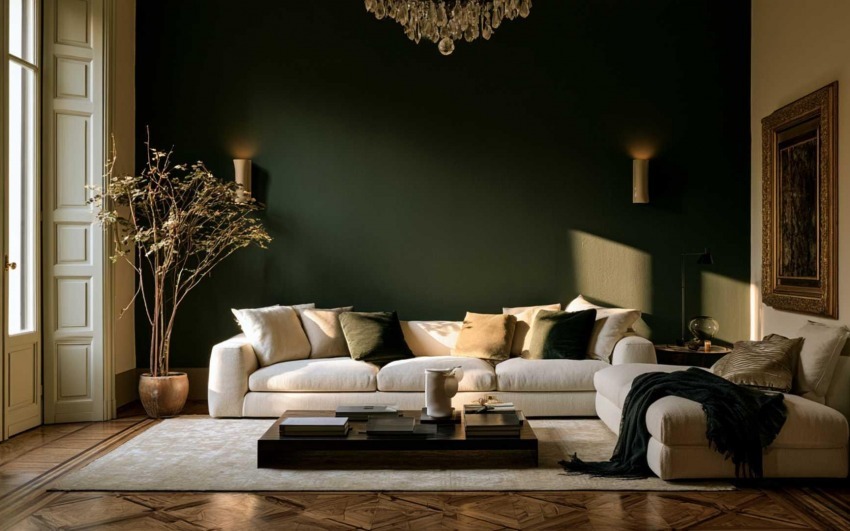
Hidden Speakers: Incorporating audio speakers into furniture, walls, or ceilings allows for a uniform sound experience without disrupting the aesthetics of the space.


Themed Music: Each room in the house can have its own "soundtrack," with music that promotes relaxation in the bedroom or productivity in the office.
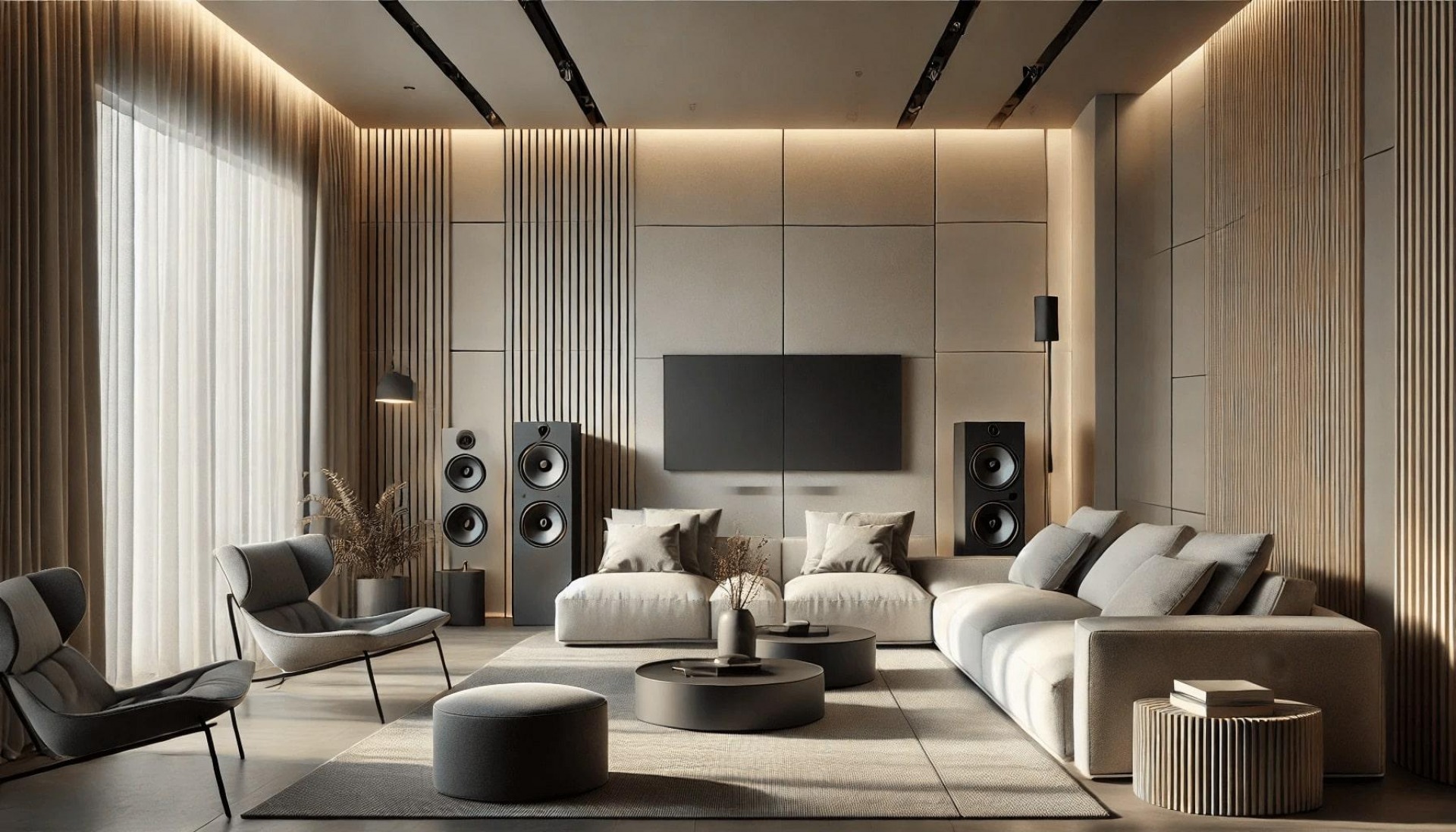

sound-design_IDW-Italia-Biella


Smart Home Solutions: By integrating smart music systems (Alexa, Google Home, etc.), you can control music in every room with voice commands or apps, making the sound experience more accessible and customizable.
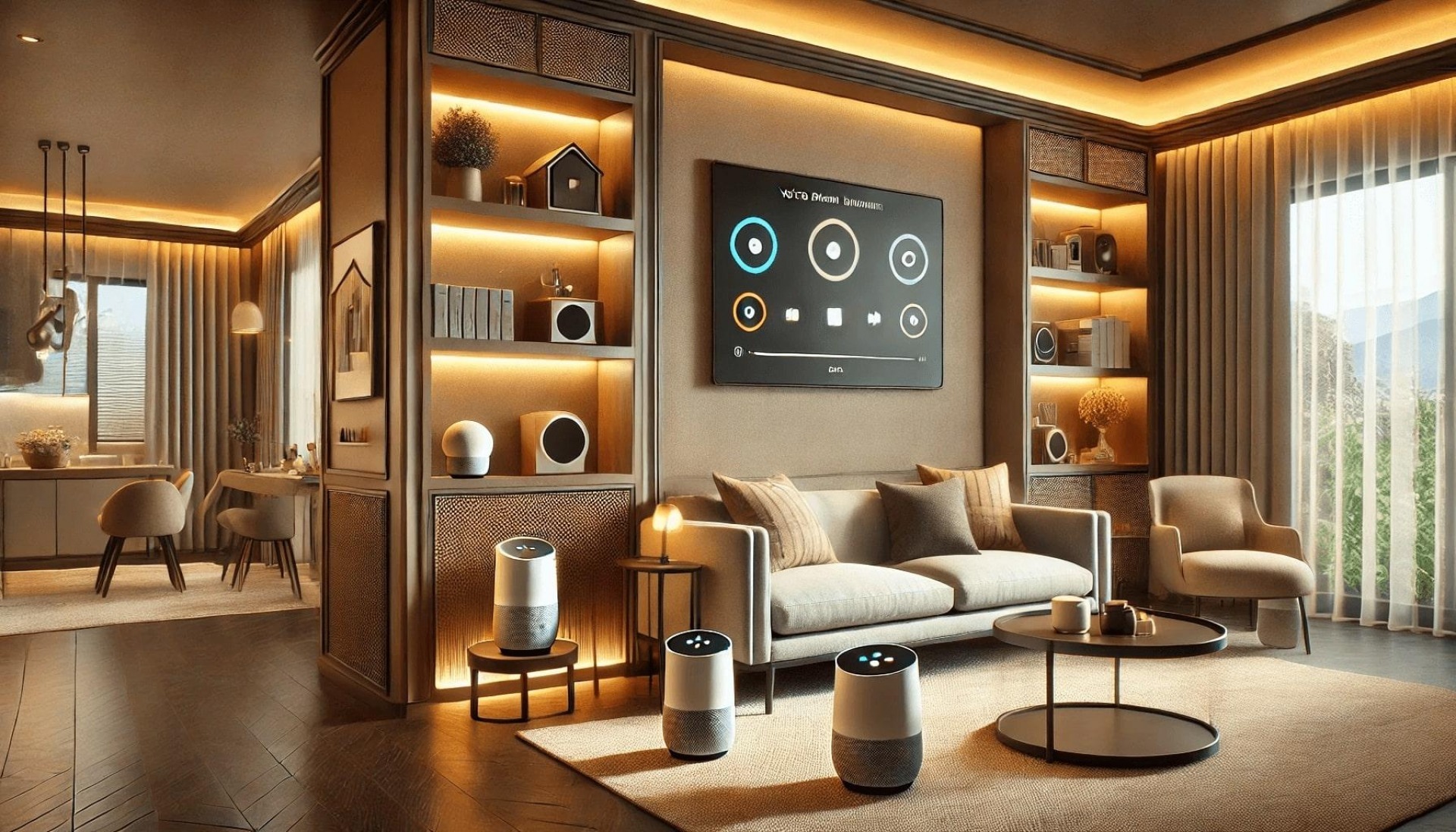

sound-design_IDW-Italia-Biella


Incorporating acoustic and musical solutions in interiors not only enhances comfort but also transforms spaces into multisensory experiences. Whether reducing noise or creating moods through music, sound design adds a new and fascinating dimension to interior design.


Cristiano Castaldi IDW Italia
Cristiano Castaldi

Interior Designer since 1985

CEO & Founder, Italian Design in the World
Related Articles

  • The Anti-Algorithm Home: Spaces That Aren’t Instagrammable (But Truly Livable)
    2/13/2026 The Anti-Algorithm Home: Spaces That Aren’t Instagrammable (But Truly Livable)

    For years, we designed homes as if they had to pass a constant visual exam: perfect light, perfect white, the right chair, the right vase. Interiors built to be photographed more than lived in.
Digital aesthetics — polished, minimal, hyper-ordered — entered interior design like an unspoken rule: if it isn’t “clean,” it isn’t beautiful; if it isn’t coherent, it isn’t successful; if it can’t be shown, it isn’t desirable.In 2026, this narrative is losing its power. Not because beauty matters less, but because beauty alone is no longer enough.
A new need is emerging: anti-algorithm interiors, spaces not designed for the shot, but for everyday life. Less performative homes, more real ones. Environments that don’t seek approval — they restore energy.This is not a return to chaos. It’s a return to meaning.

  • The End of the Open Space: The Return of Thresholds
    1/30/2026 The End of the Open Space: The Return of Thresholds

    For years, open-plan living symbolized contemporary domestic design: fluid, bright, without barriers.
A response to the desire for freedom, openness, and visual continuity.Today, that promise is being reconsidered.
In 2026, many projects mark a shift — not a rejection of open space, but its critical evolution. The return of thresholds.

  • Interiors That Age Well: Designing Spaces Beyond Trends
    1/23/2026 Interiors That Age Well: Designing Spaces Beyond Trends

    One of the most underestimated challenges in contemporary design is time.
Not the time required to design a space, but the time the space must endure: years of daily life, change, wear, and transformation.

  • Living as a Cultural Act: When the Home Becomes a Position
    1/09/2026 Living as a Cultural Act: When the Home Becomes a Position

    In recent years, the home has stopped being a simple functional container.
It has become an extension of how we think, how we experience time, and how we relate to the world. Living today is a cultural act — a conscious choice that reflects values, priorities, and pace of life. It’s no longer just about aesthetics. It’s about position.

  • The Aesthetics of Ritual: How Design Shapes Everyday Habits
    1/02/2026 The Aesthetics of Ritual: How Design Shapes Everyday Habits

    Homes have become more than places — they have become temporal landscapes.
Design is shifting from objects to gestures, from furniture to the choreography of daily life.

  • The Material of the Future: Ultra-Thin Surfaces and Advanced Finishes
    12/19/2025 The Material of the Future: Ultra-Thin Surfaces and Advanced Finishes

    Material innovation is reshaping interiors more deeply than any aesthetic trend.
The new frontier is not in bold colors or complex textures — it lies in technical surfaces that are thin yet strong, discreet yet expressive, silent yet high-performing.