2/13/2026
When the home becomes content, it stops being a home
AI Generated Content
Visual platforms have transformed our gaze. We began judging interiors as images, not places. That shifts design toward criteria that are often invisible but extremely influential:
- forced symmetry (even when unnecessary),
- "feed-friendly" palettes instead of comfort-driven ones,
- objects selected for impact rather than use,
- perfect surfaces that struggle with real life.
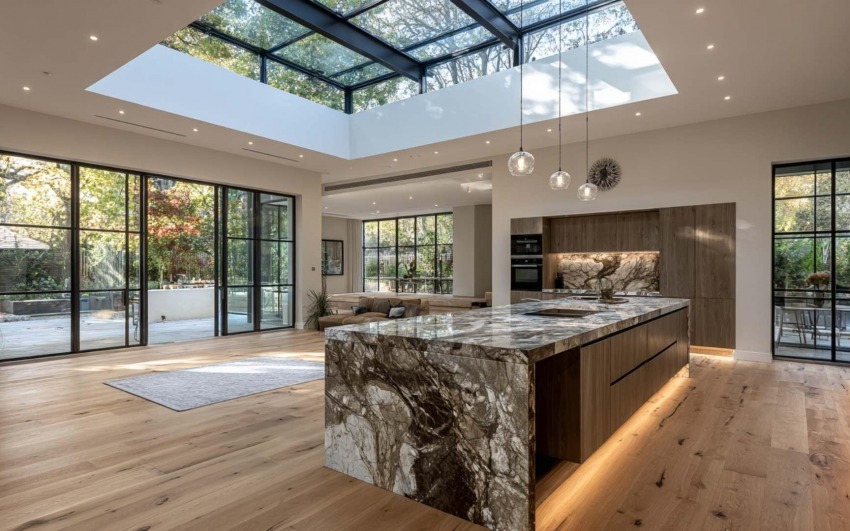
The issue isn't Instagram itself. The issue is when the algorithm becomes the silent client. Homes then fill up with scenographic emptiness — spaces that "breathe" in photos yet feel cold, rigid, or uncomfortable in reality.
The point is simple: a space can be beautiful and still not make you feel good.
The new luxury is invisible: comfort, rhythm, protection
_67076c6745_.jpg)
AI Generated Content
We live in a world saturated with stimuli — notifications, noise, speed, artificial light, social performance. Home can no longer be a place to display. It must become a place to recover.
That is why luxury today isn't an expensive object, but a set of subtle qualities:
- light that doesn't strain your eyes,
- materials that don't "shout,"
- acoustics that soften and calm,
- surfaces that endure without obsession,
- layouts that protect rather than expose.
A design that doesn't demand attention: it gives it back.
What "not Instagrammable" truly means
_c8309da2ea_.jpg)
AI Generated Content
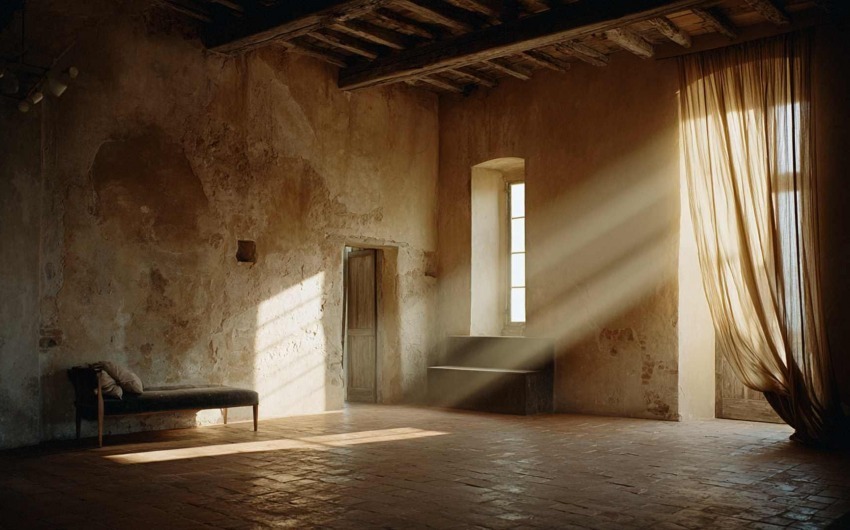
"Not Instagrammable" doesn't mean ugly. It means the space isn't built to be understood at a glance. It needs time. And that, in itself, is a cultural act.
Anti-algorithm interiors often share these traits:
The end of "neutral" aesthetics: material returns
_394c4417f3_.jpg)
AI Generated Content
Today, material returns to what it does best: generating sensation. Not only "beautiful" to look at, but "right" to live with.
- stones with texture and depth,
- woods that reveal veins and knots,
- satin metals, not glossy,
- fabrics that absorb light and sound.
Home feels more human because it becomes more physical.
How to design an anti-algorithm home (without making it look accidental)
_a238e41c2a_.jpg)
AI Generated Content
Practical choices include:
- Layering light (not one central source: wall lights, lamps, indirect lighting).
- Reducing glossy surfaces: matte and tactile work better.
- Comfort before composition: deep seating, real tables, effortless circulation.
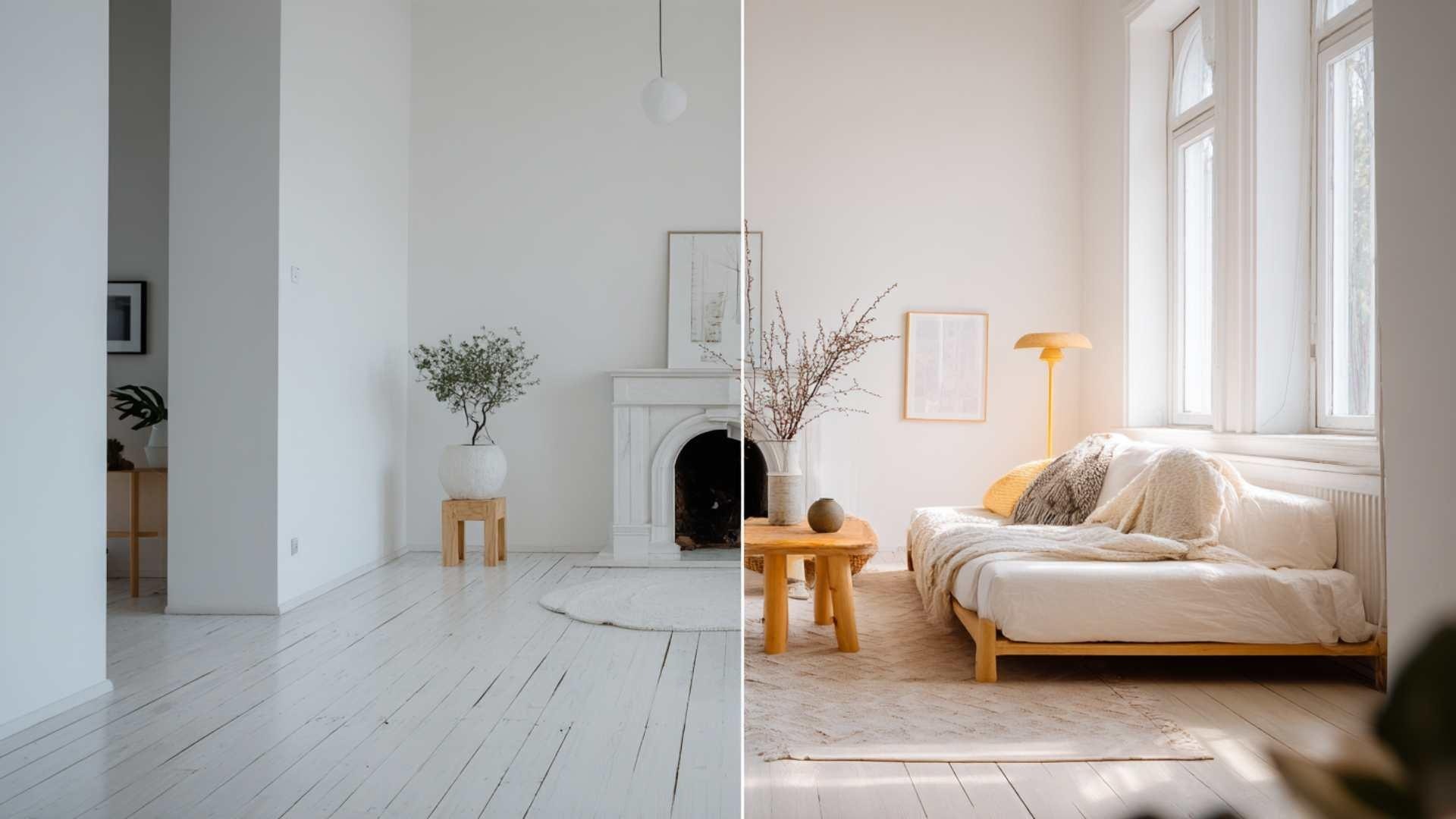
- Choosing a calm color base: warm, low tones rather than cold neutrals.
- Introducing texture: rugs, heavy curtains, soft-touch surfaces.
- Creating internal thresholds: a panel, boiserie, a curtain, a material change.
A home shouldn't "hit." It should hold.
Conclusion: living matters more than showing
_1f4435b8ae_.jpg)
AI Generated Content
Interior design is finally relearning something essential: a home is not a performance. It's an emotional ecosystem — a place where time accumulates.
The future aesthetic will no longer be about immediate impact. It will be about longevity. Spaces that don't need constant updates, only to be lived in.
In 2026, true elegance isn't perfection. It's livability.
_14077b47db_23.jpg)
Interior Designer since 1985
CEO & Founder, Italian Design in the World