1/09/2026
The home as a response to the outside world
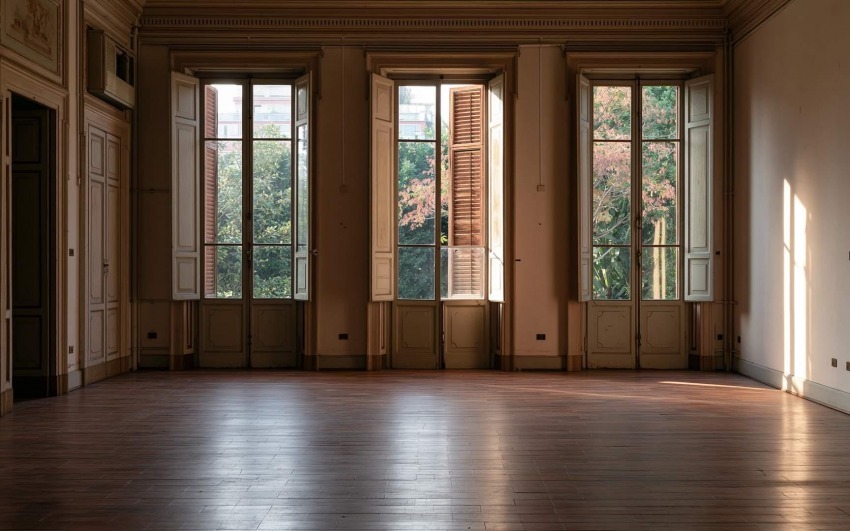
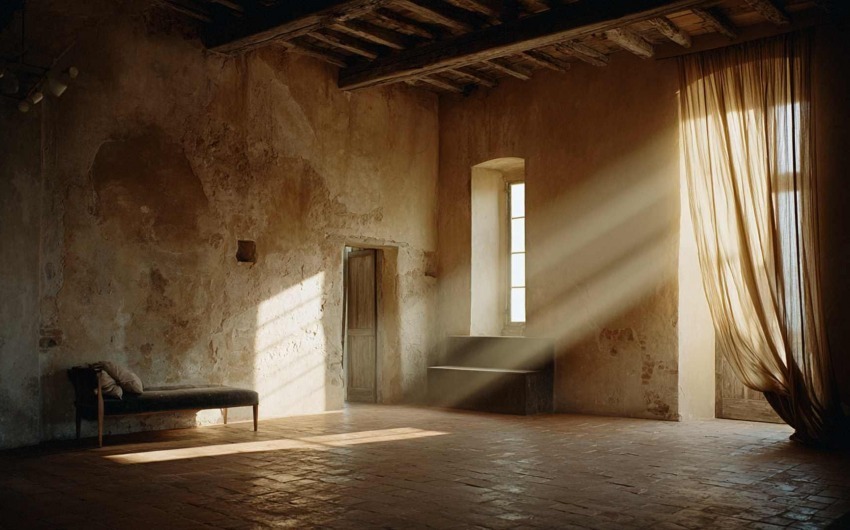
We live in a hyper-performative, noisy, constantly accelerated society. In this context, the domestic space takes on a new role: not to impress, but to protect.
More and more people are seeking interiors that:
- slow the pace,
- reduce visual overstimulation,
- restore continuity and stability.
The home becomes a quiet response to external excess. A place that filters, rather than amplifies.
_8c5fb1d8cd_.jpg)
AI Generated Content
Beyond style: living as a conscious choice
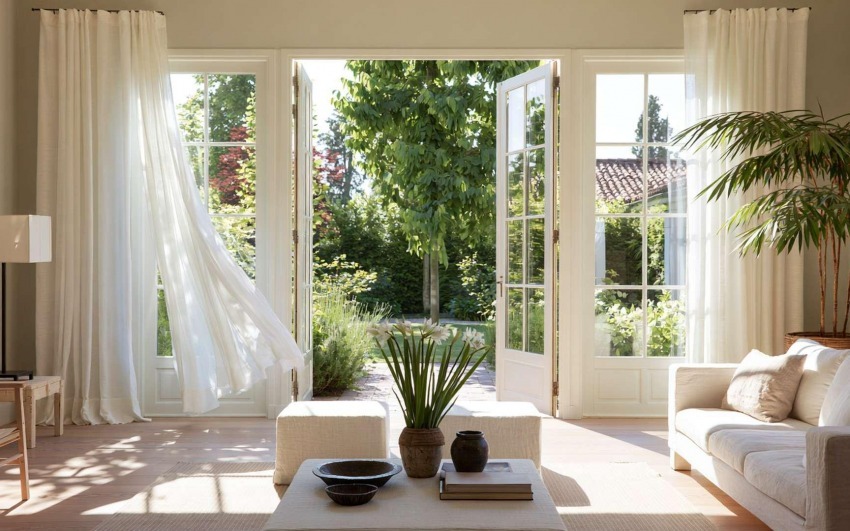
For years, design conversations revolved around styles — minimal, industrial, Scandinavian. Today, these labels are no longer enough.
The real question is how we want to live:
- open spaces or more articulated sequences?
- neutral environments or material-rich interiors?
- homes that display or homes that welcome?
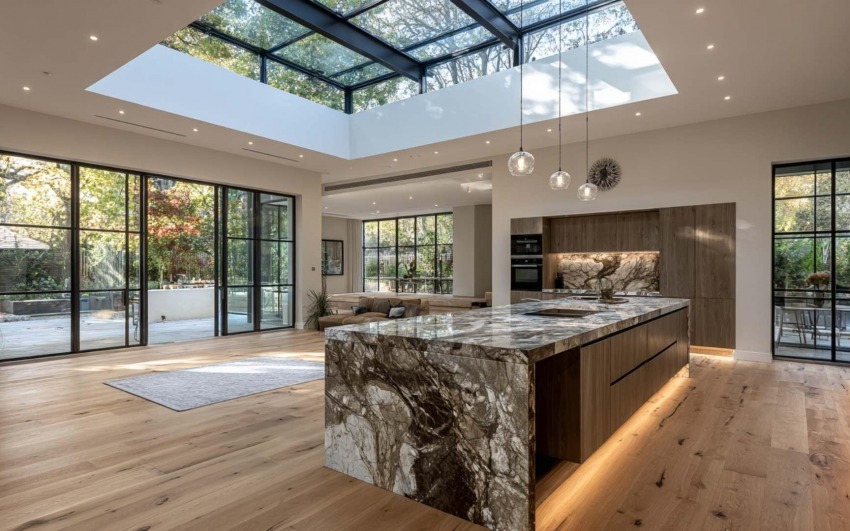
Every design choice becomes an implicit statement. Living is no longer about decorating — it is about taking a position.
AI Generated Content
Spaces that express a rhythm
A culturally driven home is not spectacular. It is coherent. It speaks through:
- balanced proportions,
- materials chosen for longevity,
- lighting designed to accompany, not dominate.
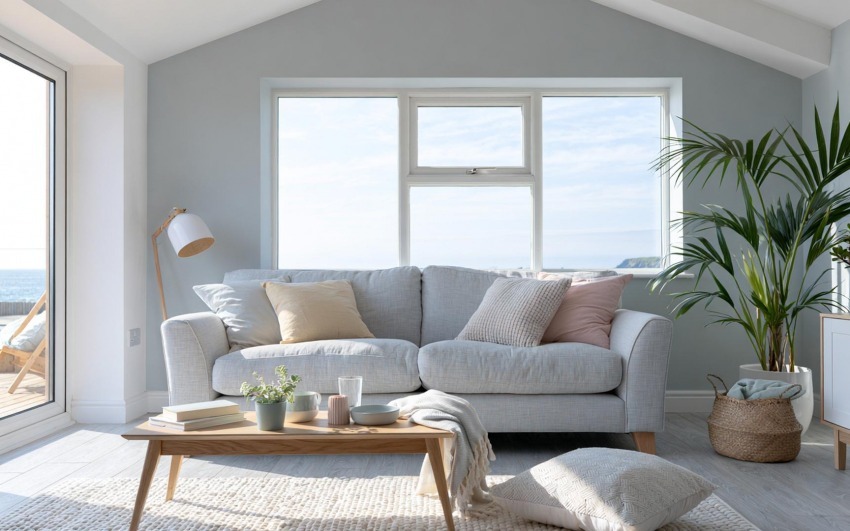
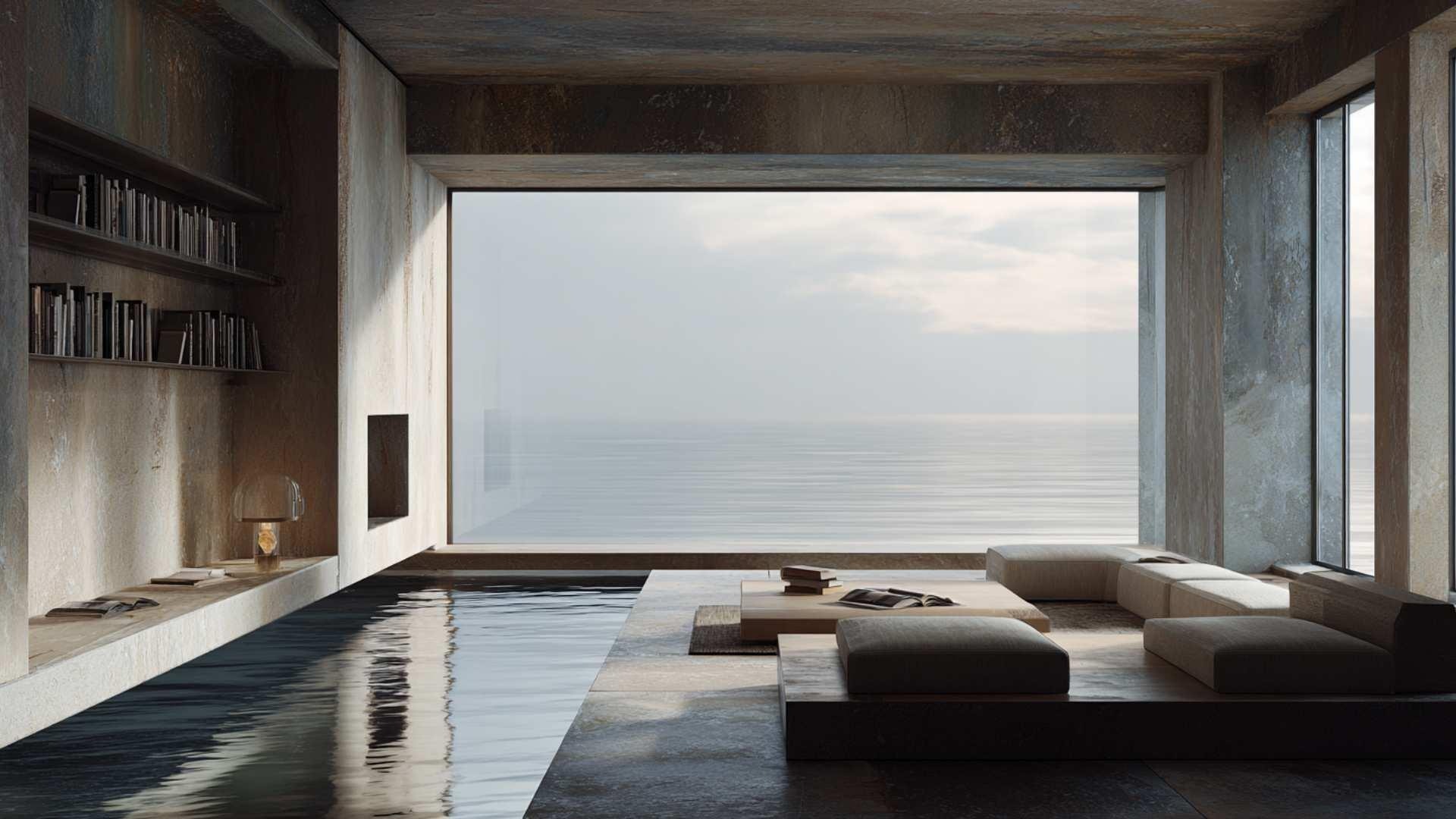
Rather than following trends, it builds an internal narrative: a daily rhythm made of pauses, transitions, and silence.
A home that doesn’t demand attention, but gives it back.
_f9f347a7ef_.jpg)
AI Generated Content
A return to more human living
This approach is part of a broader European shift, where design reconnects with:
- sensory experience,
- mental well-being,
- long-term thinking.
Living as a cultural act means designing spaces that are not showrooms, but environments capable of supporting real life — with its imperfections, routines, and changes.
_dddd840e22_.jpg)
AI Generated Content
The home as a position
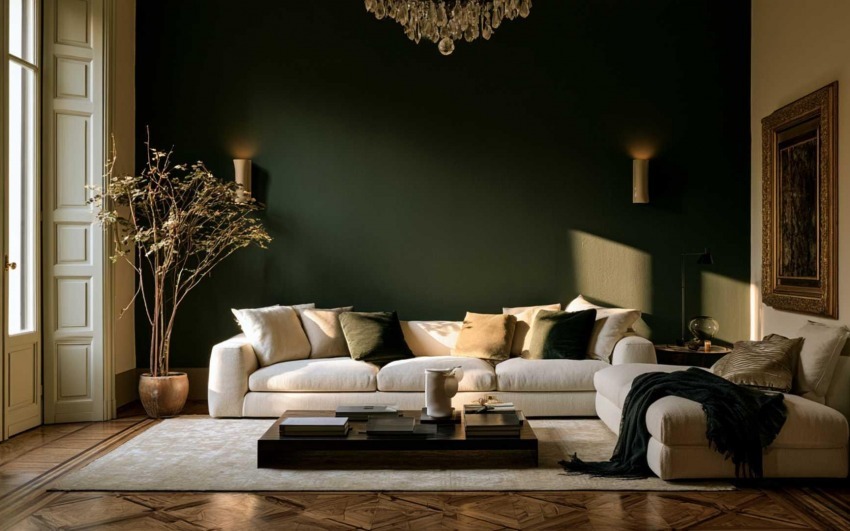
In 2026, true luxury is not excess, but coherence. A home that reflects who we are, without the need for display, becomes a clear position: against haste, against noise, against the idea that everything must be shown.
Today, living is choosing where you stand.
_85c243d317_.jpg)
AI Generated Content
This perspective naturally connects with a broader reflection on time, slowness and conscious living within domestic spaces. We explore this further in Slow Living and Interior Design: The Home as a Space for Slowing Down.
This approach also takes shape through contemporary furniture and design, where material, gesture and everyday rituals become essential.
A clear example is the design philosophy of Edoné, which redefines the bathroom as an intimate, cultural and lived space.
_14077b47db_23.jpg)
Interior Designer since 1985
CEO & Founder, Italian Design in the World