11/07/2025
1. The Philosophy of Slow Living
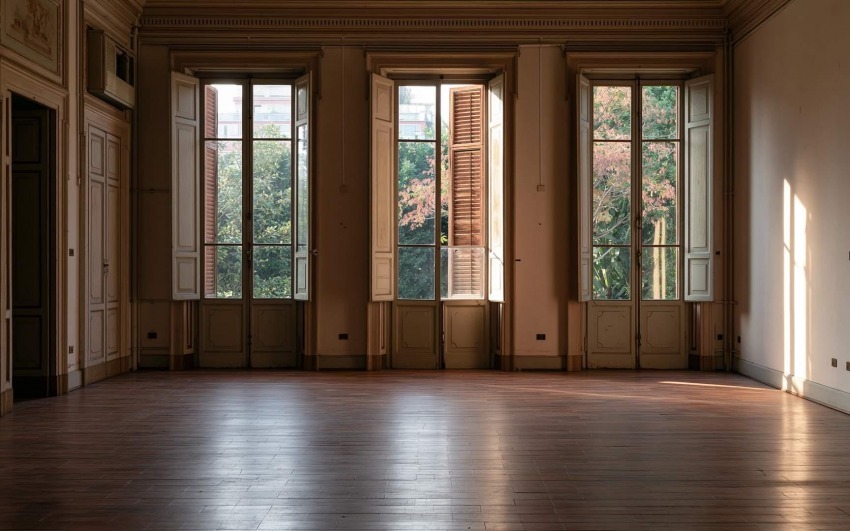
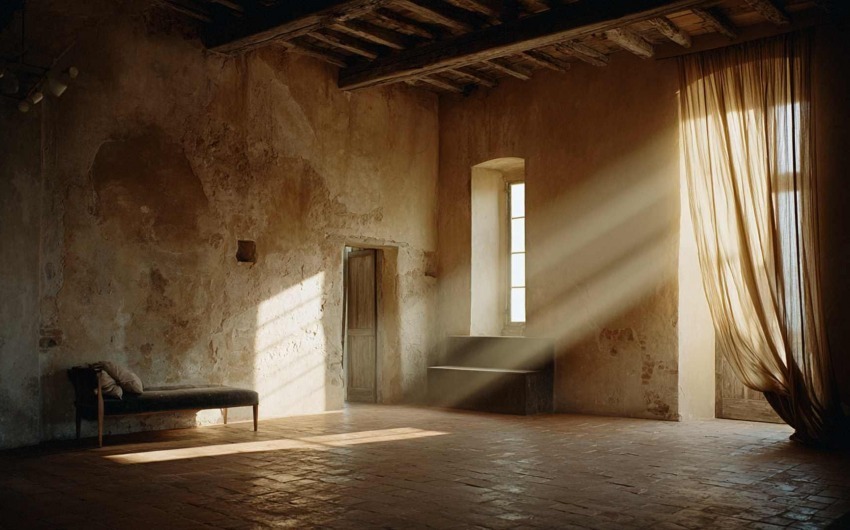
Slow living is more than a trend—it’s a new way of inhabiting. It means choosing less, but better; creating environments that encourage mindfulness, rest, and genuine connection. Homes become emotional sanctuaries that protect us from outside noise and help us rediscover a human rhythm. Materials like wood, linen, raw cotton, and natural stone express the beauty of time and craftsmanship.
_0e8f7675a6_.jpg)
AI Generated Content
2. Materials and Palettes that Invite Calm
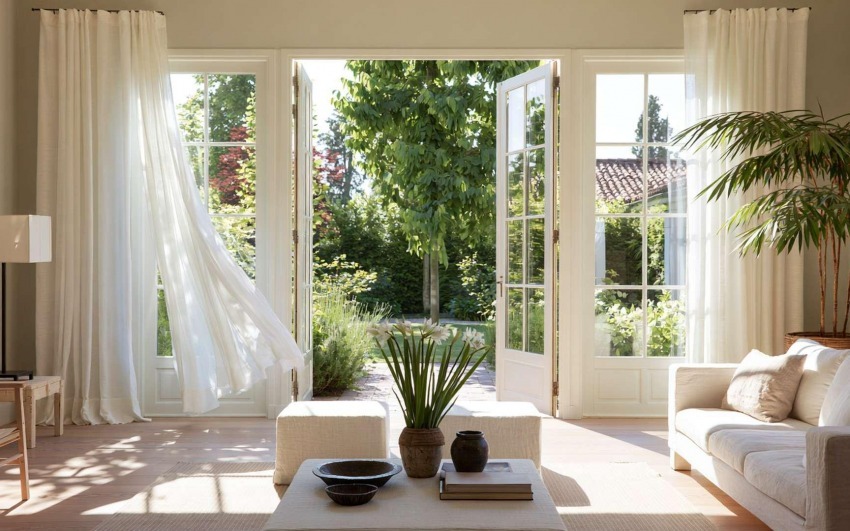
Color is a powerful tool to set a visual pace. Slow palettes blend natural and neutral tones: sand, ivory, taupe, sage green, clay, and terracotta. These shades “breathe,” absorb light, and create continuity across walls, fabrics, and furniture. Choose soft, tactile materials—brushed light wood, handmade ceramics, matte finishes, and natural textiles that convey warmth and authenticity.
_8fad344a0a_.jpg)
AI Generated Content
3. Slow Zones: Designing Rooms that Breathe
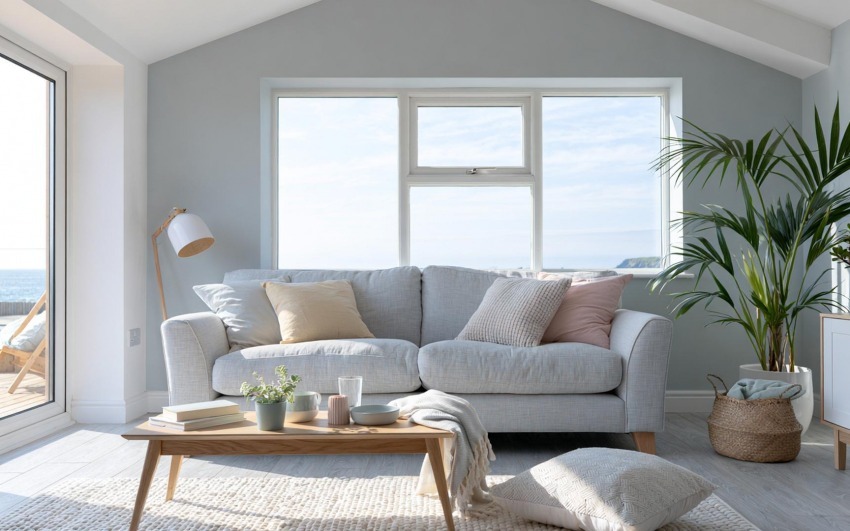
A slow home is made of intentional corners—spaces that invite pause.
Reading nook: a cozy armchair, warm lighting, and a small side table become a daily ritual.
Spa bathroom: soft light, natural stone, aromatic scents, and smooth textures for a restorative experience.
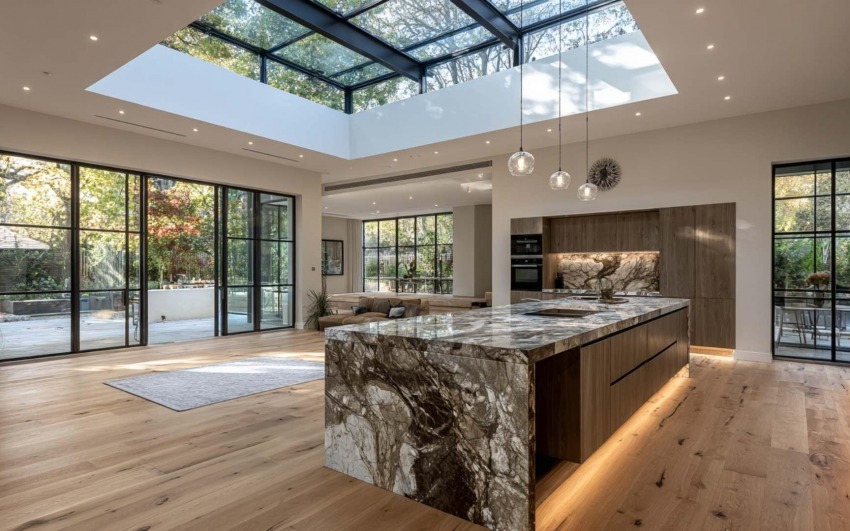
Social kitchen: wooden tables, natural finishes, and comfortable seating for slow meals and connection.
Tech-free bedroom: a sanctuary for mind and body, away from devices and distractions.
_0d009bcb33_.jpg)
AI Generated Content
4. European Design After the Pandemic
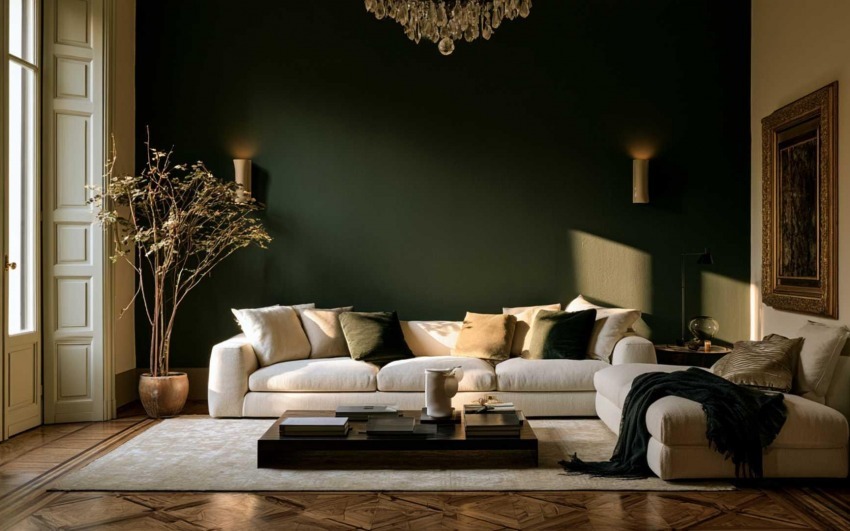
Post-pandemic design across Europe embraces living as healing. Designers and brands are reinterpreting domestic aesthetics with soft forms, full volumes, sustainable materials, and sensory-driven solutions. The result? Interiors that don’t showcase luxury but balance — spaces made to breathe, to live, to feel.
_f89dc53262_.jpg)
AI Generated Content
5. Finding Your Own Rhythm
To slow down doesn’t mean giving up style — it means creating spaces that reflect who we are. A slow home welcomes, not imposes; it evolves with its inhabitants; it becomes a place of introspection and harmony. In 2025, true luxury isn’t about owning more — it’s about living better.
_37dbeb7363_.jpg)
AI Generated Content
Discover how Autumn Colors Can Transform Your Home Atmosphere.
Explore Novamobili for natural comfort and timeless Italian design.
_14077b47db_23.jpg)
Interior Designer since 1985
CEO & Founder, Italian Design in the World