1/23/2026
Designing interiors that age well means moving beyond the trend of the moment and creating environments that remain valid, coherent, and livable over the long term.
_d63d01cd55_.jpg)
AI Generated Content
Beyond trends: the value of longevity
Trends are fast, cyclical, and often loud. An interior designed only to match a trend can become obsolete within a few years — not because it stops working, but because it stops representing the people who live in it.
Spaces that age well, instead, are built on deeper choices:
- balanced proportions,
- authentic materials,
- restrained yet expressive palettes.
They don’t chase immediate impact — they grow into their beauty over time.
_5e16ca3ac6_.jpg)
AI Generated Content
Materials that improve with use
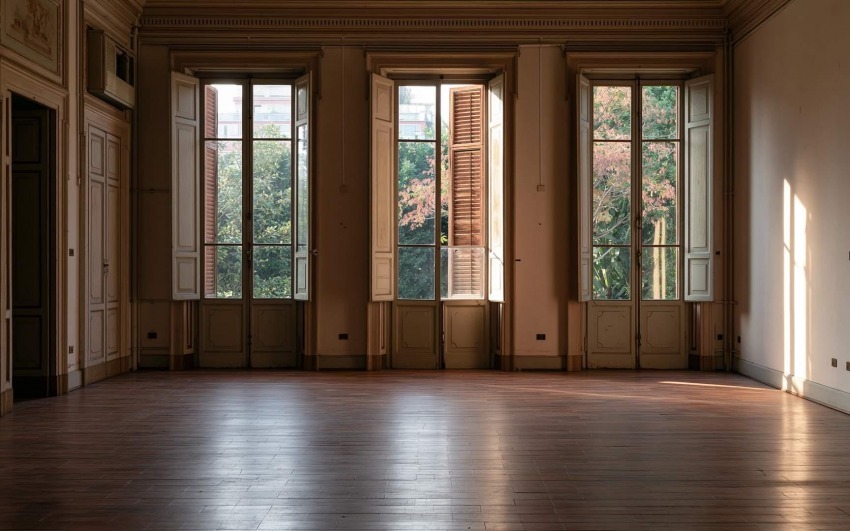
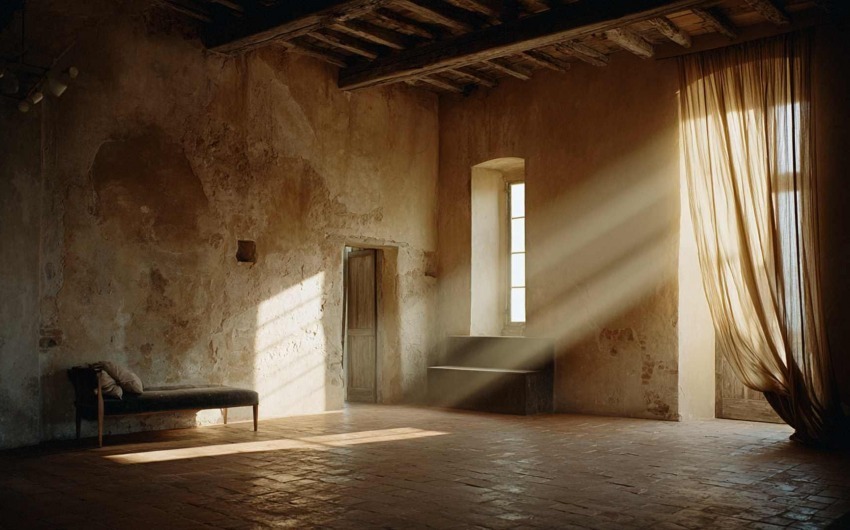
One of the key elements is materiality. Natural woods, stone, satin metals, and high-quality textiles are never perfect on day one — and that’s exactly why they last.
Over time, they:
- develop patina,
- tell a story,
- become more personal.
Wear is not a flaw, but a form of value. It’s what makes a space lived-in, not consumed.
_4a573a7154_.jpg)
AI Generated Content
_983ce6a8a9_.jpg)
AI Generated Content
_f1751829e1_.jpg)
AI Generated Content
Designing for real life
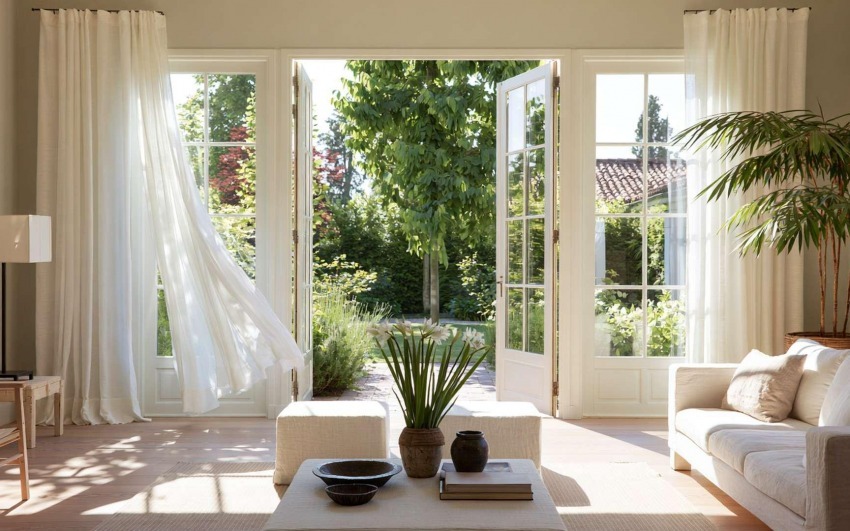
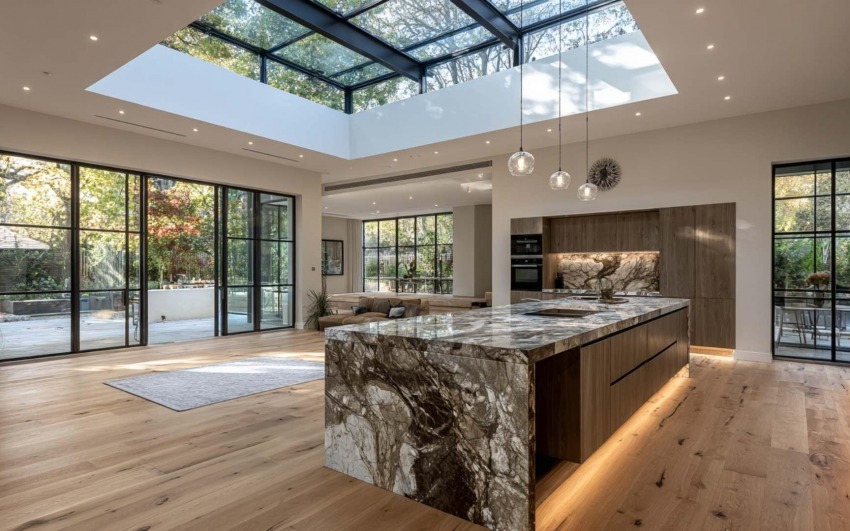
Interiors that endure over time are not rigid. They are flexible, adaptable, and capable of welcoming change without losing identity.
This means:
- furnishings designed for multiple functions,
- layouts that can evolve,
- design choices that don’t depend on a single configuration.
A home that ages well is a home that grows alongside its inhabitants.
_0d73d7ed47_.jpg)
AI Generated Content
AI Generated Content
The aesthetics of restraint
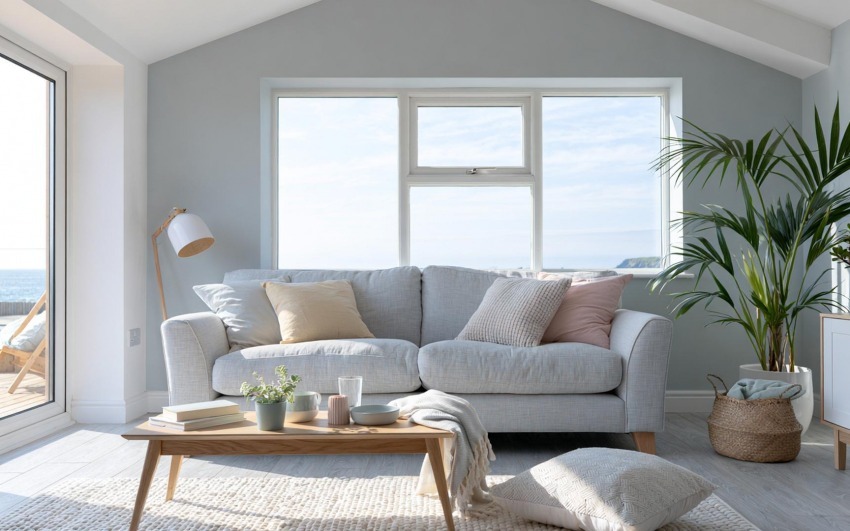
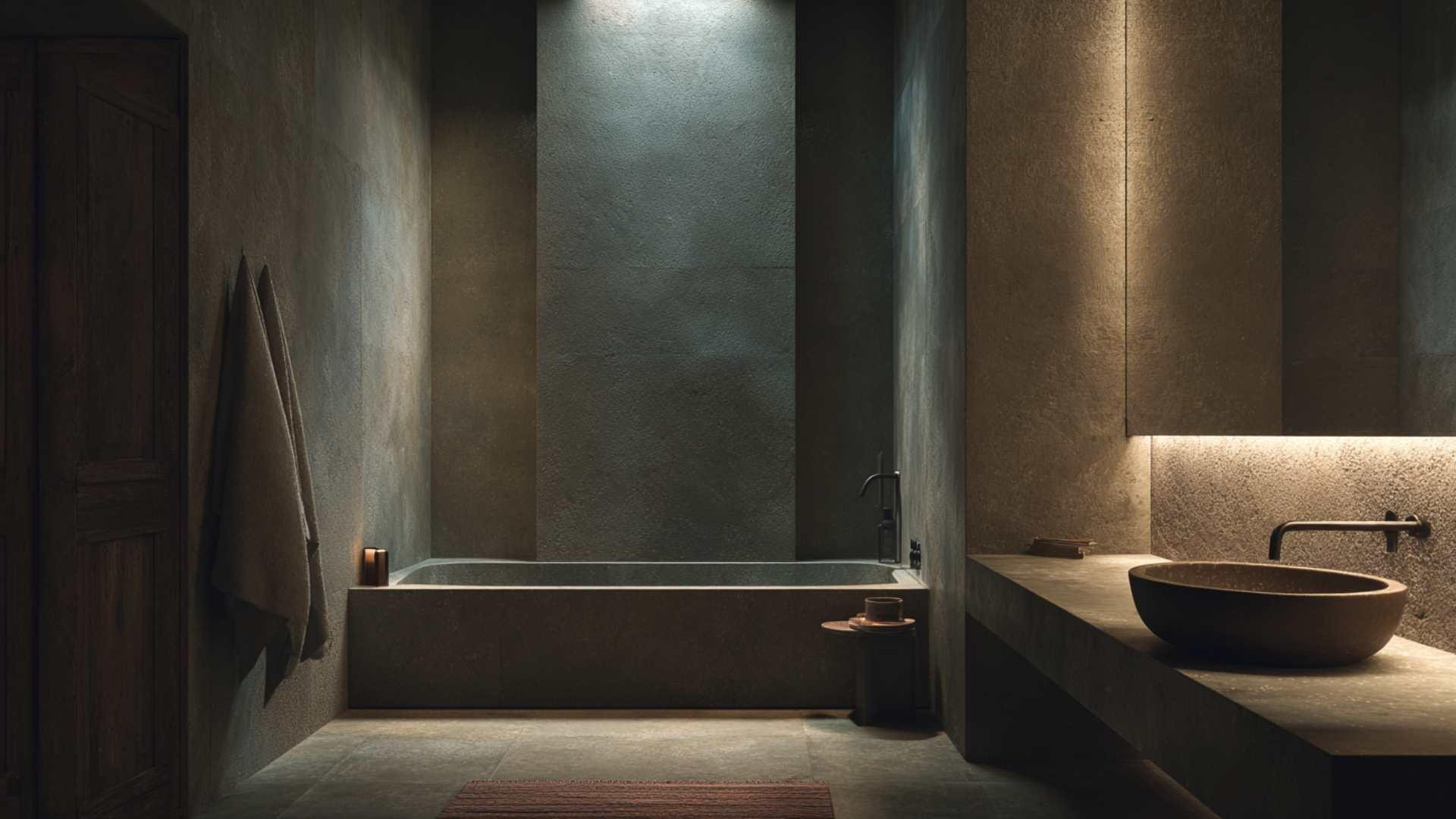
In these spaces, nothing is excessive. Every element is calibrated, designed to last both visually and emotionally.
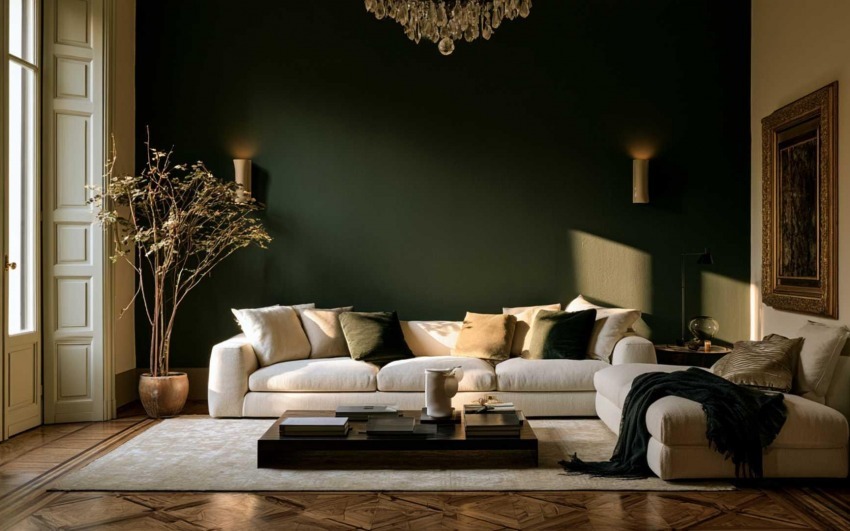
Restraint becomes a form of luxury: fewer stimuli, less noise, more continuity. It’s a design language that doesn’t tire, doesn’t demand constant updates, and doesn’t impose change.
_70df4f2c46_.jpg)
AI Generated Content
Time as a design principle
In 2026, the true mark of quality is not trendiness, but resilience. An interior that ages well doesn’t chase the present — it moves through it.
Designing with time in mind means creating spaces that don’t need to be redone, only lived in. And today, that may be one of the most intelligent design choices of all.
_84e93ec830_.jpg)
AI Generated Content
Also read The Aesthetics of Ritual: How Design Shapes Everyday Habits to explore how materials, light, and gestures shape the home’s daily rhythm.
To discover technical, tactile surfaces for contemporary interiors, explore the collections by Casalgrande Padana.
_14077b47db_23.jpg)
Interior Designer since 1985
CEO & Founder, Italian Design in the World