9/05/2025
1. The Autumn Palette: Colors to Choose
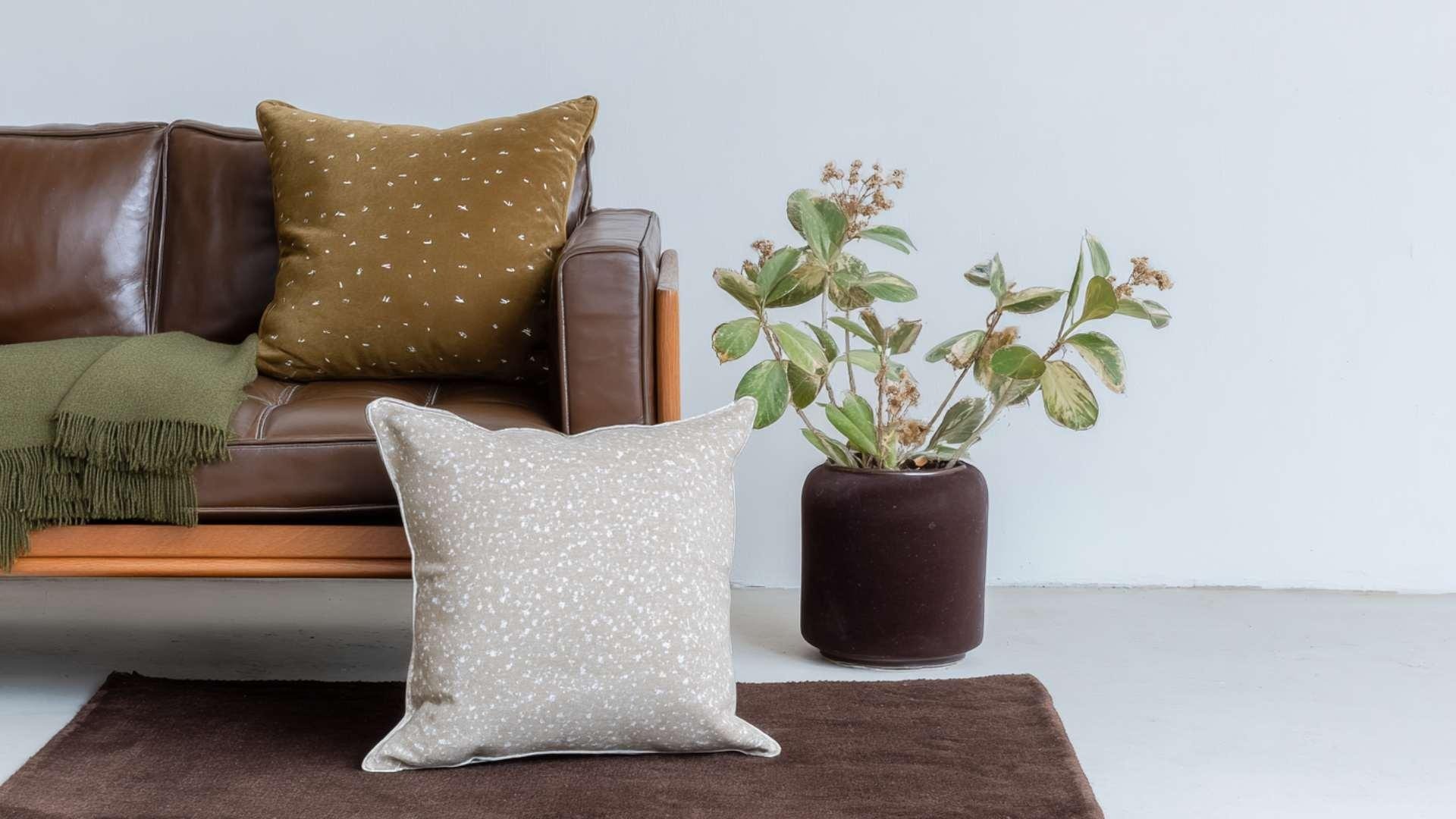
Autumn offers a refined and rich natural palette. Key shades to introduce:
- Ochre and terracotta for warmth and depth.
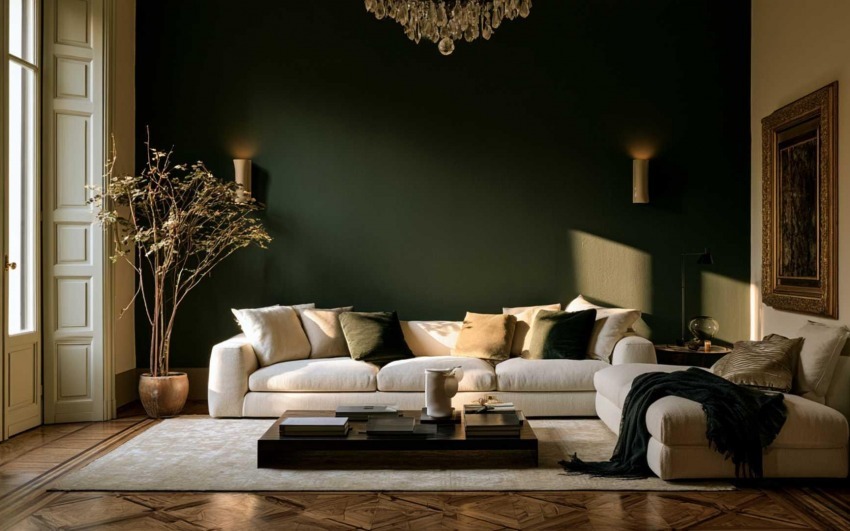
- Forest green, elegant and soothing.
- Chocolate brown and caramel for a cozy touch.
Rust red and burgundy, ideal for accents. Practical tip: add cushions, blankets, or rugs in these tones to refresh a room without changing everything.
AI Generated Content
_f08f3c2390_.jpg)
AI Generated Content
2. Soft and Layered Textiles
Nothing says autumn like soft, layered fabrics. Bring in materials that invite relaxation:
- Wool or cashmere throws on the sofa.
- Velvet or bouclé cushions.
- Heavier curtains to replace the light summer ones. Textiles not only “warm up” a space visually but also add texture and depth.
_5c8d28768b_.jpg)
AI Generated Content
_515fe7545d_.jpg)
AI Generated Content
3. Natural and Seasonal Décor
Autumn is the season of nature’s transformation—perfect for bringing in natural elements:
- Dried branches or colorful leaves in decorative vases.
- Ornamental pumpkins or autumn fruits like pomegranates and chestnuts as centerpieces.
- Scented candles with woody or spicy notes. These simple additions create a warm and cozy seasonal atmosphere.
And to complete the sensory experience, discover the home fragrances by Tonatto Profumi.
_fe095a44c0_.jpg)
AI Generated Content
4. Warm and Intimate Lighting
As days grow shorter, lighting plays a key role:
- Table lamps with fabric shades for diffused light.
- Decorative string lights to add a magical touch to shelves or lounge areas.
- Candles and lanterns for a soft, welcoming glow. Choose warm bulbs (2700–3000K) for instant coziness.
_16eedeb415_.jpg)
AI Generated Content
5. Small Details, Big Impact
Autumn vibes also come from thoughtful details:
- A chunky knit blanket on the sofa.
- Matte ceramic vases in seasonal shades.
- Prints or artworks featuring autumn landscapes. No need for big investments—just a few well-chosen touches can set the seasonal mood.
_3c8225b10b_.jpg)
AI Generated Content
_d75ebfef5b_.jpg)
AI Generated Content
Bringing autumn into your home is easy: focus on warm colors, natural textiles, seasonal décor, and cozy lighting. Without changing furniture or redesigning rooms, your home can become a warm, inviting retreat—perfect for enjoying the cooler months with style and comfort.
For more inspiration, take a look at our article Decorating with Color: exploring the use of color in interior design.
_14077b47db_23.jpg)
Interior Designer since 1985
CEO & Founder, Italian Design in the World