3/27/2026
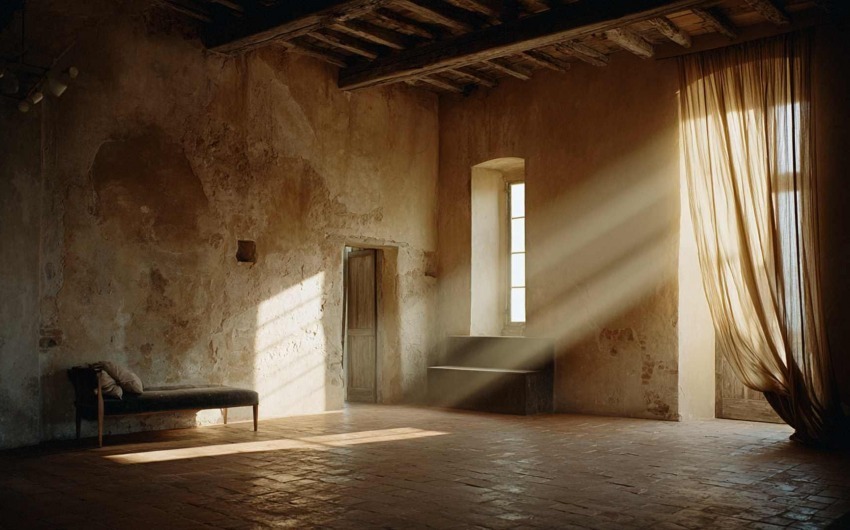
A room (or a well-defined corner) for everything doesn't mean rigidity. It means giving each activity a place — and therefore a limit. Work ends when you leave the study; sleep begins when you enter the bedroom; conviviality has its territory. It's design that respects psychological boundaries as well as physical ones.
_416b3de7bb_.jpg)
AI Generated Content
_24ea1ae3b8_.jpg)
AI Generated Content
Why the "single room" wears us out
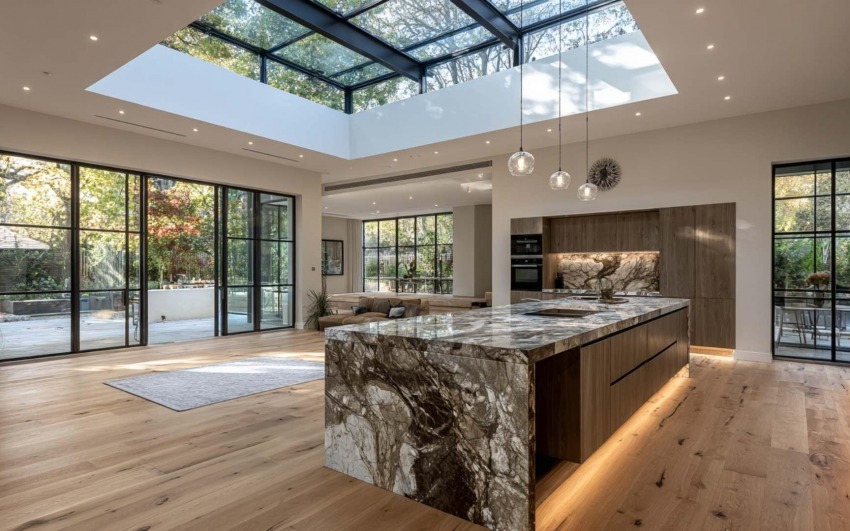
In one large space everything coexists: cooking, eating, working, watching a film, entertaining. The brain gets constant stimulation and struggles to "change gear". There's no physical signal saying: "this is for this, that's for that". The result is often overload, difficulty relaxing and a sense of never having a place that's really your own.
AI Generated Content
_a2e45f7532_.jpg)
AI Generated Content
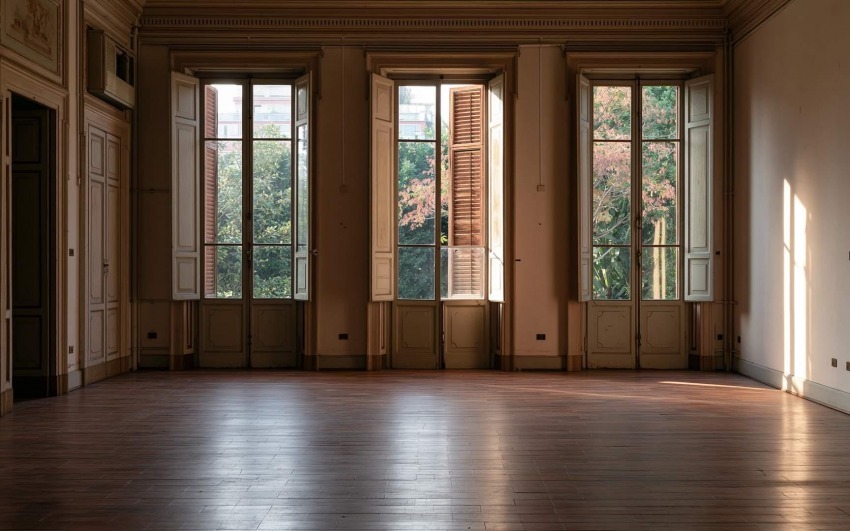
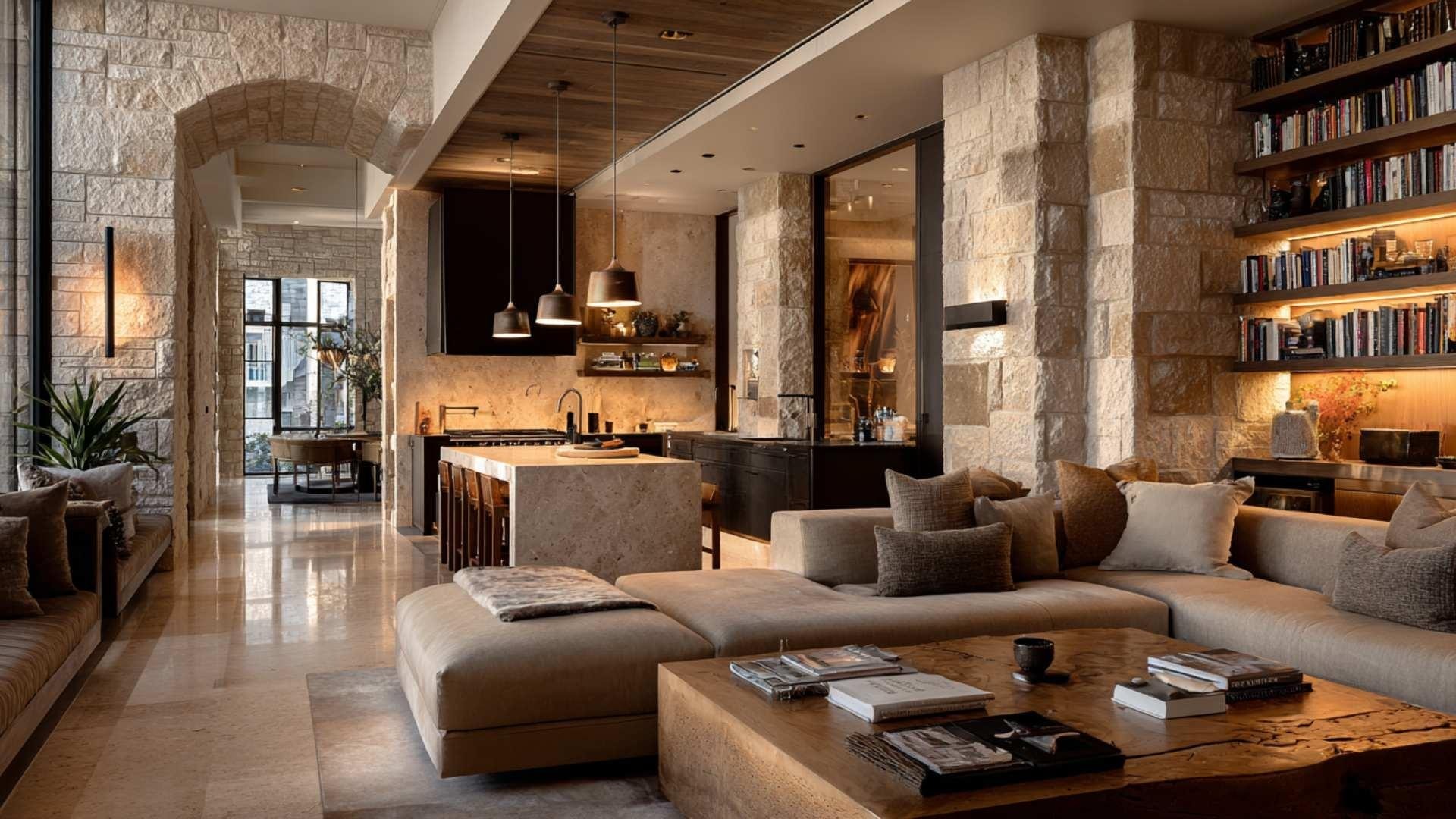
Dedicated spaces don't have to be closed rooms with a door. They can be nooks, raised areas, corners defined by a piece of furniture or a change of flooring. What matters is a recognisable transition: a step, a threshold, a change of light or material that signals "this is another place".
Which "rooms" are worth distinguishing
Not every home can have separate rooms for every function. But some distinctions have a strong impact on quality of life:
- Work/study area: even a dedicated corner with a fixed desk and no "mixed" use helps separate work and home and reduce domestic multitasking.
- Rest zone: the bedroom as a place only for sleep and intimacy, not for laptops or TV, improves rest (and the psychology of the space).
- Entrance zone: a real vestibule or corridor that acts as a buffer between outside and inside lets you "leave stress outside" and avoid bringing shoes and noise straight into the living room.
- Reading or quiet corner: an armchair, a light, no screens — a recognised place to be alone with a book or your thoughts.
_05dae6fc6f_.jpg)
AI Generated Content
_b2c7c423e7_.jpg)
AI Generated Content
Flexibility without confusion
Dedicated spaces don't mean fixed walls forever. You can achieve separation with sliding panels, curtains, bookcases that act as filters, level changes. The idea is that at any moment you know "where you are" and "what this place is for", without giving up the option to open everything when needed — a big dinner, a family Sunday.
The design has to answer a question: which activities need to coexist and which need to be isolated? The answer is personal and depends on who lives there: remote workers, families with children, singles, couples. A room for everything is a formula to adapt, not a dogma. But the principle — giving each function a recognised place — holds.
_bf2e2b2d35_.jpg)
AI Generated Content
Conclusion: the boundary as a resource
After years of open plan with no breaks, the boundary is again a resource. Not a wall that isolates, but a threshold that orders: this is for this, that's for that. The home gains in clarity, in the possibility of concentration and rest, and in a sense of control. A room for everything is, in the end, a way of taking ourselves seriously: work time, sleep time and time for being together each deserve their place.
_844389c072_.jpg)
AI Generated Content
Further reading
On the IDW blog: The End of the Open Space: The Return of Thresholds — why contemporary homes are rediscovering the value of boundaries and transitions between spaces.
Partner: Albed — sliding door systems, partition walls and panels for dividing spaces without sacrificing light.
_14077b47db_23.jpg)
Interior Designer since 1985
CEO & Founder, Italian Design in the World