5/29/2026
Depth
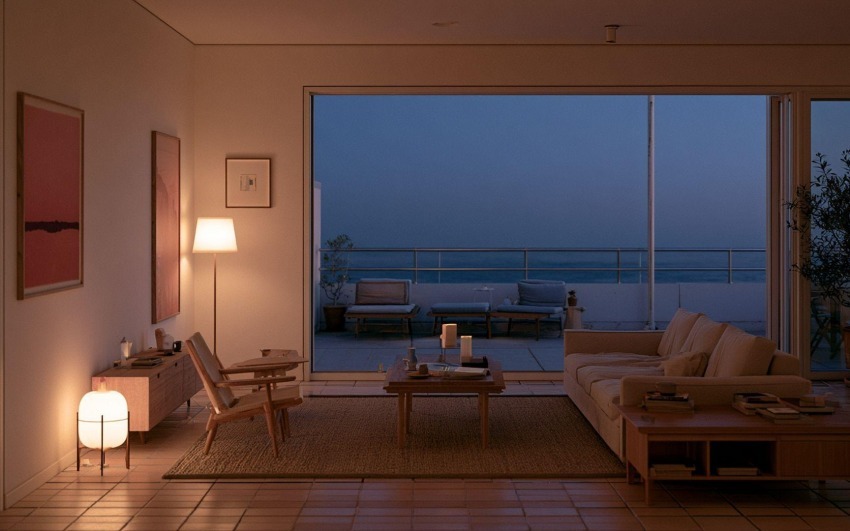
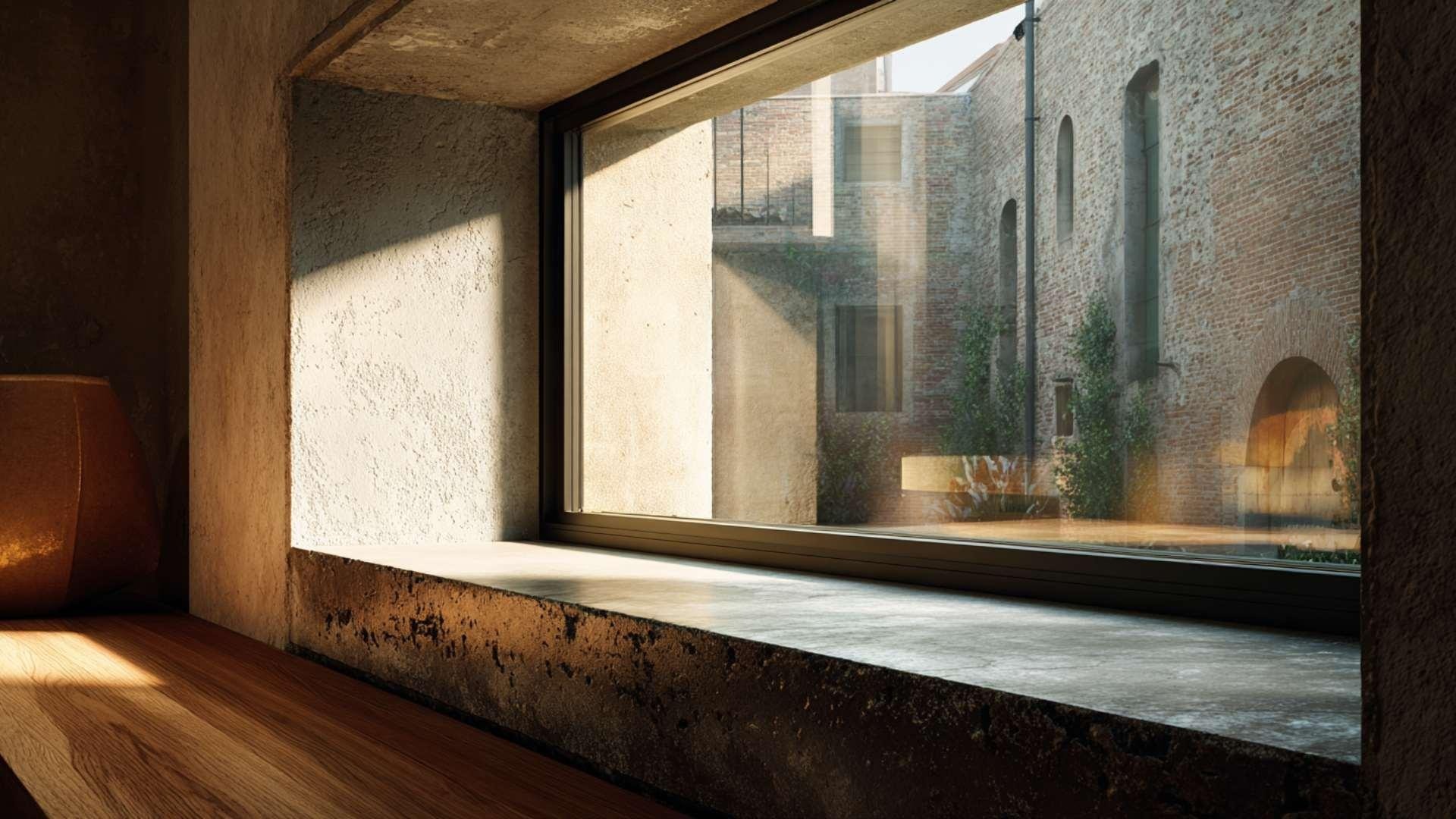
The sill is already furniture — before you even place a vase.
When the reveal allows an internal seat of 35–45 cm, the window stops being only "light in your face" and becomes a nook: you can read, look out without exposing yourself to the street like on a stage, set down a coffee. Depth is privacy and welcome together.
In renovation, shaving centimetres off the sill to "gain" room is often a mistake paid in quality of life.
AI Generated Content
View
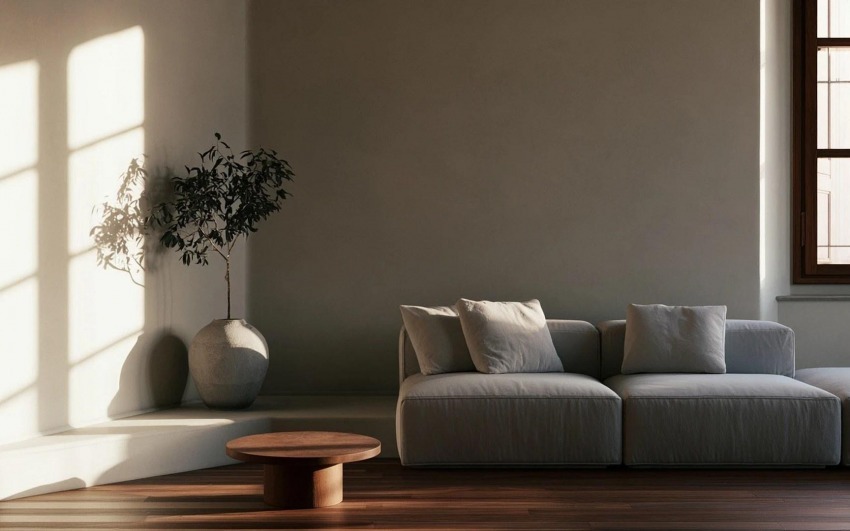
The frame cuts the landscape: choosing what to exclude is design.
Slim frame vs heavy frame, opening angle, sill height: these aren't details for the window supplier alone. They decide how much sky and how much pavement enter the room. A low, wide window tells a horizontal story; a tall, narrow one frames a piece of sky like a painting.
Interior design should run a test: sit where the client will sit — not only on the floor plan.
_42291ce73c_.jpg)
AI Generated Content
Seat
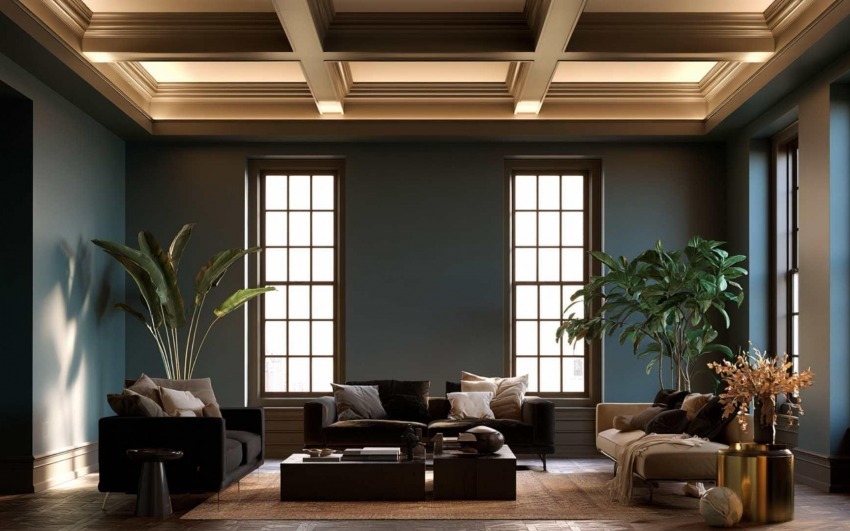
Cushion, wood, stone: the sill material says how inviting that space is.
Warm wood, cool but solid stone, washable cushion: each choice tunes how often the nook is used. A "transit" sill stays a dump; a sill designed as seating stays part of the room.
_72bcbca6d1_.jpg)
AI Generated Content
Shade
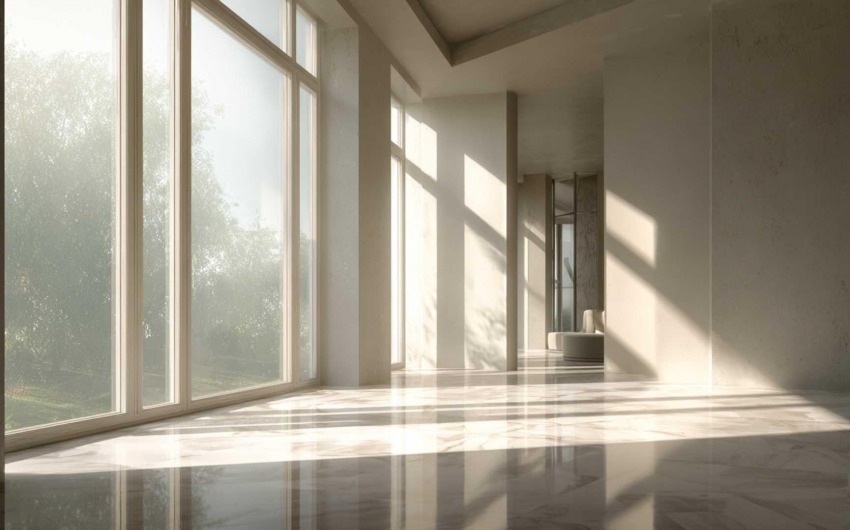
Curtain, shutter, double glazing: they filter rhythm, not only privacy.
Blacking out completely for sleep shouldn't erase the possibility of grazing daylight. Layering — shutter plus sheer, or double track — lets you move from a "public" scene to a "private" one without cancelling the window as a designed object.
_3f9a8d66d1_.jpg)
AI Generated Content
Further reading
On the IDW blog: Light and Shadow: The Role of Chiaroscuro in Contemporary Interiors — how the contrast between light and shadow adds depth, character and atmosphere to interior spaces.
Partner: Mottura — Italian-designed indoor and outdoor curtain systems: tracks, mechanisms and solutions for layering light and privacy in every space.
_14077b47db_23.jpg)
Interior Designer since 1985
CEO & Founder, Italian Design in the World