3/20/2026
March, with the days lengthening and the angle of the sun changing, is the right time to observe how light moves through our spaces. Understanding the rhythm of the day — where it shines in the morning, at noon, at dusk — makes it possible to put the right functions in the right places and to reduce dependence on artificial light.
_c3ea9a6985_.jpg)
AI Generated Content
North, South, East, West: what it means for each room
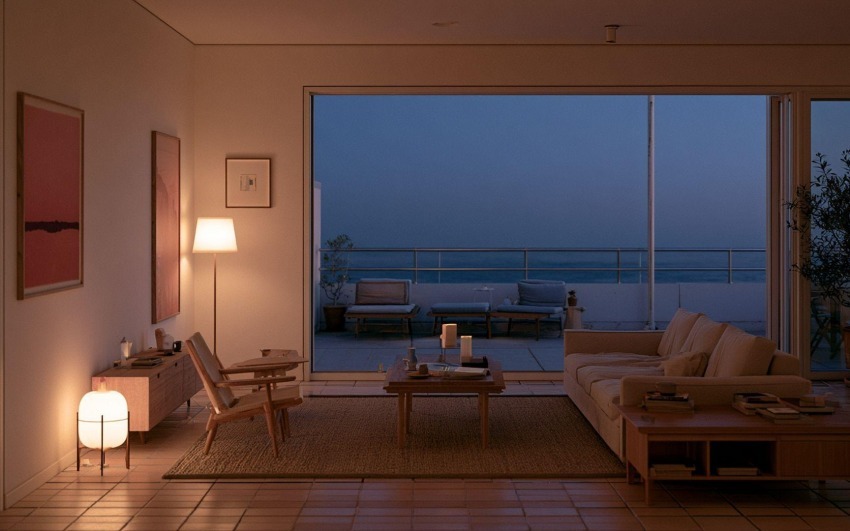
Each orientation has different characteristics. Facing north light is constant but cold and never direct: ideal for studios, studies, kitchens where you don't want sun on the worktop. Facing south the sun is strong and high in summer, low in winter: shading (curtains, brise-soleil, pergolas) is needed to avoid overheating. Facing east you get soft morning light, ideal for bedrooms and bathrooms. Facing west the afternoon sun is warm and intense: perfect for living rooms used in the evening, but to be managed in summer.
There is no single "best" orientation: what matters is the fit between orientation, use of the room and climate. An east-facing bedroom wakes with the light; a west-facing living room offers sunsets but needs ventilation and shade.
_8119c71d84_.jpg)
AI Generated Content
_b2ee735ae4_.jpg)
AI Generated Content
Shadows that shape: not just "more light"
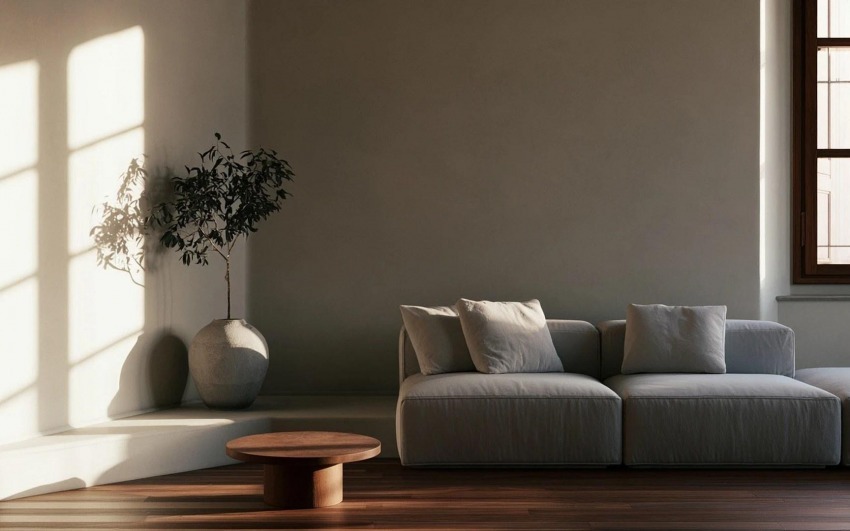
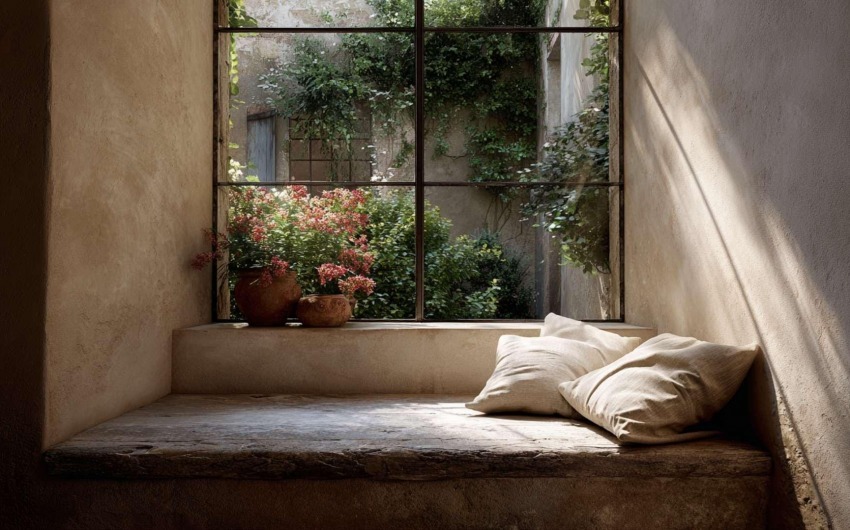
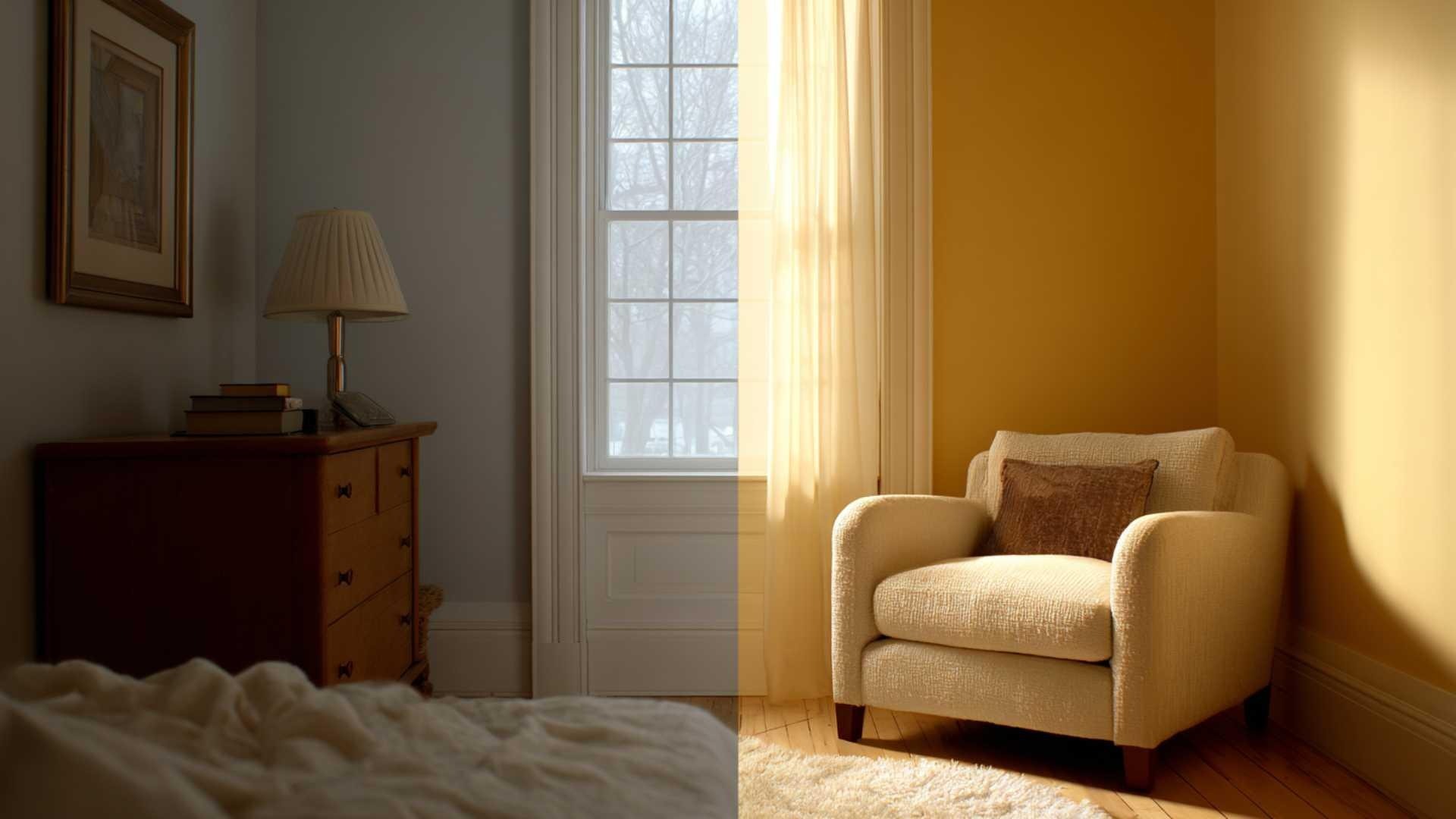
The temptation is to think that "more light" always means "better". In reality it's shadows that give depth, rhythm and character to a space. A room that's always evenly lit feels flat; a room where light moves during the day creates different moments — a corner in half-light in the morning, a wall lit in the afternoon.
Designing with natural light also means designing shadows: where they fall, how they move, how we control them with curtains, shutters or screens. In some spaces we want protection (office, bedroom); in others we want the movement of light (living room, entrance).
_b98a000f52_.jpg)
AI Generated Content
_c699c9338e_.jpg)
AI Generated Content
Seasons and hours: the rhythm that changes
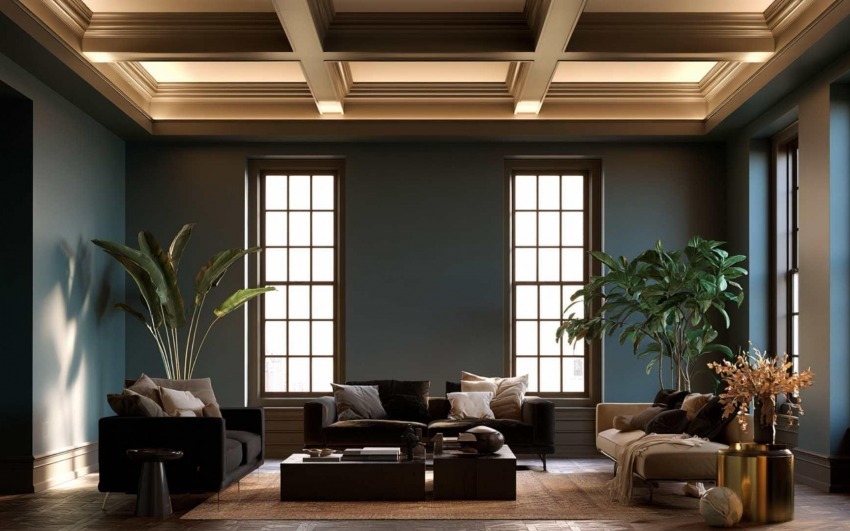
The angle of the sun is not the same in winter and summer. In winter the sun is lower and penetrates deeper; in summer it's high and hits horizontal surfaces most. A well-designed window can use this: deep light in winter, natural shading in summer thanks to a sill or brise-soleil.
Accepting that the home is not the same at every hour and in every season is a step towards more conscious living. Natural light is not an aesthetic optional: it's the rhythm our bodies have been used to for millennia. Designing with it restores the link between the house and real time.
_89270c45d9_.jpg)
AI Generated Content
AI Generated Content
The sun as first designer
Before furniture, before palettes and materials, there is the sun. Anyone designing or renovating has the chance to put orientation and natural light at the centre of choices: where to put the dining table, the sofa, the study. The result is a livelier home, easier to read over the day and the year — and often cheaper to light and cool.
_4b87888271_.jpg)
AI Generated Content
Further reading
On the IDW blog: Energy Efficiency with Style: Designing Green Interiors Without Sacrificing Aesthetics — smart design, eco materials and energy-saving strategies with style.
Partner: Laminam — large format, minimum thickness ceramic surfaces for architecture, interior design and furnishings.
_14077b47db_23.jpg)
Interior Designer since 1985
CEO & Founder, Italian Design in the World