6/26/2026
The shaded side of the home
AI Generated Content
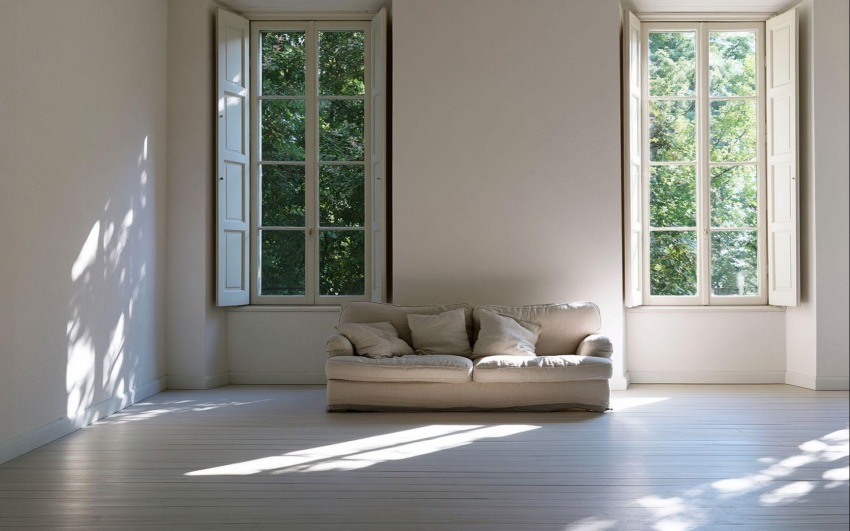
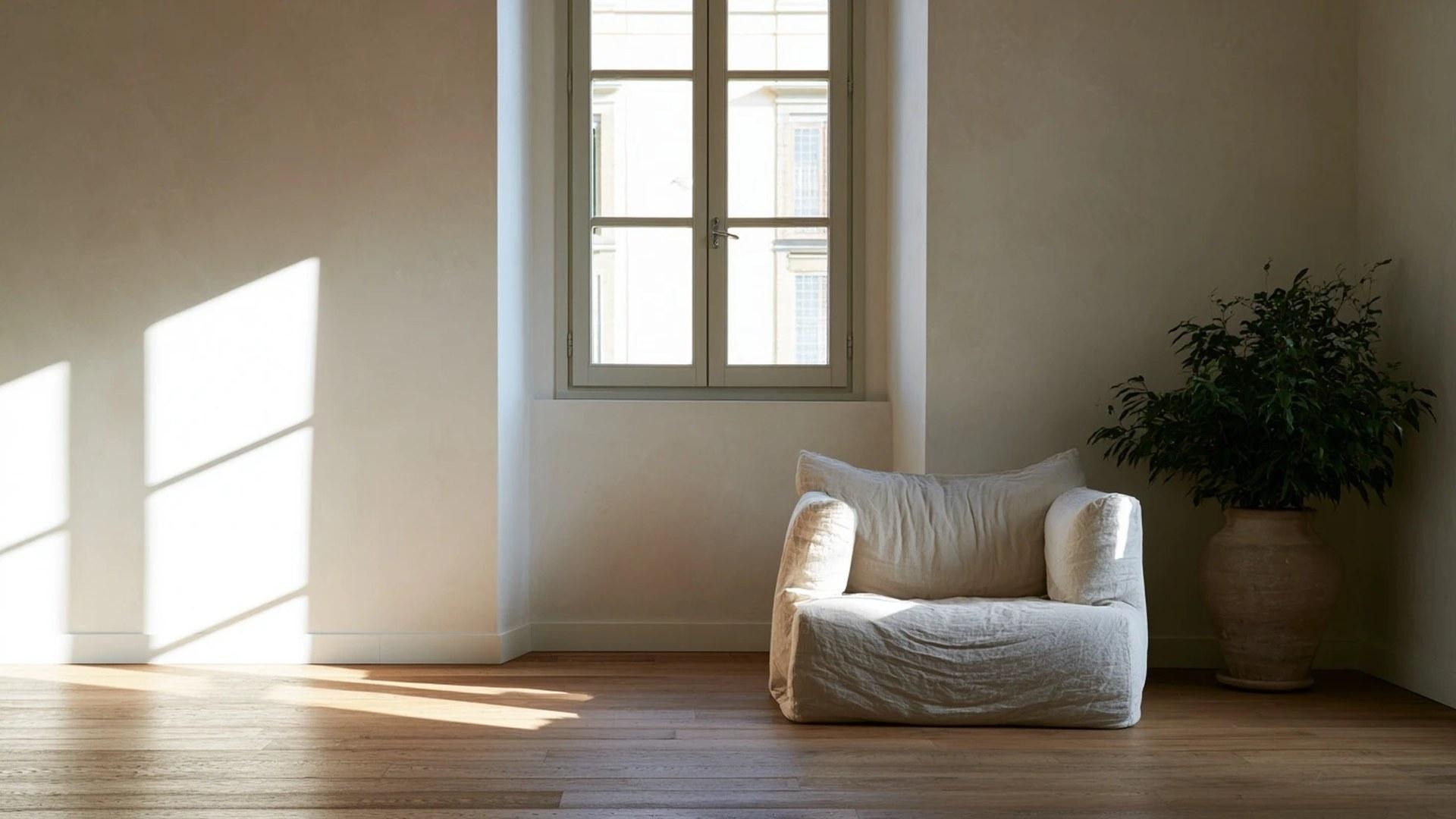
There are hours, between noon and early afternoon, when a south-facing home stops being welcoming. Light turns into mass, the floor burns, colours wash out. In those moments we instinctively look for the shaded side, the north room, the cool corridor. It is a domestic geography the body knows long before the floor plan does.
Designing shade means giving this geography its due instead of enduring it. A home made for summer always keeps a refuge: a darker room, a few degrees cooler, where you retreat in the worst hours. It is the room that lets all the others stay bright without becoming unliveable.
Screening the light without switching it off
AI Generated Content
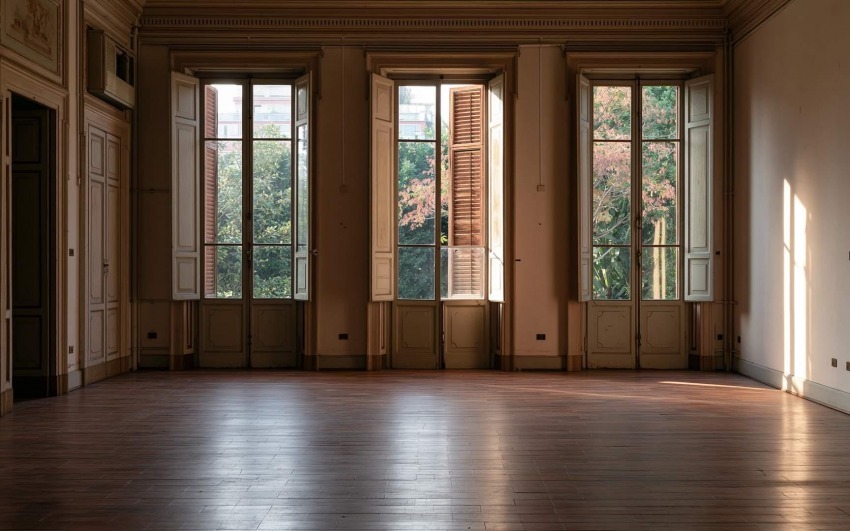
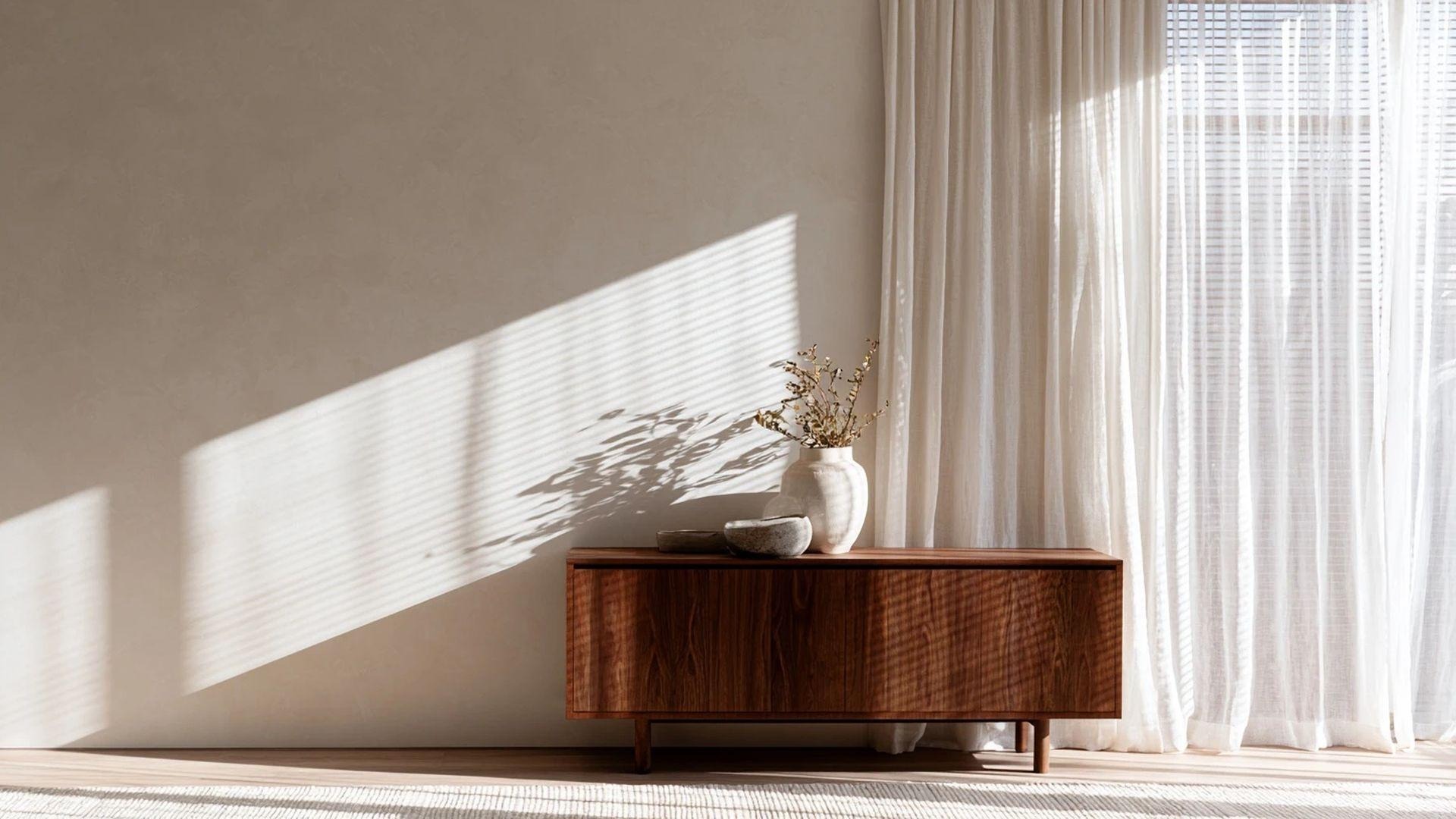
Between the open window and the closed shutter lies a whole vocabulary of middle settings: technical blinds, voiles, adjustable louvres, brise-soleil, selective glazing. Each cuts a different share of radiation and lets through a different quality of light. Raw linen diffuses, an aluminium louvre directs, a pale voile fills the room with an even glow.
The difference is felt on the skin and seen on the surfaces. Screening well means keeping the view outside, holding the room bright and stopping the heat before it enters through the glass. It is fine-tuning work, to be adjusted by orientation and hour: closer to operating an instrument than to placing an accessory.
Shade has a temperature
AI Generated Content
Shade is not only less light: it is also fewer degrees. A room screened at the right moment stays cooler than an identical one left to the sun, with nothing switched on. Material inertia matters, surface colour matters, and above all it matters to stop the radiation outside the glass rather than after it.
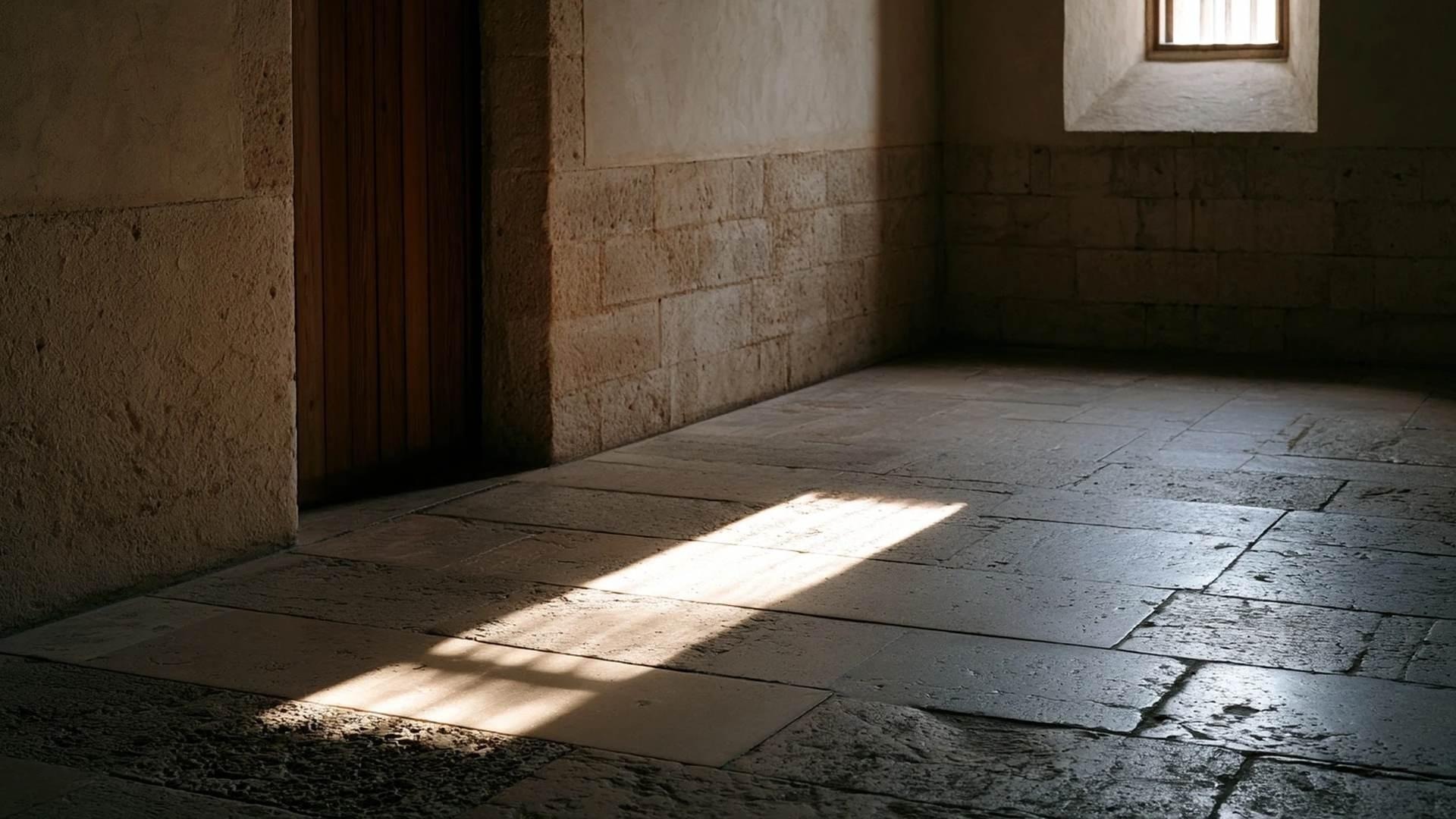
There is also a perceived temperature, made of low light and soft contrast. Well-built shade slows your movements, invites you to stay, lowers your voice. It is the condition of country houses in the afternoon, of cloisters and churches: spaces that stay cool because someone, long before us, designed the shade with the same care as a room.
The shade that walks across the room
AI Generated Content
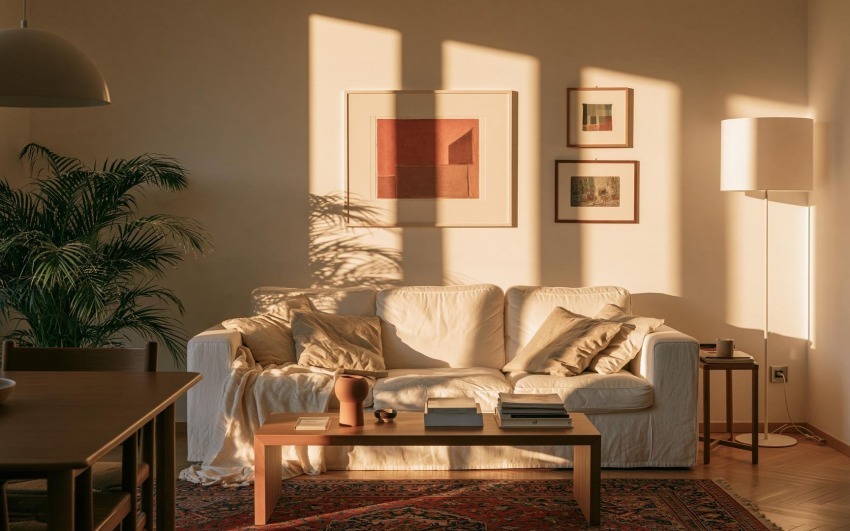
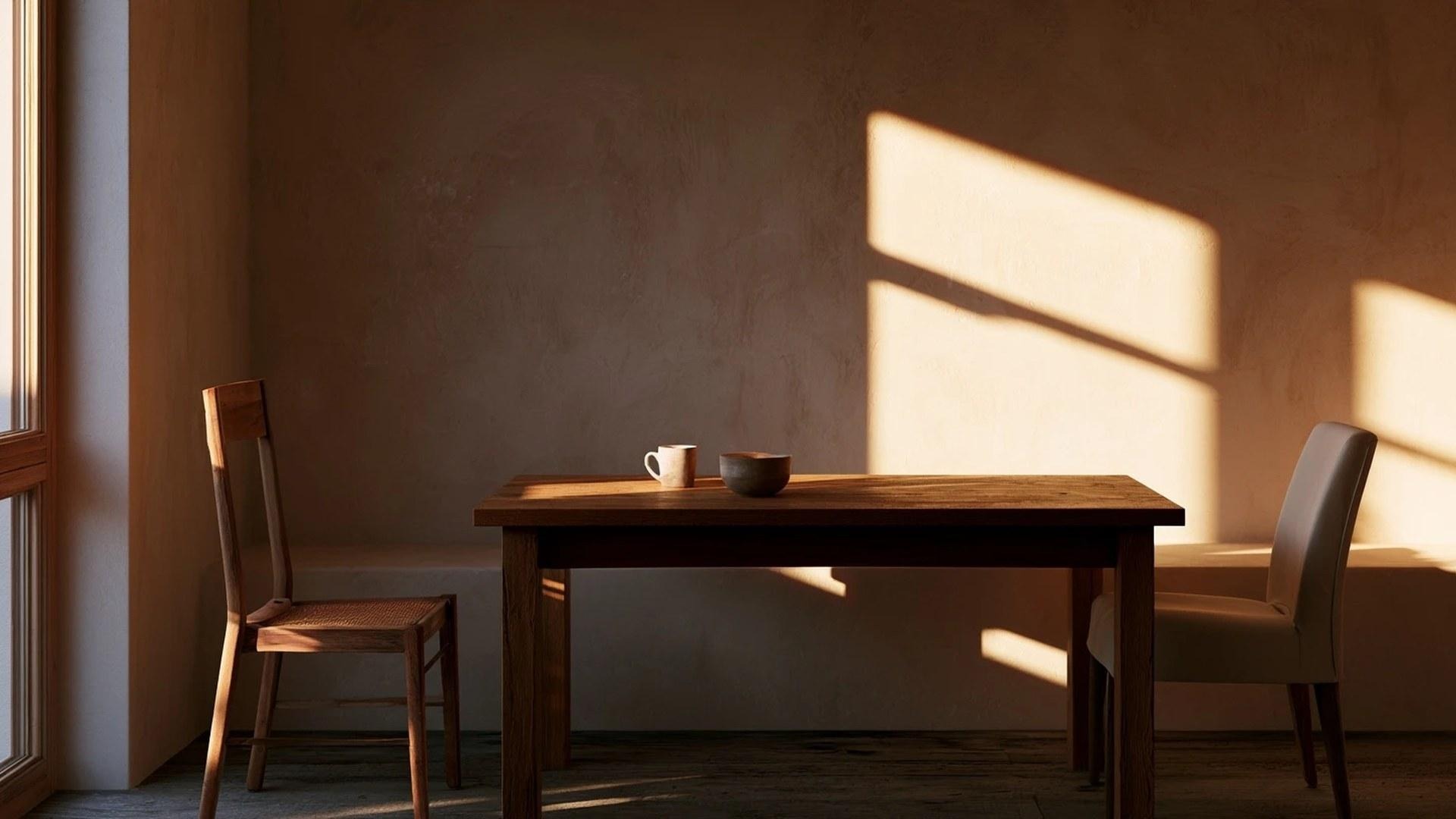
Unlike artificial light, natural shade moves. The blade that splits the table at noon has slid onto the wall by seven. A home that works with the sun accounts for this drift: it places the sofa where the shade reaches in the afternoon, leaves a corner to the morning sun for breakfast, protects the dining area in the hot hours.
It is a way of living that brings time back into space. Rooms change character through the day, and the home, instead of staying the same under a flat light, breathes with the hours.
In our showroom
AI Generated Content
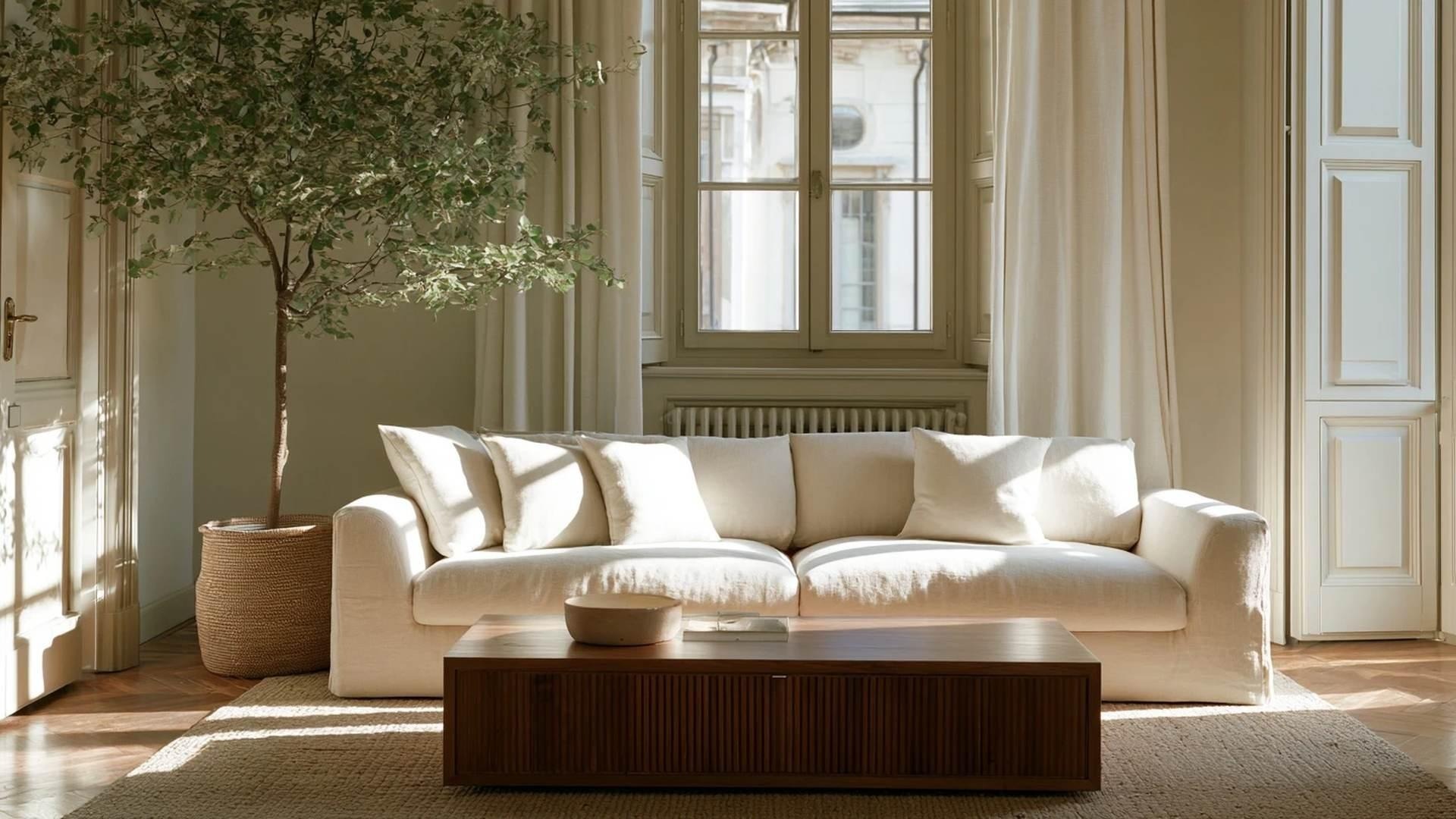
Designing shade is a decision taken long before the curtains: it concerns orientation, glazing, screening, materials and their colours. In our showroom we start here, from the question that matters most in summer: where will you be, at home, at three in the afternoon in July. Everything else follows from that answer.
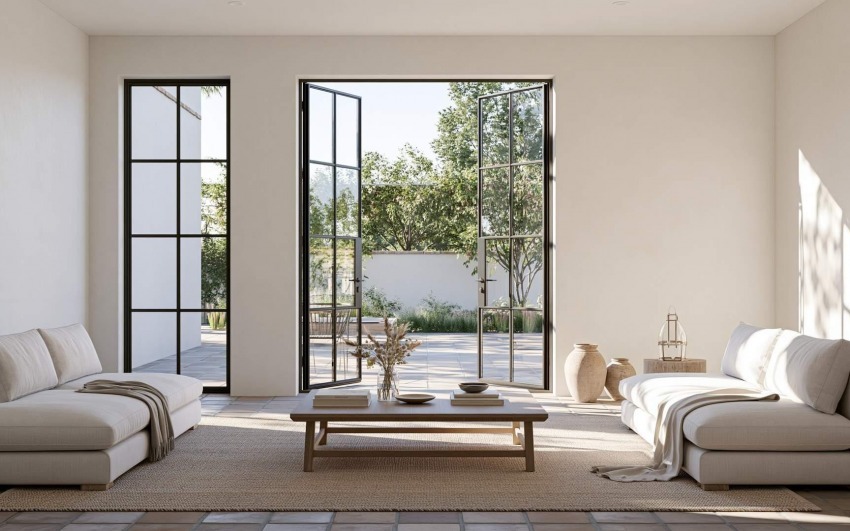
Read more: Deep windows, sills, seating, side light and Albed glazed doors and partitions that modulate light between rooms.
_14077b47db_23.jpg)
Interior Designer since 1985
CEO & Founder, Italian Design in the World