7/31/2026
The blue hour
AI Generated Content
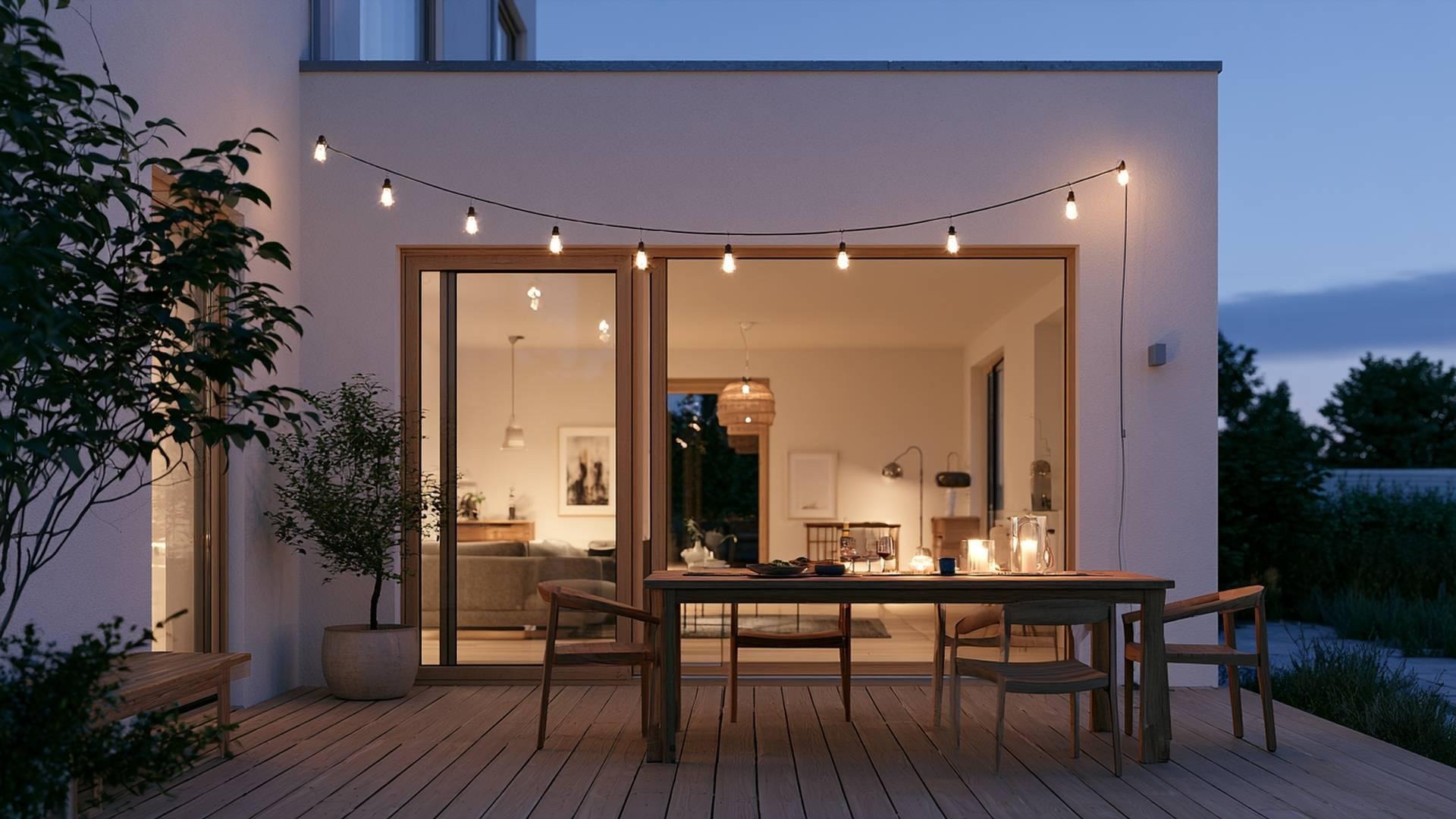
Between sunset and darkness, in summer, there is a long, gentle time when the sky stays bright and the air cools. It is the hour when you step onto the terrace, set the table outside, sit on without switching anything on. An attentive home recognises this moment and lets it happen, instead of cancelling it under full light.
Designing the evening means respecting that dusk: keeping the lights low while the sky still allows it, switching them on sparingly and by degrees. The rush to illuminate erases the finest hour of the day.
Low, warm, focused light
AI Generated Content
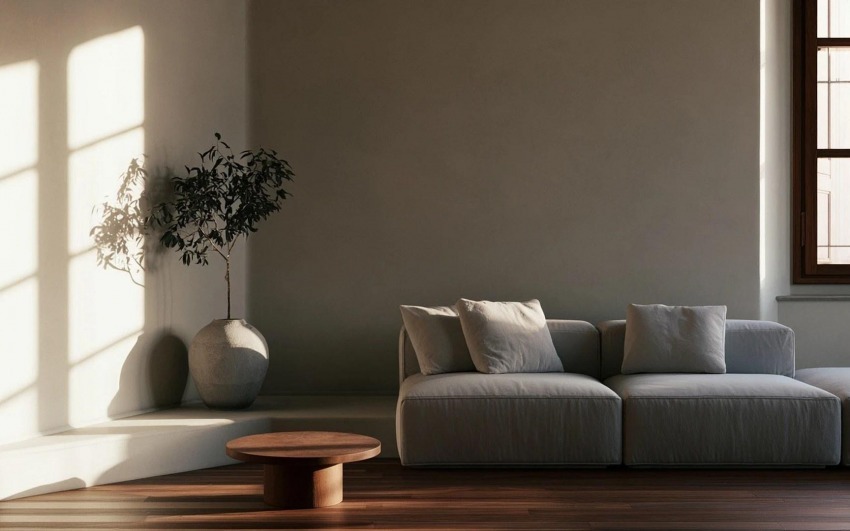
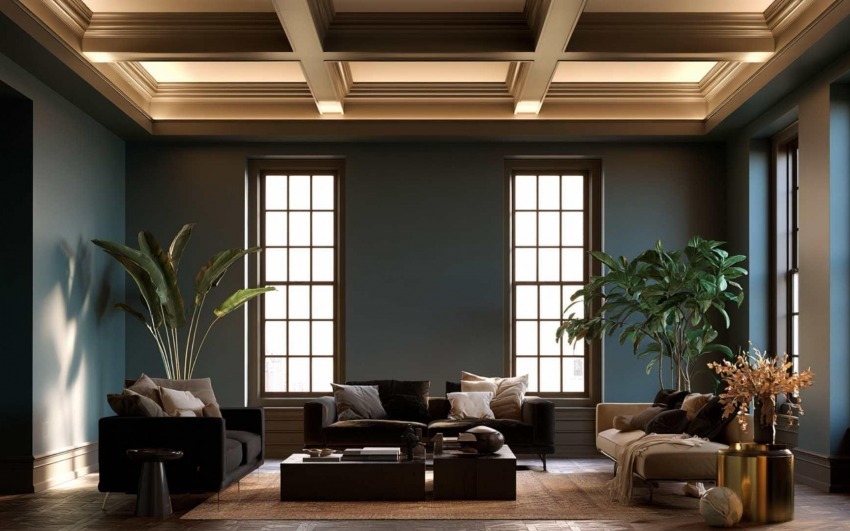
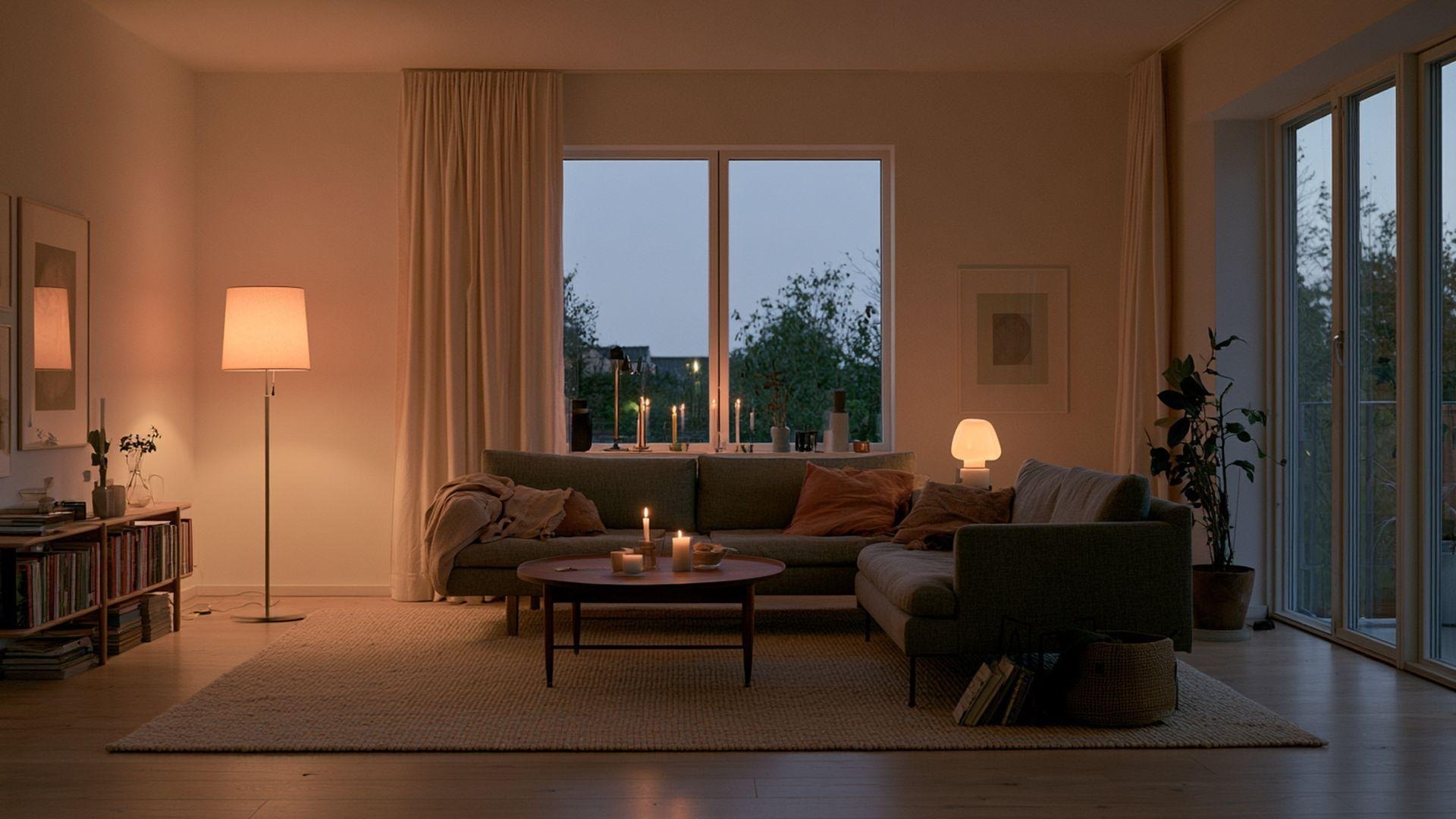
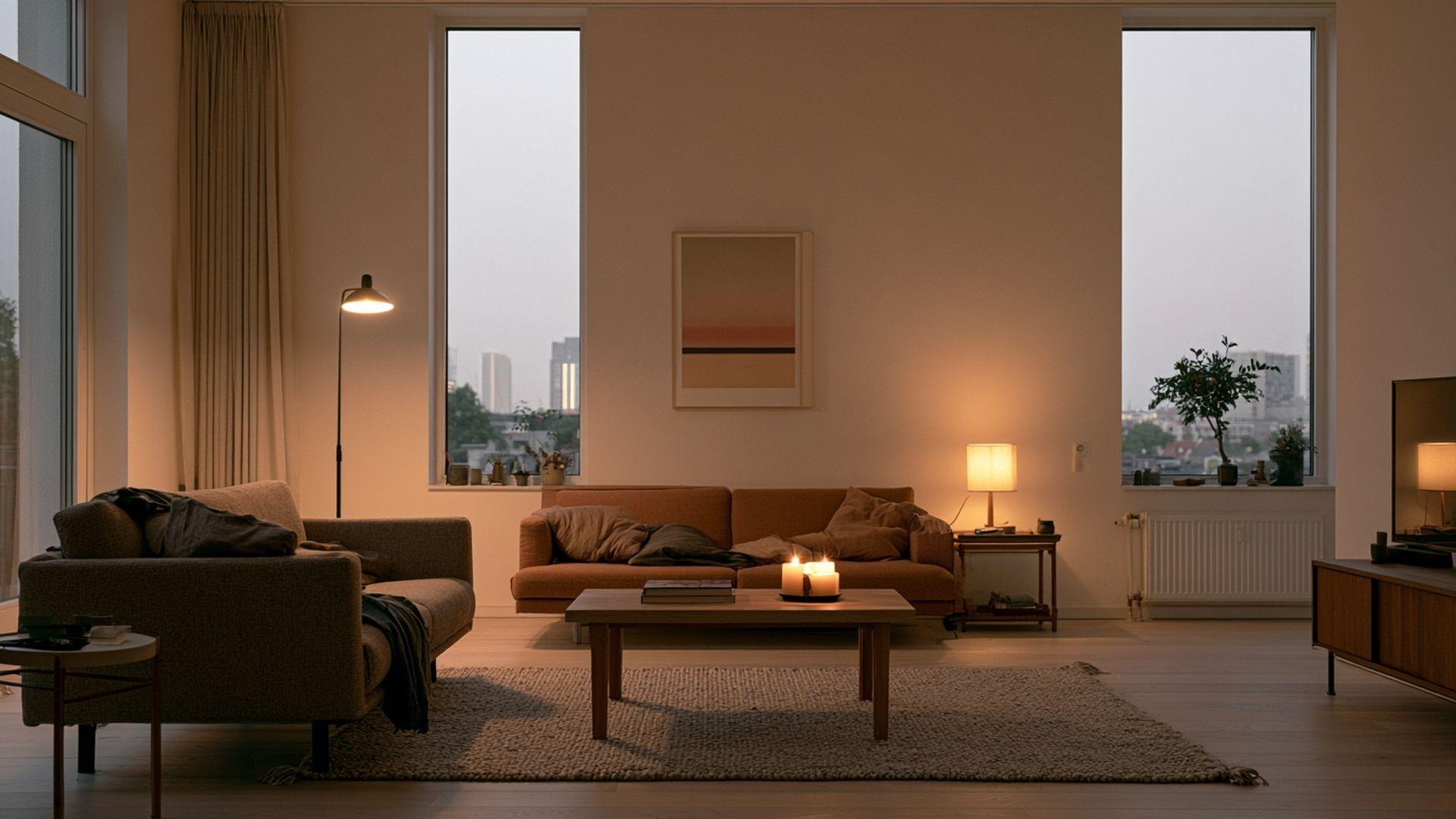
When darkness arrives, how you switch on matters. A single ceiling light in the centre flattens everything and glares; a series of low light points, floor lamps, table lamps, candles, builds a scene made of zones and warmth. Warm light, around 2700 kelvin, relaxes and makes the evening feel longer.
AI Generated Content
The rule is simple: many weak sources instead of one strong one. You light where it is needed, leave the rest in shadow, and an ordinary room becomes a place where you want to stay.
Inside and out, the same light
AI Generated Content
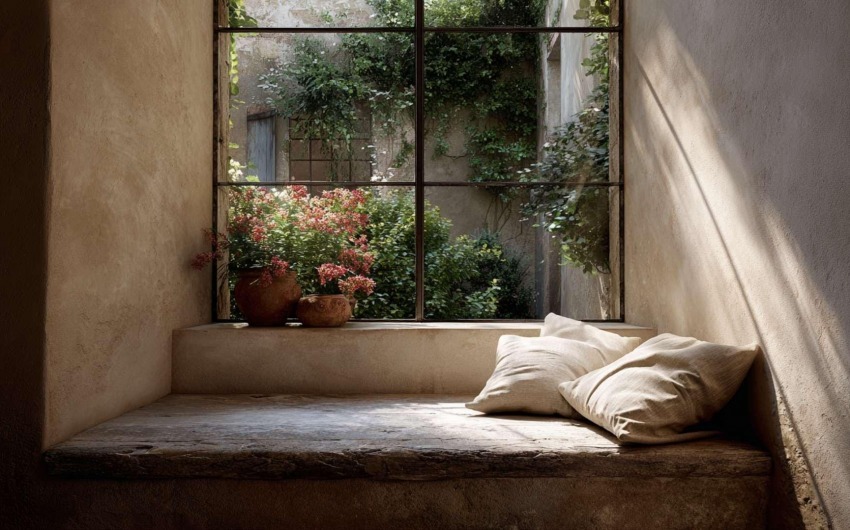
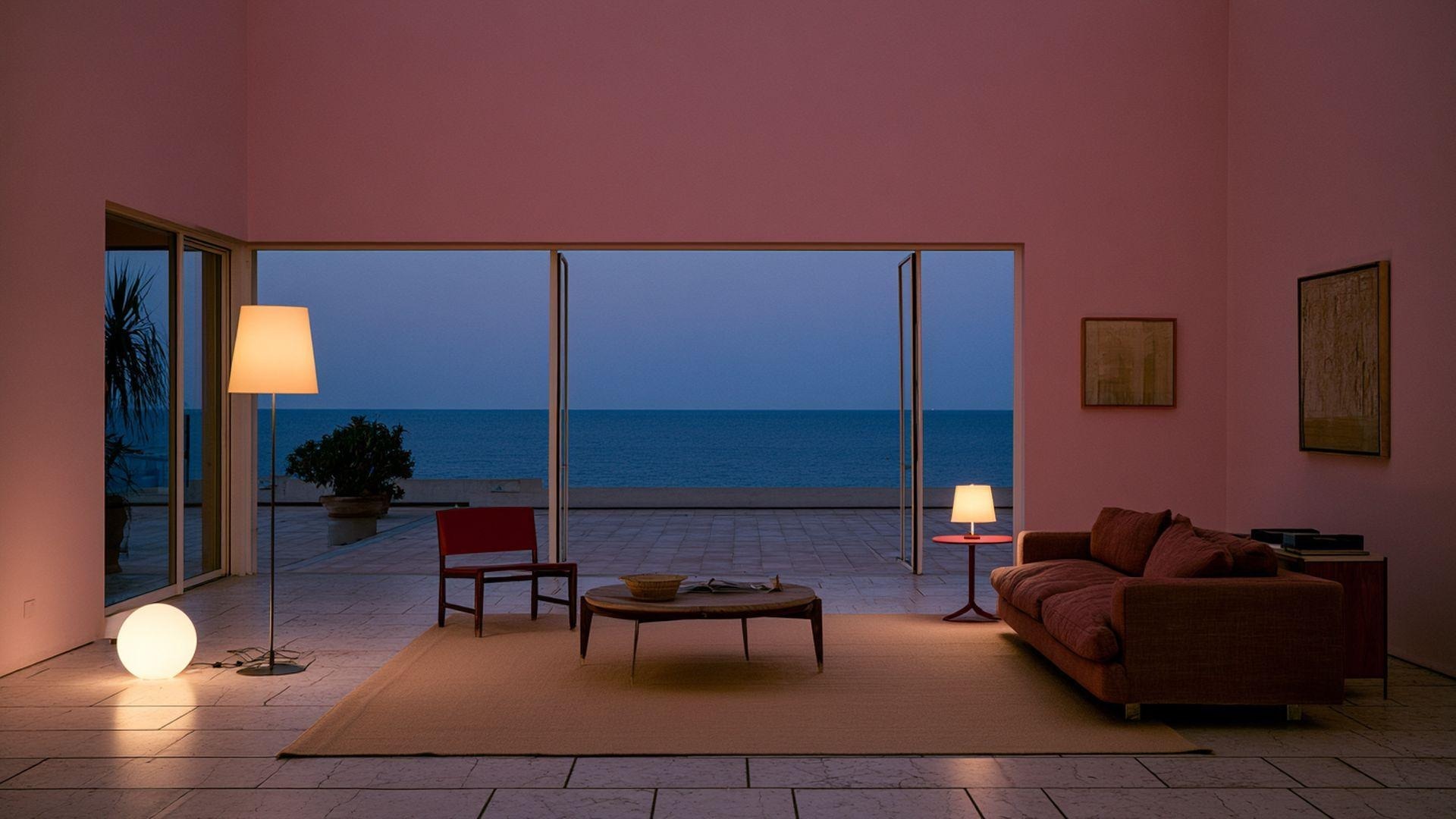
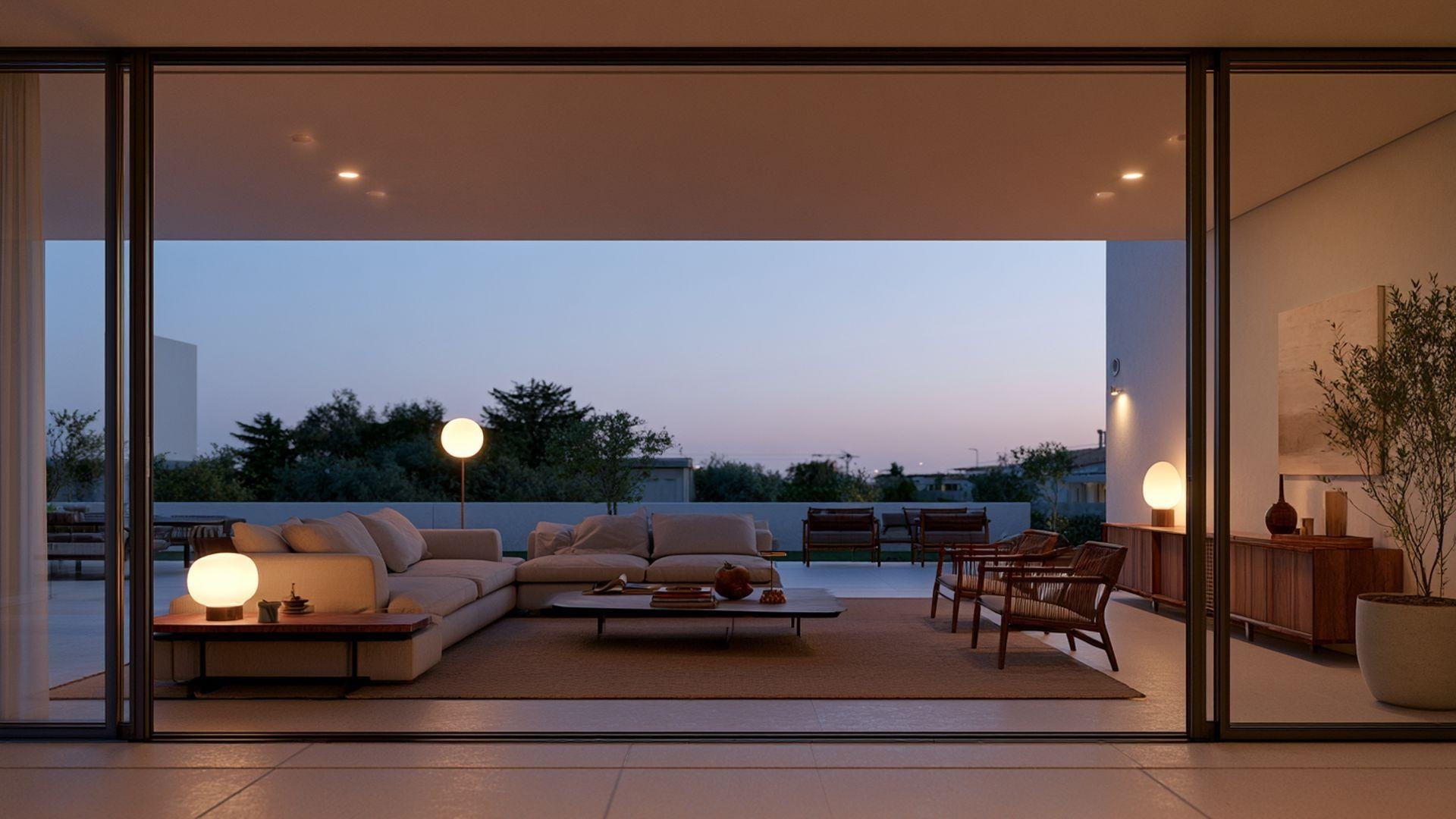
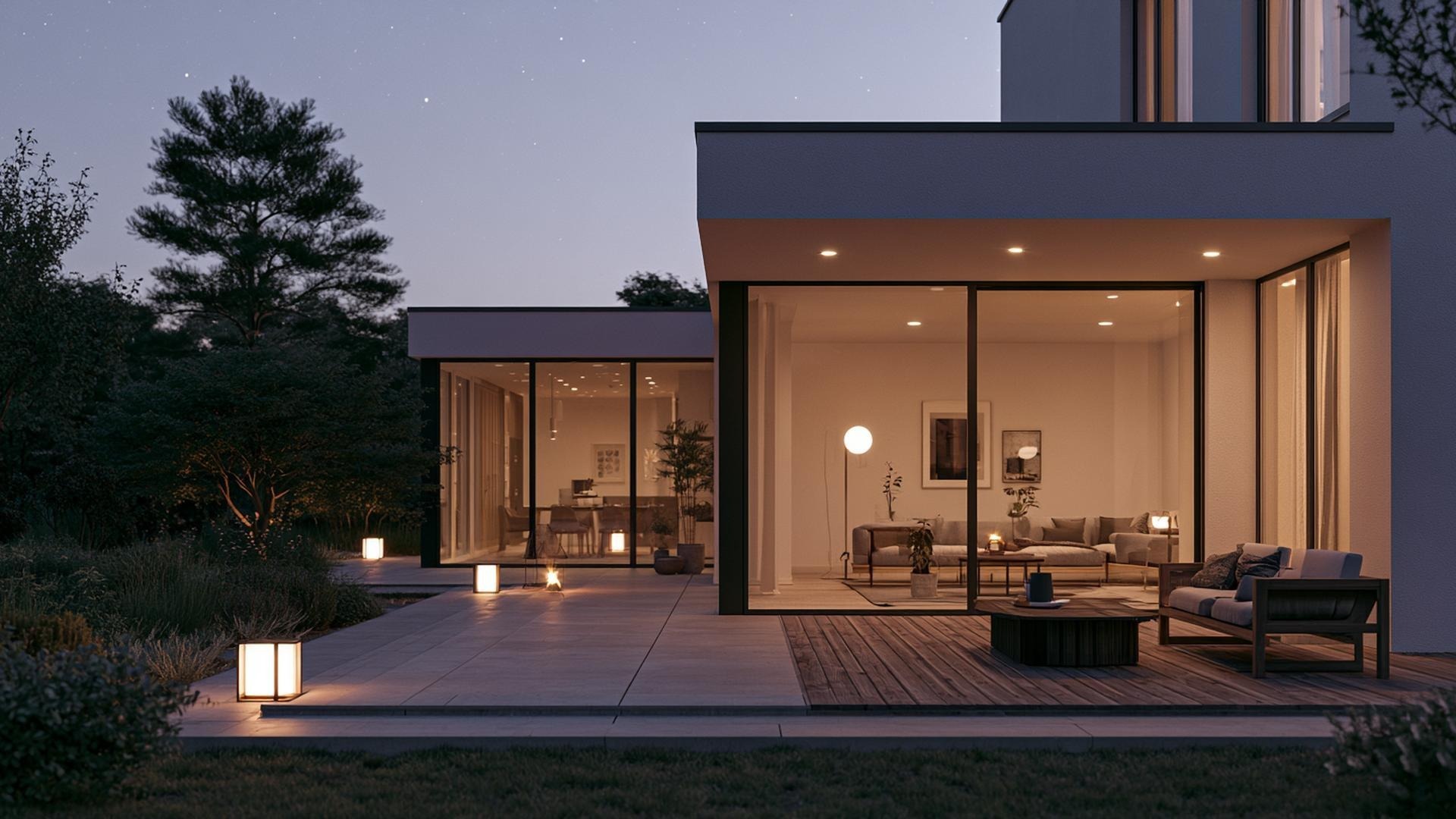
In summer the boundary between inside and outside thins. If the terrace light and the living-room light speak the same language, warm, low, coordinated, the eye flows without snags and the home feels larger. An outdoor lamp chosen with the same care as an indoor one creates continuity, not a break.
AI Generated Content
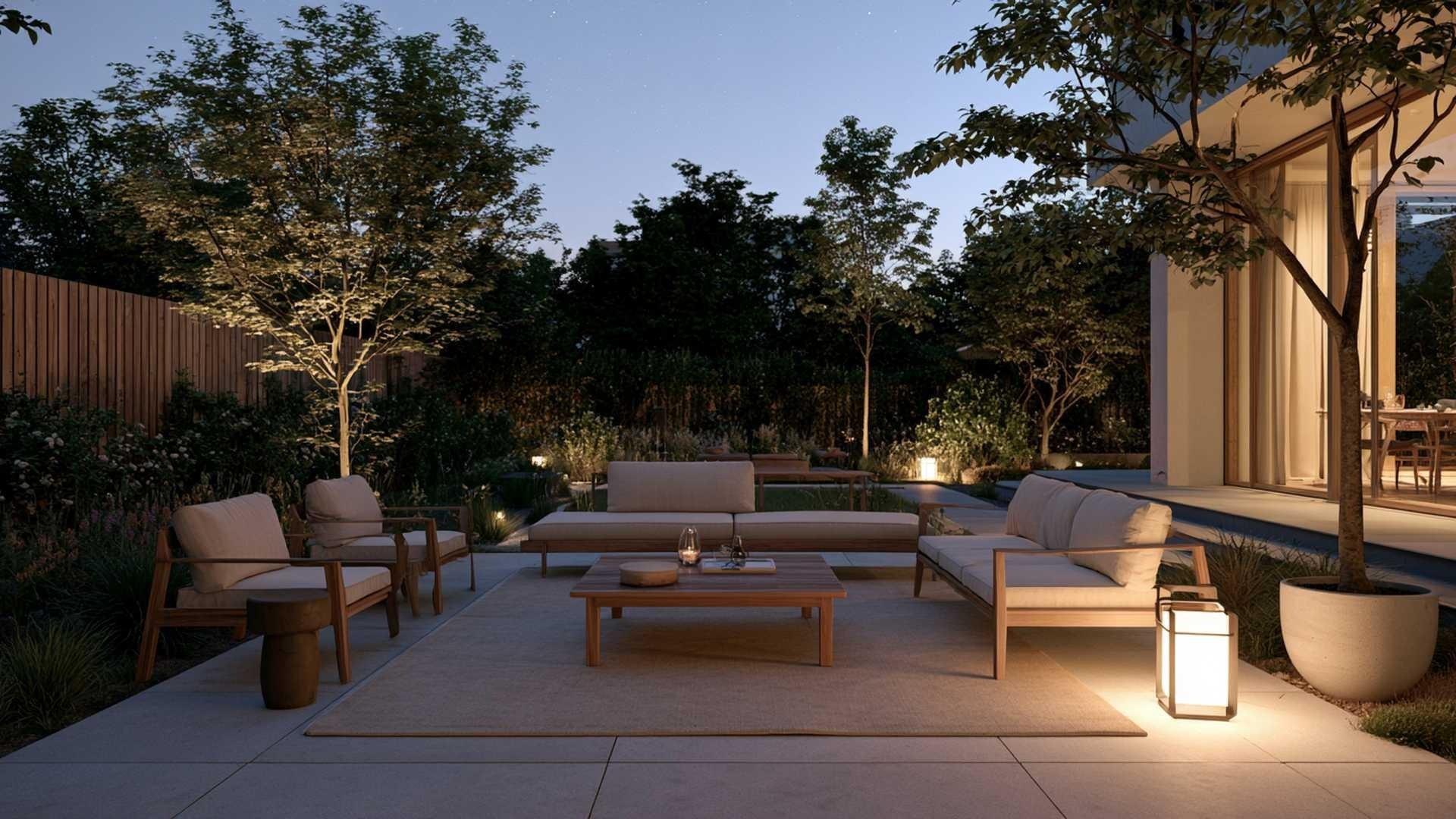
Caring for the outside light means extending the home into the season we live outdoors the most. A well-lit corner of garden is worth, in summer, as much as an extra room.
Switching off to see
AI Generated Content
Evening light needs its opposite. Without zones of darkness, a summer terrace loses the fireflies, the stars, the distant glow of the city. Switching off becomes a design choice: leaving unlit corners, screening the points that are too strong, avoiding turning the garden into a shop window.
AI Generated Content
Good evening lighting also knows where not to put light. It is in those spaces left dark that the summer evening finds its magic again.
In our showroom
Evening light is designed in layers: different sources, adjustable intensities, warm temperature, continuity between inside and out. In our showroom we test fixtures switched on, reason about light points room by room, and think about the terrace too, because in summer that is where the home spends its best hours.
Read more: Colour in the room: when to choose and when to step back and Vesoi fixtures for atmospheric light indoors and out.
_14077b47db_23.jpg)
Interior Designer since 1985
CEO & Founder, Italian Design in the World