10/02/2026
The October ritual
AI Generated Content
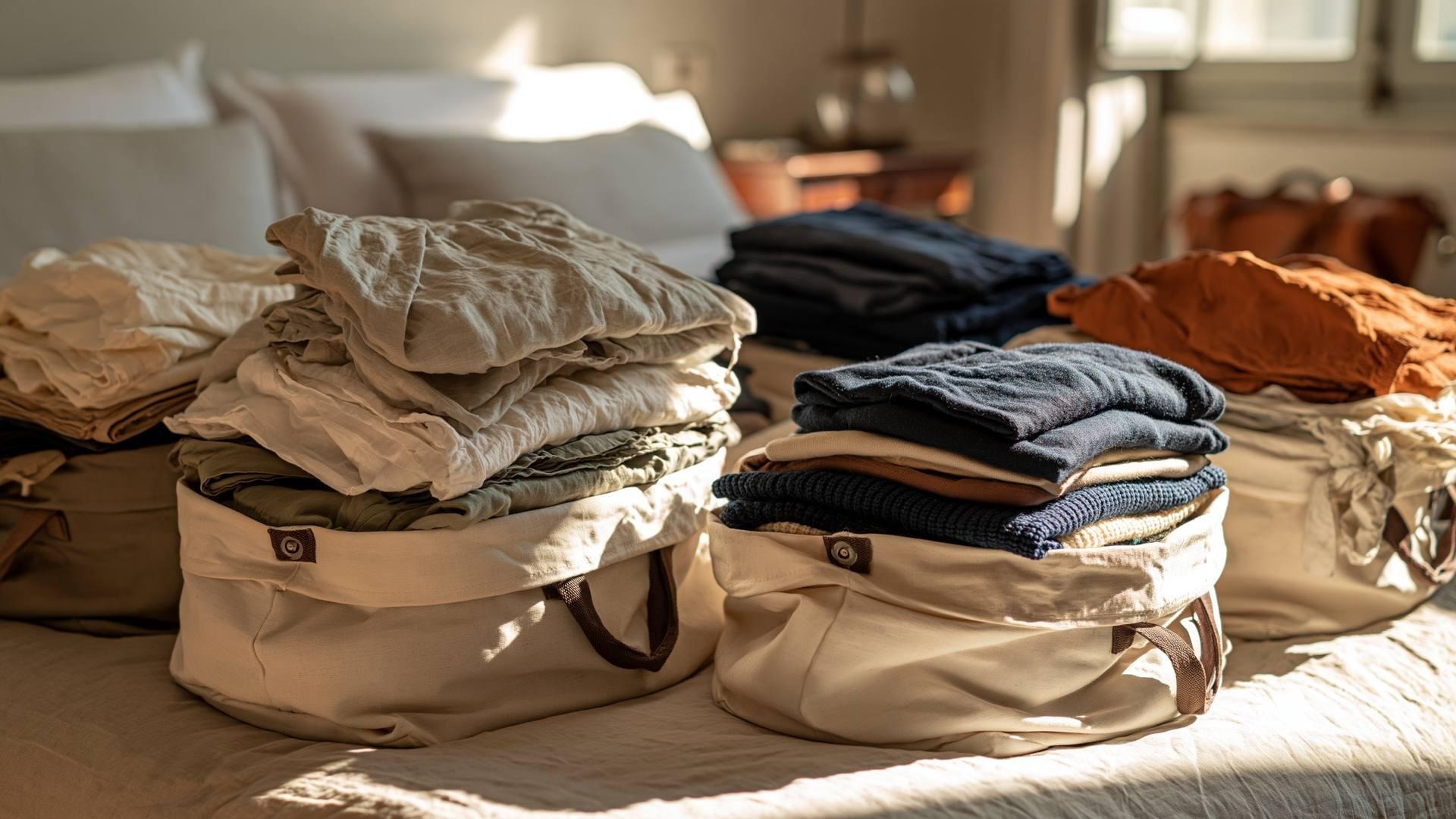
The change of season usually takes up a whole Saturday, made of bags opened on the bed and piles rising on the floor. It is almost always done in a hurry, moving things from one place to another without asking whether that place works.
AI Generated Content
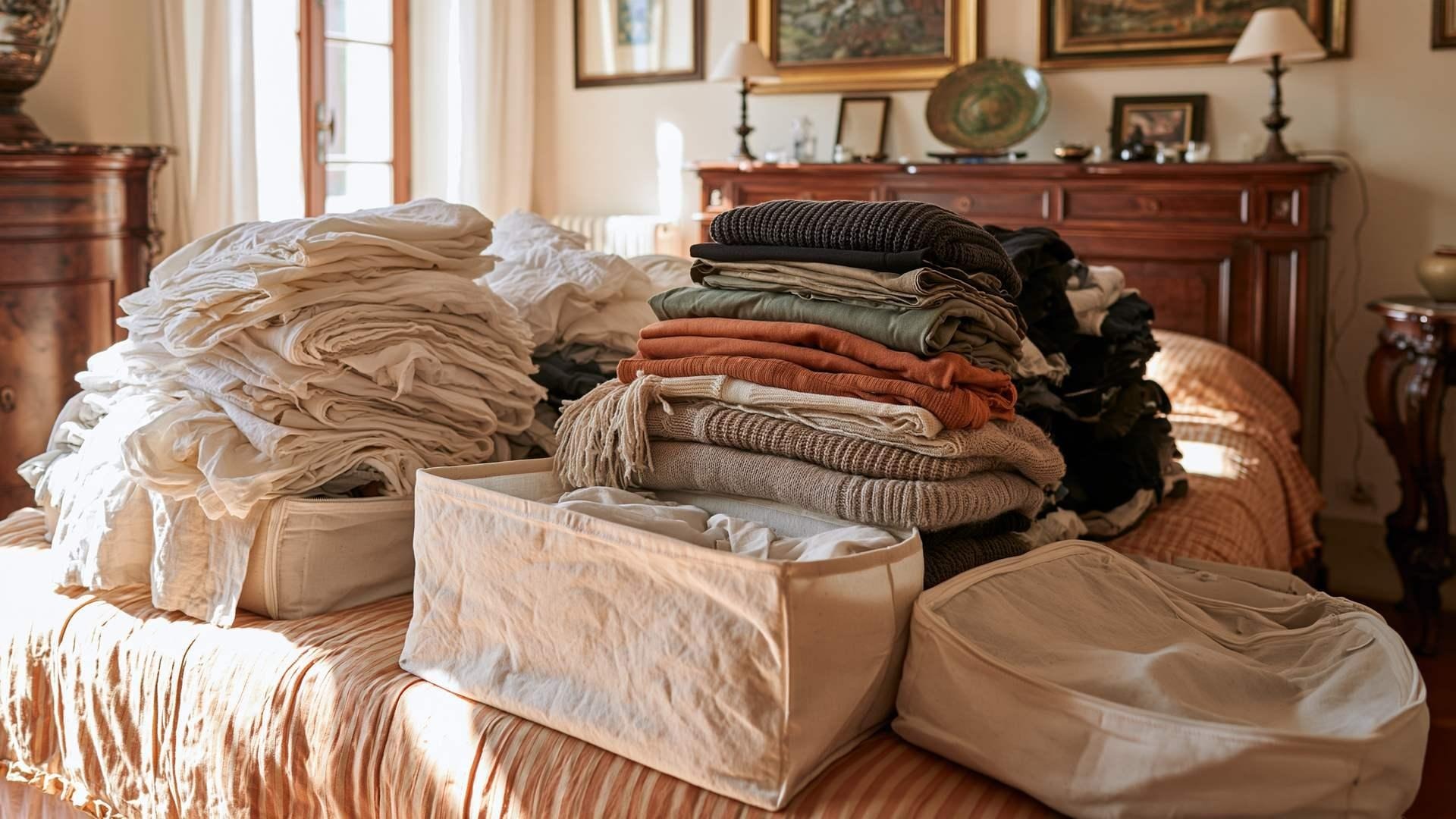
Yet it is the only moment of the year when you hold, one by one, every item of clothing you own. It is worth using it to look at the furniture that holds them too: if the effort is the same every October, the problem rarely lies in the clothes.
Taking stock
AI Generated Content
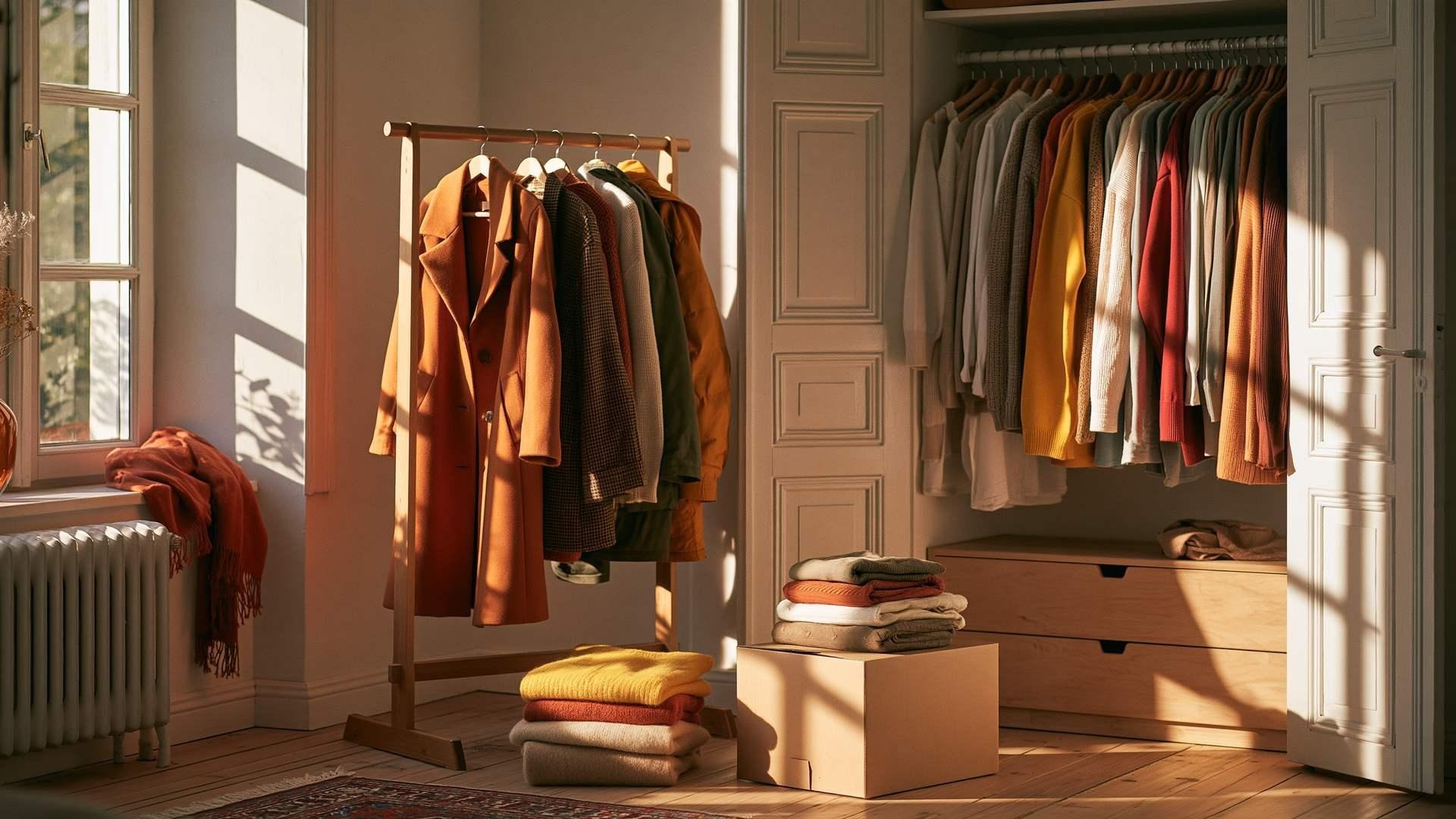
Before putting anything away, it pays to count. How many coats are really worn, how many jumpers have stayed folded for two winters, which summer pieces reached September without ever being put on. The inventory tells you how much space you need, and it is almost always less than you think.
What has not been worn for two seasons can leave the house or go into a separate box. A wardrobe filled to eighty per cent is used well; one filled to a hundred per cent is used only in part, because whatever sits at the back stops existing.
The measurements of a wardrobe
AI Generated Content
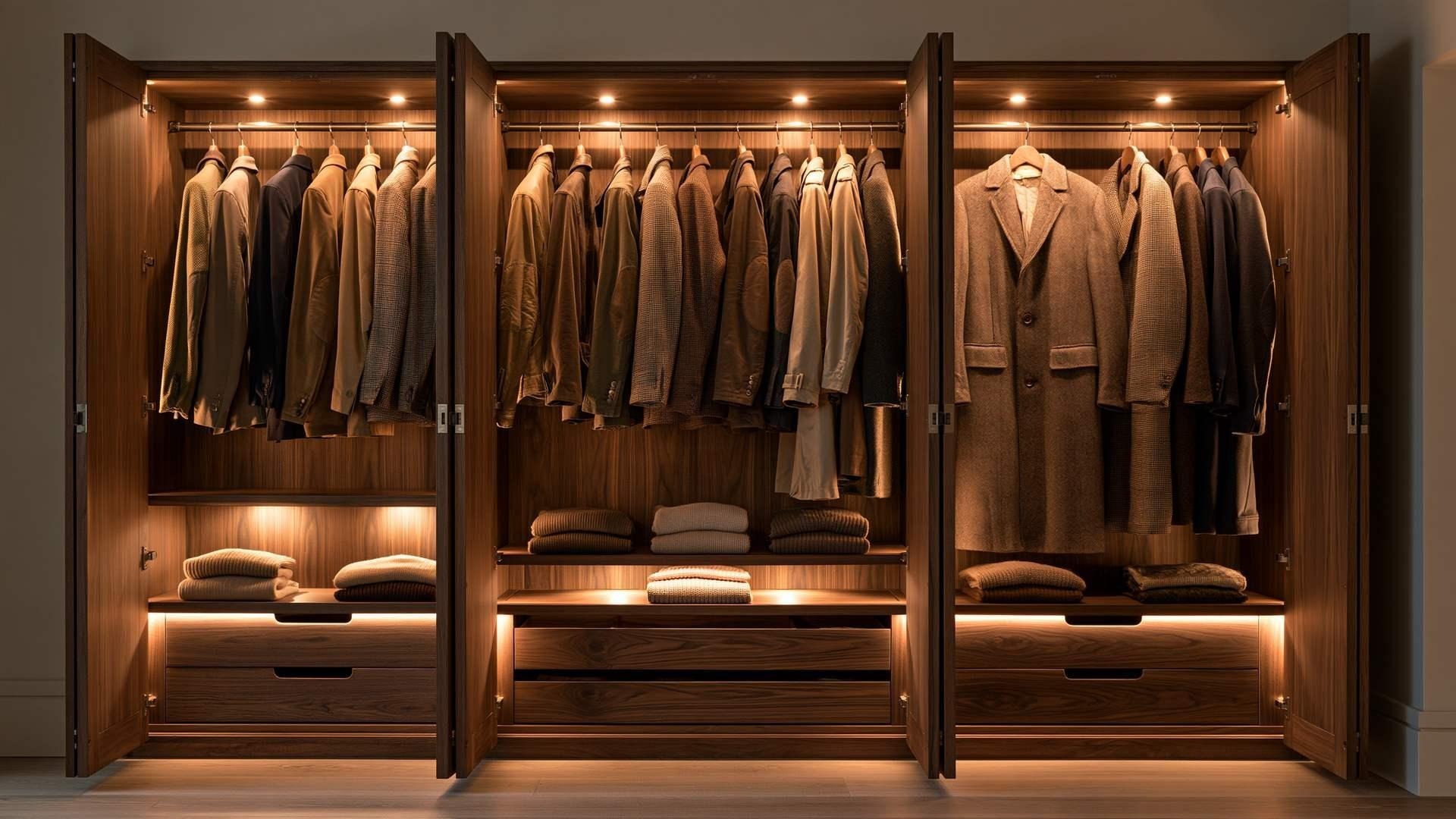
A good wardrobe is made of precise measurements. The useful internal depth for hanging is around 58 to 60 centimetres, because a jacket hanger is about 45 centimetres wide and needs to turn without touching the doors. Shirts, jackets and trousers folded over a hanger need about 100 centimetres of clear height; coats and long dresses ask for 150 to 160.
For jumpers, shelves work better than deep drawers: 30 to 35 centimetres between one shelf and the next allows low piles that do not collapse when you pull out the piece at the bottom. Drawers are for underwear, socks and accessories, everything small that gets lost on a shelf.
What goes up high
AI Generated Content
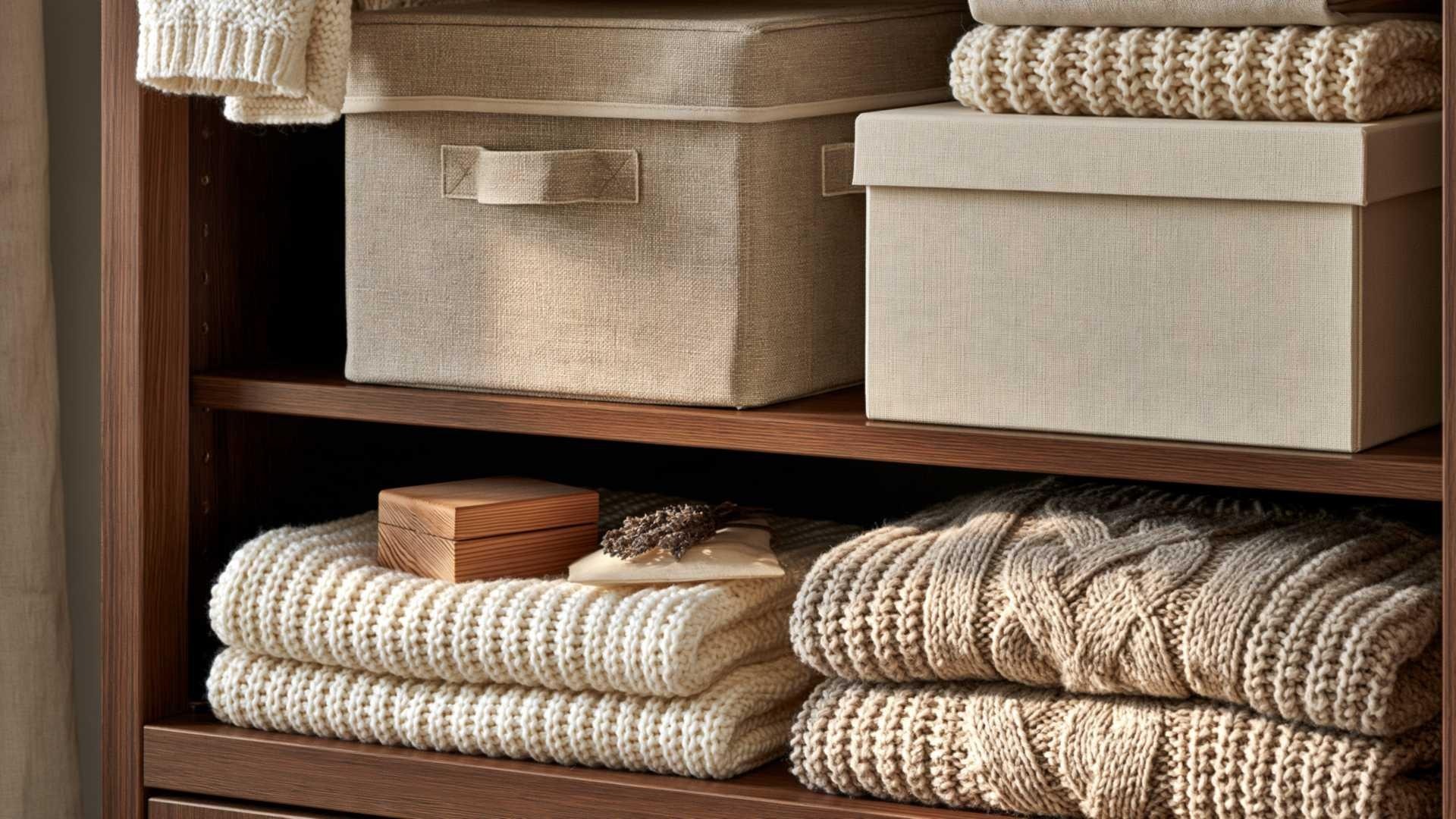
The top of the wardrobe is the room of the resting season. Summer clothes go there, in containers that let the fabric breathe: cotton and linen in fabric or rigid card boxes, never sealed in plastic where moisture stays trapped.
Vacuum bags save a great deal of space, but on wool and down they should be used for short periods only, because they crush the fibres. A block of cedar wood or a bag of lavender among the woollens keeps moths away better than any chemical-smelling product.
In our showroom
AI Generated Content
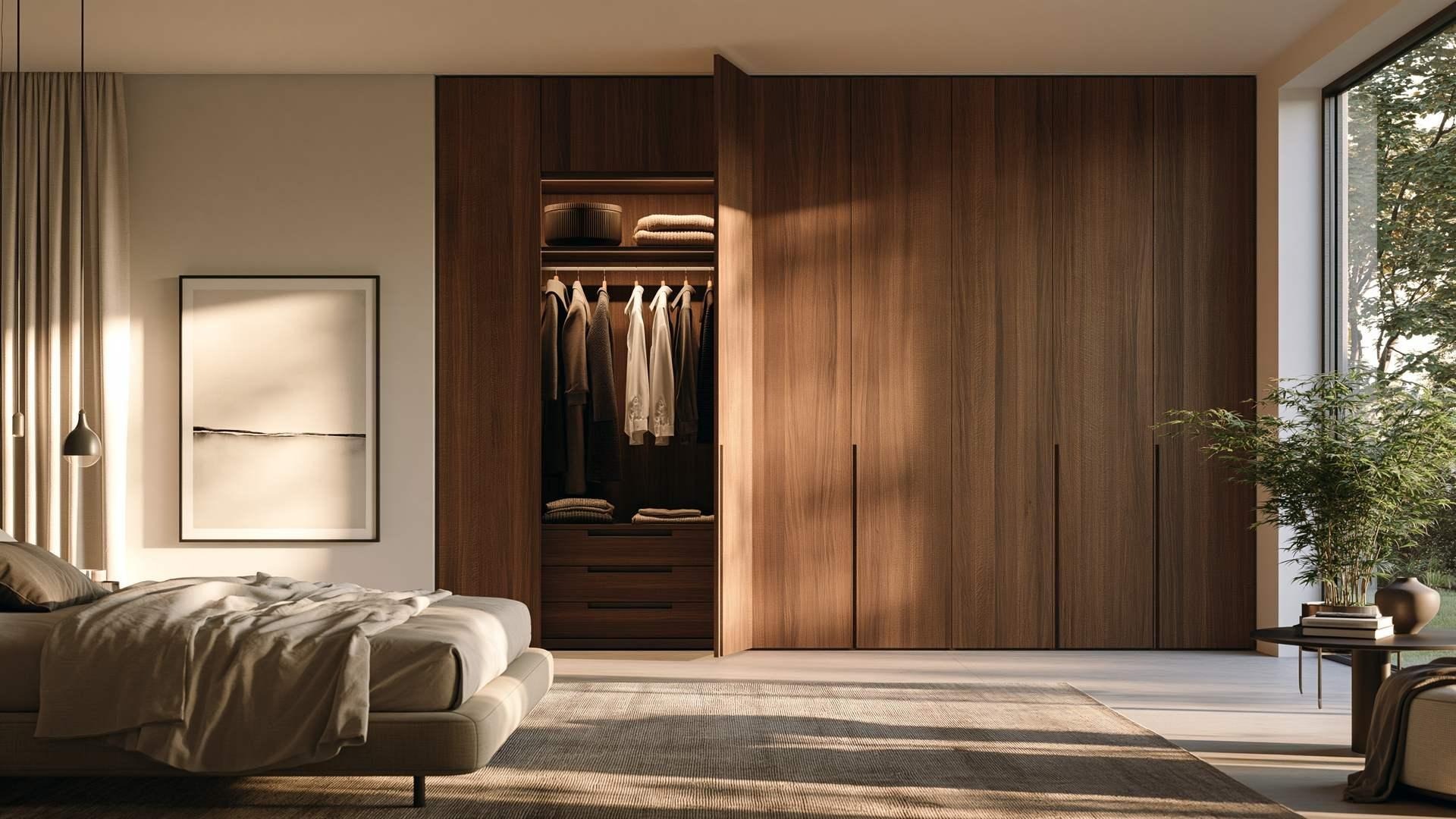
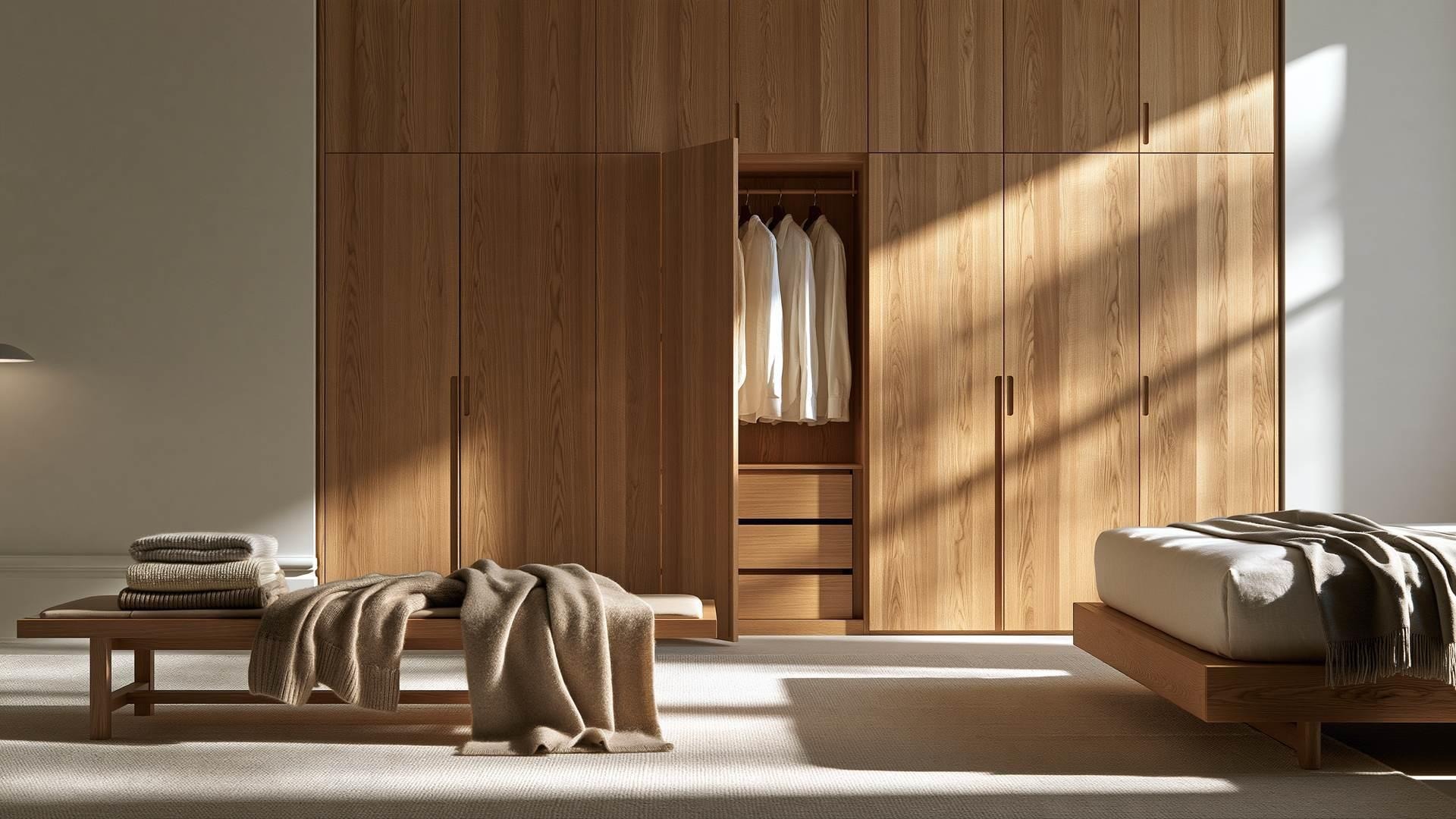
Designing a wardrobe means starting from what it holds, before the finish of the doors. In our showroom we work on the real measurements of the person who will use it: how many long pieces, how many piles, how much room for the season at rest. The October change then becomes an hour's work.
AI Generated Content
Read more: How to organize your walk-in wardrobe and the wardrobe systems by Novamobili to build a wardrobe made to measure.
_14077b47db_23.jpg)
Interior Designer since 1985
CEO & Founder, Italian Design in the World