11/06/2026
Under the window, for a reason
AI Generated Content
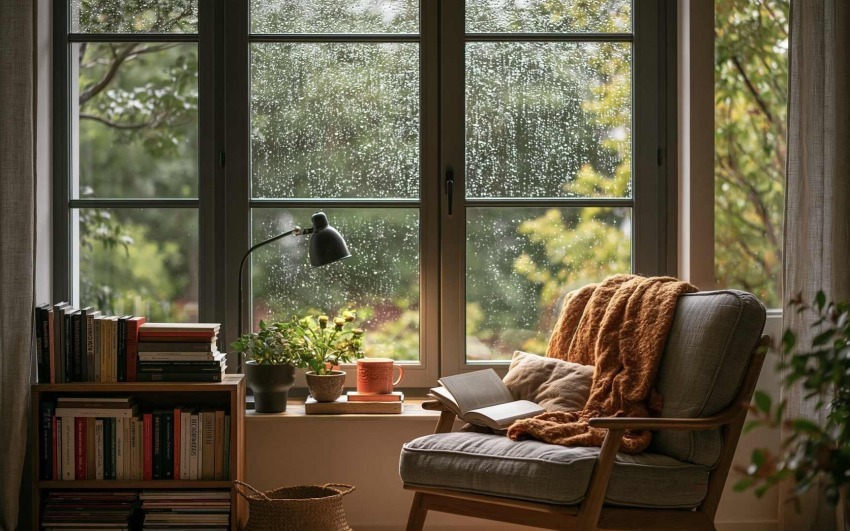
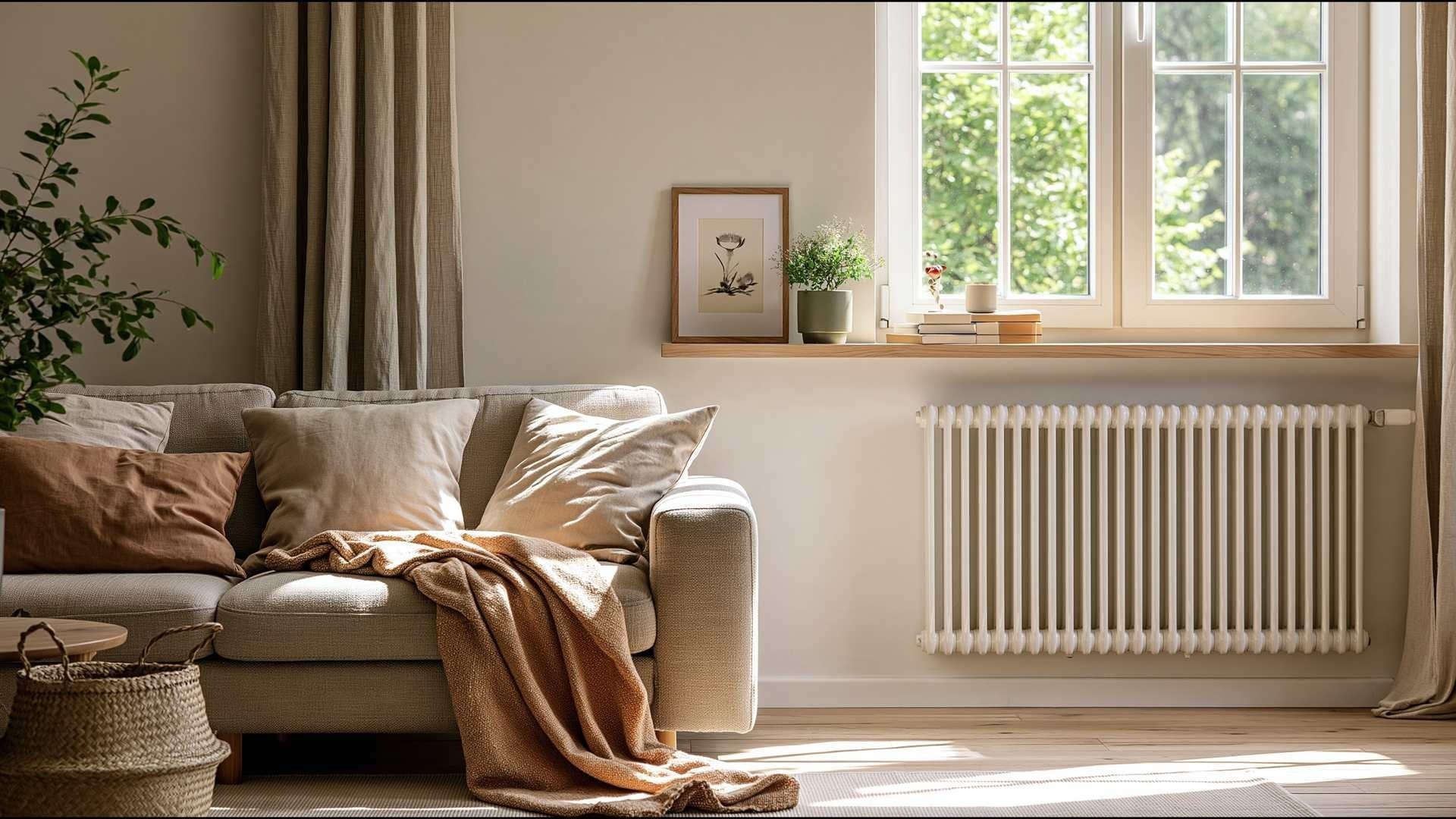
Radiators almost always sit under windows, and there is a clear reason. Glass is the coldest surface in the room: the air that touches it cools and sinks towards the floor. The heat rising from the radiator meets it and warms it before it reaches whoever is sitting there.
Moving them to free up a wall is possible, but it needs thought. A room with the radiator on the side opposite the window tends to have a cold patch exactly where the light invites you to sit, and that draughty feeling no seal will cure.
The designer radiator
AI Generated Content
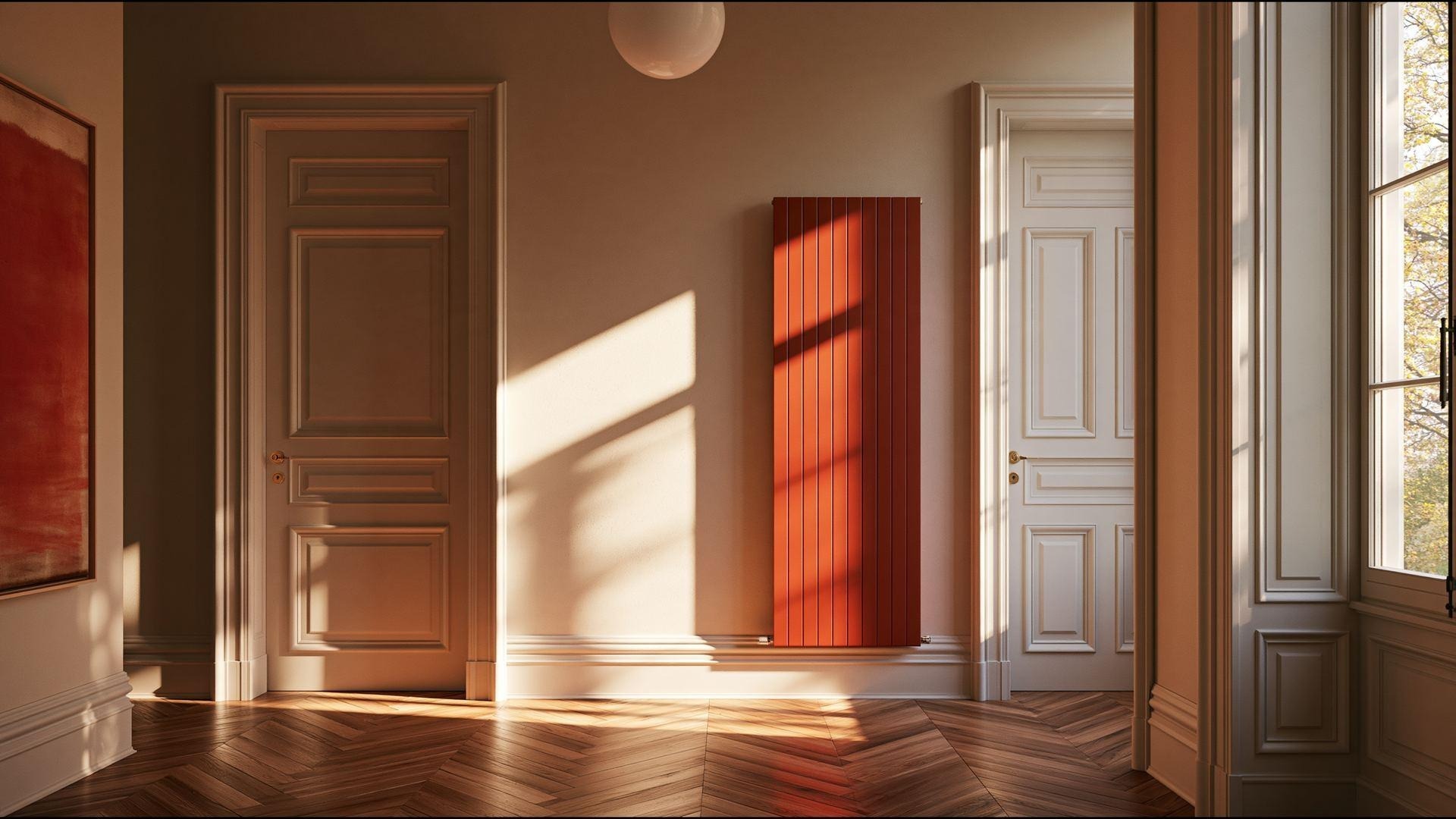
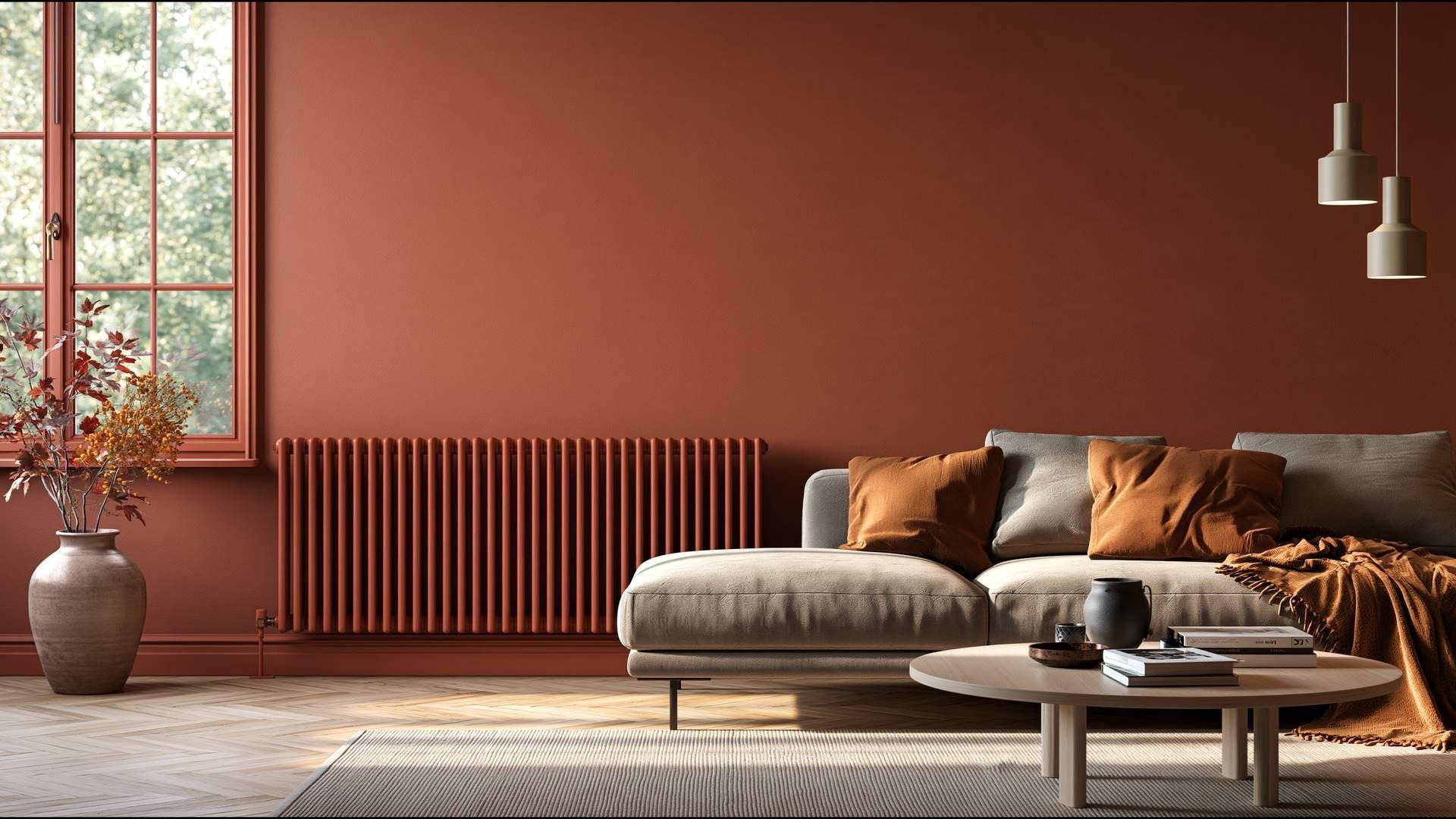
When a radiator cannot be hidden, it is worth choosing it. Vertical models take up little floor space and work well on narrow walls between two doors; flat panel ones can be painted the colour of the wall and almost disappear; others are real design pieces, to be left on show like a lamp.
AI Generated Content
In the bathroom a heated towel rail does two jobs at once. With a built-in electric element it can be switched on in October or late April, when the central heating is off but the damp towel stays damp.
The floor that warms
AI Generated Content
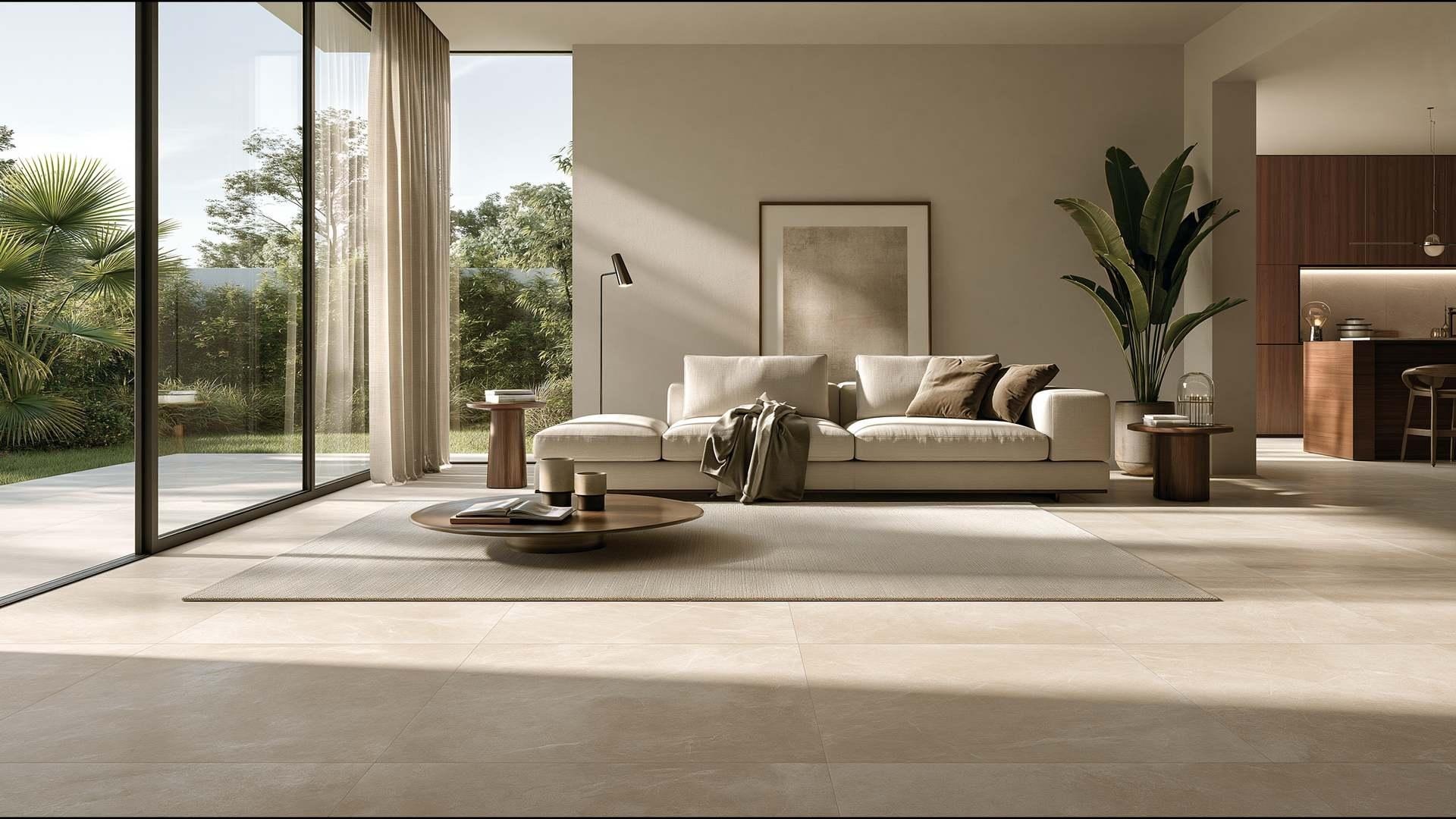
Underfloor heating changes the way a room is furnished: no radiators, every wall free, an even warmth that starts from below. It runs on low-temperature water, around 30 to 35 degrees, which is why it pairs well with heat pumps.
What goes on top matters. Porcelain stoneware and ceramic pass heat through quickly and without trouble; wood works if it is suitable for underfloor heating, usually a fairly thin engineered board, glued down. Very thick rugs, on the other hand, act like a blanket and should be chosen light.
What goes in front
A sofa pushed against the radiator blocks the heat and dries out padding, leather and wood. Leaving at least ten centimetres of air helps both. Floor-length curtains in front of a radiator push the heat towards the glass instead of into the room: curtains that stop at the sill work better, or tracks mounted so the radiator stays uncovered.
Radiator covers closed on every side waste a large share of the output. If one is really needed, it should be open on top and at the front. A simple shelf fixed a few centimetres above the radiator, on the other hand, turns the warm air towards the middle of the room and becomes a useful surface.
In our showroom
AI Generated Content
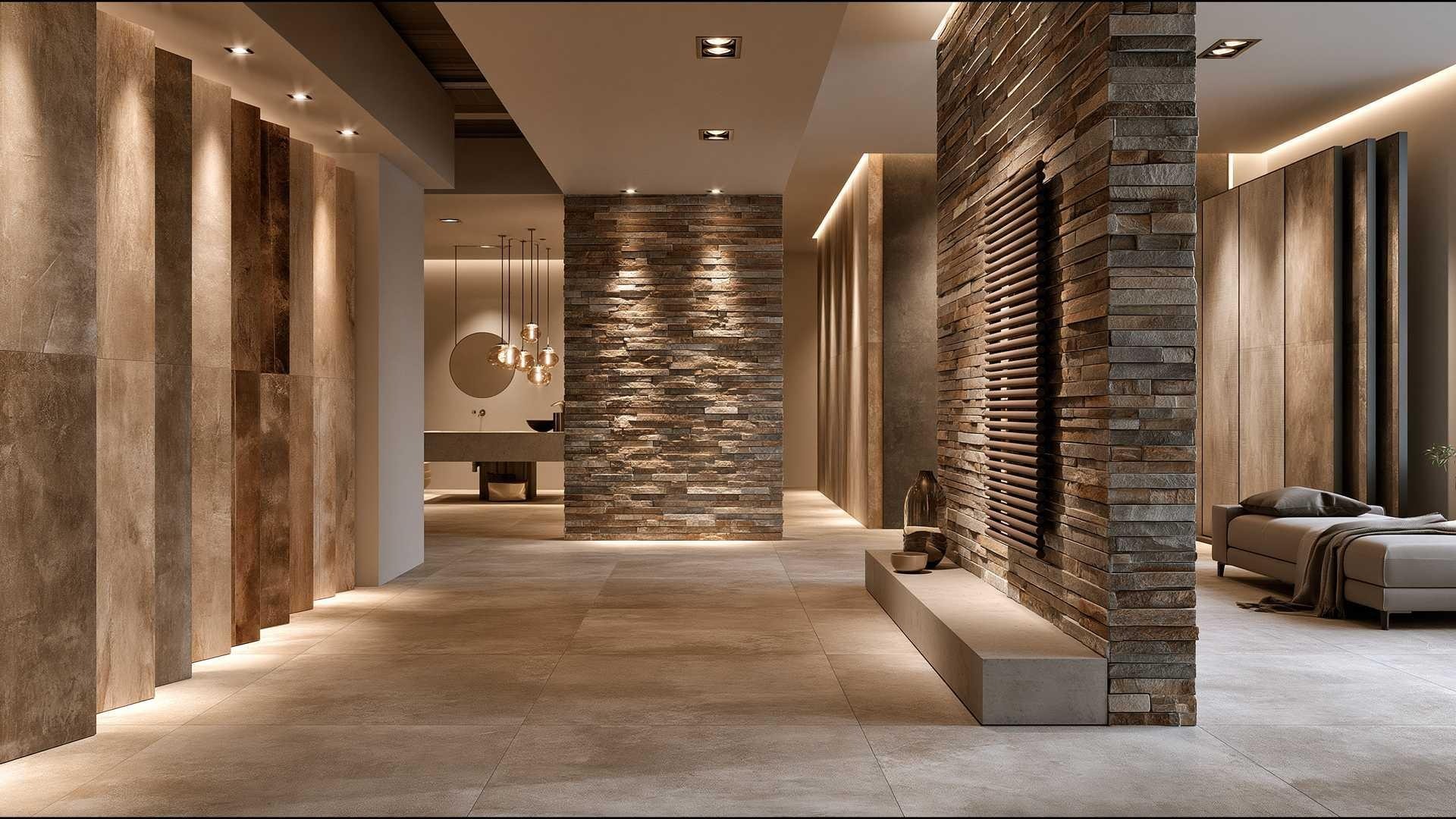
When we design a room we first mark where the radiators are, then decide on sofa, bookcases and curtains. In our showroom we also look at the floors to pair with underfloor heating, because the material is chosen together with the system.
Read more: Heating your home in style and the porcelain surfaces by Casalgrande Padana for floors that work well with underfloor heating.

Interior Designer since 1985
CEO & Founder, Italian Design in the World