10/16/2026
The sound on the glass
AI Generated Content
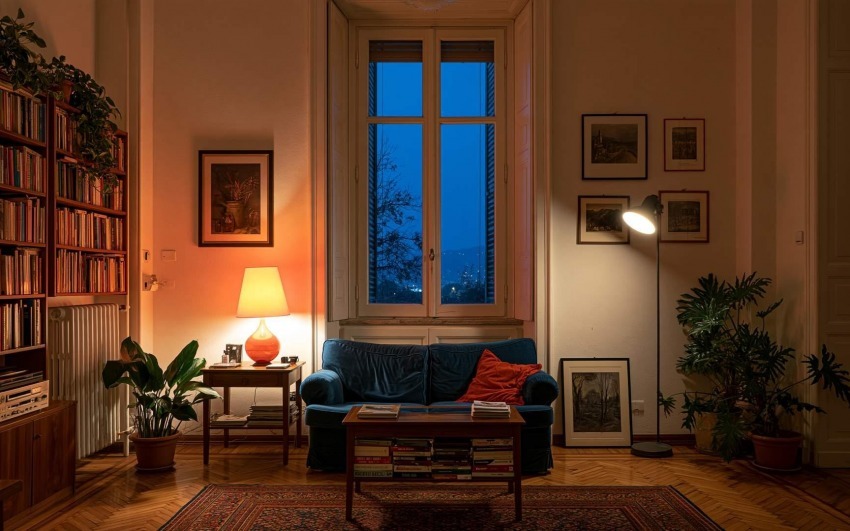
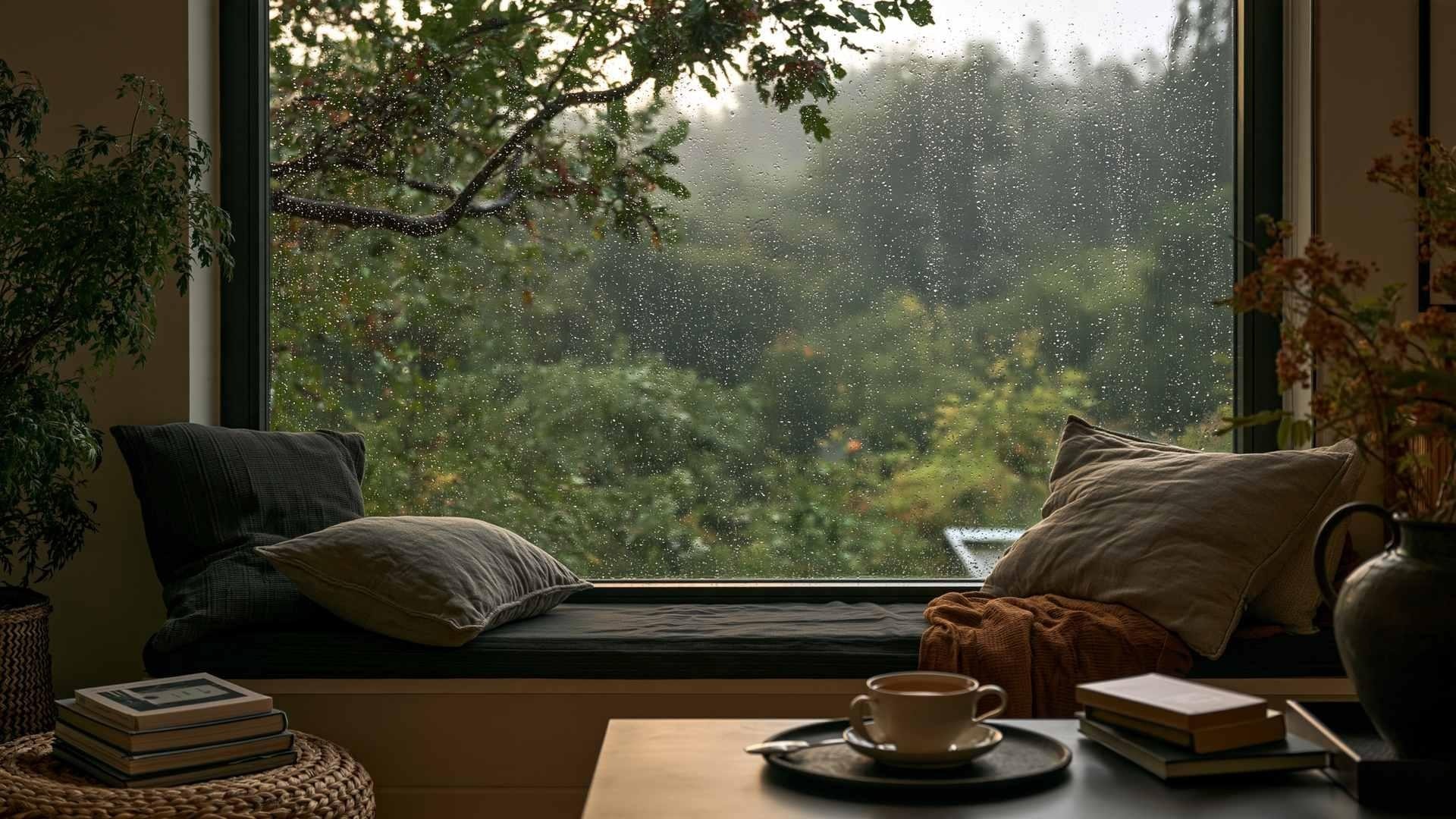
There is a particular pleasure in being at home while it rains outside. The noise on the windows and gutters makes rooms feel more enclosed, the light drops to an even grey, and even the silence indoors seems denser.
AI Generated Content
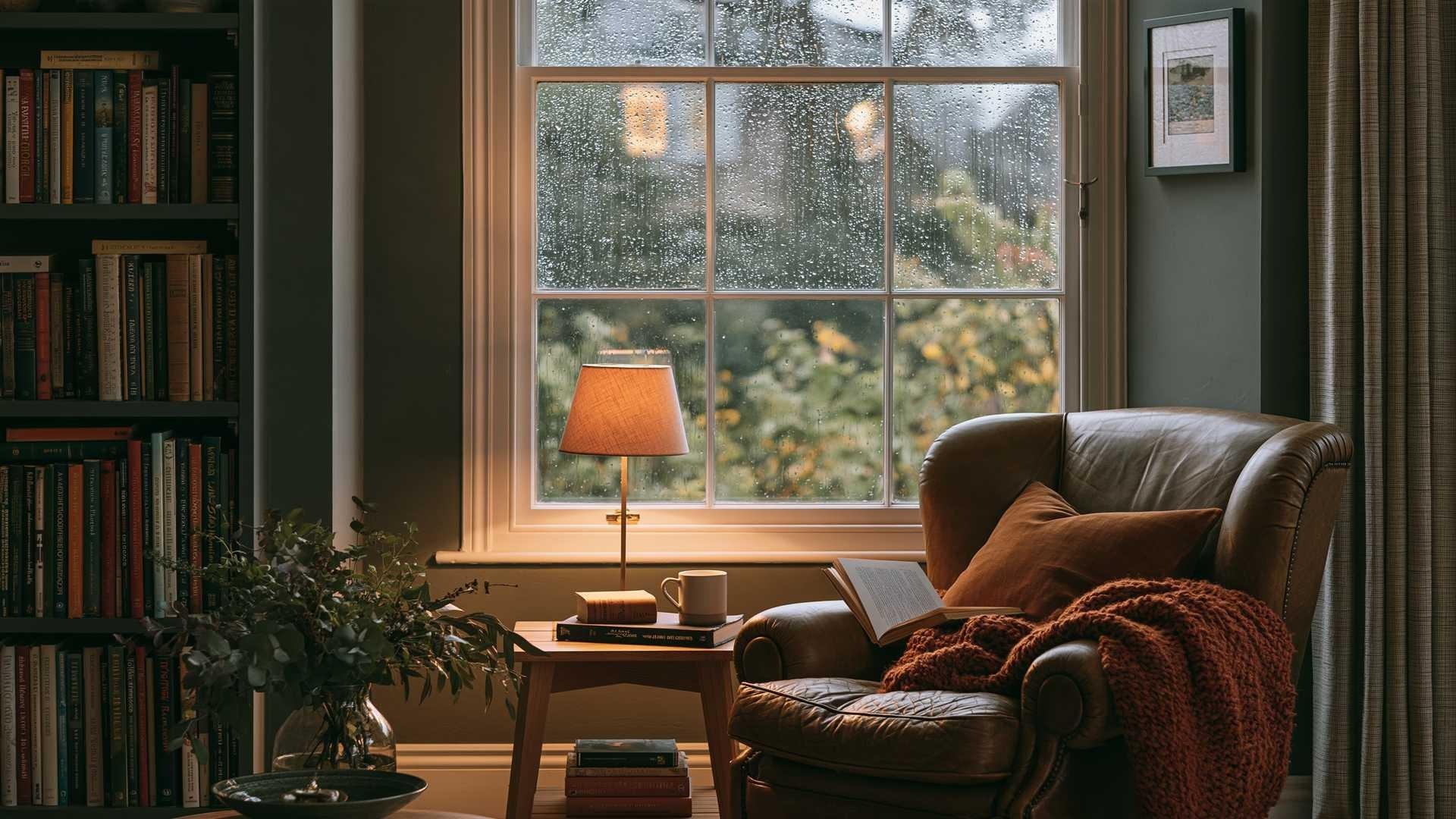
That sound also tells you how the house is built. Window frames that rattle, a drip you only hear in heavy rain, a room where the noise arrives sharper than in the others: these are useful signs, hidden all summer, and worth noting when they appear.
The entrance as a filter
AI Generated Content
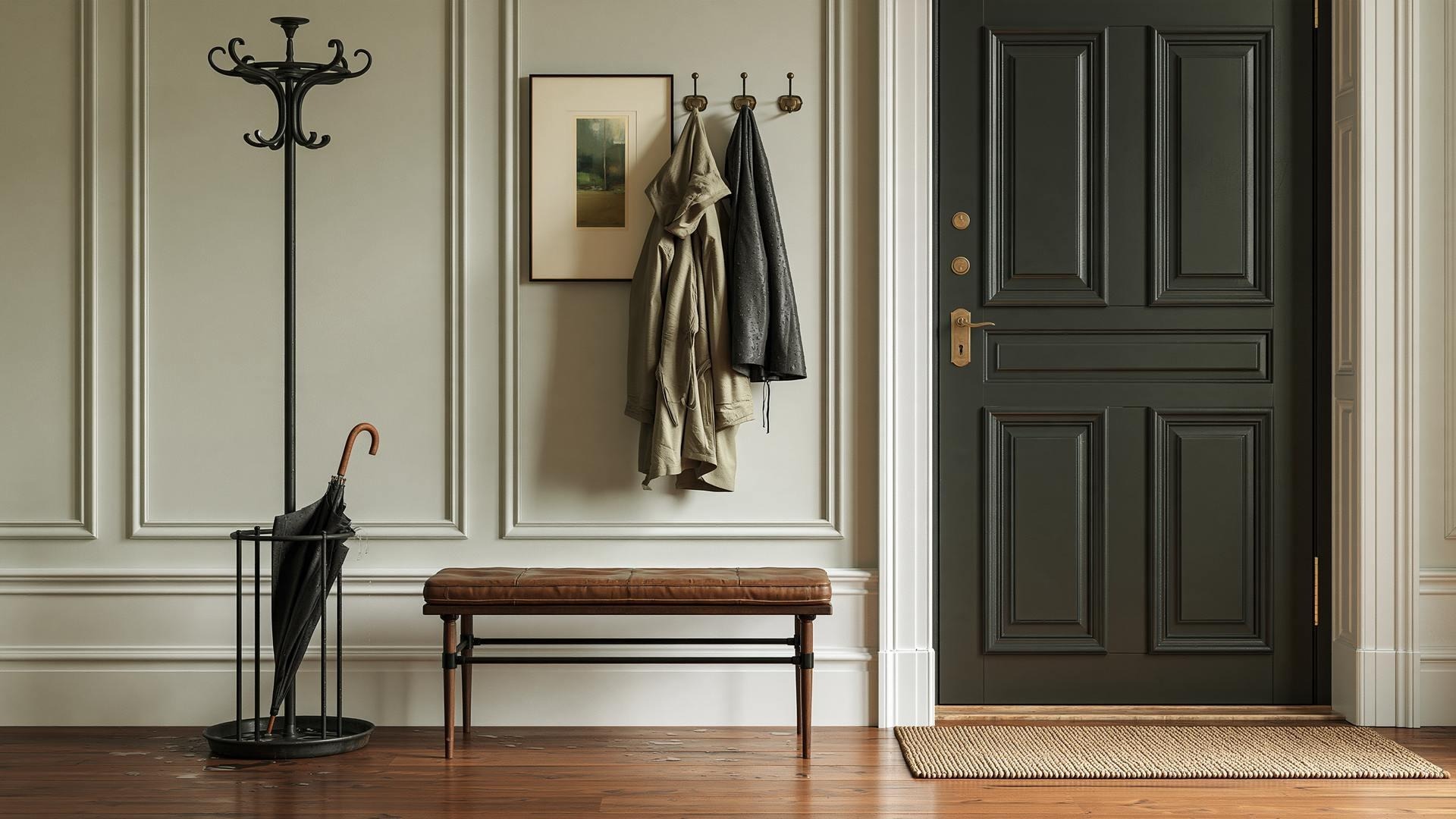
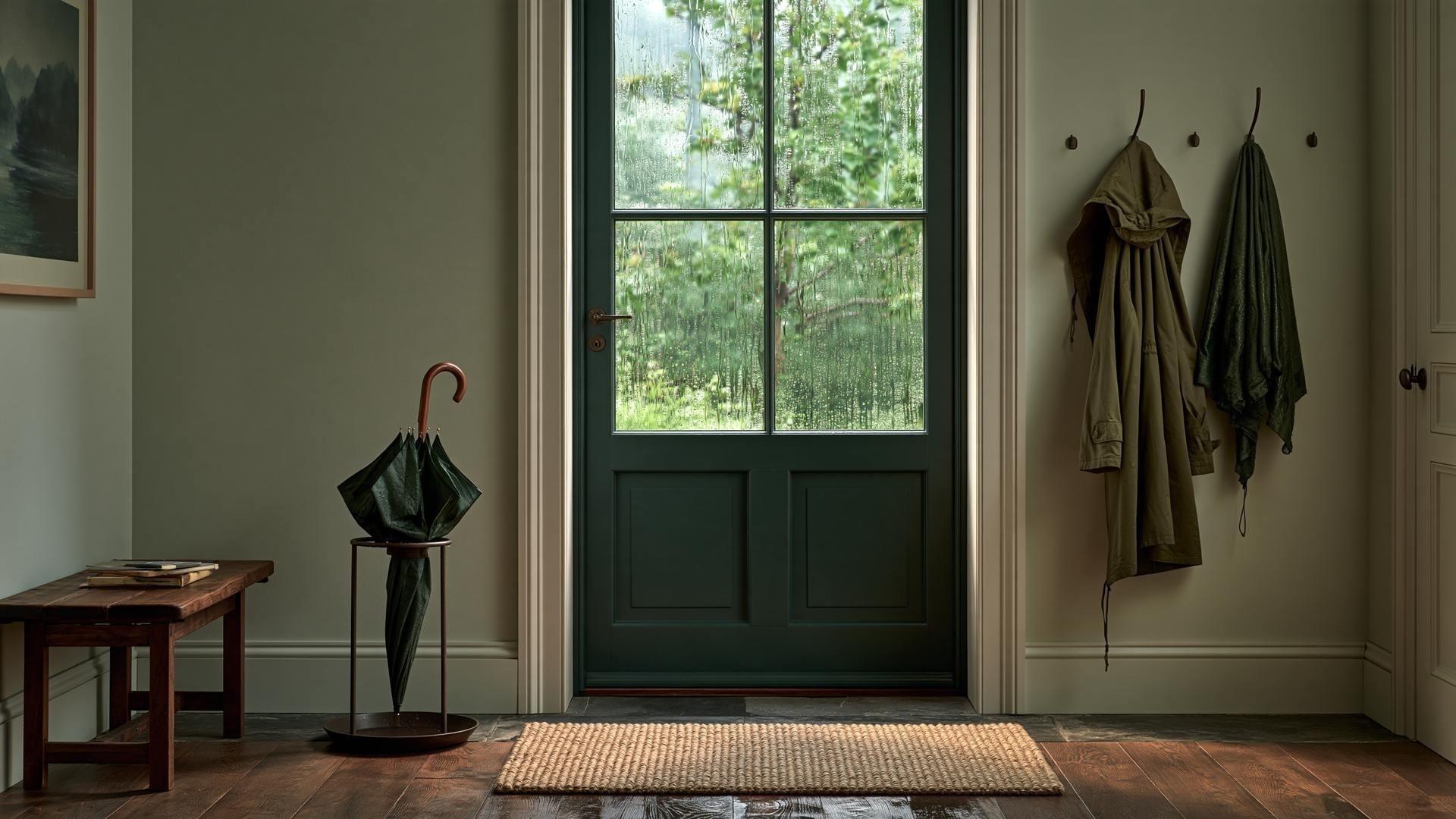
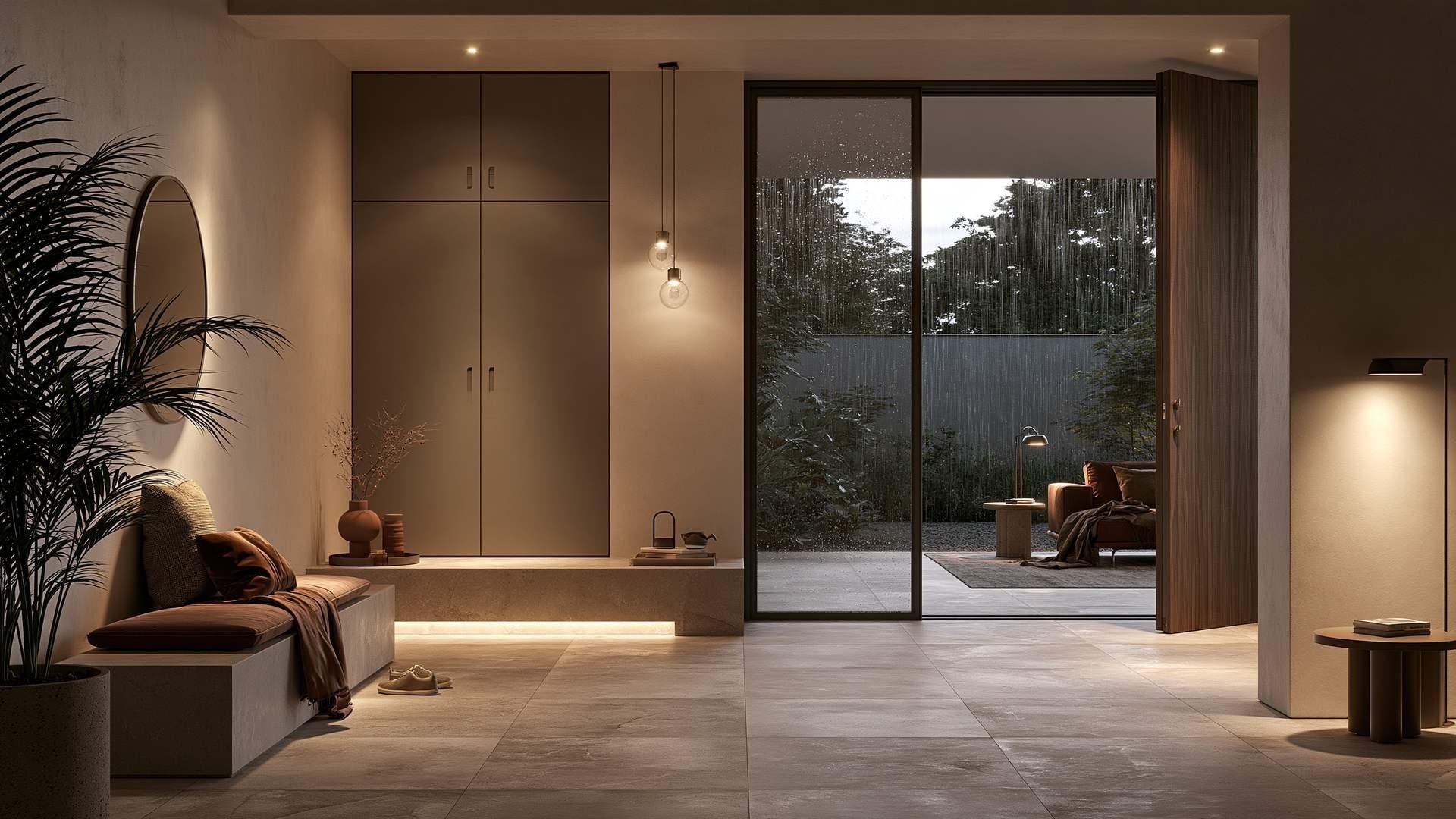
With the rain the entrance changes job. It becomes the point where the house protects itself from what comes in: wet shoes, dripping umbrellas, coats that need to dry before they are hung up.
AI Generated Content
It takes little, but it has to be thought through. An umbrella stand with a real drip tray, a surface to put keys down without wetting them, a seat for taking shoes off without leaning on the wall, a couple of hooks where coats can dry away from the others. A water-resistant fibre mat just inside the door holds most of the wet before it reaches the living room floor.
Floors that can take water
AI Generated Content
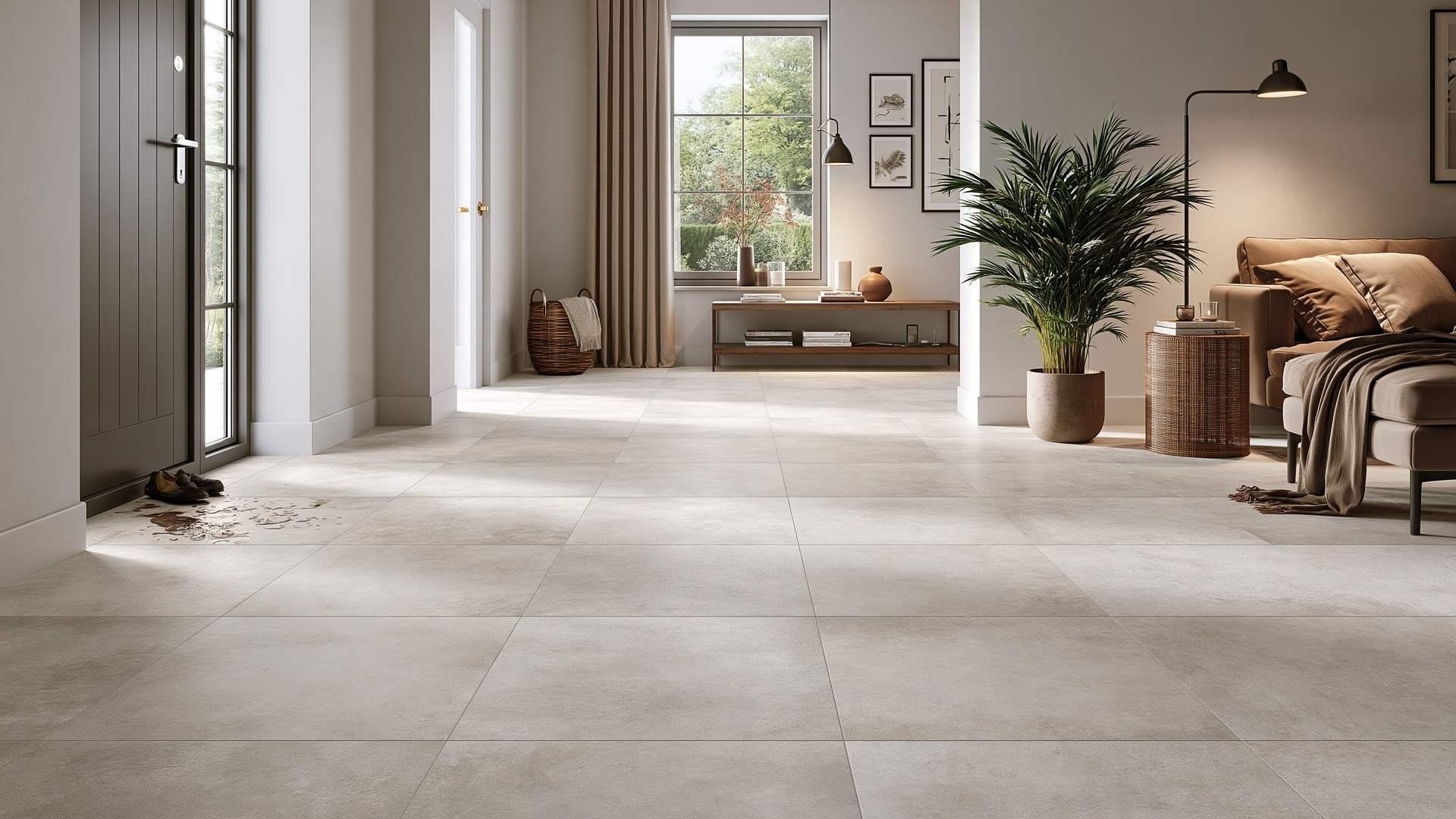
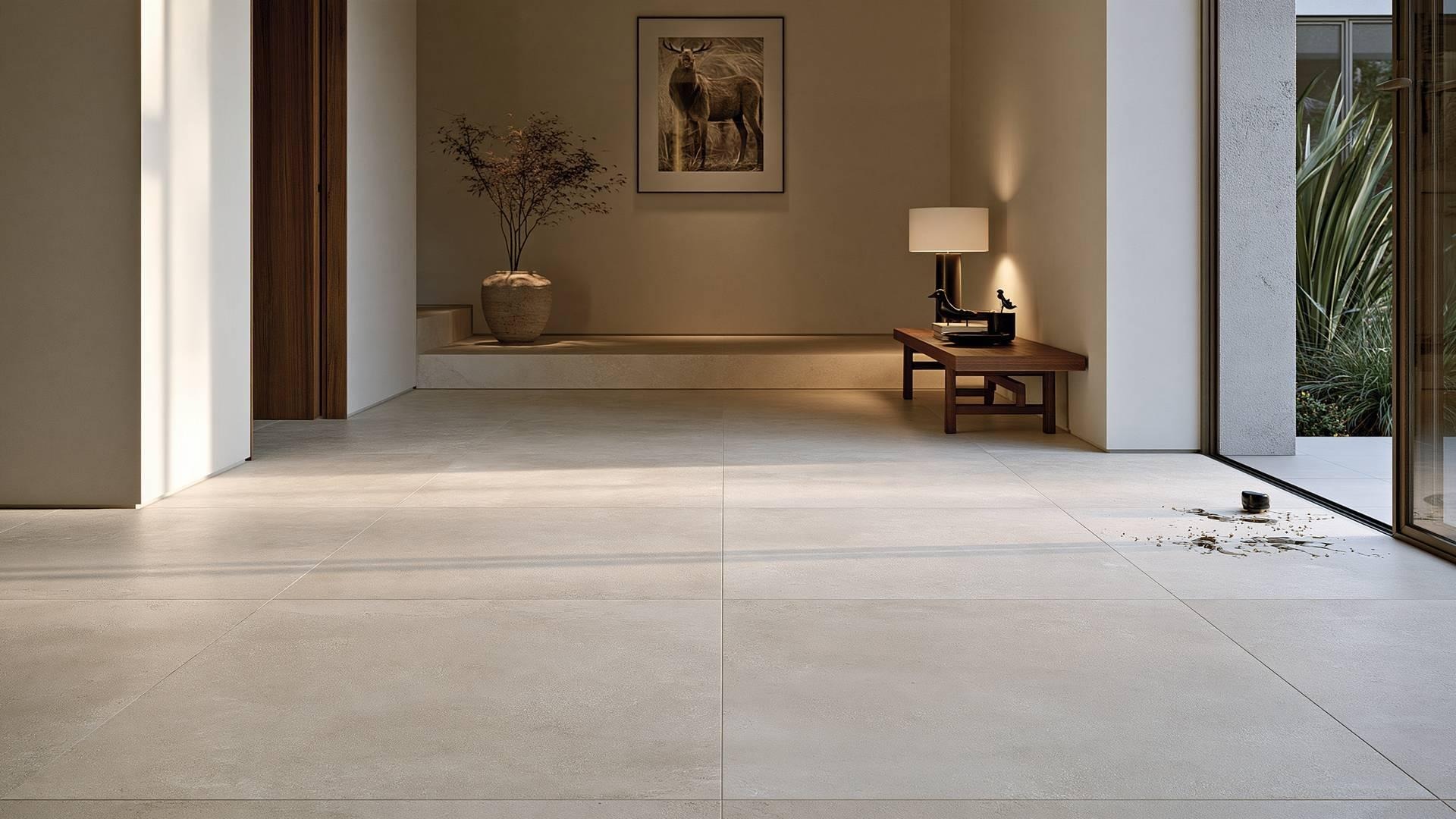
In wet passageways the floor material makes the difference. Porcelain stoneware absorbs minimal amounts of water, does not stain or warp, and large-format slabs reduce the joints where dirt collects. In its thin versions it can even be laid over the existing floor, without demolition.
AI Generated Content
At the entrance the finish matters too. A slightly textured surface stays safe when you come in on wet soles, while polished finishes, beautiful in a living room, become slippery exactly where the first step lands.
The damp you cannot see
AI Generated Content
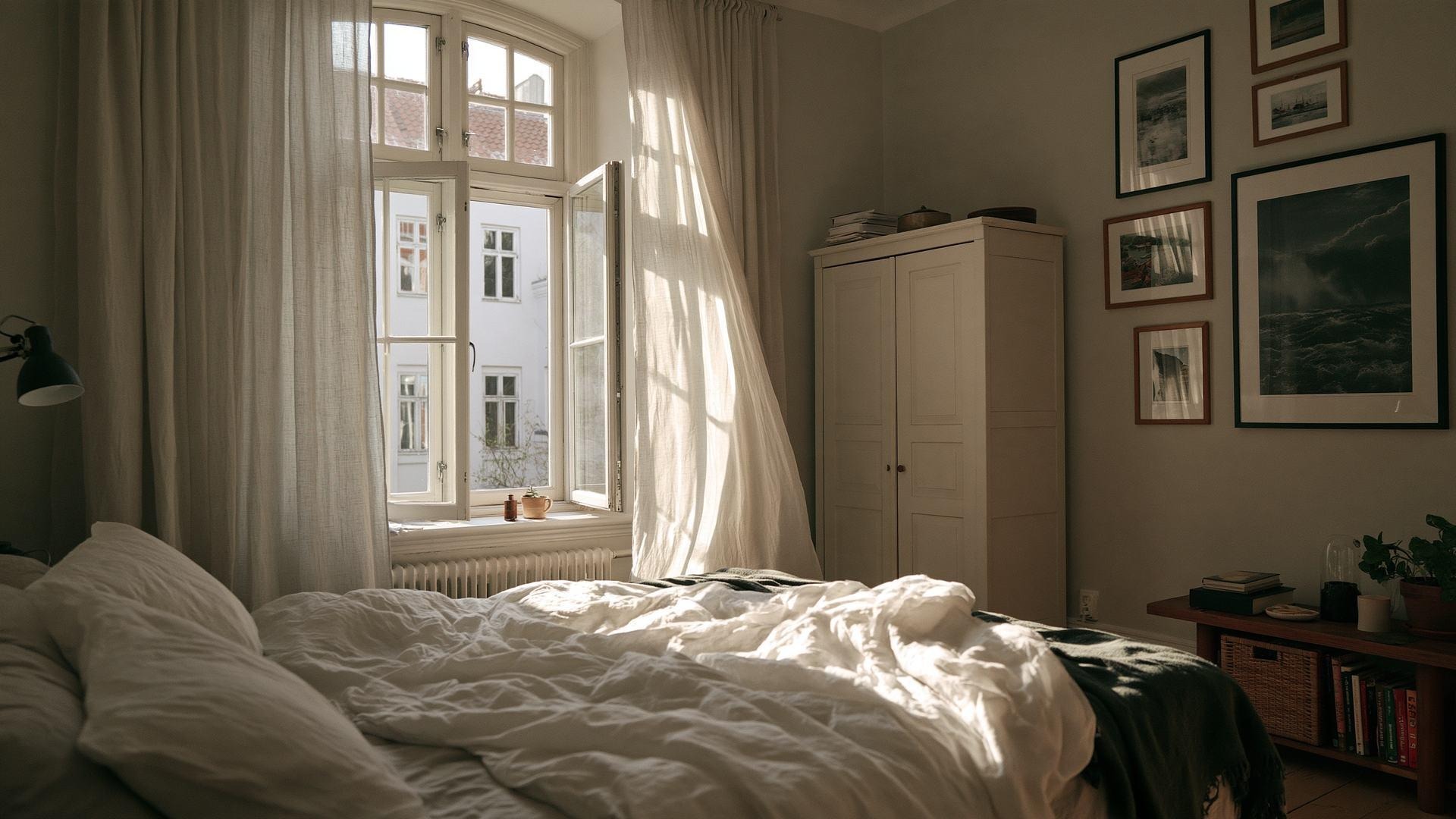
Autumn brings more moisture into the house than it seems. Laundry is dried indoors, cooking takes longer, windows stay shut. North-facing rooms and the corners behind furniture pushed against cold walls are the first to show the signs.
Airing well means opening fully for five or ten minutes, two or three times a day, rather than leaving a window ajar for hours: the air changes quickly and the walls do not have time to cool. Moving wardrobes and bookcases a few centimetres away from external walls lets air circulate where damp tends to settle.
In our showroom
AI Generated Content
Choosing materials with the worst season in mind is the simplest way to avoid having to replace them. In our showroom we compare surfaces, finishes and formats according to where they will be laid, and what will cross them on rainy days.
Read more: The home entrance: tips to make it functional and the thin laminated porcelain slabs by Kerlite for floors that can take water.
_14077b47db_23.jpg)
Interior Designer since 1985
CEO & Founder, Italian Design in the World