9/25/2026
The evening the window closes
AI Generated Content
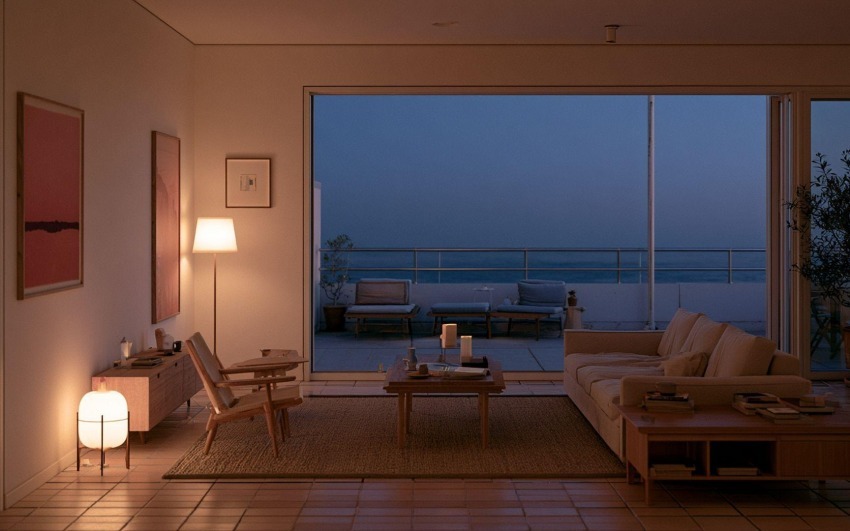
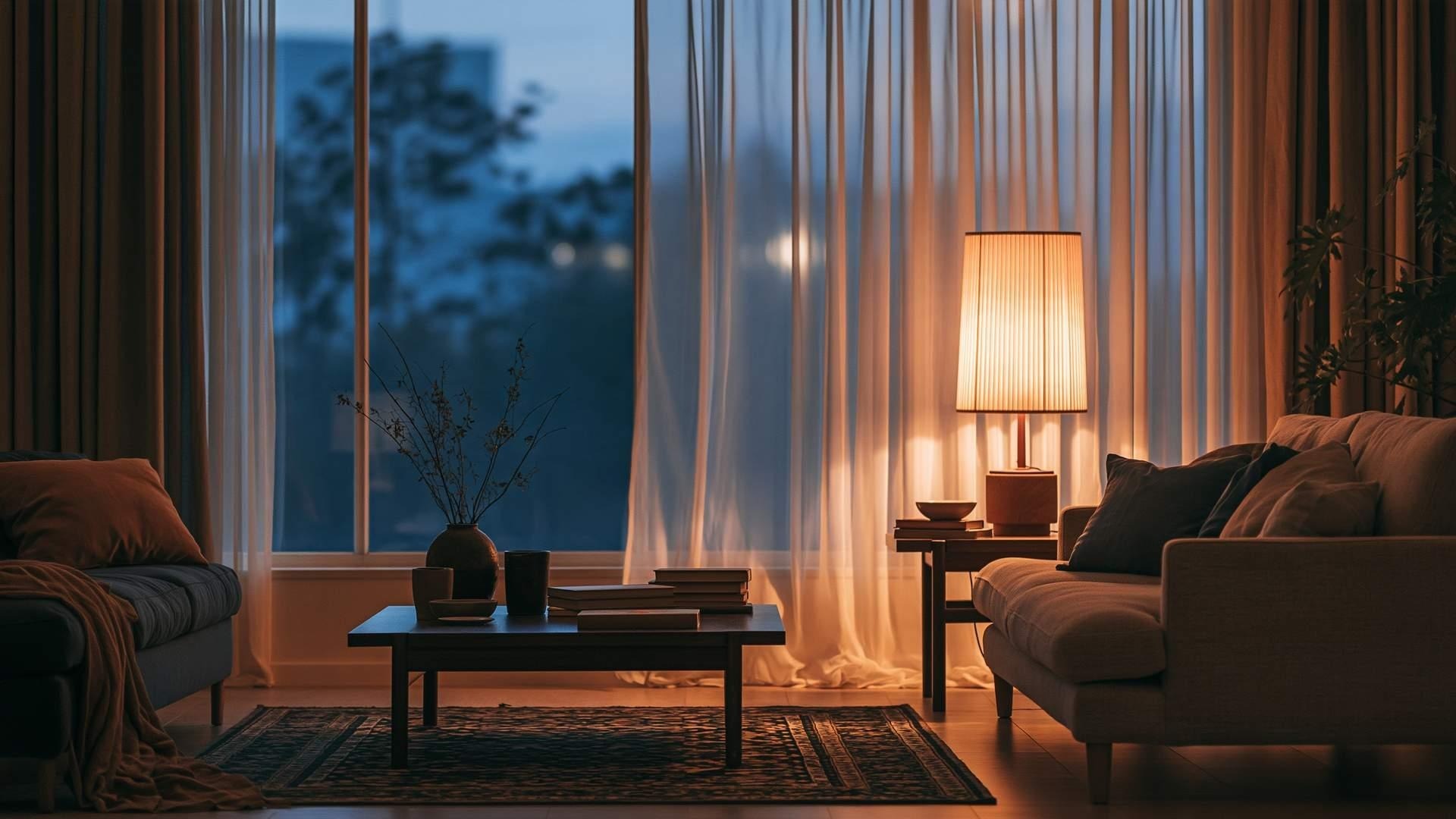
It all comes down to a gesture. You are sitting after dinner as on any other night, at some point a different air comes in and someone gets up to close. It is the first signal that the season has turned, and it always happens earlier than expected.
AI Generated Content
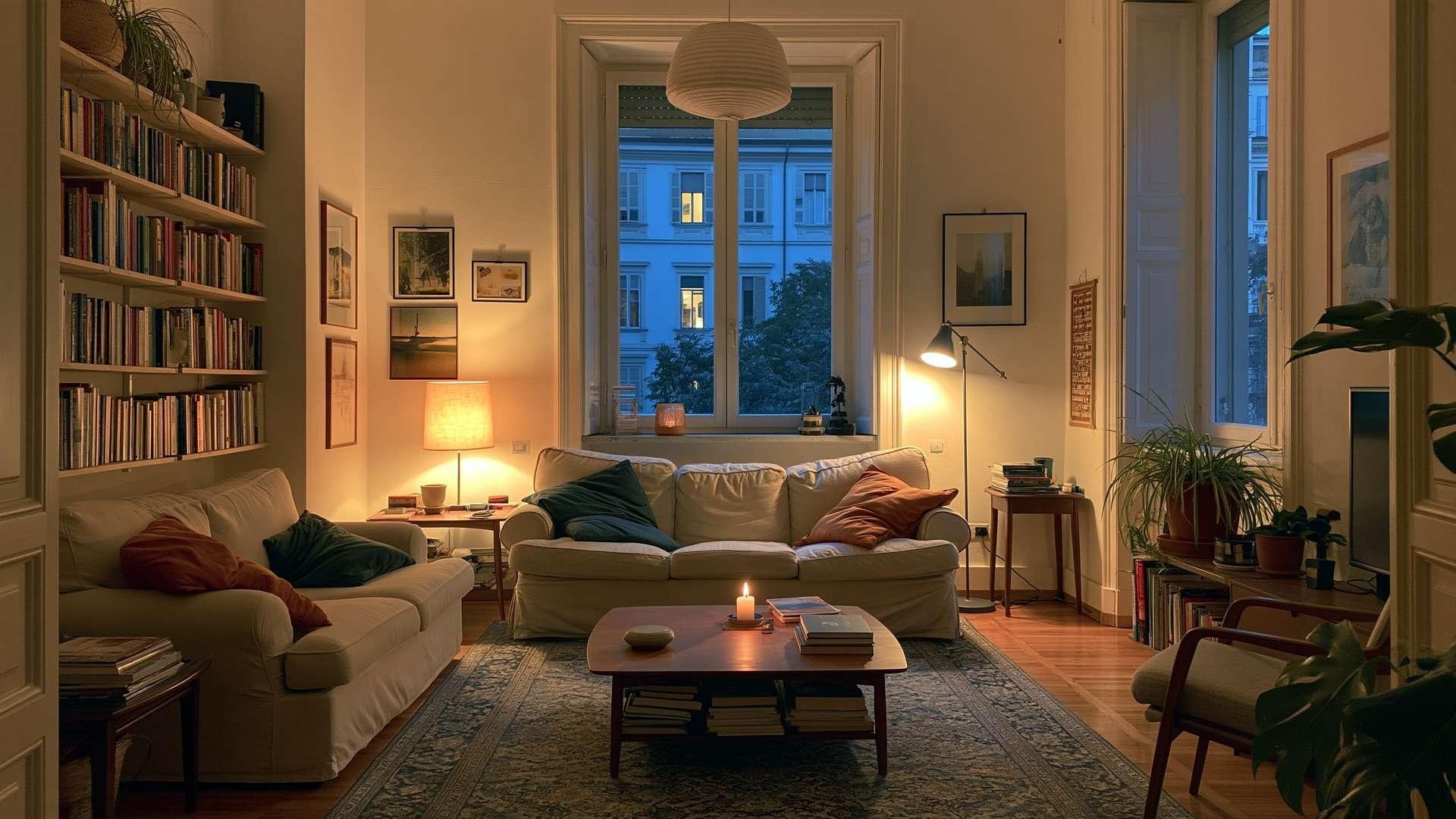
From that moment the rooms stop stretching outwards and go back to relying on what they hold inside: the light we switch on, the materials that touch the skin, the spot in the house where we sit the longest.
Switching on by degrees
AI Generated Content
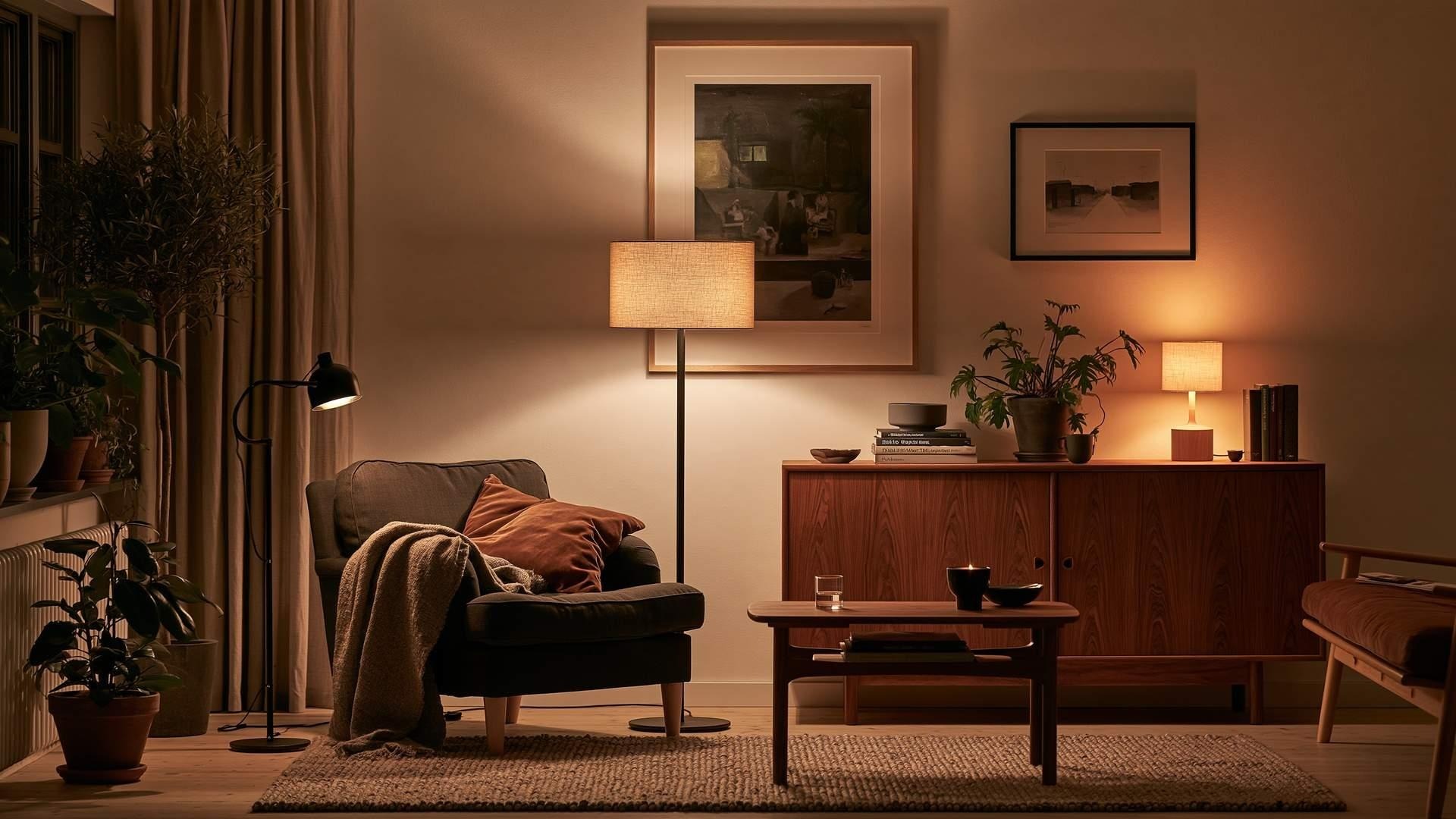
The worst way to face the first cool evening is to switch everything on. A ceiling light at full power erases the change of season instead of accompanying it.
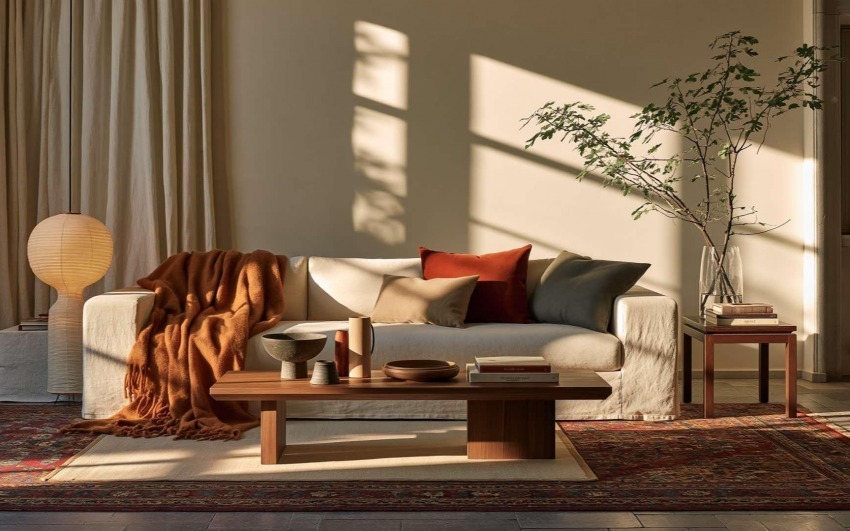
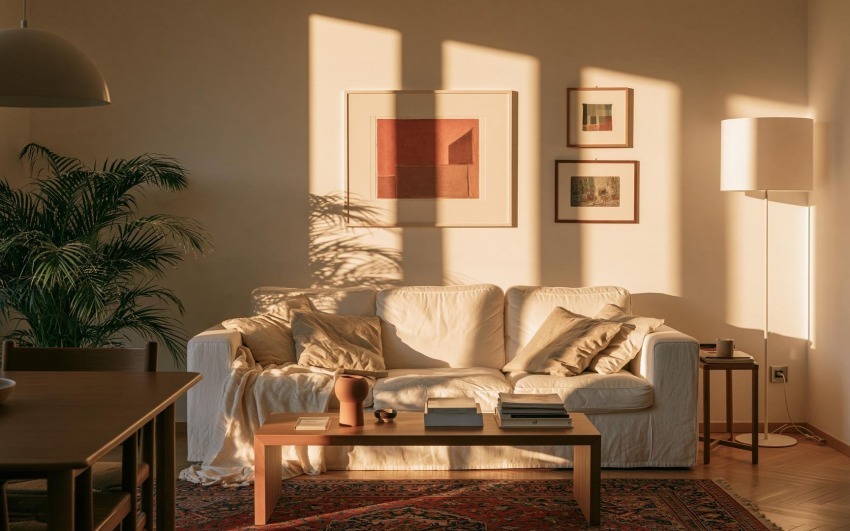
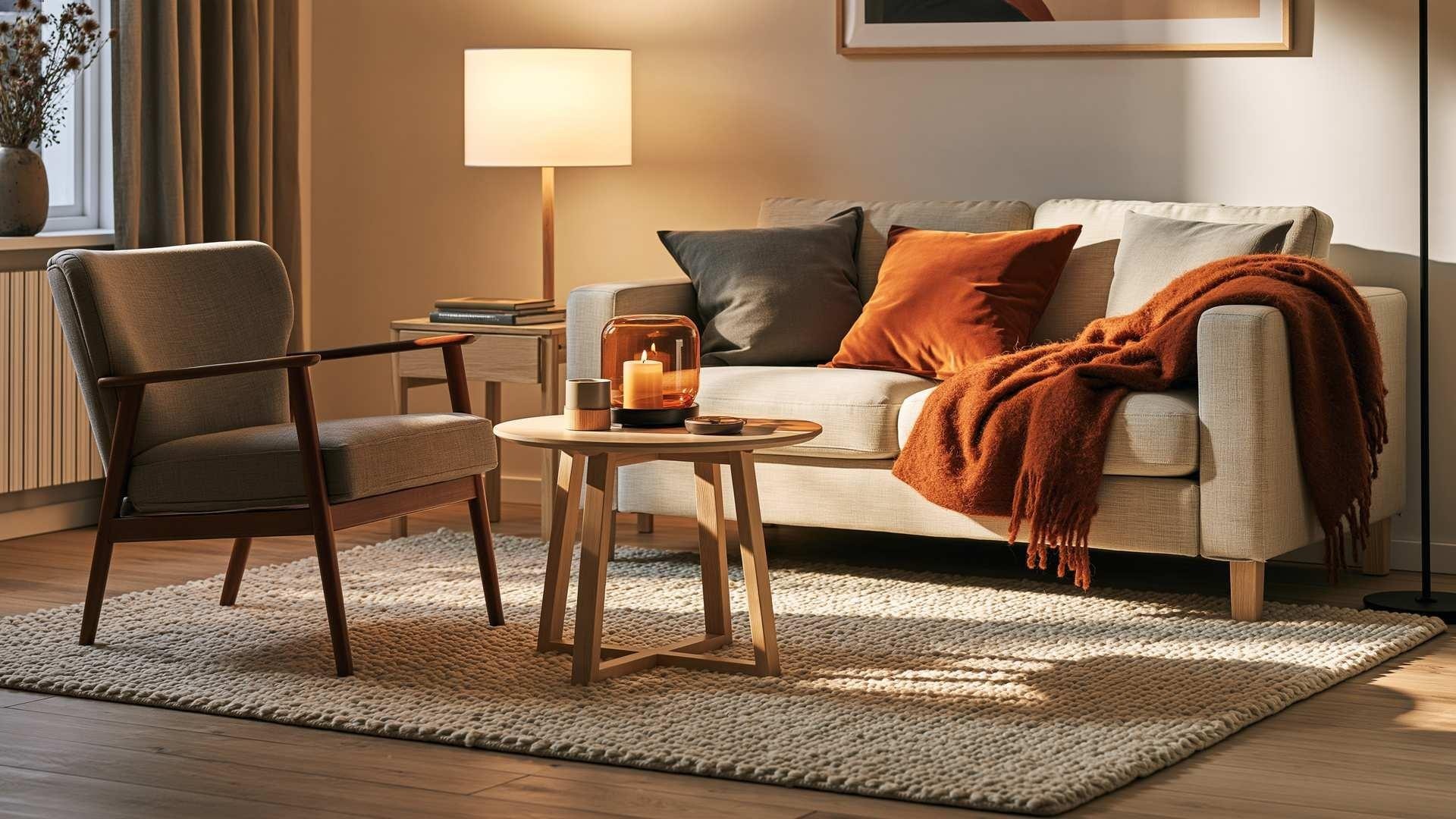
Better to come back on by degrees, starting low: a floor lamp beside the seating, a table lamp on a surface, a warm light around 2700 kelvin that makes the room feel gathered. An autumn evening is built in layers, like stage lighting.
The perimeter tightens
AI Generated Content
In summer the whole house is in use, terrace included. From late September the space actually lived in narrows around two or three points: the sofa, the table, perhaps an armchair under a lamp.
It is worth going along with this narrowing rather than fighting it. Move the seats closer, shift a rug to define the area, put a surface within reach. A room that worked open in summer works gathered in autumn.
In our showroom
AI Generated Content
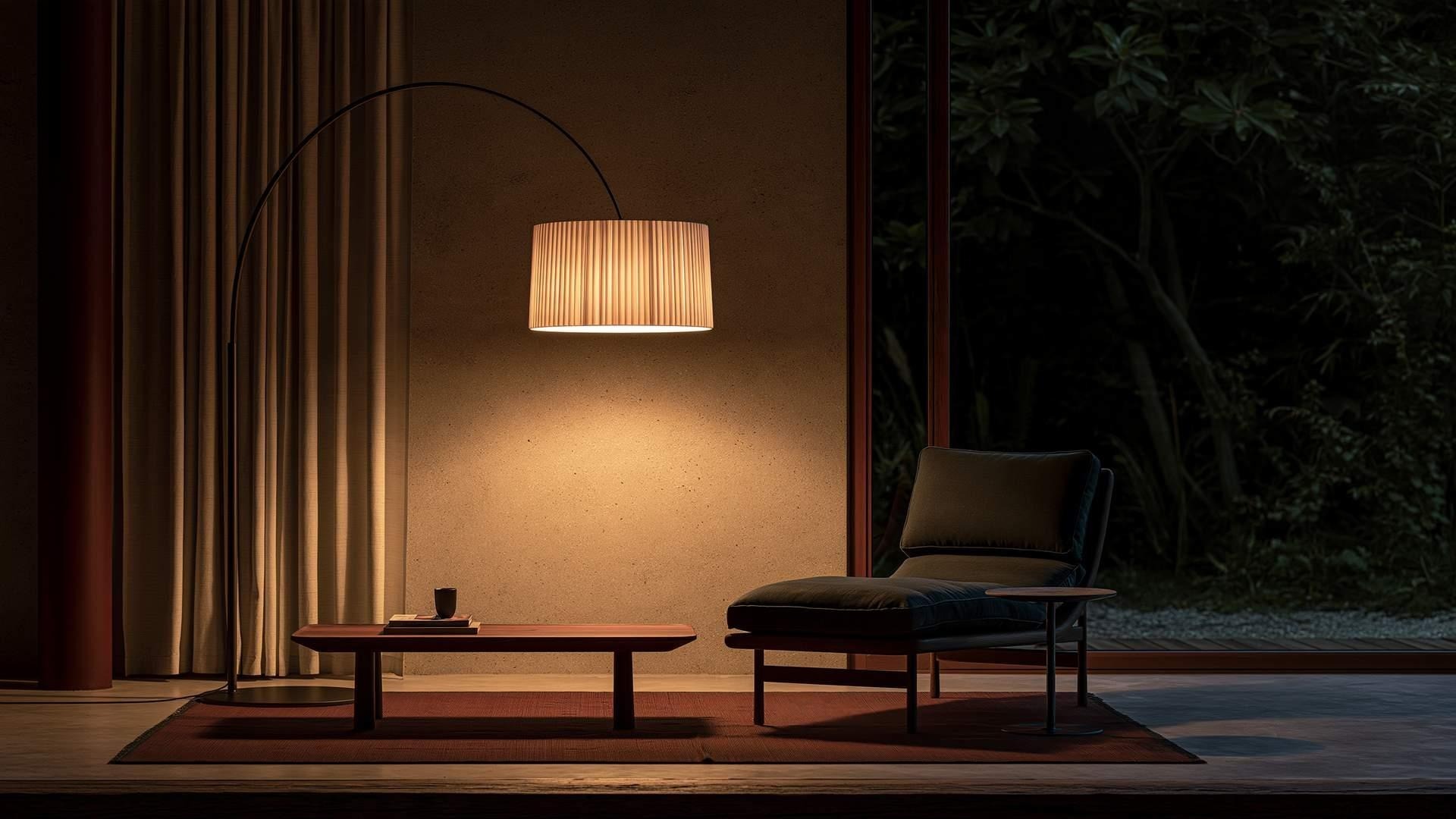
The change of season is designed with a few moves: the right light in the right places, a textile that warms, a tighter layout. In our showroom we test fixtures switched on and reason about how a room changes when the evenings grow shorter.
Read more: How to create a cozy reading nook for winter and the fixtures by Vesoi for evening light built in layers.
_14077b47db_23.jpg)
Interior Designer since 1985
CEO & Founder, Italian Design in the World