10/30/2026
What we decide to keep
AI Generated Content
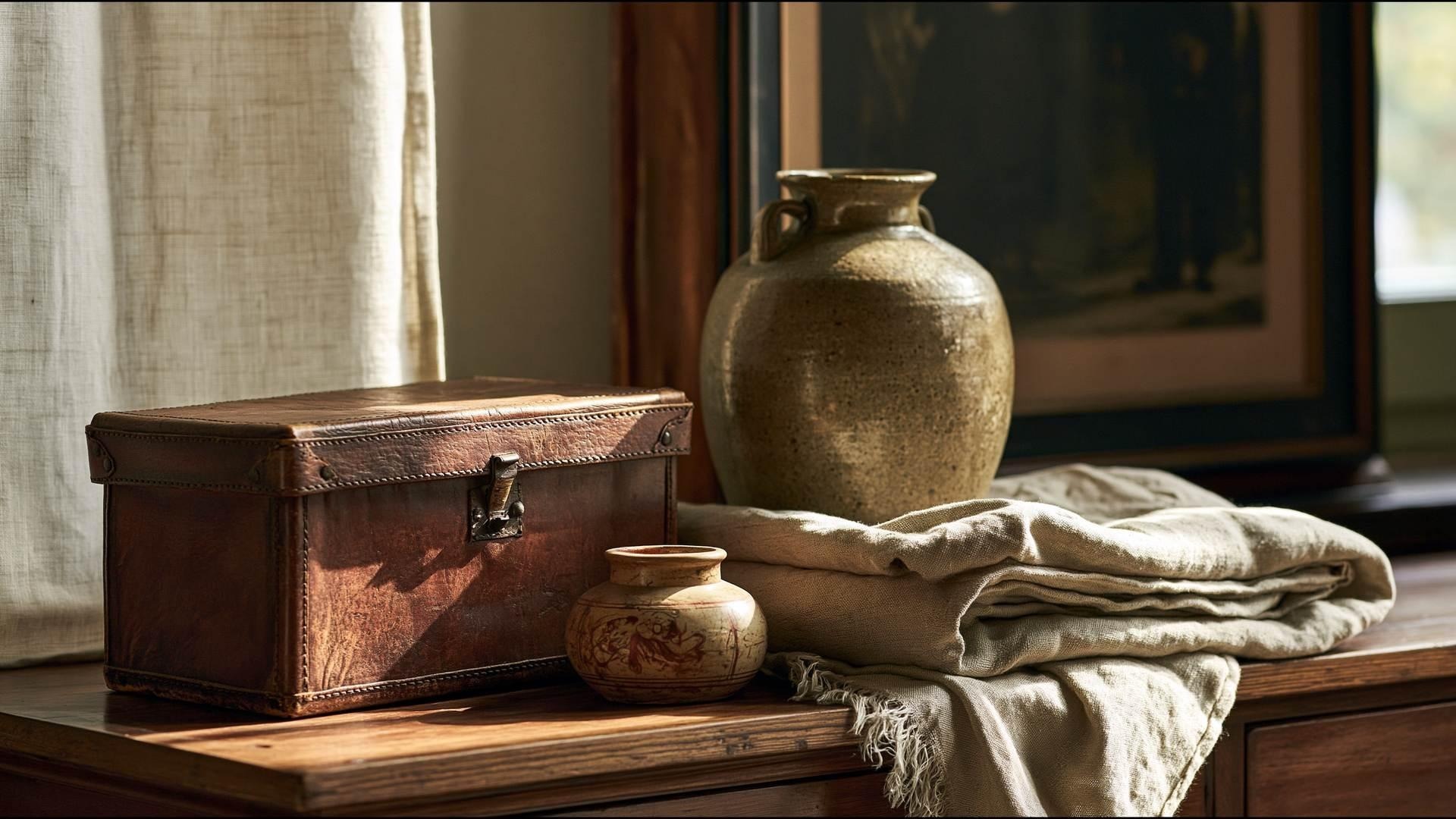
In the first days of November, when the calendar turns our thoughts to those who came before us, family objects start to be noticed again. They often sit at the back of a wardrobe or on a shelf where no one looks, and their value lies entirely in the person they belonged to.
Keeping is a choice: among the things that come from another life, you save those that still have something to say in the space of today. The rest can be photographed, remembered, let go without guilt.
The inherited piece
AI Generated Content
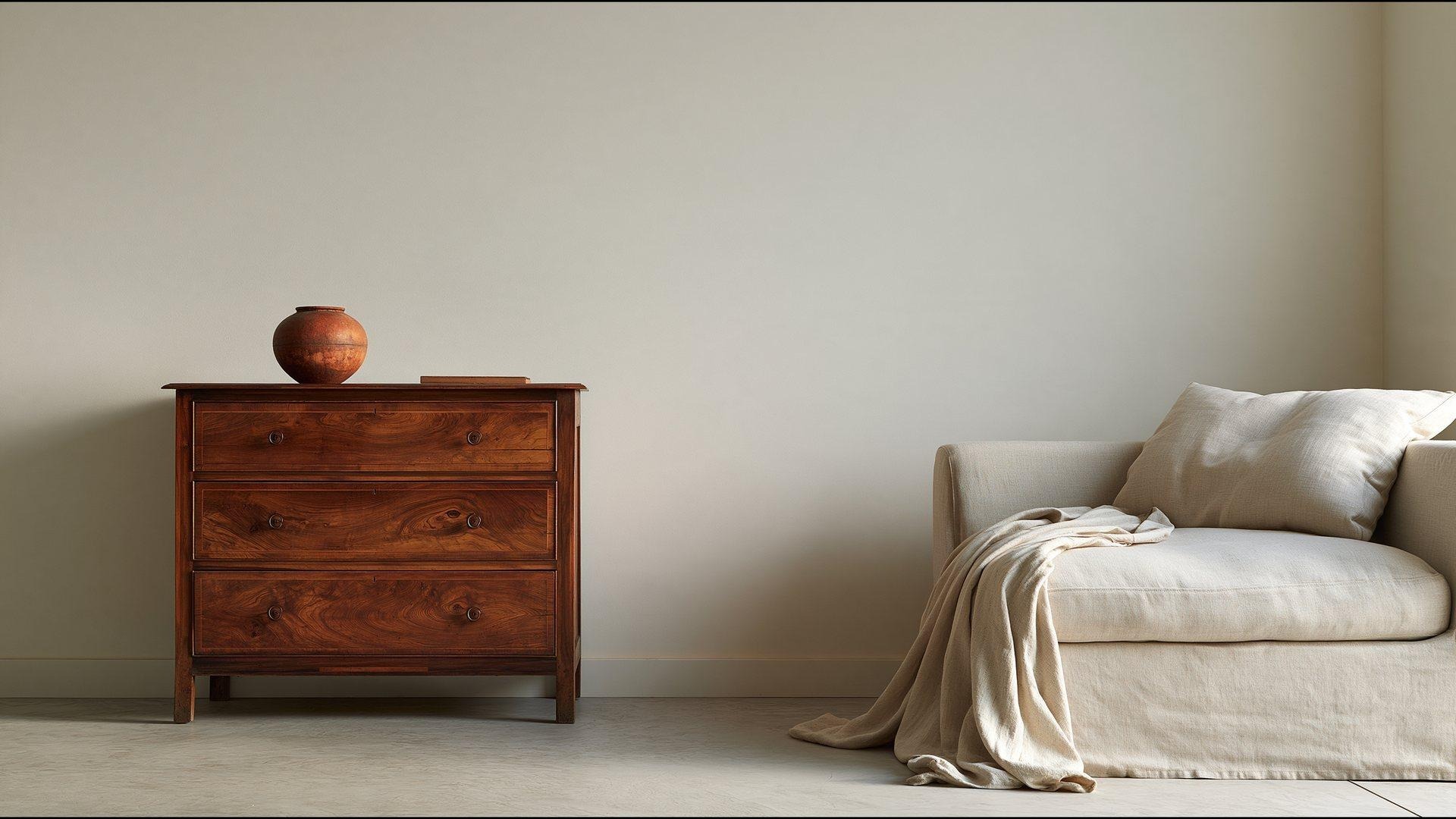
A grandparent's chest of drawers in a contemporary house can look out of place, or become the piece that gives depth to the whole room. It almost always depends on how much space it is given.
An antique works when it stands alone, with a clear wall behind it and few objects on top, next to simple surfaces that let it speak. Lined up with other period pieces it turns a room into a museum; set on its own in a modern interior it becomes an anchor, the place where the eye rests.
Showing without accumulating
AI Generated Content
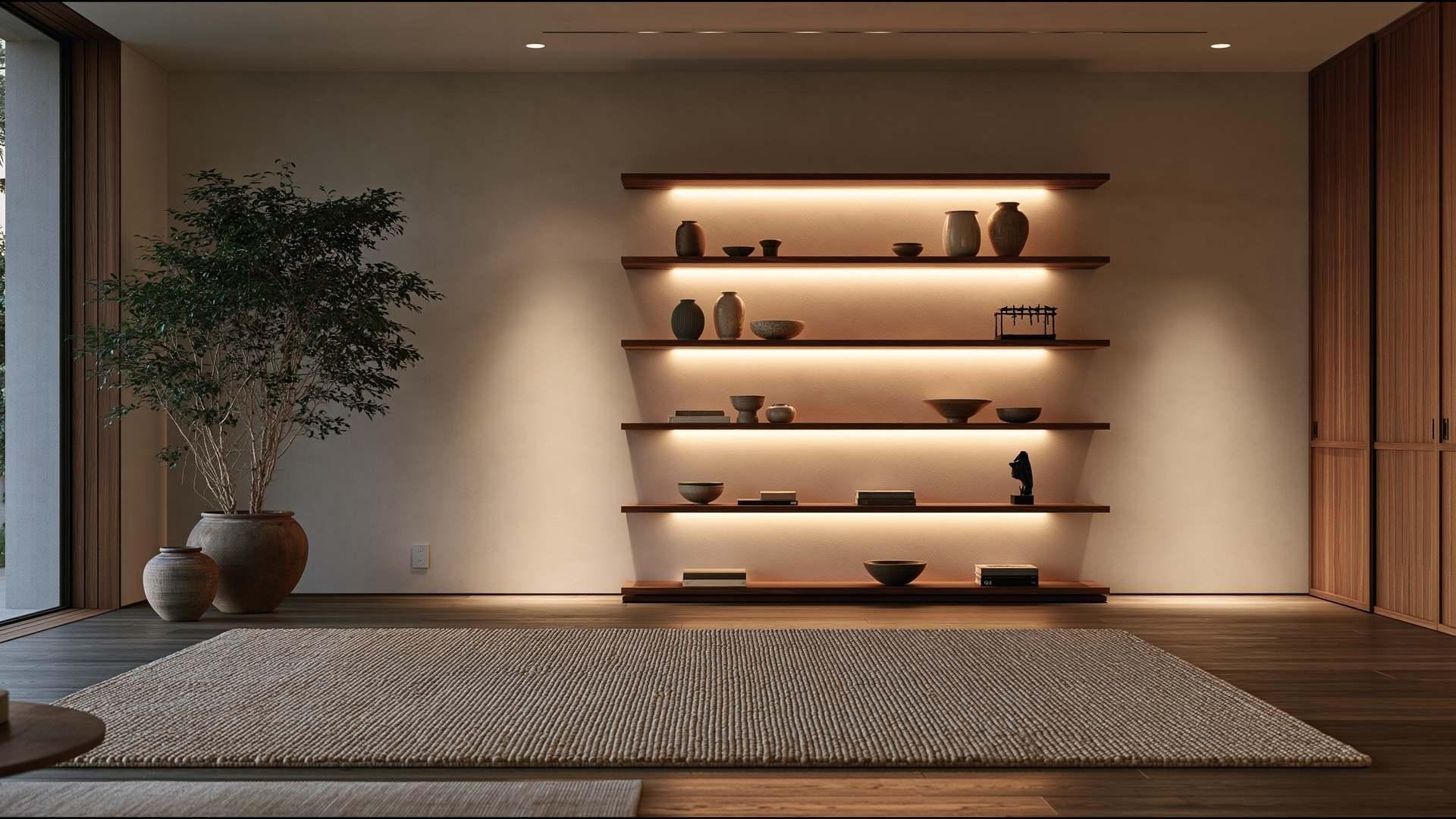
The objects that matter need to be seen, but not all at once. A bookcase or a display cabinet holding a few chosen pieces, changed from time to time the way one rotates pictures, keeps the relationship with what we own alive and stops it fading into the background.
The practical rule is to leave at least a third of the shelves empty. Free space lets the objects present breathe and leaves room for those still to come, because a lived-in house keeps gathering for a lifetime.
In our showroom
AI Generated Content
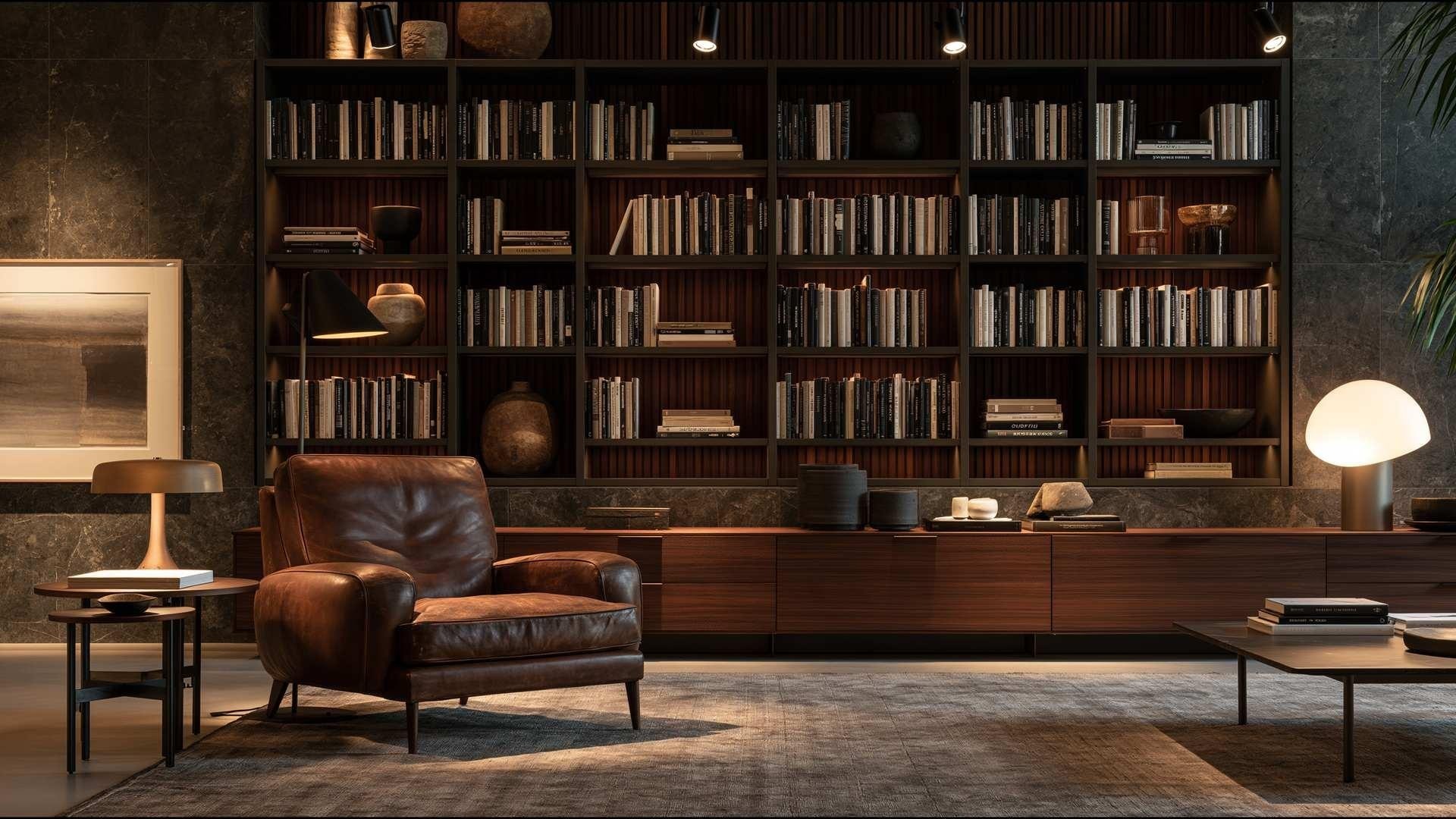
Furnishing around an object you love is a different way of designing: you start from something that already exists and build the rest to accompany it. In our showroom we do this often, with bookcases and storage designed to give each thing its place and its light.
Read more: How to choose modern bookshelves and the bookcases by Devina Nais to give the objects that matter the space they deserve.

Interior Designer since 1985
CEO & Founder, Italian Design in the World