12/13/2024
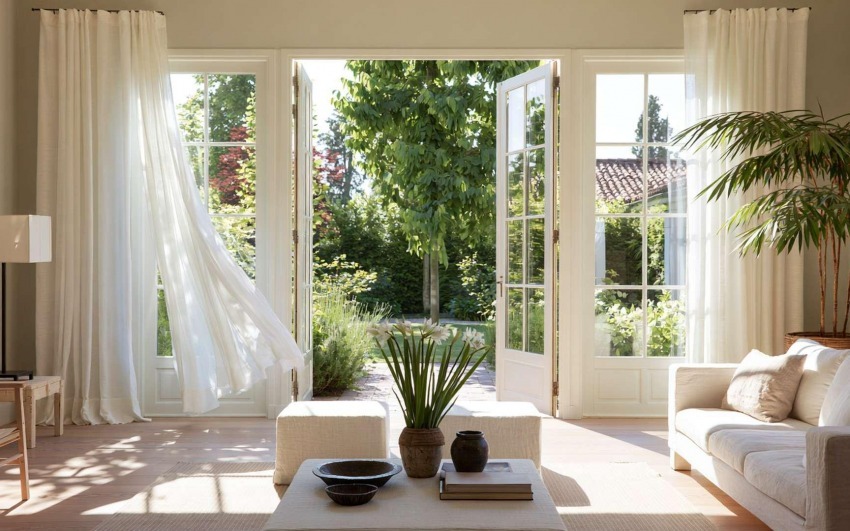
The right seat is key: opt for an ergonomic armchair that provides good back support, preferably with armrests for maximum comfort. Recliners or chairs with integrated footrests can be an excellent choice for complete relaxation.
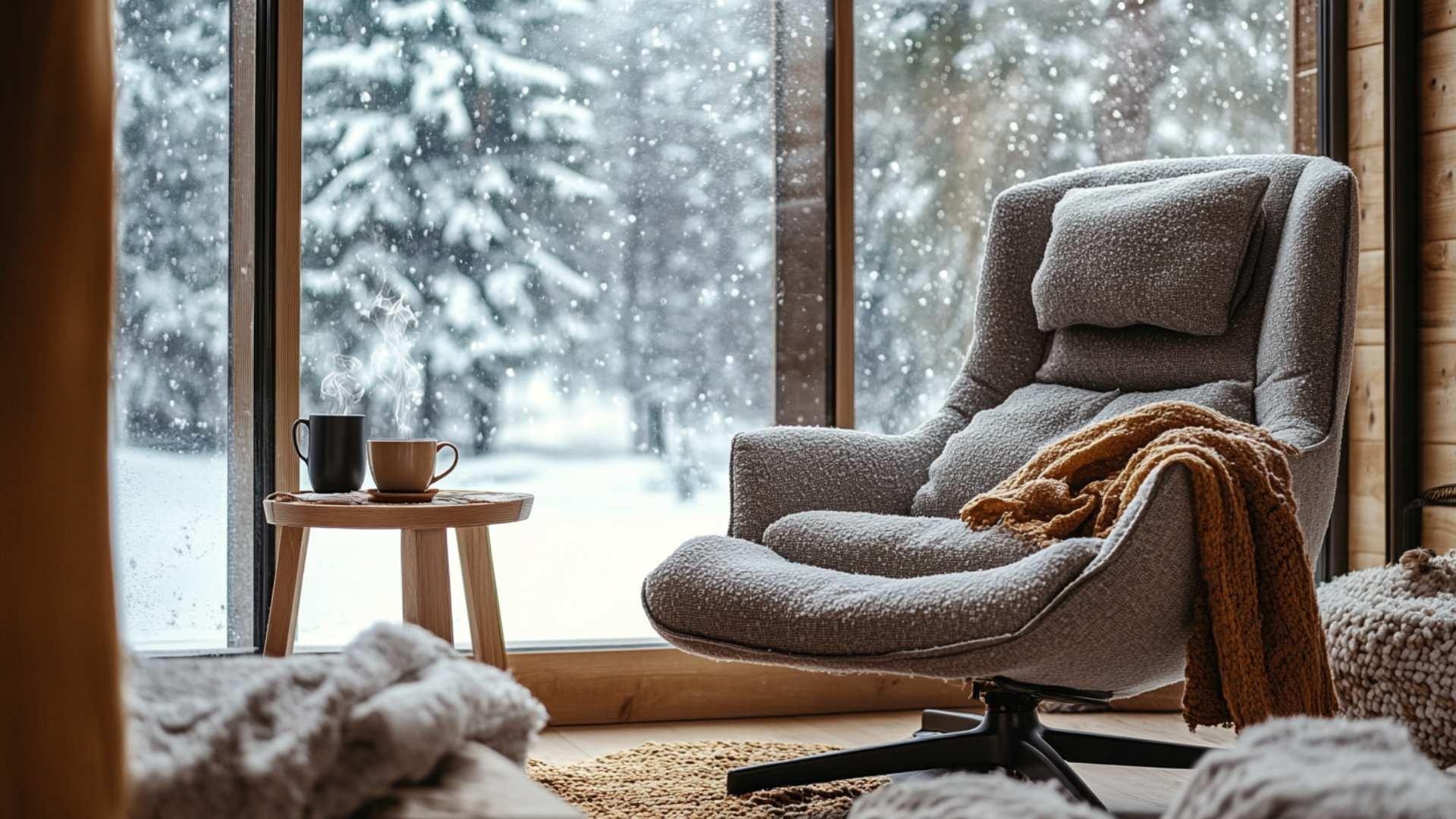
Good lighting is essential for reading. Place an adjustable floor lamp next to the chair with a warm, directable light to avoid eye strain. For added atmosphere, include candles or small decorative lamps.
_b3ee66f9c7_.jpg)
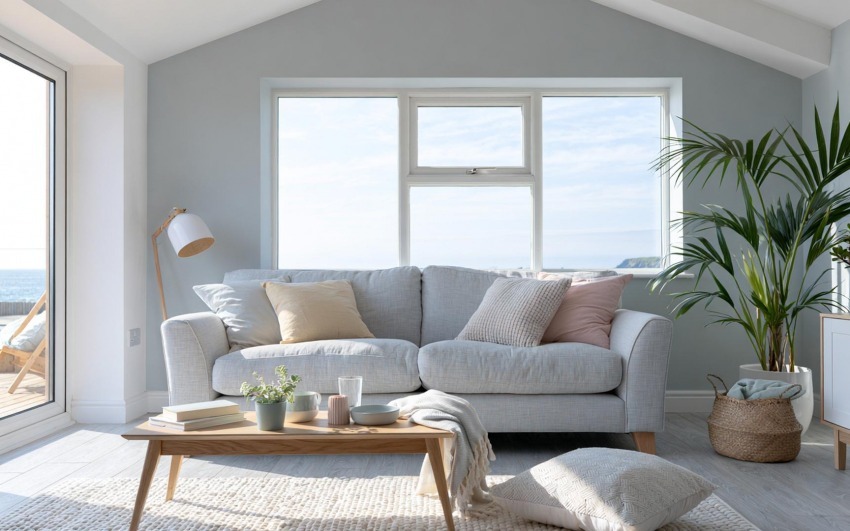
Soft blankets, cozy cushions, and plush rugs make the reading nook more inviting. Choose wool or velvet fabrics for a warm and snug effect.
_7b9648d59e_.jpg)
Keep books within easy reach with shelves, wall-mounted racks, or decorative baskets. If space allows, a small bookcase can become a functional and aesthetic furnishing element.
_2844f046f9_.jpg)
Personalize your reading nook with details that reflect you: a ceramic mug for hot drinks, inspiring artwork or photos, and green plants for a touch of life.
_920ab96db8_.jpg)
Interior Designer since 1985
CEO & Founder, Italian Design in the World
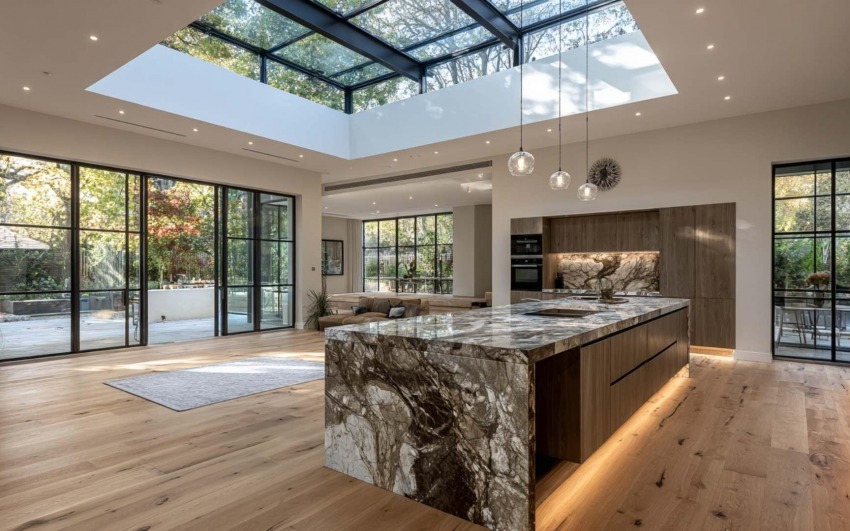
For years, interior design has lived with a contradiction: an obsession with effect. Marble-effect. Wood-effect. Metal-effect. Stone-effect. A home that looks like something, rather than truly being something.
For years, we designed homes as if they had to pass a constant visual exam: perfect light, perfect white, the right chair, the right vase. Interiors built to be photographed more than lived in. Digital aesthetics — polished, minimal, hyper-ordered — entered interior design like an unspoken rule: if it isn’t “clean,” it isn’t beautiful; if it isn’t coherent, it isn’t successful; if it can’t be shown, it isn’t desirable.In 2026, this narrative is losing its power. Not because beauty matters less, but because beauty alone is no longer enough. A new need is emerging: anti-algorithm interiors, spaces not designed for the shot, but for everyday life. Less performative homes, more real ones. Environments that don’t seek approval — they restore energy.This is not a return to chaos. It’s a return to meaning.
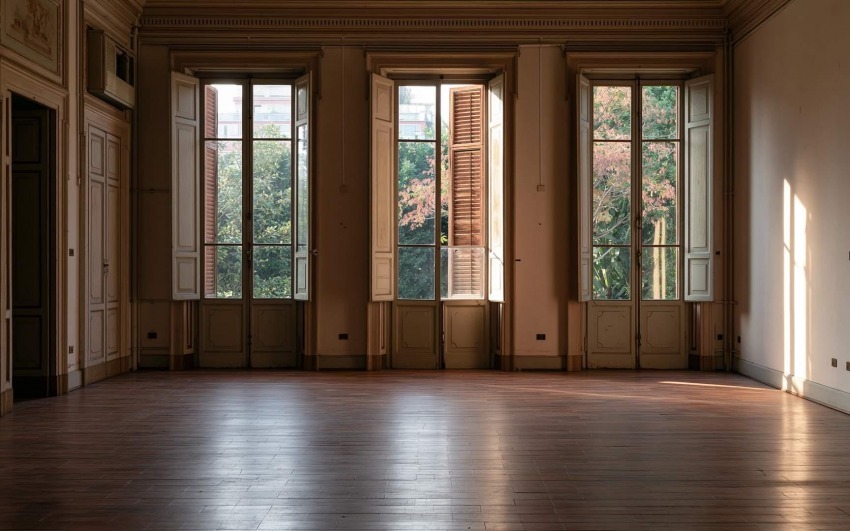
For years, open-plan living symbolized contemporary domestic design: fluid, bright, without barriers. A response to the desire for freedom, openness, and visual continuity.Today, that promise is being reconsidered. In 2026, many projects mark a shift — not a rejection of open space, but its critical evolution. The return of thresholds.
One of the most underestimated challenges in contemporary design is time. Not the time required to design a space, but the time the space must endure: years of daily life, change, wear, and transformation.
In recent years, the home has stopped being a simple functional container. It has become an extension of how we think, how we experience time, and how we relate to the world. Living today is a cultural act — a conscious choice that reflects values, priorities, and pace of life. It’s no longer just about aesthetics. It’s about position.
Homes have become more than places — they have become temporal landscapes. Design is shifting from objects to gestures, from furniture to the choreography of daily life.