11/13/2026
How much is needed
AI Generated Content
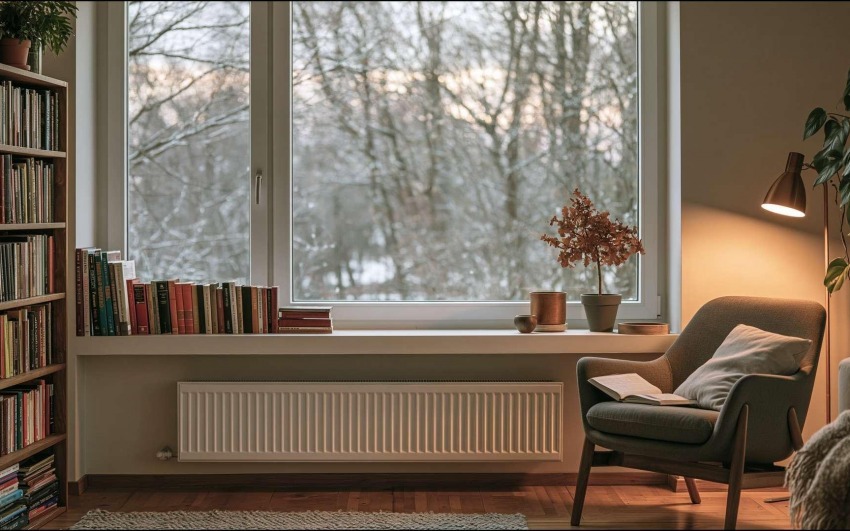
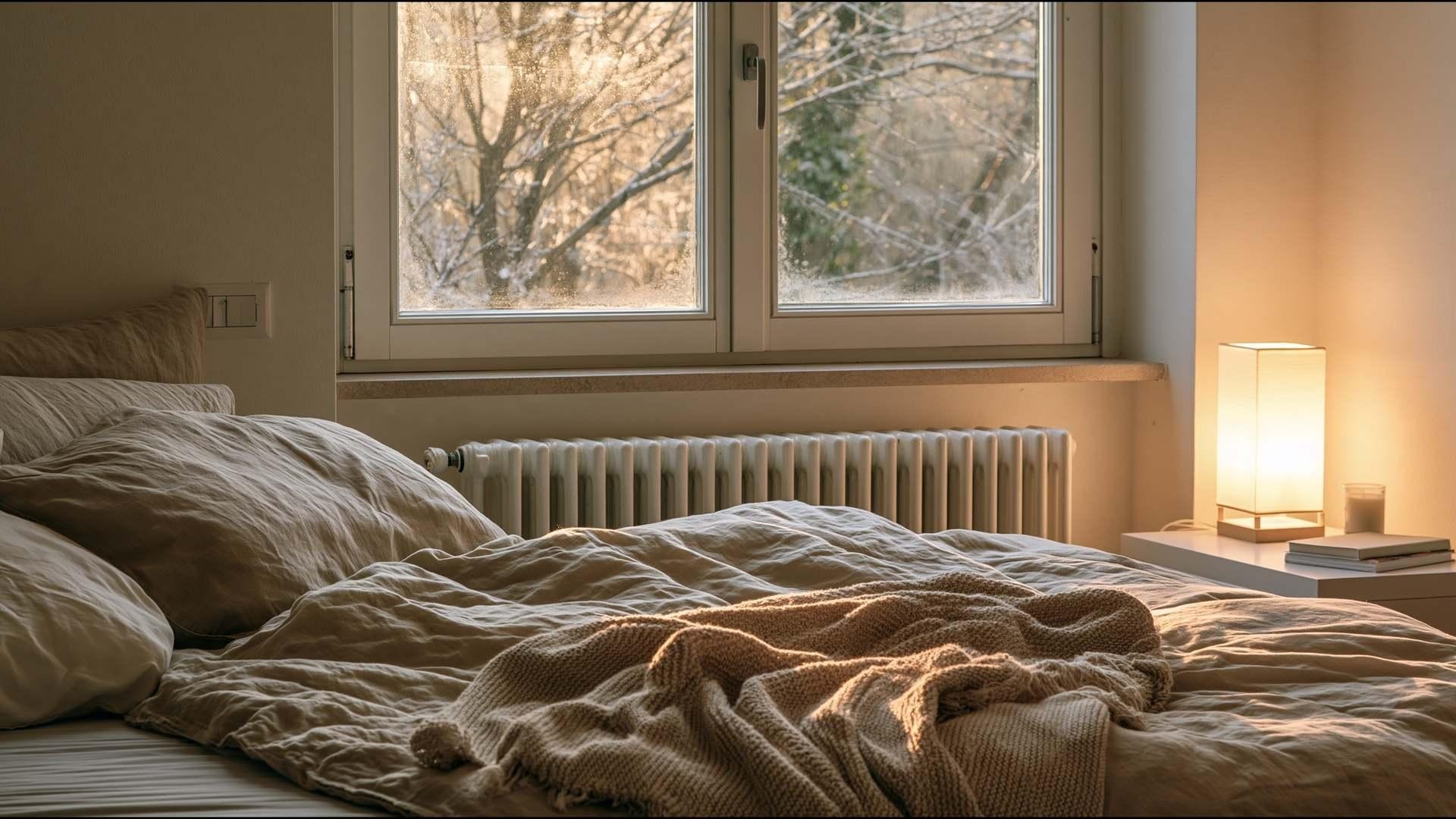
To feel well, and for materials to stay well, relative humidity at home should stay between 40 and 60 per cent. In winter, in heated rooms, it easily drops below 30. The reason is physical: the cold air coming in holds little water, and once it is warmed the percentage collapses.
A hygrometer costs a few euros and removes all doubt. It is worth keeping one in the bedroom and one in the living room, and watching them for a few weeks before deciding whether to act.
Wood moves
AI Generated Content
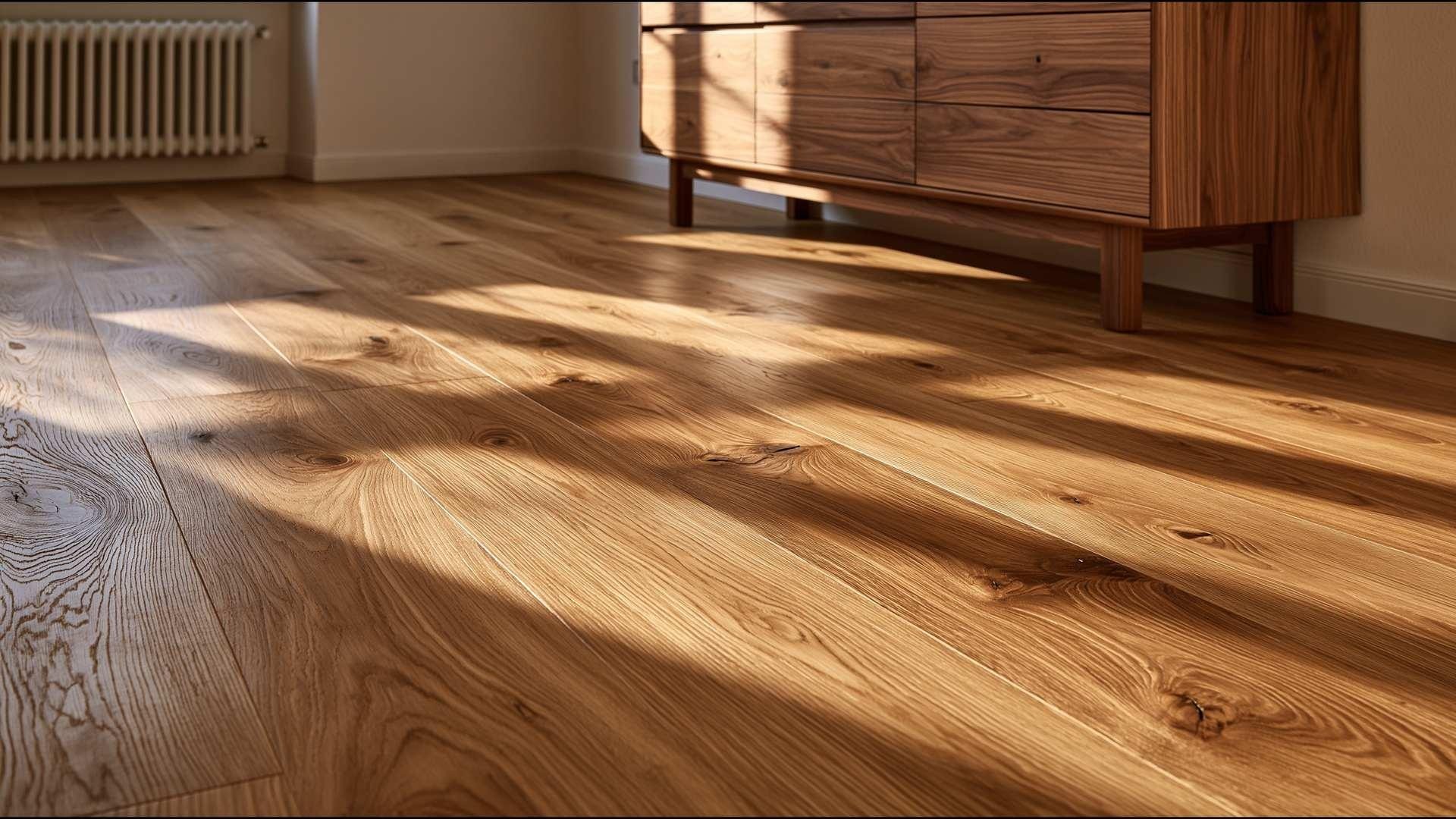
Wood exchanges moisture with the air for its whole life. In winter it gives it up and shrinks, in summer it takes it back and swells. On parquet this is easy to see: thin gaps appear between the boards and close again by themselves in spring. Within limits this is normal, and engineered floors move much less than solid wood.
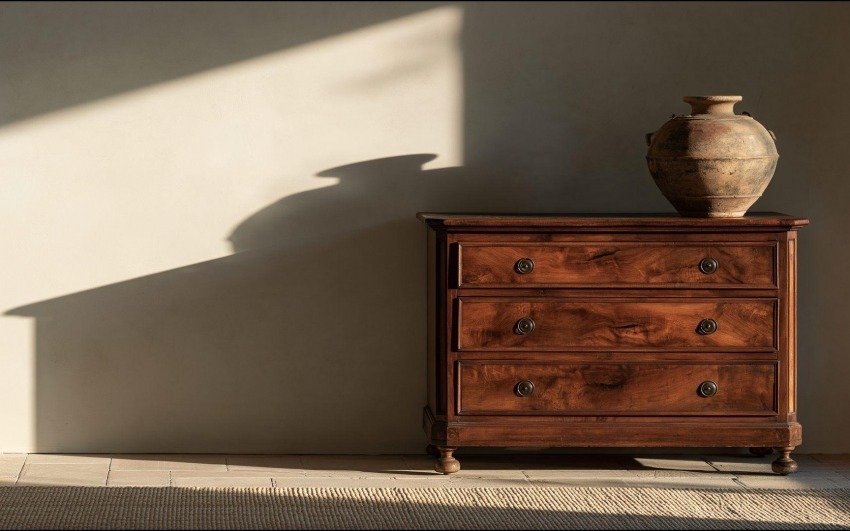
The same goes for tables, sideboards and doors. A solid wood piece standing right next to a radiator works harder than the others, and over time it can crack or warp. Moving it a few tens of centimetres is often enough.
Putting water back in the air
AI Generated Content
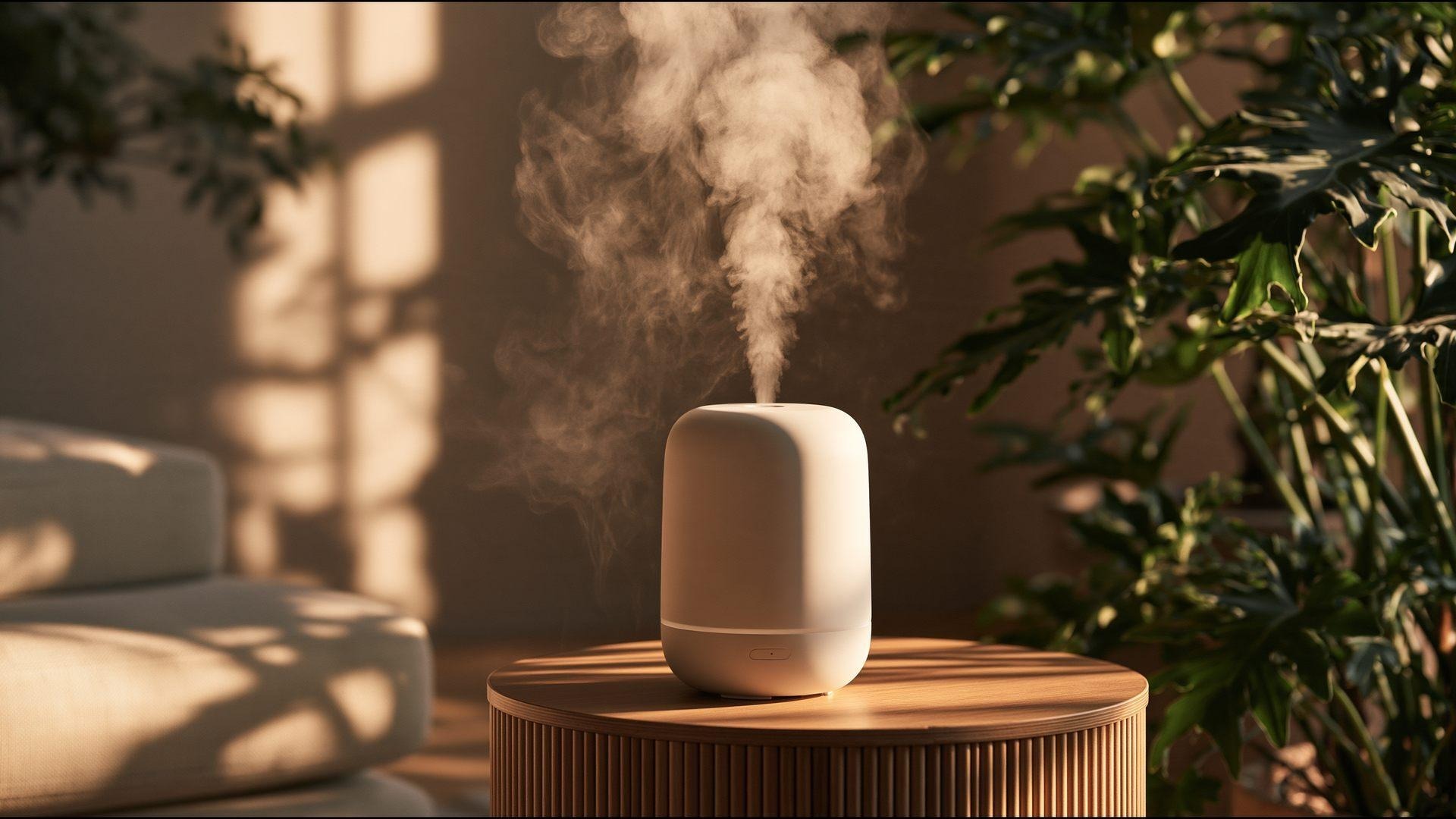
The most effective remedy is a humidifier, cleaned regularly so that limescale and stagnant water do not end up in the air you breathe. Plants help a little, as does laundry dried indoors, which should be managed so that dry air does not turn into condensation on the windows.
The little trays hung on radiators do less than people think. Lowering the temperature works better: between 19 and 20 degrees the air dries out less, and the house still feels warm. Airing remains necessary, but for a few minutes with the windows wide open, so the air changes without chilling walls and furniture.
Leather and fabrics
AI Generated Content
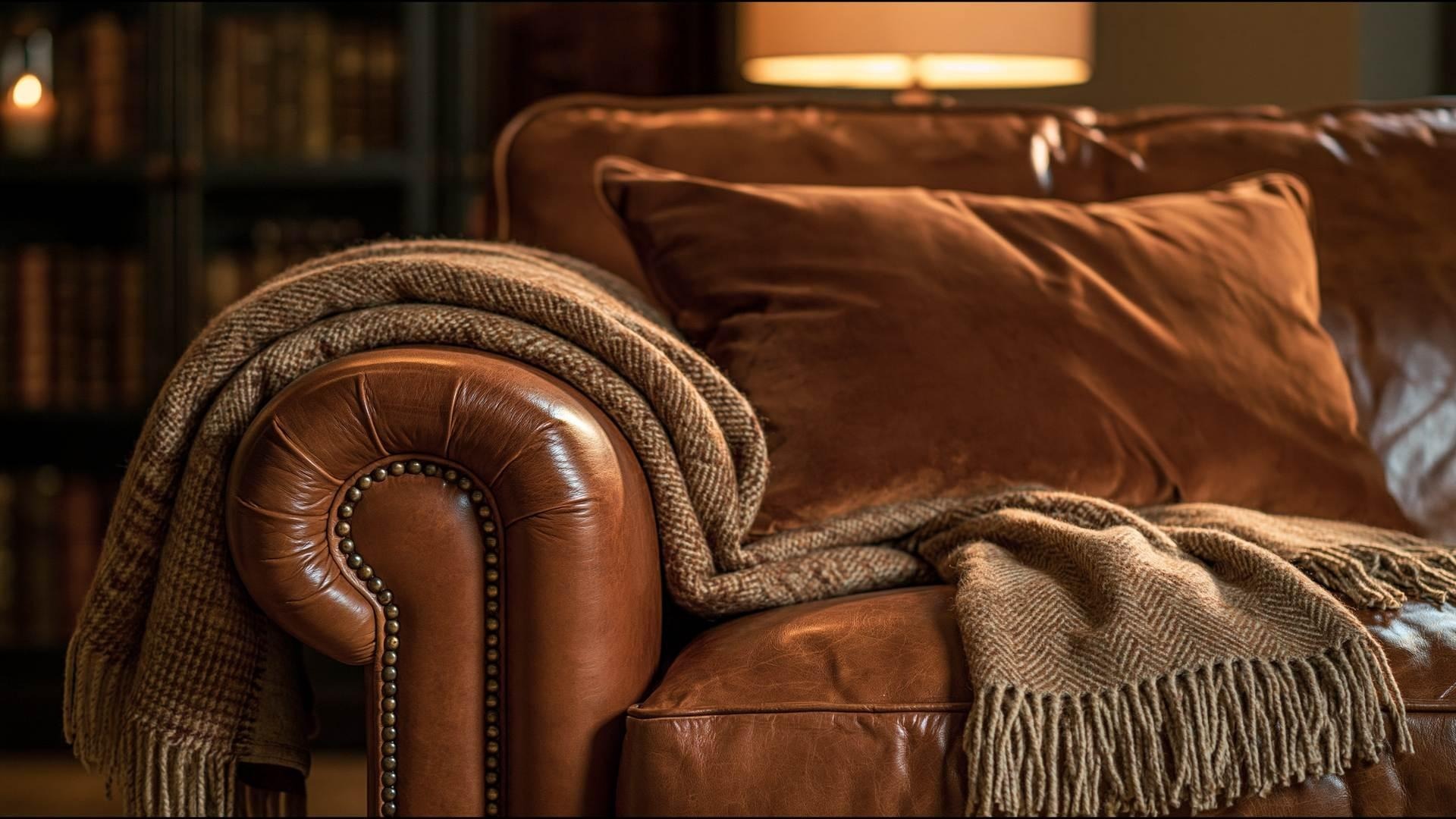
The leather of a sofa suffers from dry air as much as wood does. If it dries out too much it loses its softness and eventually cracks, especially on the arms and backs exposed to heat. A specific nourishing cream twice a year, applied with a soft cloth, keeps it supple.
Natural fabrics feel the dryness too: wool and linen hold more static, velvets flatten. A room with the right humidity extends the life of everything you touch.
In our showroom
When we choose floors and furniture we consider how they will behave in winter, beside the radiators or over underfloor heating. In our showroom we compare engineered and solid parquet and explain how to care for them from one season to the next.
Read more: Ventilate the house in winter to keep the rooms healthy and the parquet by Ter Hürne for wooden floors that stay stable with the heating on.

Interior Designer since 1985
CEO & Founder, Italian Design in the World