7/03/2026
The table isn't a surface: it's a territory
AI Generated Content
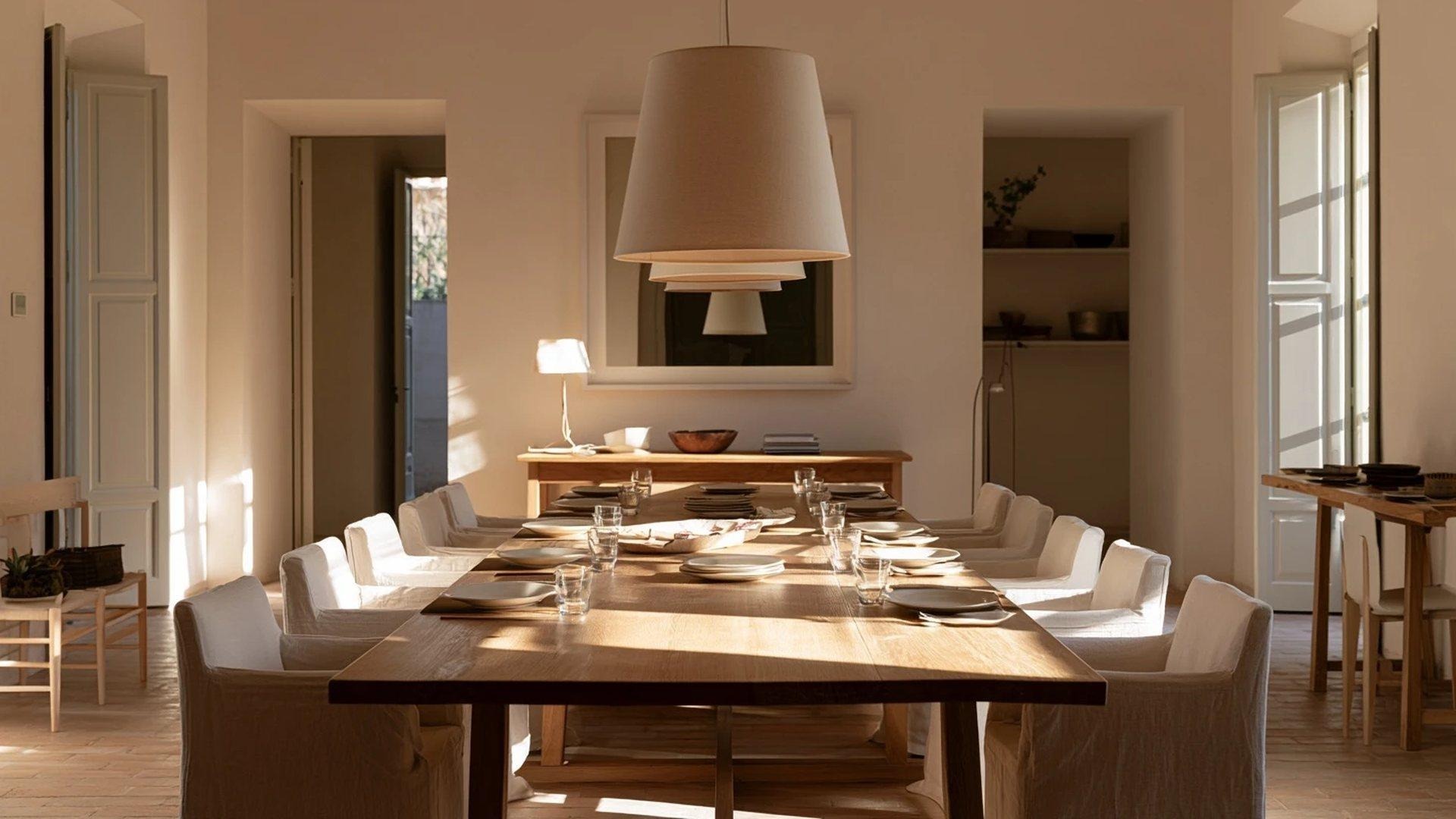
The sofa is individual, everyone has their corner. The bed is intimate. The table is where the home becomes collective: where meals happen, where children do homework while someone cooks, where guests sit before moving to the living room, where remote work occupies the empty lunch hours. No other piece of furniture in the home carries this density of overlapping functions.
Yet in residential design the table is often chosen last, as a completion of the kitchen or living room, based on remaining measurements and budget. The result is a table that "fits", but doesn't govern the space, and a space that doesn't quite know what to do around it.
Dimensions: the most common mistake
AI Generated Content
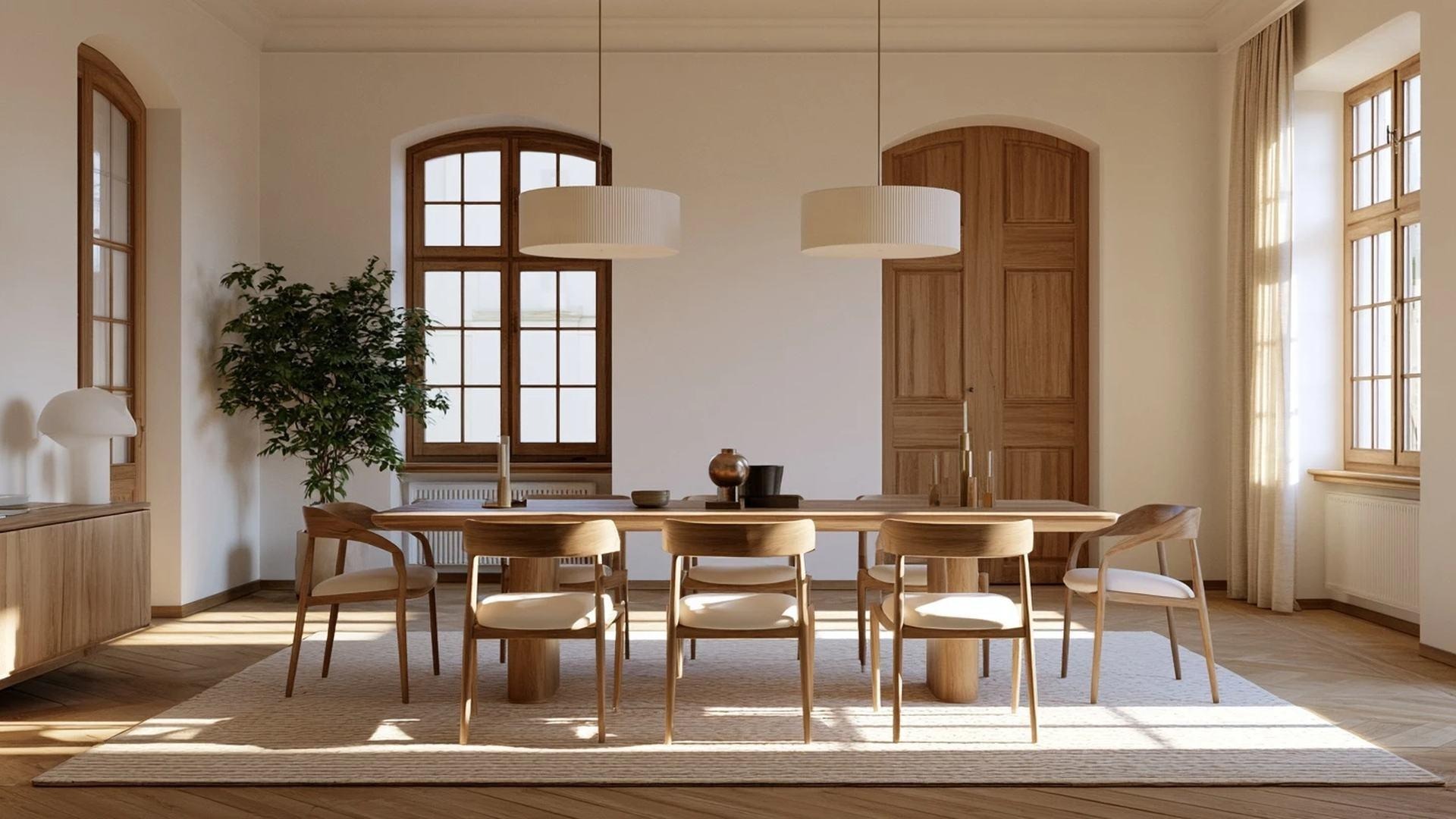
The basic rule is 60-70 cm per person: not the seat width, but the space a person occupies while eating, arms included. A table for six needs to be at least 180x90 cm. A table for four in a narrow kitchen needs at least 120x80 cm. Below these measurements you eat uncomfortably, and discomfort quickly turns to irritation.
An extendable table solves the special-occasions problem but creates a daily-posture one: the extensions are often not level with the fixed surface, guests' legs find the extension rails, perceived quality drops. The choice between fixed and extendable isn't only practical: it says how often you expect to use the table at full capacity.
Material and maintenance: the truth no one tells you in the showroom
AI Generated Content
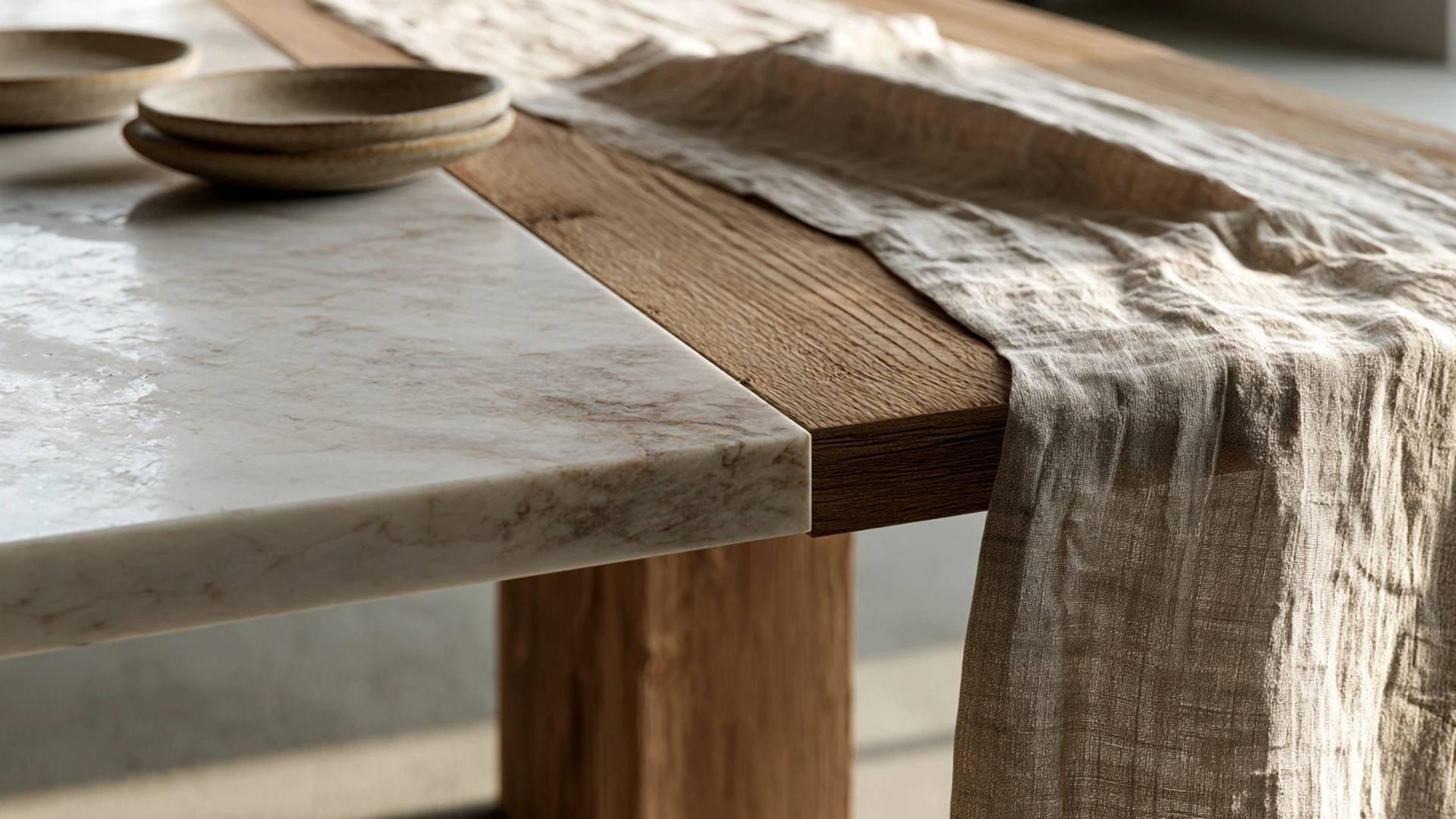
Marble is beautiful and requires protection from acids (vinegar, lemon, wine), annual maintenance and resignation to micro-abrasions. Solid wood changes with humidity, can split if not seasoned properly, but can be refinished indefinitely. Glass reflects every fingerprint and amplifies every cutlery sound. Resin is the most practical and the least capable of ageing gracefully.
Before choosing the table's material, answer honestly: are there children? Is there cooking with spices and sauces? Is red wine drunk with guests who gesticulate? The showroom table is cleaned after every shoot: yours will be cleaned after every meal, but also forgotten for days at a time.
The light above the table: the detail that changes everything
AI Generated Content
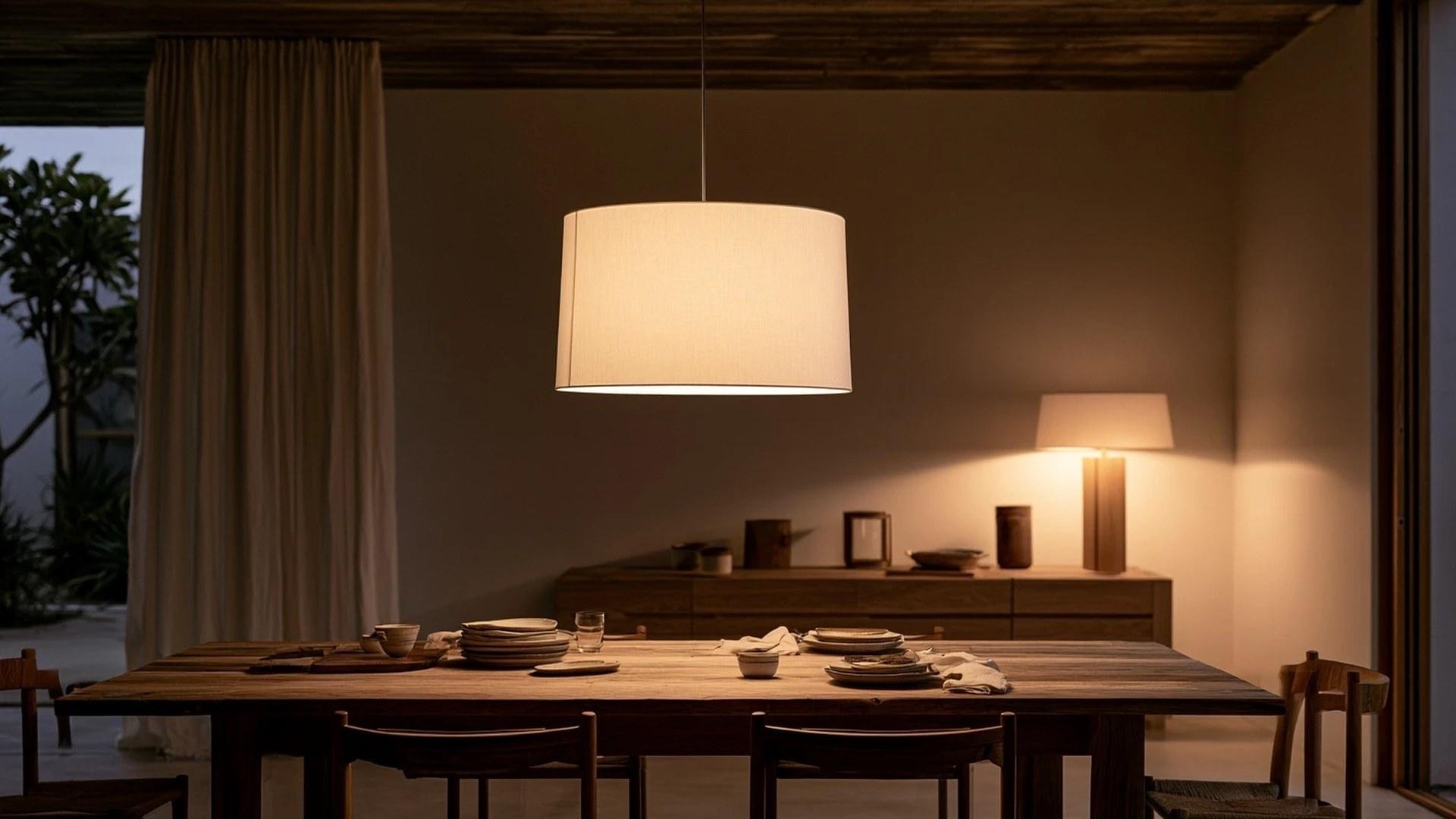
Light above a dining table must illuminate the surface and people's faces, not the ceiling. A pendant lamp at 70-80 cm from the table surface, with 2700K bulbs, transforms any dinner into an occasion. The same room with a central ceiling spotlight produces harsh shadows on faces, makes food look less appetising and makes diners feel they're under interrogation.
A dimmer is the most underrated investment in domestic lighting: with a thirty-euro controller you can take the same lamp from "quick Tuesday lunch" to "Saturday dinner with friends". The light doesn't change: its intensity does, and with it the atmosphere of the entire room.
In our showroom
AI Generated Content
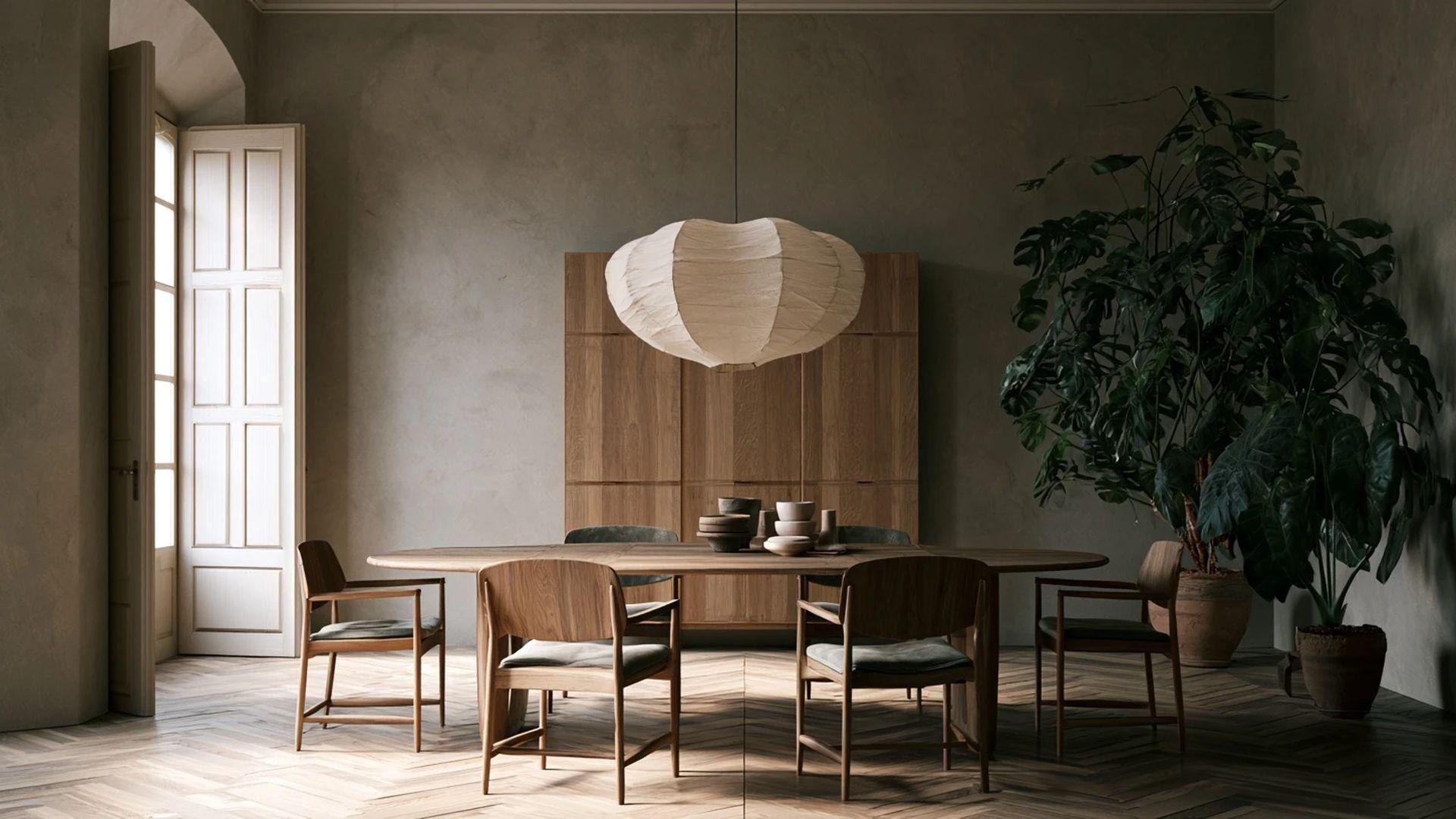
The table is always seen empty, perfect, unlived. The IDW project considers the table full: with plates, with people, with conversations. That is the right measure by which to choose it.
Read more: The Floor Speaks: materials, texture and the surface we inhabit and the sculptural tables of Cattelan Italia, where material is design, not finish.
_14077b47db_23.jpg)
Interior Designer since 1985
CEO & Founder, Italian Design in the World