6/05/2026
The most walked-on surface (and the most ignored)
The floor isn't background: it's the first element the body registers, even before the eyes do.
We enter a room and feel it underfoot before we look at it. Hardness, temperature, the sound of footsteps: information the nervous system processes in fractions of a second. Yet in residential projects, the floor is often chosen last — after furniture, after wall colours, sometimes after door handles. A sequencing mistake you pay for every day.
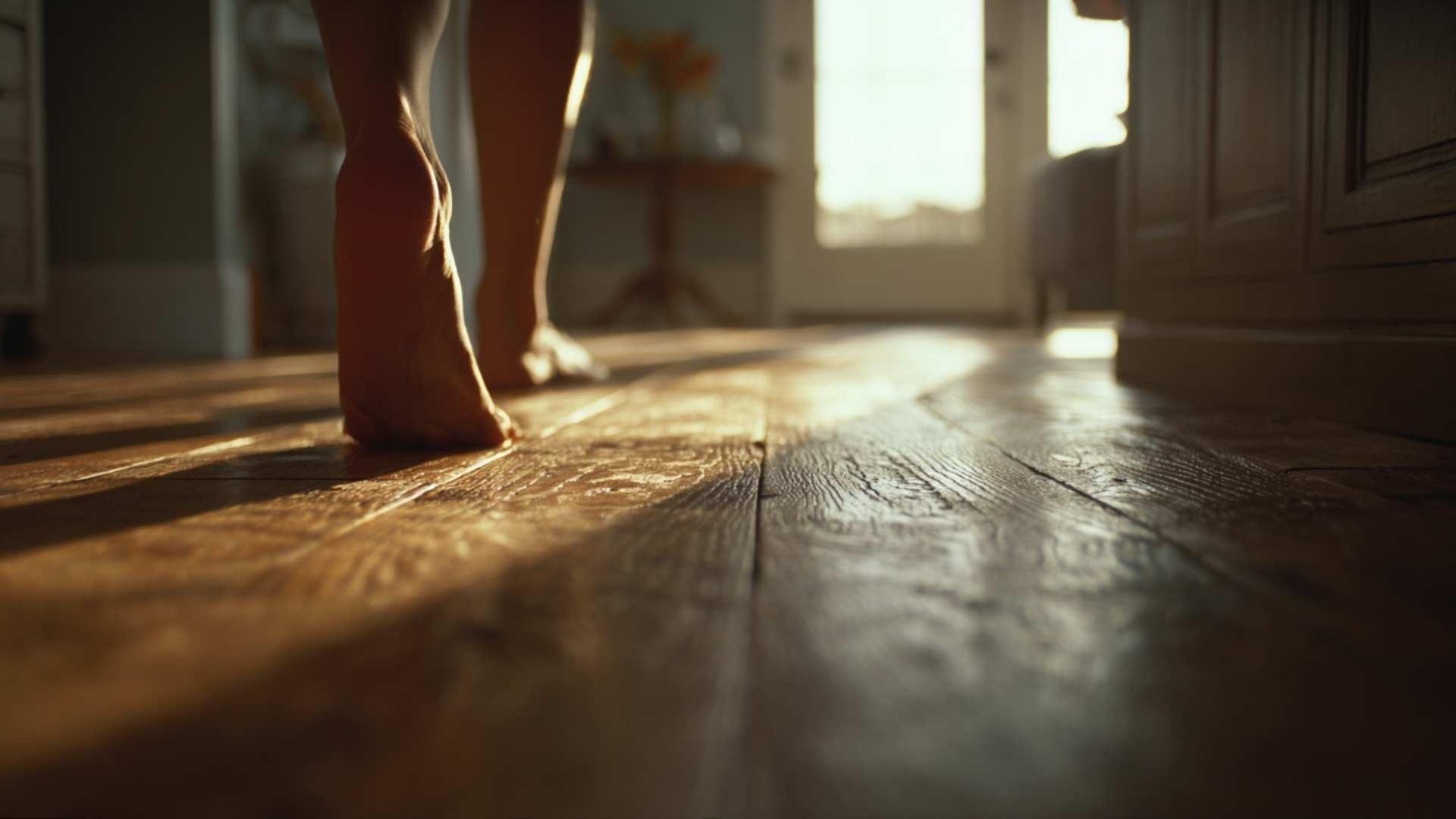
A warm floor underfoot on a barefoot morning isn't a comfort detail: it's the first impression the home makes on a waking body. A cold, hard, reflective floor changes a room's acoustics and light perception at every hour. Treating the floor as a neutral backdrop means giving up the contribution of the home's most extensive material.
AI Generated Content
Wood, stone, resin: each has a voice
There are no neutral materials: only materials that speak quietly and materials that shout.
Wood changes over time — it warms, takes on patina, tells the story of use. It's a material that "ages well" in the fullest sense: it doesn't deteriorate, it gains character. Stone carries geological memory and thermal mass; it makes you feel the ground beneath you, not a product on top of it. Resin unifies, erases joints, creates optical continuity — but demands careful lighting design, because it reflects everything.
Ceramic and porcelain stoneware today offer surfaces that imitate any material — and here lies the issue: imitate or be? A wood-effect tile isn't wood, and the body knows it even when the eye accepts the illusion. The choice between authentic material and imitation is a design decision, not only an economic one: it says something about how you want to live.
_65240e68c4_.jpg)
AI Generated Content
The floor change as psychological boundary
A shift in material or level does what a wall doesn't always do: signals without dividing.
In open-plan spaces and between rooms, a floor change is one of the most effective tools for defining zones without building walls. From wood to stone, from resin to terracotta: the transition tells the body "you're somewhere else" before the plan does. It's not a decorative device — it's architecture without structure.
The same logic applies to corridors and entrances. A hallway with a different floor from the rest of the home is a vestibule even without walls: it says you're moving from outside to inside, from public to private. It's the permanent version of a rug.
_813b961ecd_.jpg)
AI Generated Content
Reflection, opacity and light: how the floor modifies the room
A glossy floor doubles the light. A matte floor absorbs it. Both change the room.
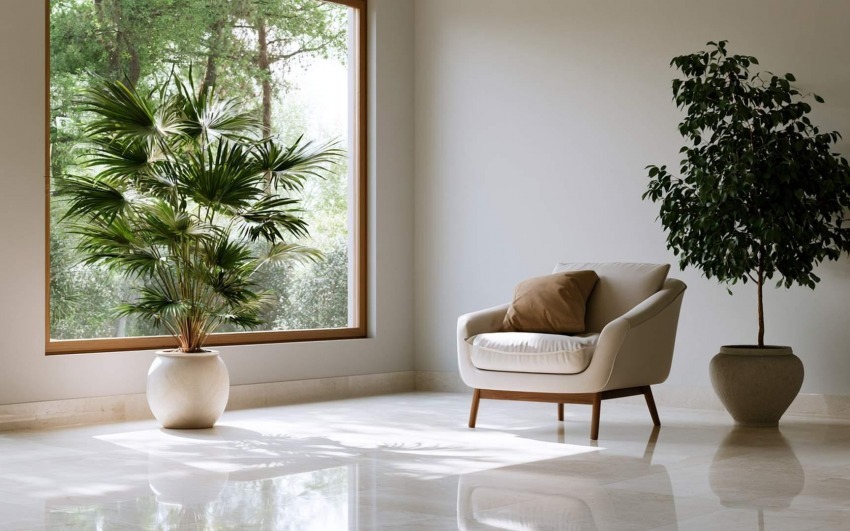
Floor surface finish is a light multiplier: polished resin reflects ceilings and windows, amplifying brightness but also multiplying glare. A brushed parquet absorbs light and returns it as warmth. A glazed terracotta reflects colours unpredictably. Before choosing a finish, it's worth asking: at what time of day will I see this material? Under what artificial light in the evening?
The laying direction — the orientation of parquet strips, the alignment of slabs — can visually lengthen a room or make it feel more square. It isn't a secondary detail: it's geometry the brain processes without noticing.
_62a7d326cc_.jpg)
AI Generated Content
In the showroom, the floor is often the element clients touch first with their foot — and judge with their body before looking at it. The IDW project starts there: not from what you see in photographs, but from what you feel underfoot. Because a home is first of all inhabited from the ground up.
_14077b47db_23.jpg)
Interior Designer since 1985
CEO & Founder, Italian Design in the World