7/10/2026
Warm to the touch, cool to the touch
AI Generated Content
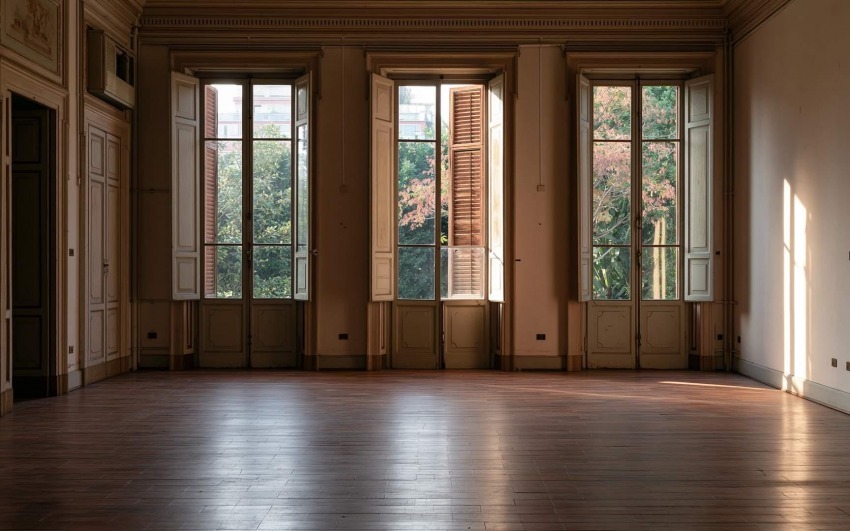
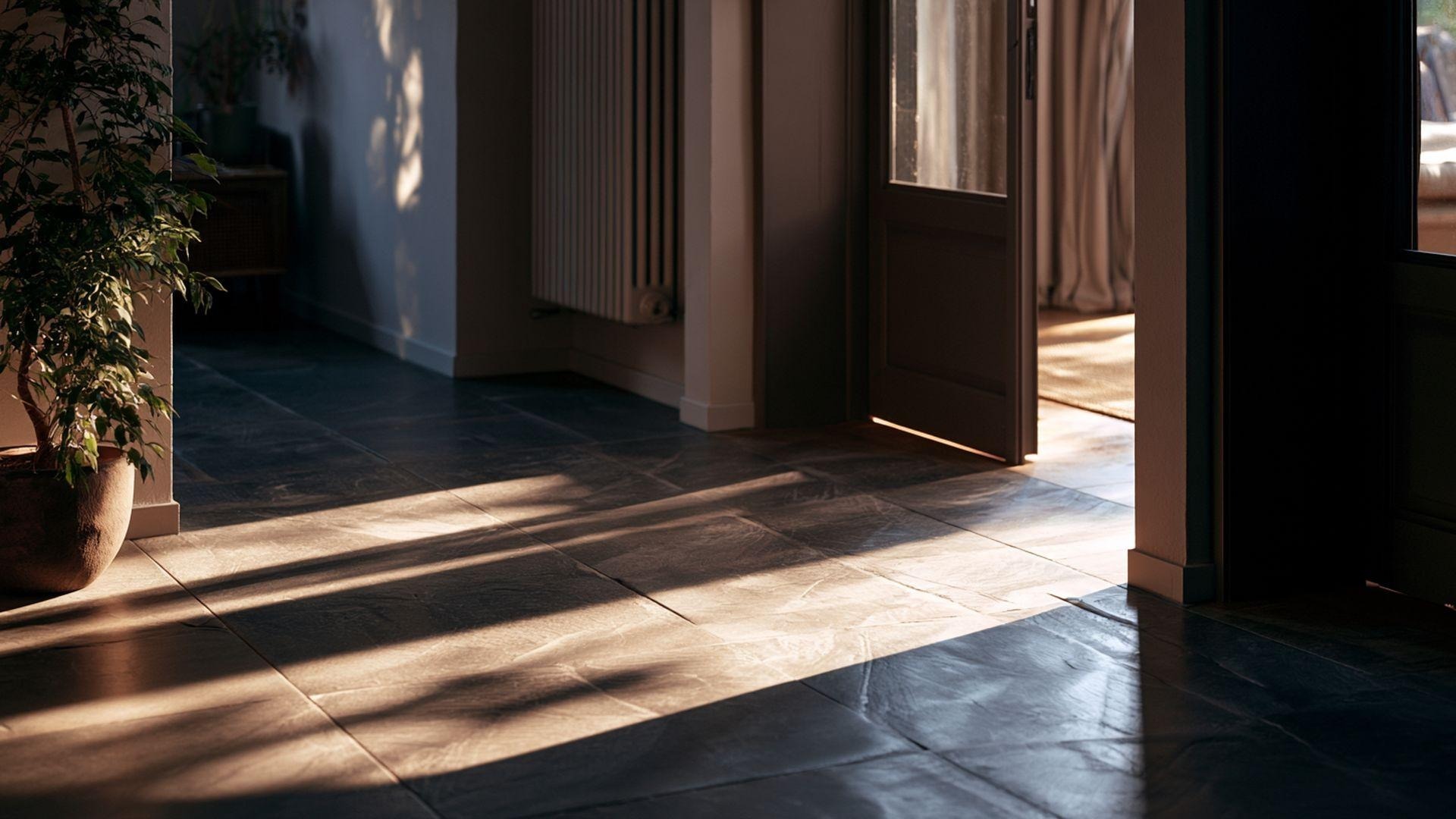
The bare foot knows more than the eye. A stone floor is cool in the morning, a dark laminate burns at noon, a metal seat left in the sun becomes untouchable. The same room, with the same furniture, changes completely depending on how its surfaces react to heat.
In summer this reaction decides where we sit, where we rest our hands, where we feel like walking barefoot. It is physical information, immediate, coming before any aesthetic judgement.
The materials that stay cool
AI Generated Content
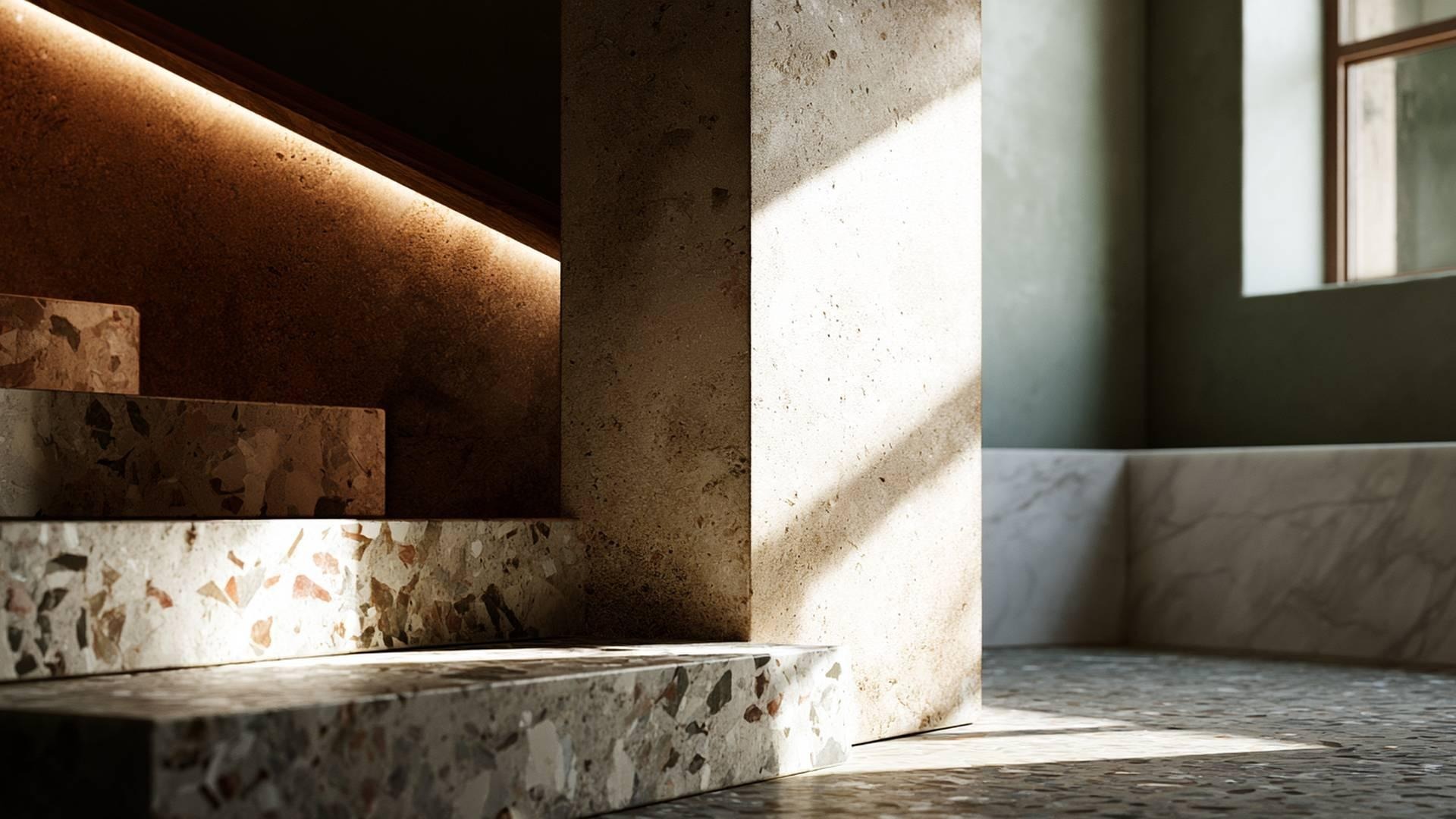
Stone, terracotta, terrazzo, porcelain, marble: high-mass materials absorb slowly and release slowly, and in the hot hours they stay cooler than the air. They are the floors of old houses, chosen by instinct long before style. Textiles count too: linen and cotton breathe and dry, while many synthetics hold the heat and cling to the skin.
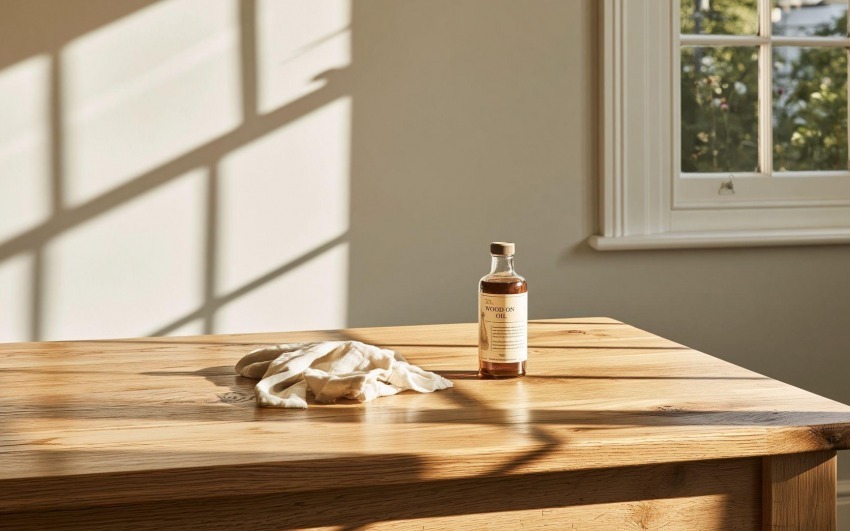
It is not about giving up wood or soft fabrics, but knowing where to place them. A pale matte wood stays pleasant, a resin reflects and stores heat, a natural fibre makes the difference on a sofa used all day.
Colour counts as much as material
AI Generated Content
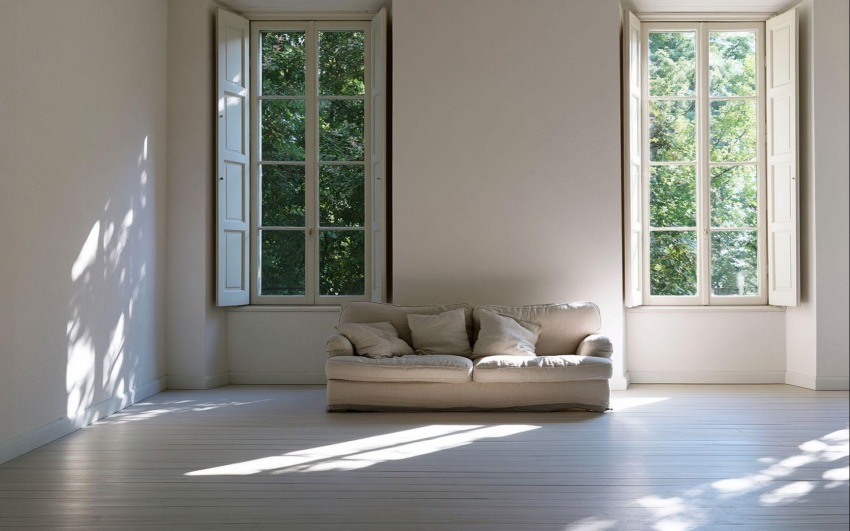
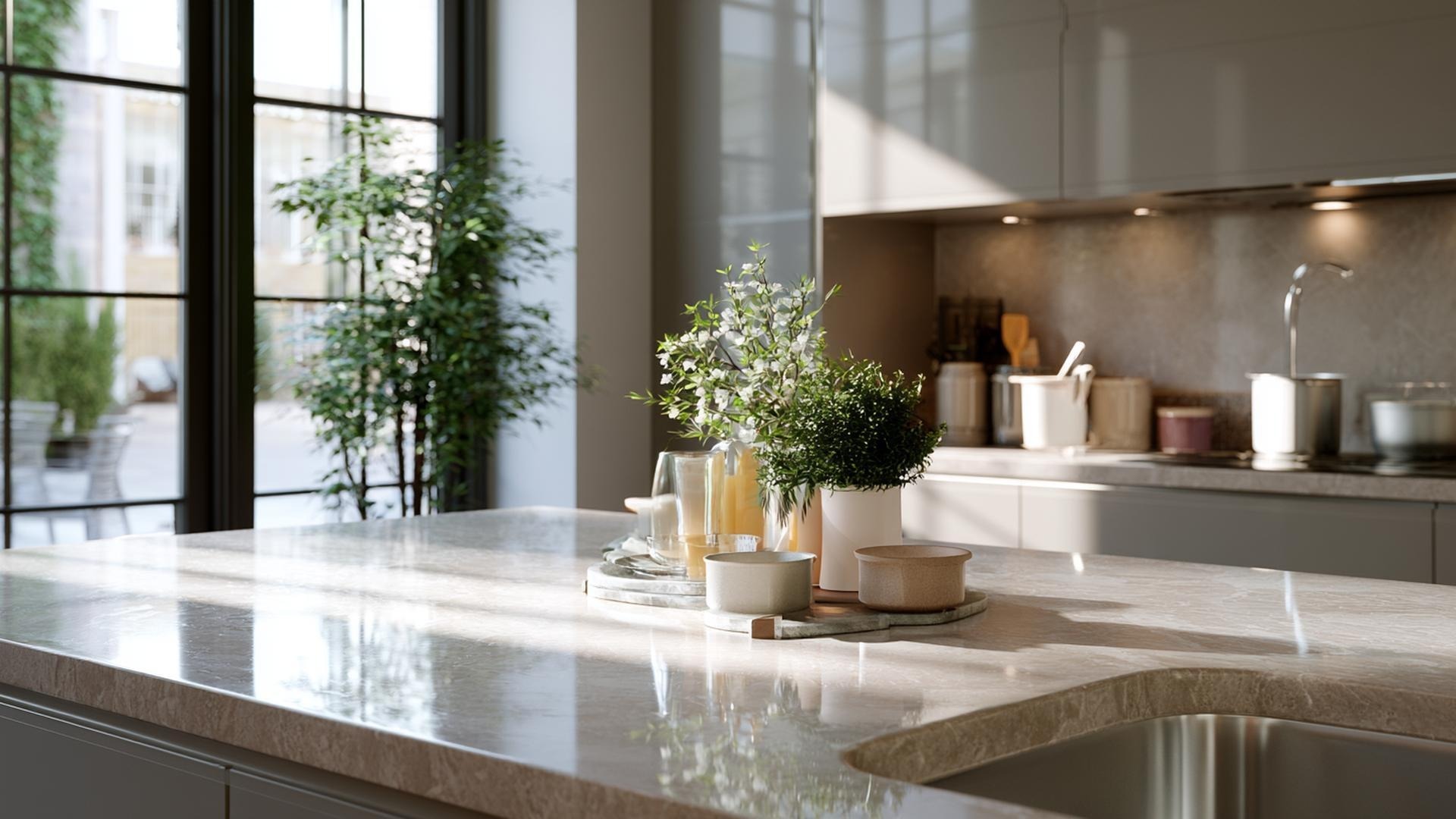
A pale surface reflects most of the radiation, a dark one turns it into heat and holds it. A black kitchen top in the sun can become scorching, the same top in a light tone stays warm at most. It applies to outdoor floors, worktops, seats, any surface that takes direct light.
Choosing the colour of a summer surface is therefore a thermal decision, not only a chromatic one. It is why the architecture of hot climates has always been pale: white and soft tones are not a fashion, they are a strategy.
Where to put the cool
AI Generated Content
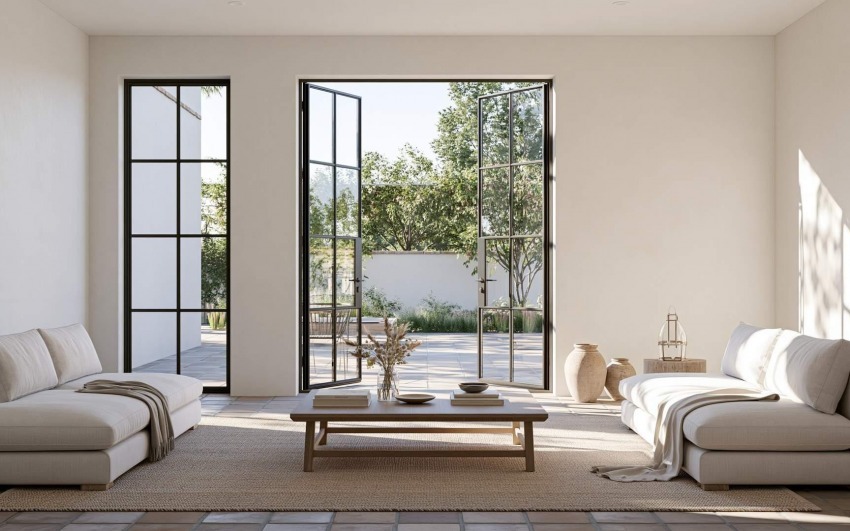
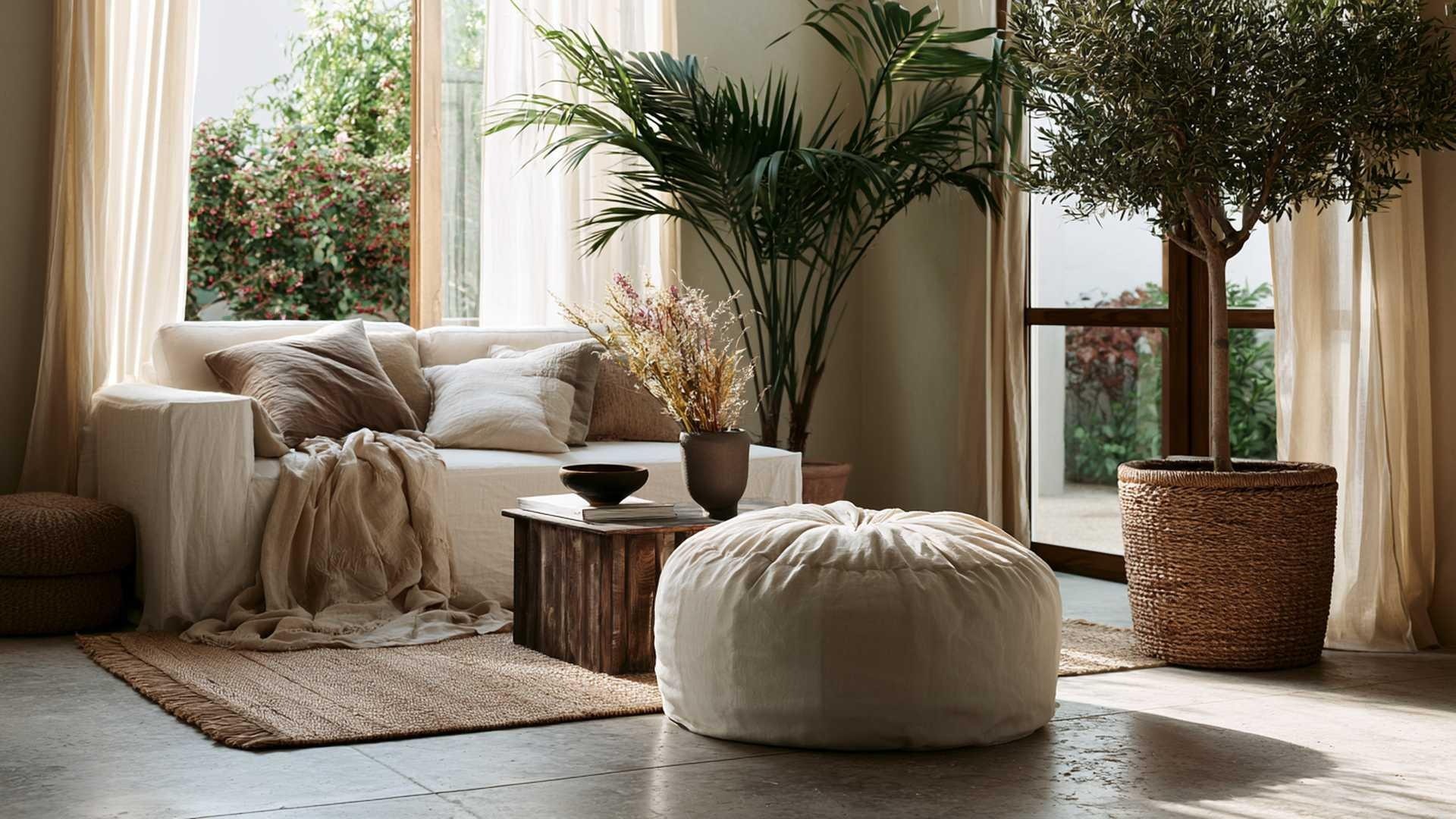
The practical rule is simple: cool materials where the body touches and lingers. Stone or porcelain where you walk barefoot, pale tops where the sun hits, natural textiles where you sit in the hot hours, wood and softness where heat does not arrive directly.
It is a distribution designed room by room, looking at orientation and how the spaces are really used. The most comfortable home in summer is often the one where someone thought, surface by surface, about what you feel under your fingers and your feet.
In our showroom
AI Generated Content
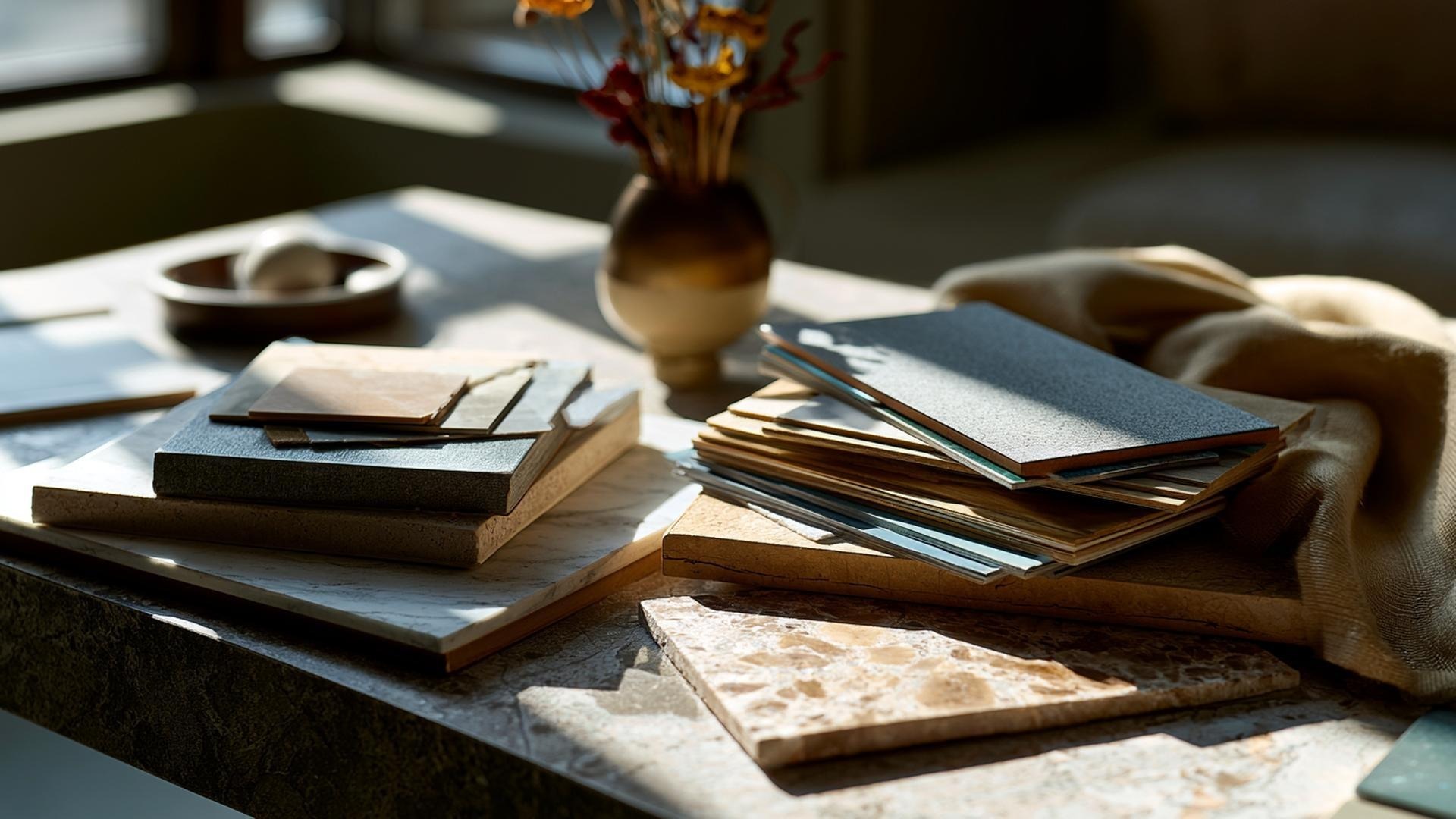
In our showroom materials are there to be touched, and in summer touch is the most honest sense to trust. We bring samples to the light, let them take on temperature, compare them by hand: because a floor and a worktop are also chosen with the body, not only with the eye.
Read more: The Floor Speaks: materials, texture and the surface we inhabit and Laminam surfaces for floors, tops and cladding.
_14077b47db_23.jpg)
Interior Designer since 1985
CEO & Founder, Italian Design in the World