7/17/2026
The freedom of owning little
AI Generated Content
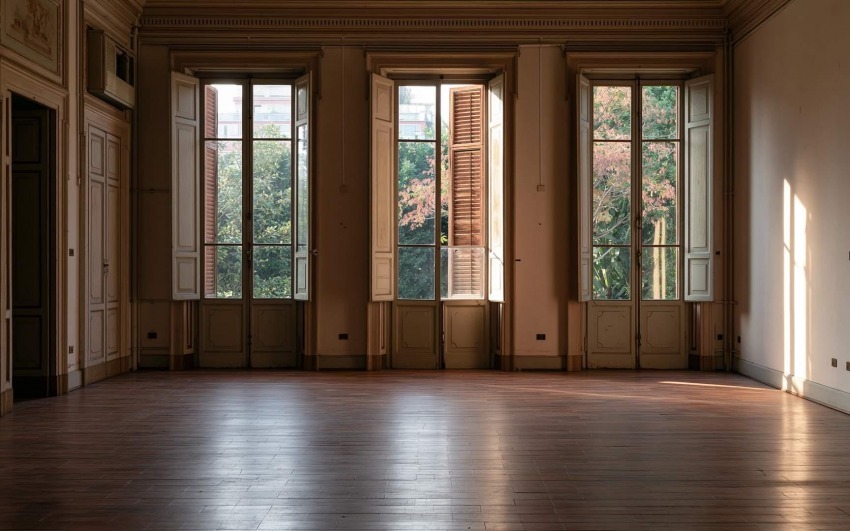
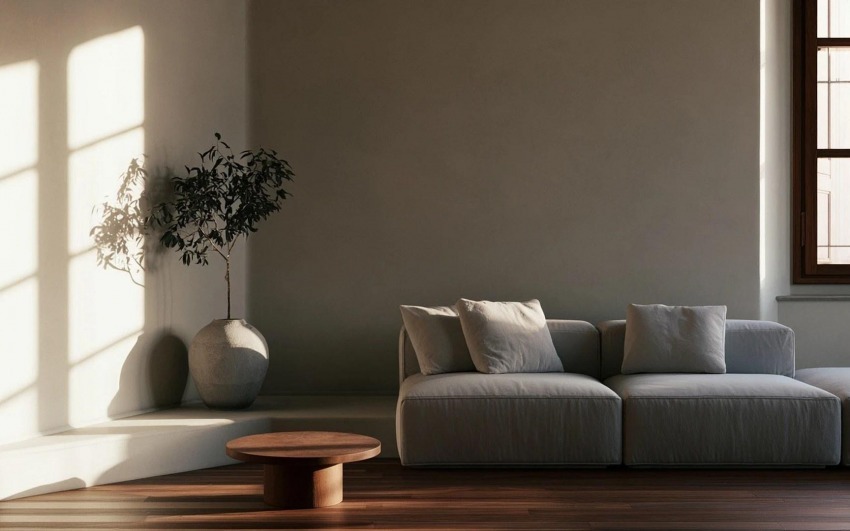
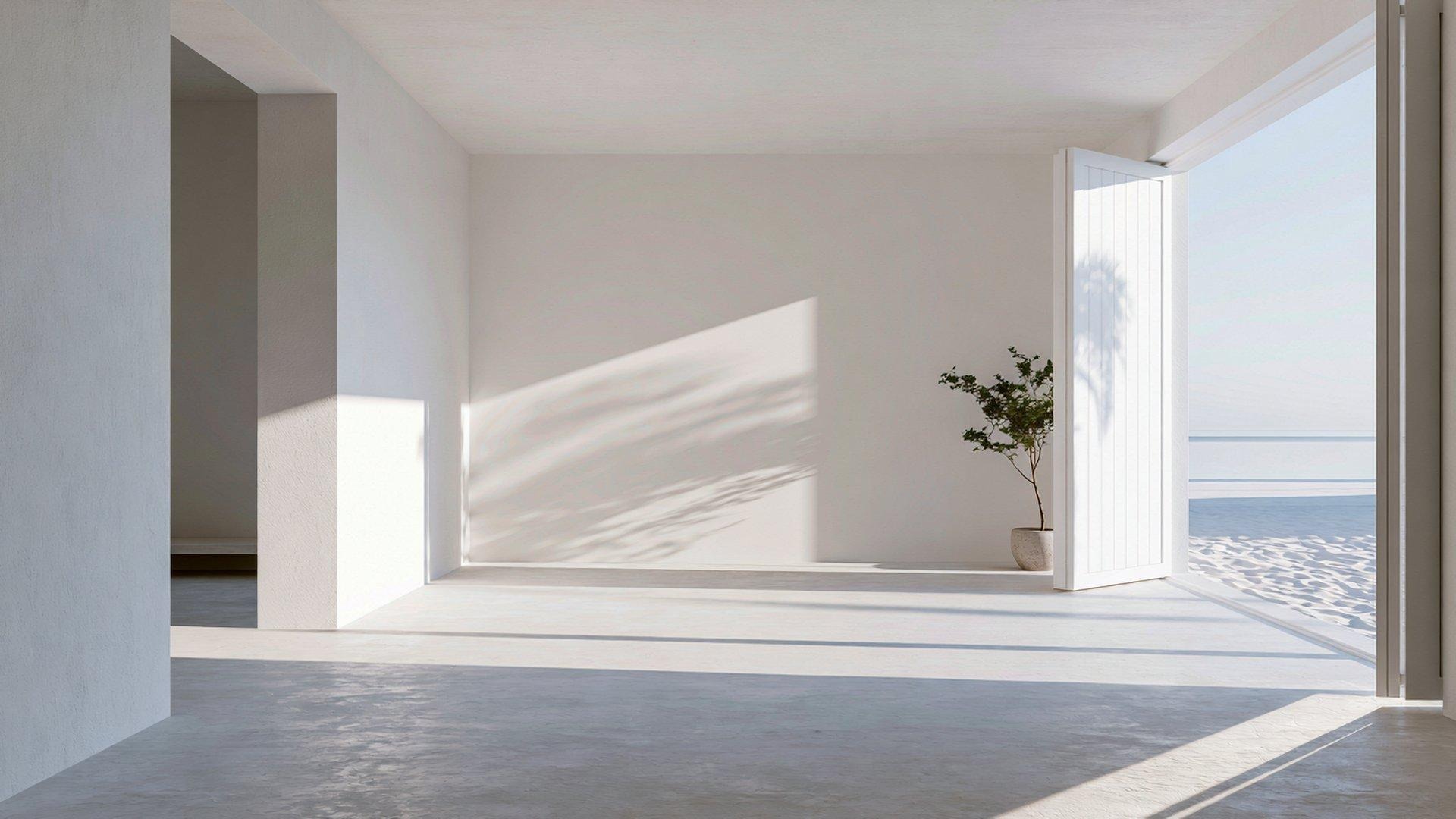
No one brings everything to a second home. You arrive with the essentials and realise, after a few days, that the essentials were enough. Surfaces stay clear, wardrobes half empty, gestures simpler. It is a lightness we struggle to allow ourselves in the city, and that becomes almost natural in summer.
From this subtraction you learn something that holds everywhere: the empty space around things counts as much as the things themselves, and a lightened room breathes better. The temporary home is a small lesson in measure.
Furniture that moves and folds
AI Generated Content
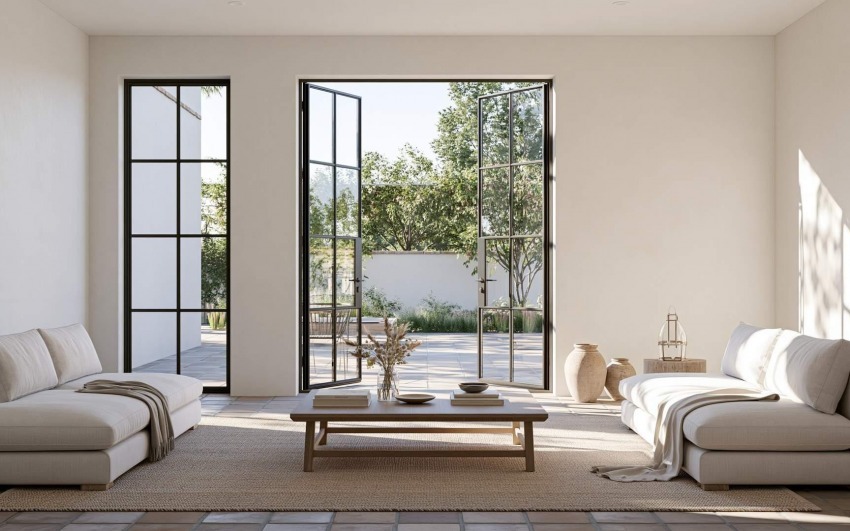
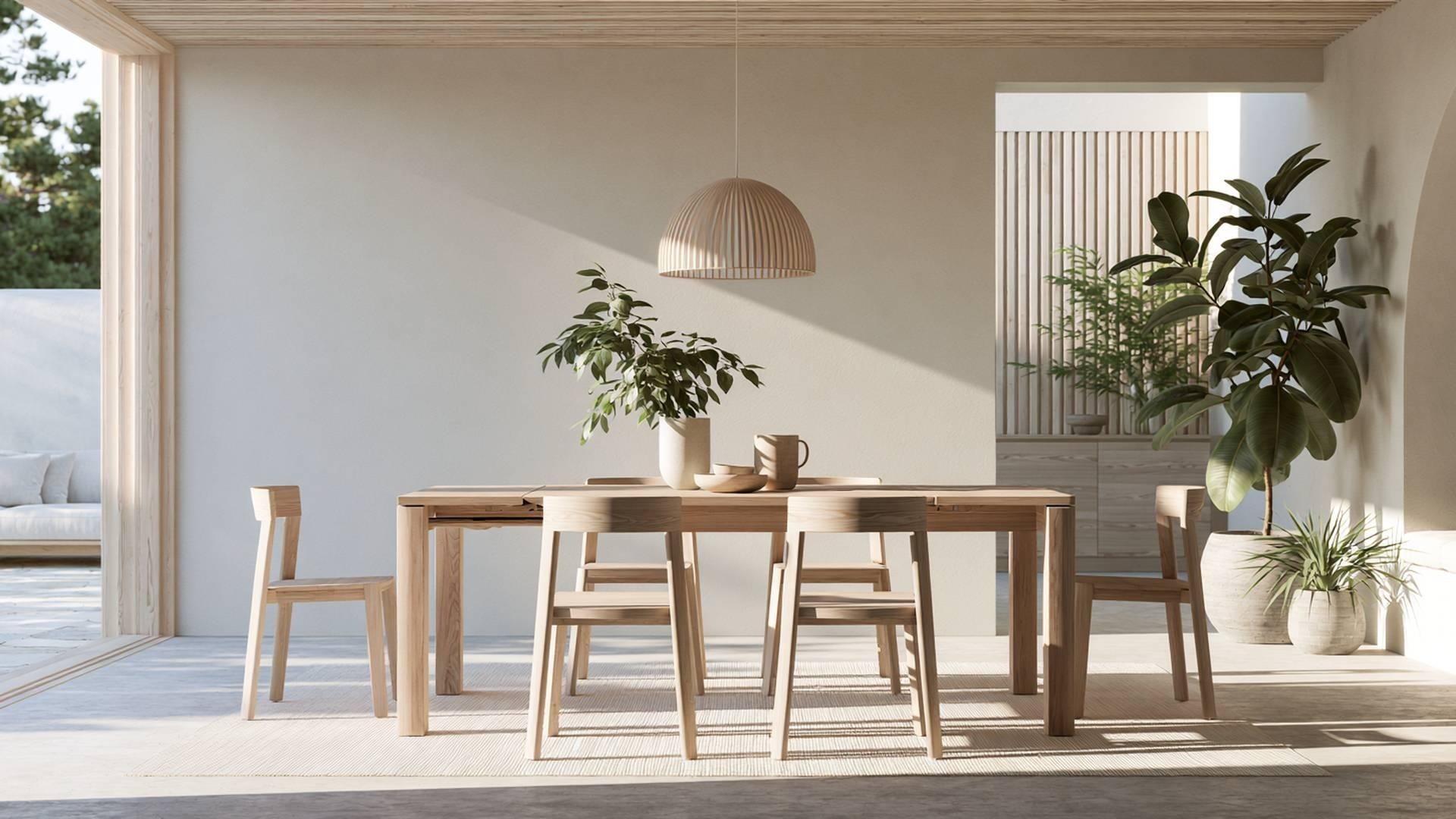
Furniture for the temporary is furniture that adapts. Tables that extend when friends arrive, seats that stack and go outside, beds added for one night, light pieces that change place with the day. The home follows people instead of constraining them.
It is a way of furnishing that rewards transformability: few pieces able to do several things. It works by the sea and in the mountains, but it also works in a city studio, where space is scarce and uses are many.
Materials that forgive
AI Generated Content
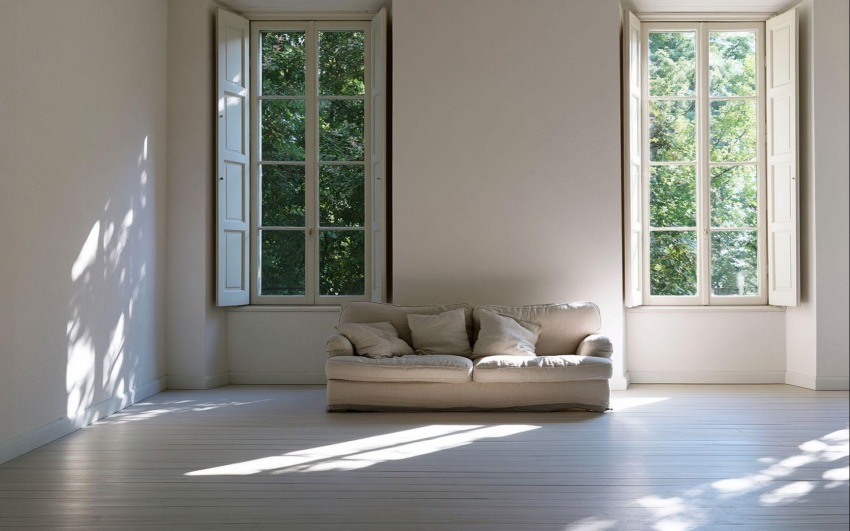
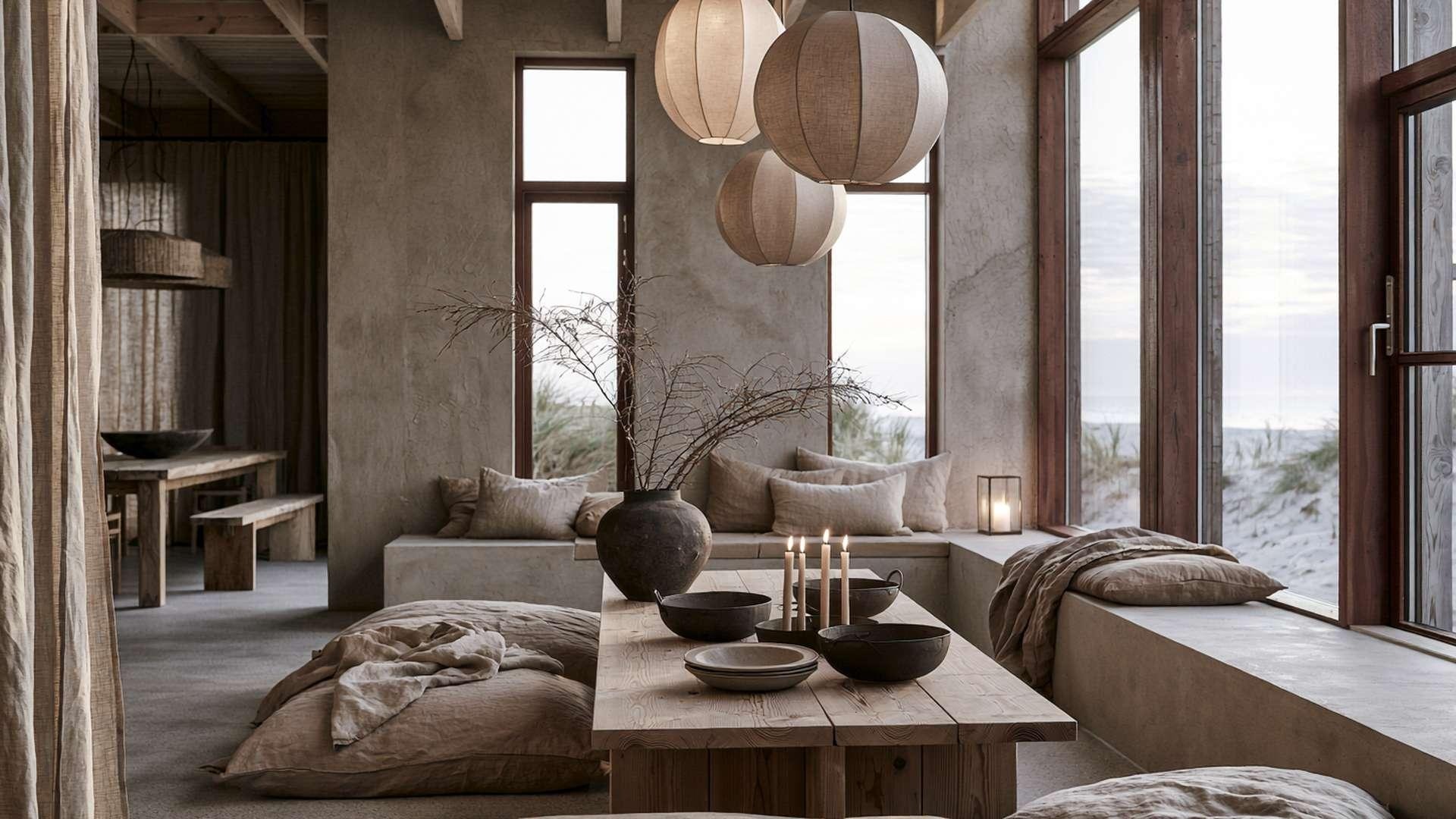
Salt air, sand, humidity, strong sun, distracted guests: a holiday home lives through hard conditions. Honest, robust materials win, the ones that age well and clean quickly. Treated woods, washable fabrics, painted metals, surfaces unafraid of a spilled glass or a wet foot.
Choosing forgiving materials frees the home from the anxiety of perfection, and with it the people who live there. That is the real luxury of a holiday place: being able to live without paying too much attention.
Leaving room for chance
AI Generated Content
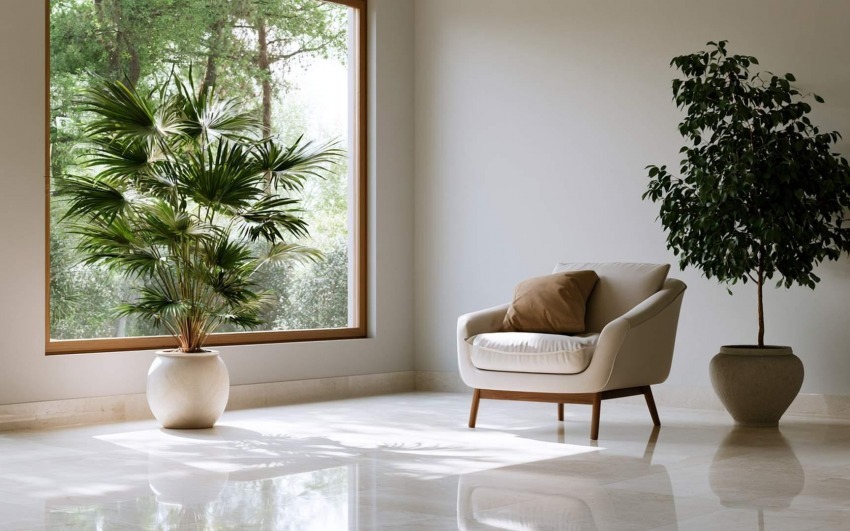
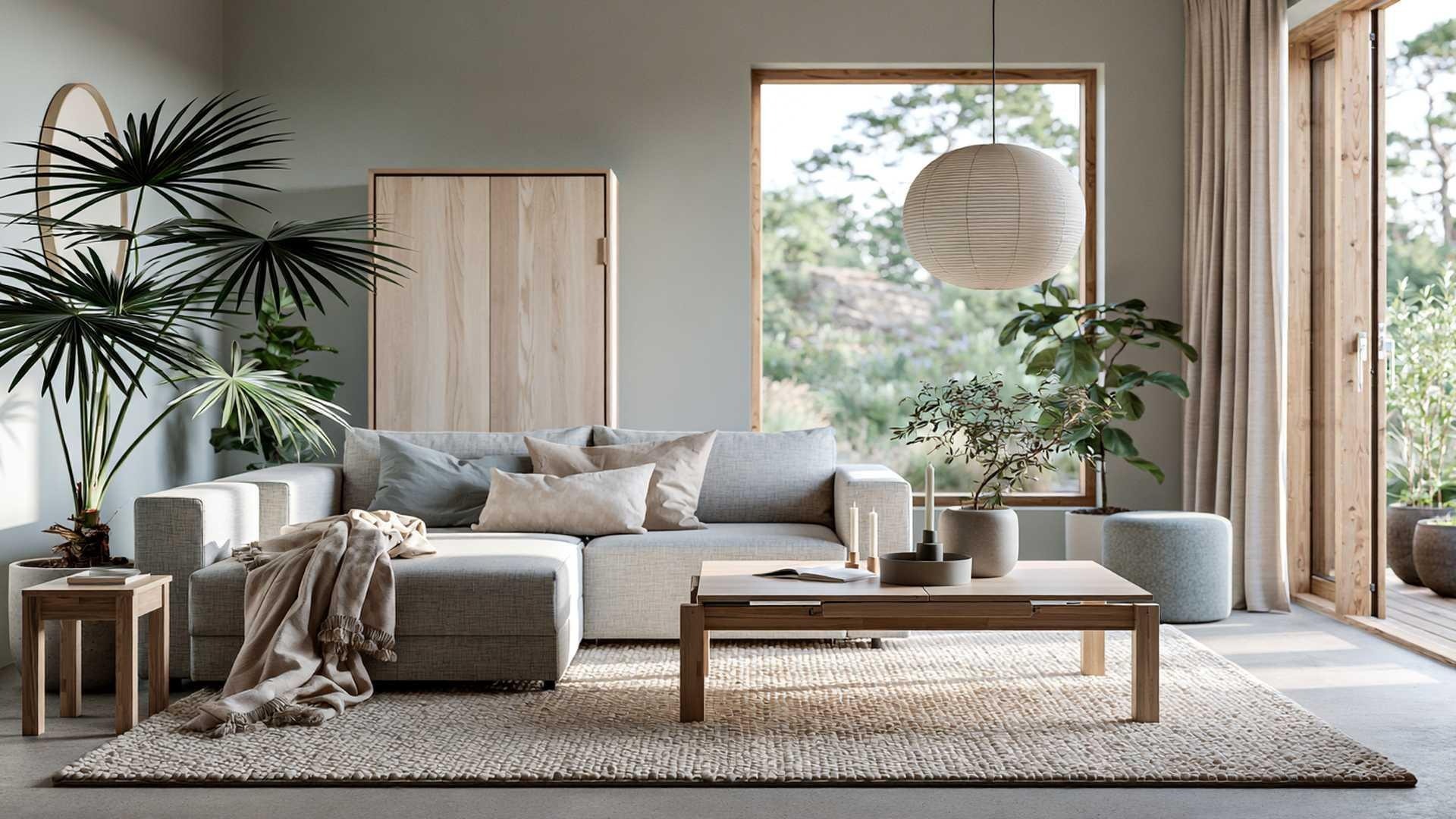
A summer home must be able to welcome the unexpected: a friend who stays the night, children who invite other children, a dinner that doubles. So it helps to keep margins, not to fill every corner, to leave a sofa that becomes a bed and a table that grows.
The temporary, in the end, is a home designed for the possible more than the planned. And it is exactly this openness that often makes it the place where we feel best.
In our showroom
AI Generated Content
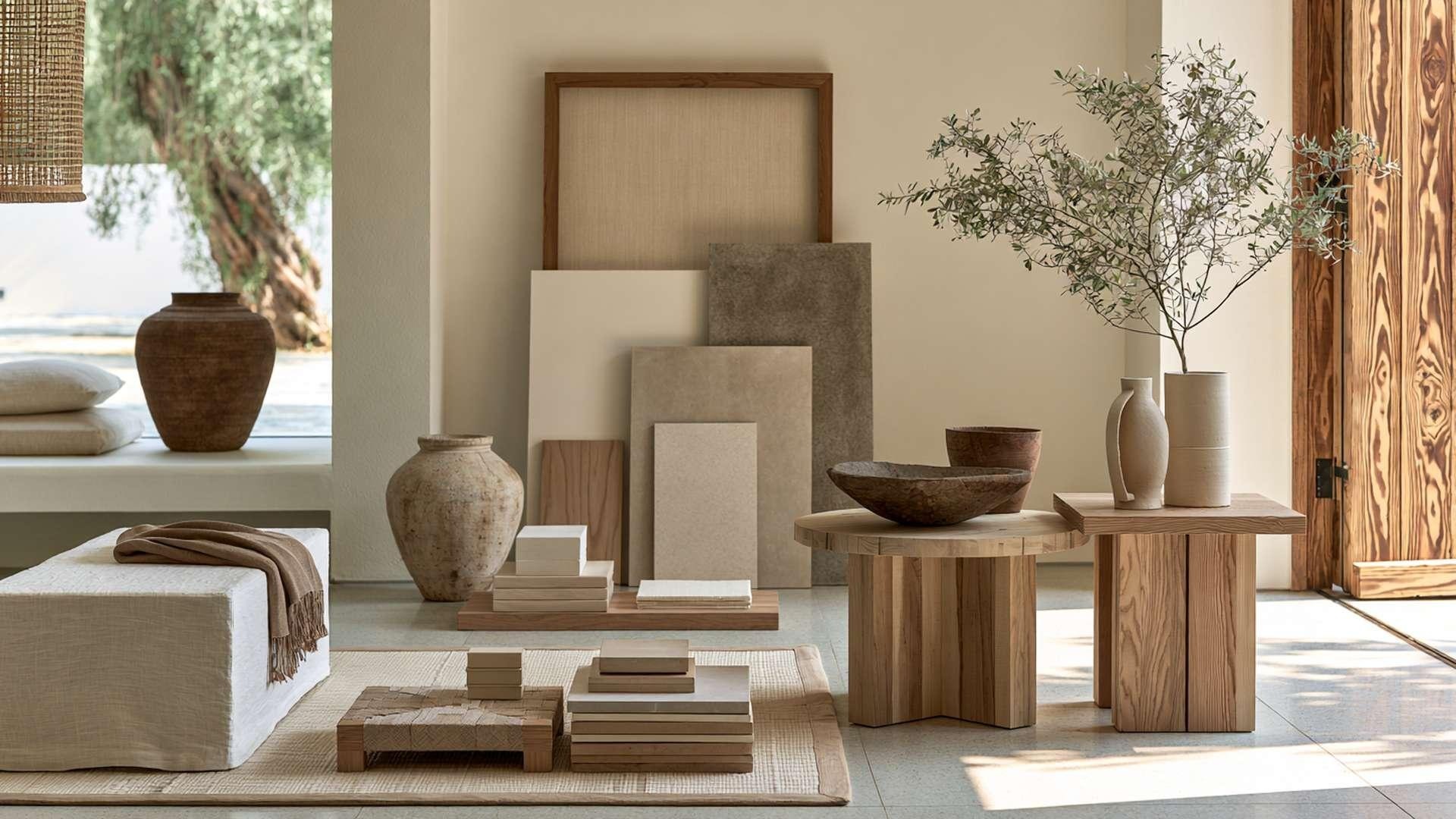
Furnishing a second home is a project of its own, made of focused choices and a few right pieces. In our showroom we start from real use: how many people, how many weeks, what climate, how much maintenance you are willing to do. From there we choose the essentials that are enough, and that last.
Read more: Micro-Outdoor: balcony, loggia and terrace as a room and Connubia transformable furniture for spaces that change with people.
_14077b47db_23.jpg)
Interior Designer since 1985
CEO & Founder, Italian Design in the World