9/19/2025
1. Warm, Neutral, or Cool Light?
Each light temperature has a unique effect on interiors:
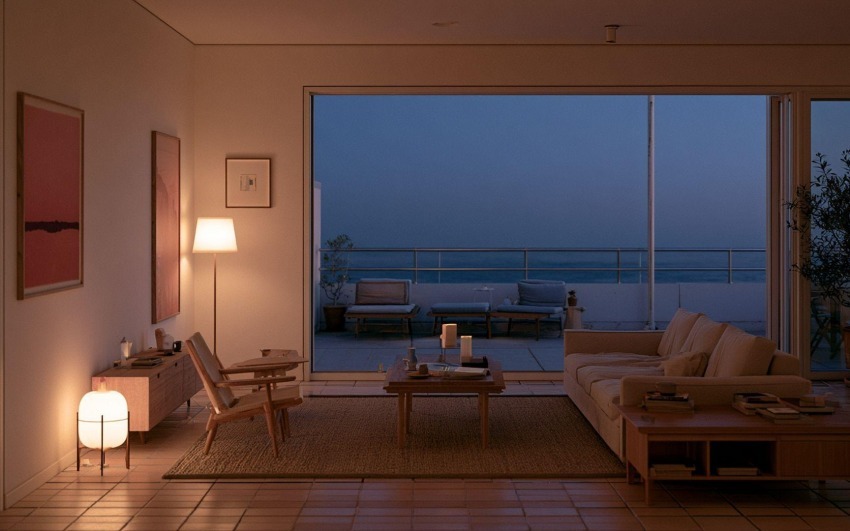
- Warm light (2700K – 3000K): cozy and relaxing, perfect for living rooms and bedrooms.
- Neutral light (3500K – 4000K): balanced and versatile, great for kitchens and work areas.
- Cool light (5000K – 6000K): energizing, often used in bathrooms, offices, or modern spaces.
Tip: layering multiple light temperatures lets you adapt the space to different times of day.
_cd6f01b8b2_.jpg)
AI Generated Content
2. Playing with Lamps
The type and placement of lighting fixtures change how a room feels:
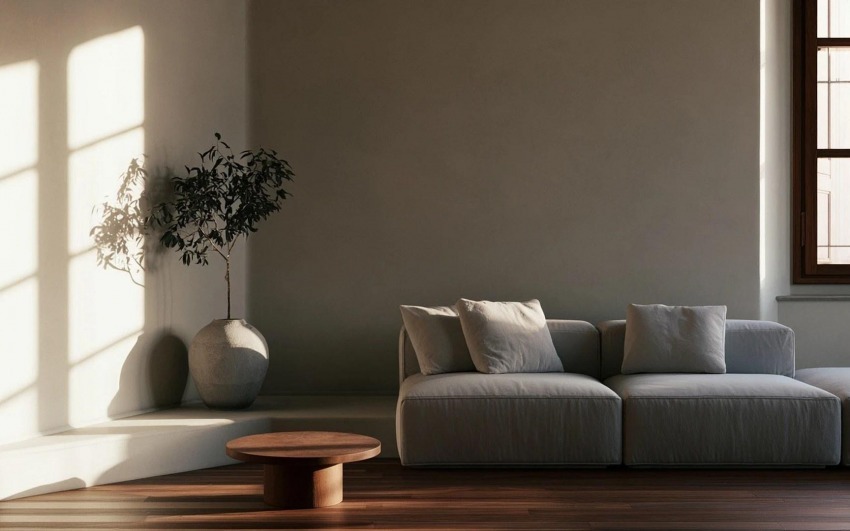
- Floor lamps: create soft, dramatic accents.
- Wall sconces: spread indirect light, perfect for intimate settings.
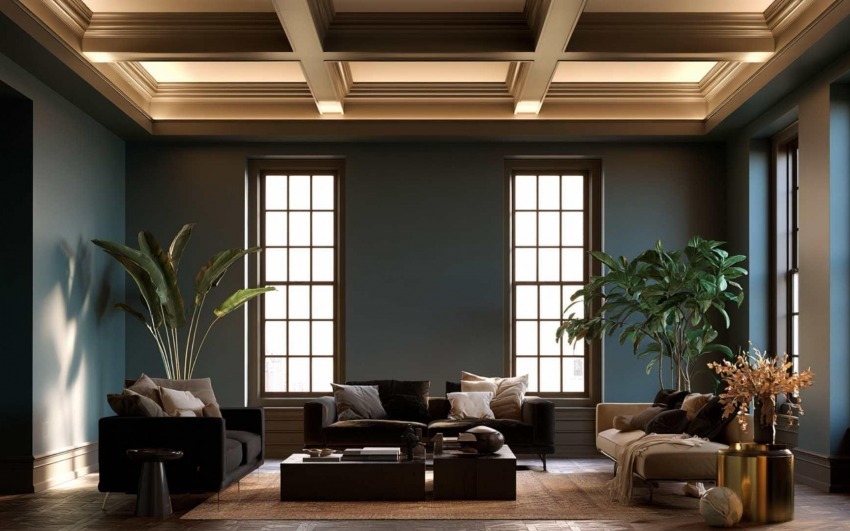
- Integrated LEDs: minimal and functional, great for niches, shelves, or false ceilings.
Pro tip: combining direct and indirect light adds depth and makes the space more dynamic.
_8d255073ff_.jpg)
AI Generated Content
3. Smart Technologies: Light Tailored to You
Modern lighting is also connected and customizable:
- Dimmers: adjust brightness to the occasion.
- Smart systems (home automation): control light via app or voice commands.
- Rechargeable battery lamps: portable, cable-free, and flexible.These solutions aren’t just convenient—they bring a stylish, contemporary edge to your home.
_a0799287d0_.jpg)
Good lighting is about design, not just brightness. It’s what sets the mood, ensures comfort, and elevates style. By understanding light temperatures, mixing fixture types, and embracing smart technology, every room becomes more welcoming, practical, and beautiful.
To dive deeper into how lighting can truly transform spaces, check out our article Designing with Light: Creating Welcoming Atmospheres on the Shortest Days.
Looking for refined lighting solutions? Explore the collection by Vesoi.
_14077b47db_23.jpg)
Cristiano Castaldi
Interior Designer since 1985
CEO & Founder, Italian Design in the World