8/01/2025
1. Natural Materials: Authentic Warmth
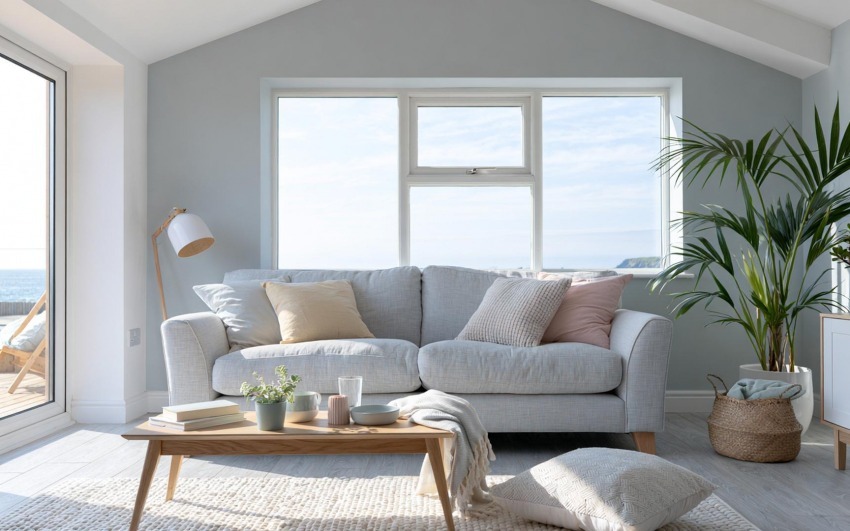
Beach-inspired interiors stand out for their use of simple, natural materials:
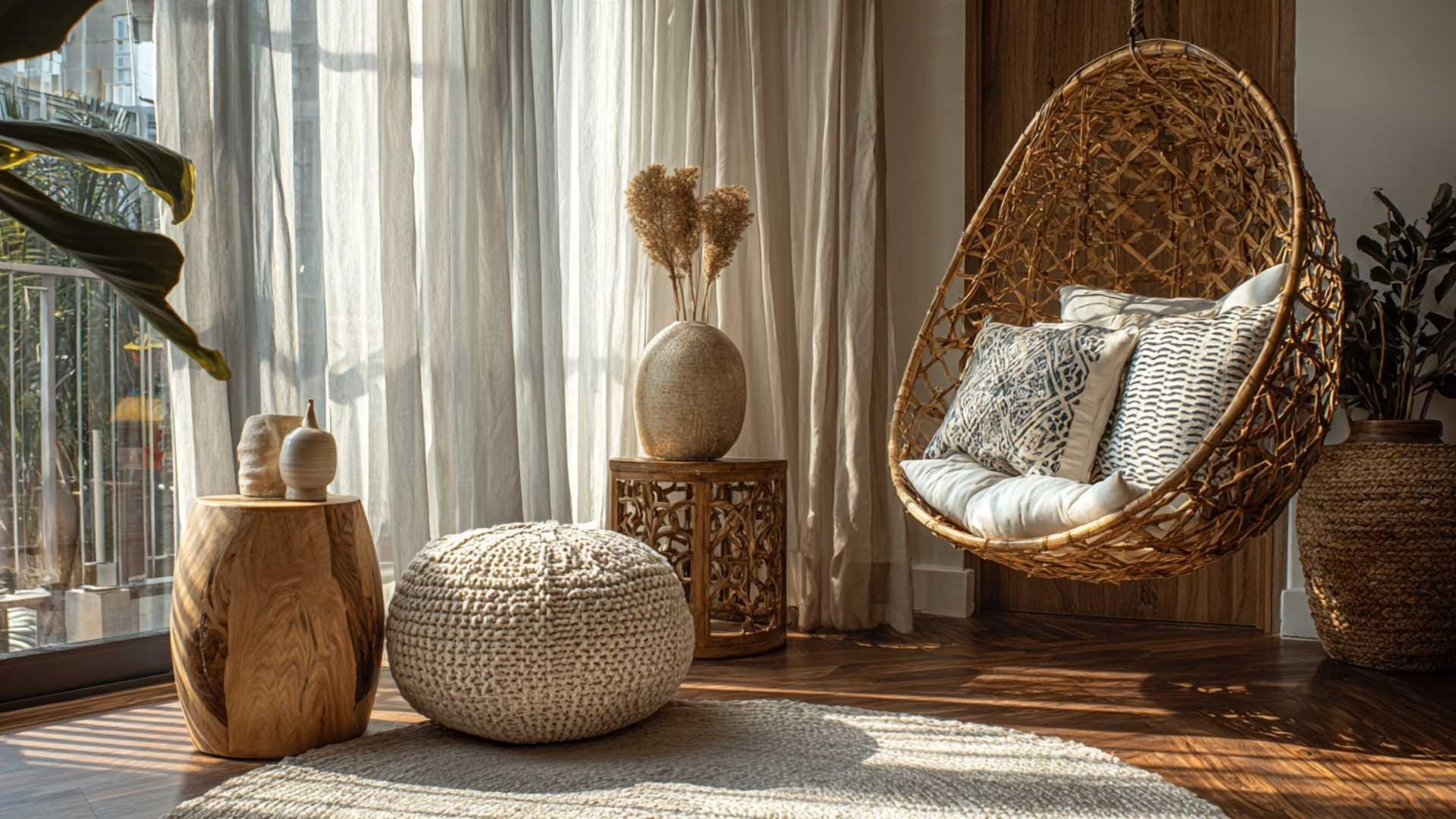
- Linen and raw cotton for curtains, cushions, and sofas bring lightness and freshness.
- Light wood, whitewashed or brushed, adds a rustic and sunny charm to furniture.
- Rope, rattan, and bamboo in chairs, mirrors, and accessories give a coastal touch.
Pro tip: Add a hanging chair or a woven rope lamp to instantly create a seaside veranda feel. Take a look at S•CAB.
AI Generated Content
2. Mediterranean Colors: Blue, White & More
Sea-inspired color palettes evoke calm and freshness:
- The timeless combo of white and navy blue.
- Sandy beige, rope, stone gray, and sage green.
- Accents of coral, mustard, or turquoise to energize the space.
Palette idea: chalk white walls + light wood furniture + sea-tone accessories.
_76ad1d997b_.jpg)
AI Generated Content
3. Details That Feel Like Vacation
Even small accents can mentally transport you to the coast:
- Glazed ceramic or raw terracotta vases.
- Woven baskets, jute rugs, or washed cotton textiles.
- Botanical prints, black-and-white photography, and subtle nautical references.
Bonus tip: Scent your home with fig, sea salt, or lavender fragrances for a sensory getaway.
_92e08c44e1_.jpg)
AI Generated Content
4. Light and Airy Spaces
Light is key in a summer-style interior:
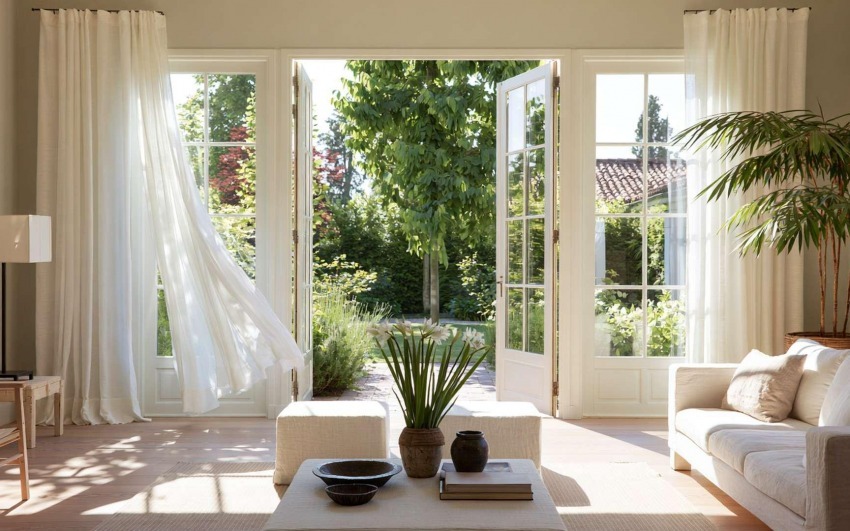
- Avoid heavy curtains—choose light, sheer fabrics.
- Use mirrors and reflective surfaces to enhance natural light.
- Go for low-profile, open furniture to keep the space visually airy.
Pro tip: A lush green plant in a large white vase instantly adds a Mediterranean touch.
_4cbd4e6bf1_.jpg)
AI Generated Content
Even in the city, summer can walk right through your front door. No major renovations needed—just the right mix of natural textures, soft colors, and beachy details to create a space that feels sunny, relaxing, and full of holiday vibes all year round. And if you close your eyes… you might just hear the sound of waves.
If you liked this article you may also be interested in Outdoor Lounge Corners: How to Create Your Relaxation Space in the Garden or on the Terrace
_14077b47db_23.jpg)
Interior Designer since 1985
CEO & Founder, Italian Design in the World