7/18/2025
1. Define the Space
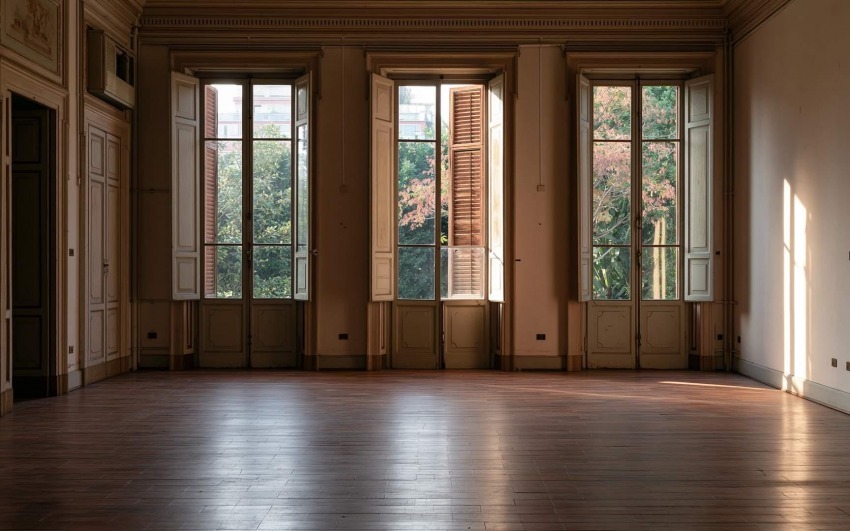
Even the smallest terrace can host a lounge area with proper planning:
Use outdoor rugs to visually define the space.
Add tall plants or partitions to naturally separate the lounge area from the rest of the garden or terrace.
Consider shade sails, pergolas, or light curtains to protect from the sun and create a sense of intimacy.
_763fd92352_.jpg)
AI Generated Content
2. Choose Comfortable and Durable Furniture
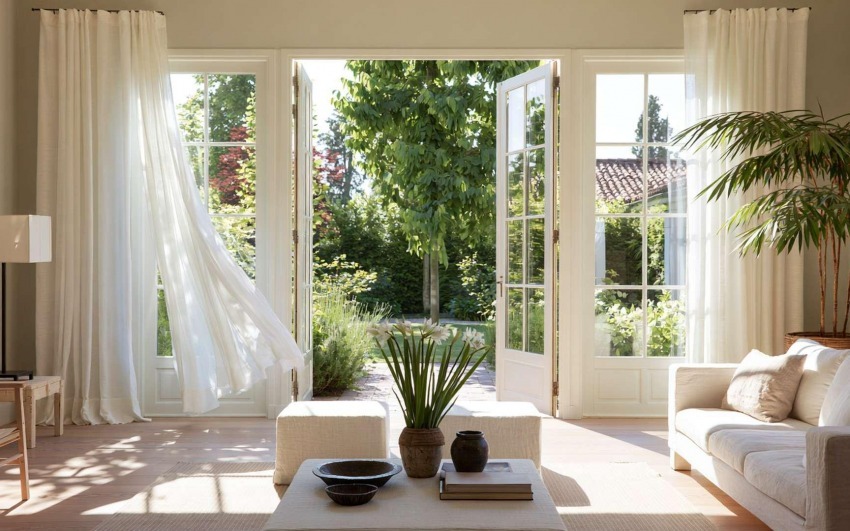
Furniture selection is key to a cozy lounge corner:
Modular outdoor sofas or daybeds with water-resistant cushions.
Wide armchairs in rattan, teak, or powder-coated aluminum.
Low tables or multi-use poufs that can serve as extra seating or surfaces. Focus on materials that are weather-resistant and easy to clean.
For more information, explore the solutions offered by our partner https://www.s-cab.it/en/collections/
_1a708169c0_.jpg)
AI Generated Content
3. Textiles and Accessories: Comfort Touches
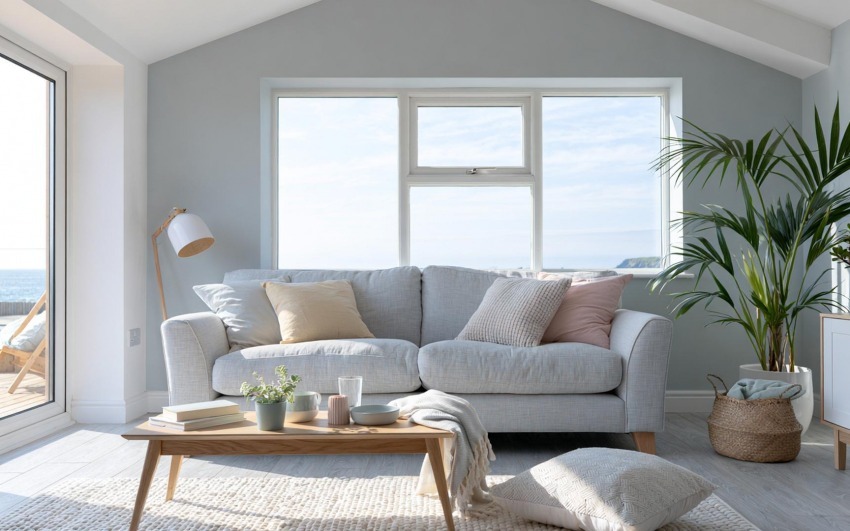
Decorative cushions, light throws, and outdoor rugs add comfort and style:
Opt for breathable, UV-resistant technical fabrics.
Play with neutral or natural tones for a relaxing effect, or go bold with vibrant colors and summery patterns.
Don’t forget a light blanket for cooler evenings.
_49c8fd636d_.jpg)
AI Generated Content
4. The Importance of Lighting
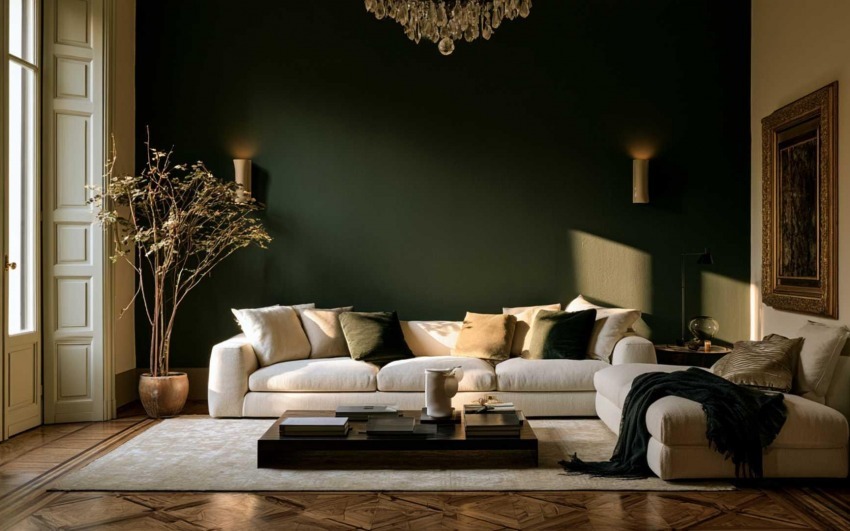
Lighting sets the mood:
LED lanterns, candles, or string lights for a soft, welcoming atmosphere.
Solar garden lamps or outdoor wall lights for a functional and sustainable touch.
Adjustable light intensity to suit different times of day.
_13c4d85263_.jpg)
AI Generated Content
5. Details That Make a Difference
Small additions can make the space even more special:
A tray table for cocktails and snacks.
Natural fragrance diffusers or citronella to keep insects away.
A small fountain or water feature for a relaxing background sound.
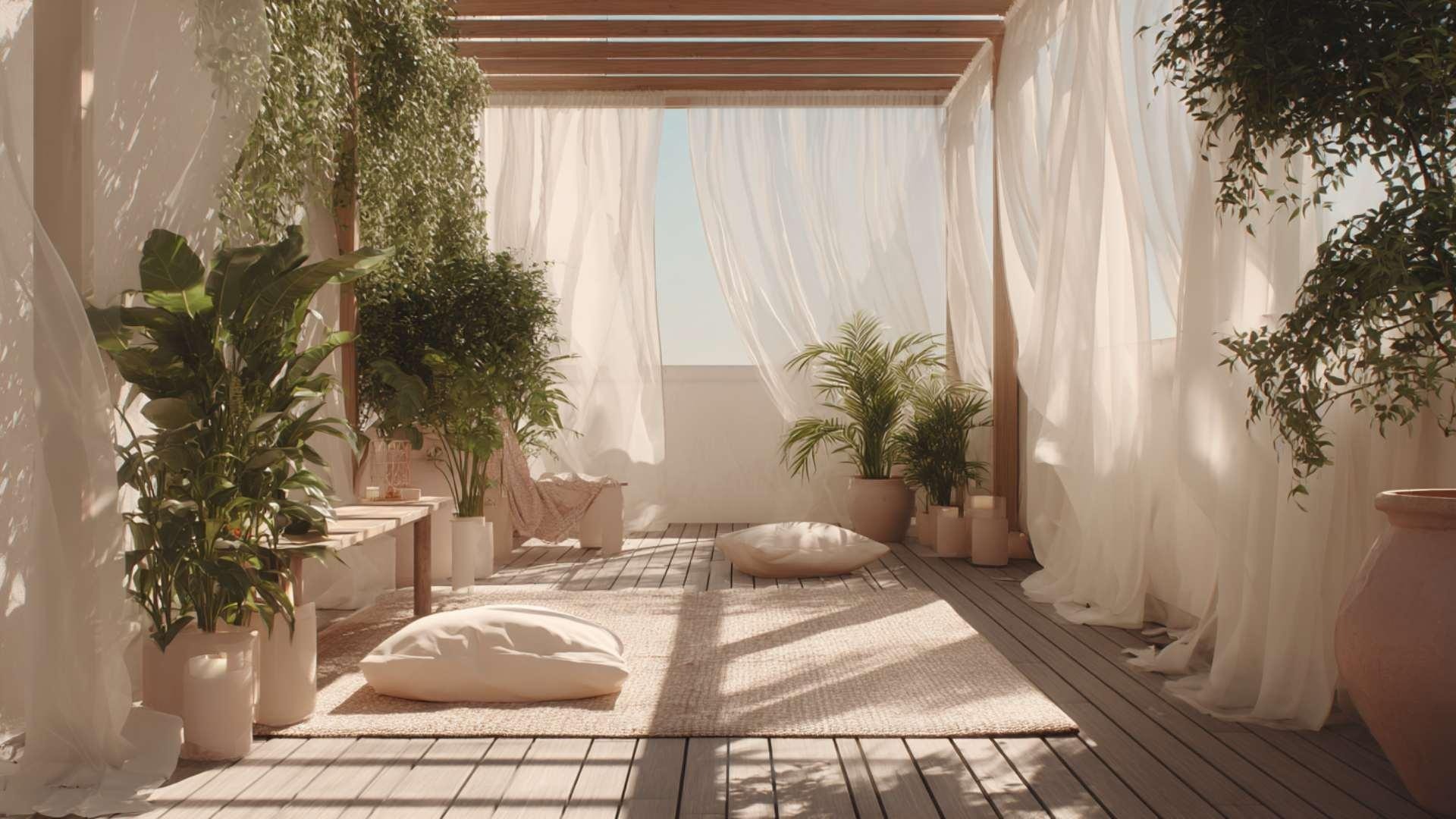
AI Generated Content
Creating an outdoor lounge corner doesn’t require vast spaces or huge budgets. With careful selection of furniture, textiles, and accessories, you can transform any outdoor area into a perfect summer retreat for relaxation and gatherings.
If you liked this article please read also Summer Bathroom Refresh: How to Update Your Space Without Renovating
_14077b47db_23.jpg)
Interior Designer since 1985
CEO & Founder, Italian Design in the World