6/27/2025
1. Wall-Hung vs Floor-Mounted: Which to Choose and Why
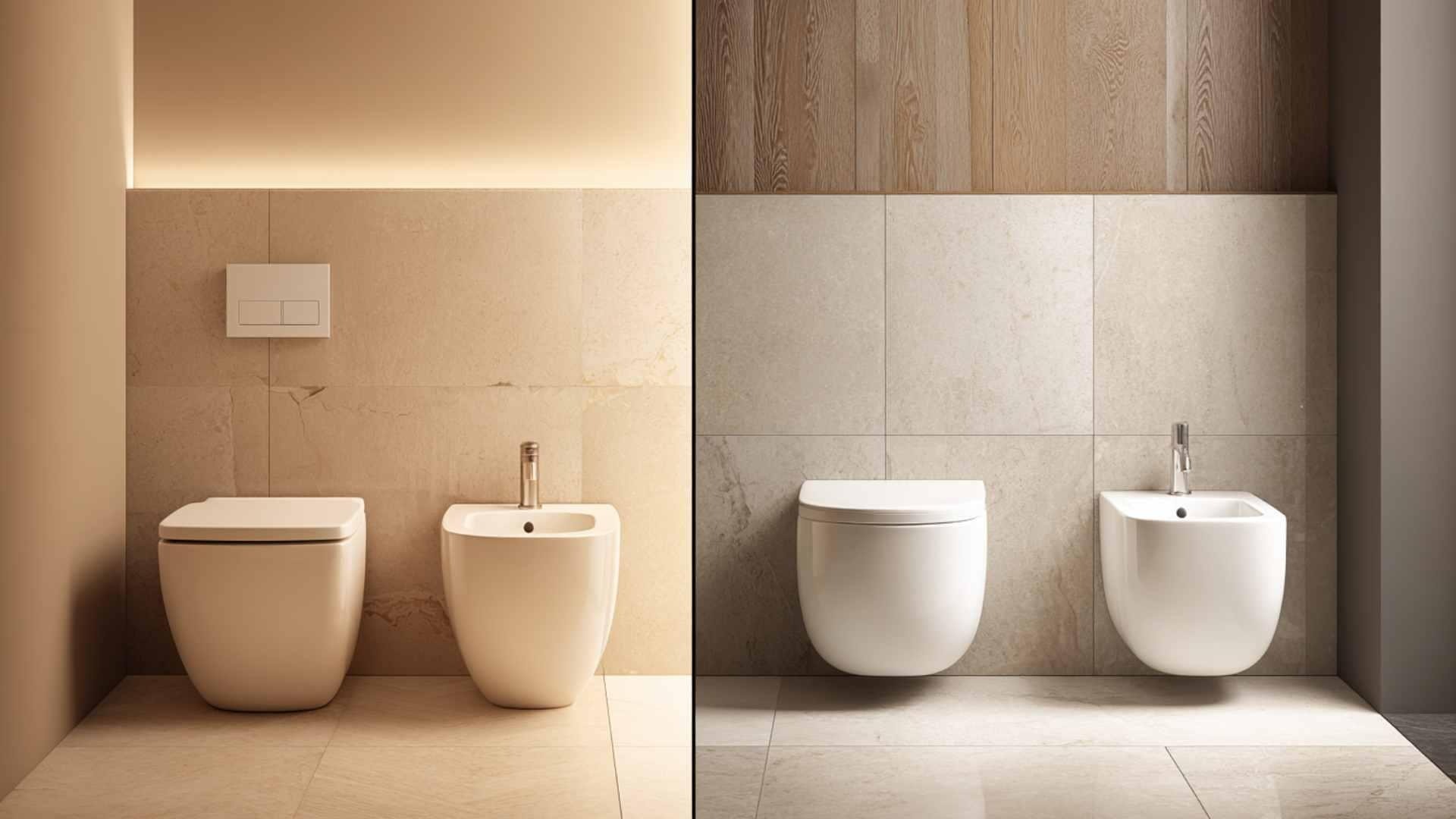
Floor-mounted fixtures
More stable and easier to install.
Perfect for traditional bathrooms or renovations with existing plumbing.
Take up more visual space.
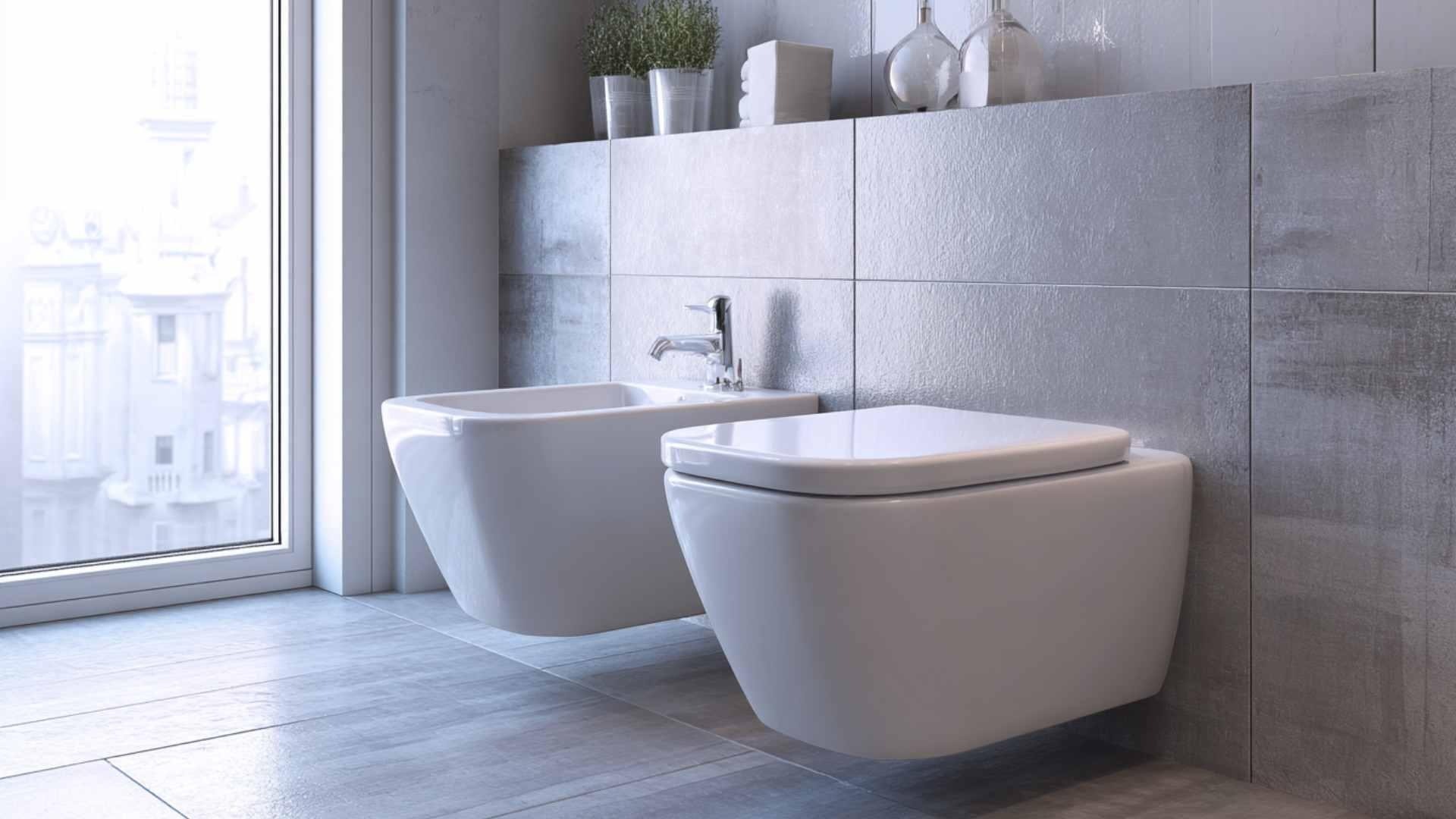
Wall-hung fixtures
Sleeker, more modern appearance.
Easier to clean the floor underneath.
Require strong walls or proper support frames.
Practical tip: In a small bathroom, wall-hung models create a more spacious look.
AI Generated Content
2. Shapes: Curved, Angular, or Organic?
Curved lines: great for cozy, classic, or retro-style bathrooms.
Angular shapes: suit modern, minimalist spaces—but watch out for sharp corners.
Organic profiles: a growing trend, inspired by nature, with smooth, fluid lines that suit many styles.
Pro tip: If your bathroom features bold furniture or angular faucets, balance it with rounder-shaped fixtures for a more harmonious effect.
AI Generated Content
3. Daily Comfort: Height, Seat, and Details
Good design is not just visual:
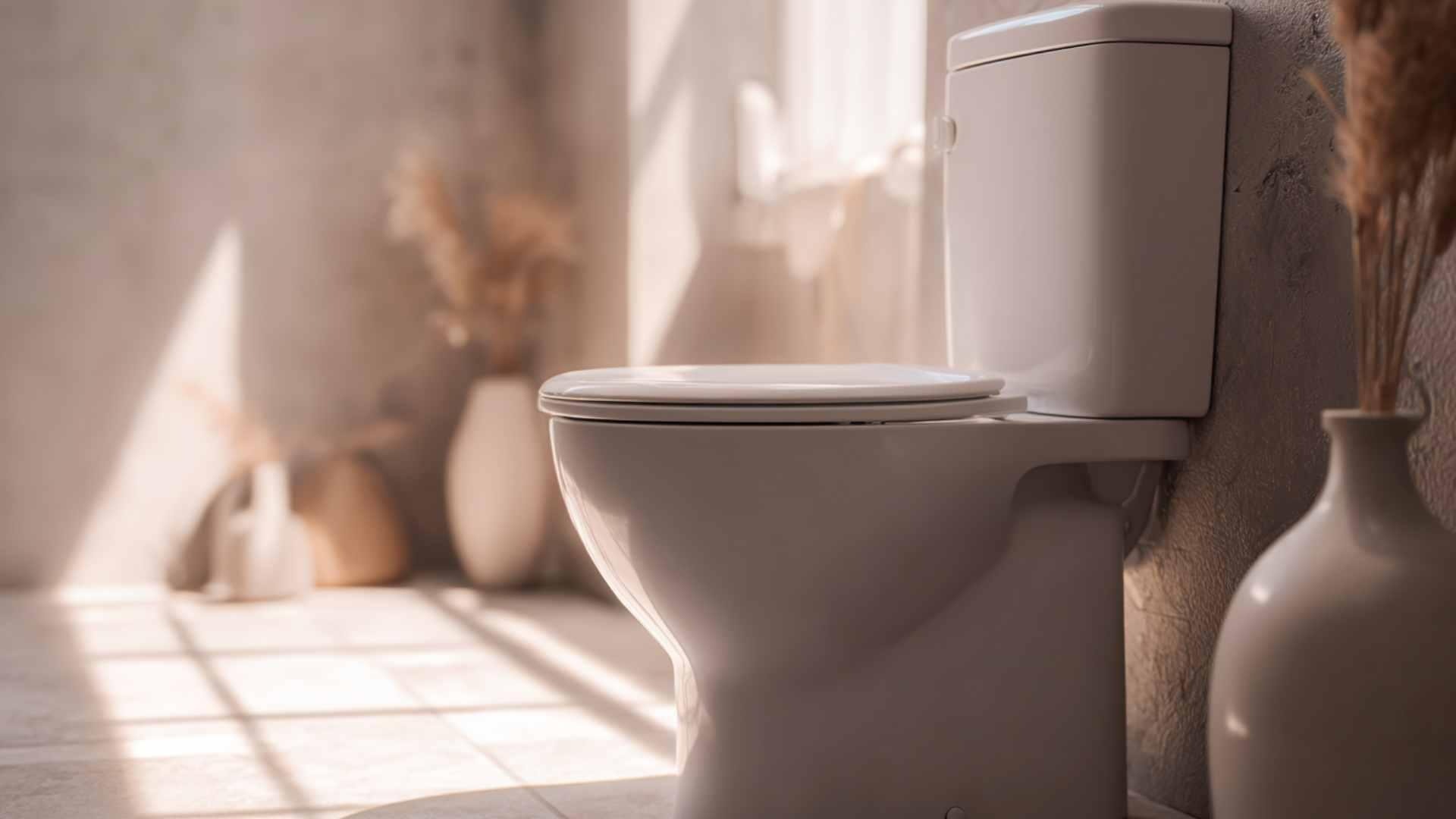
Check the seat height—“comfort height” models are taller, great for tall people or seniors.
Opt for ergonomic seats with soft-close lids and durable materials.
Choose bidets with adequate depth and visual consistency with the toilet.
Pro tip: Try to "sit with your eyes" before buying: you can often feel the comfort just by looking at the shape.
AI Generated Content
4. Coordinated Look or Mix & Match?
Many brands offer coordinated lines of toilets, sinks, and furniture—but it’s not mandatory:
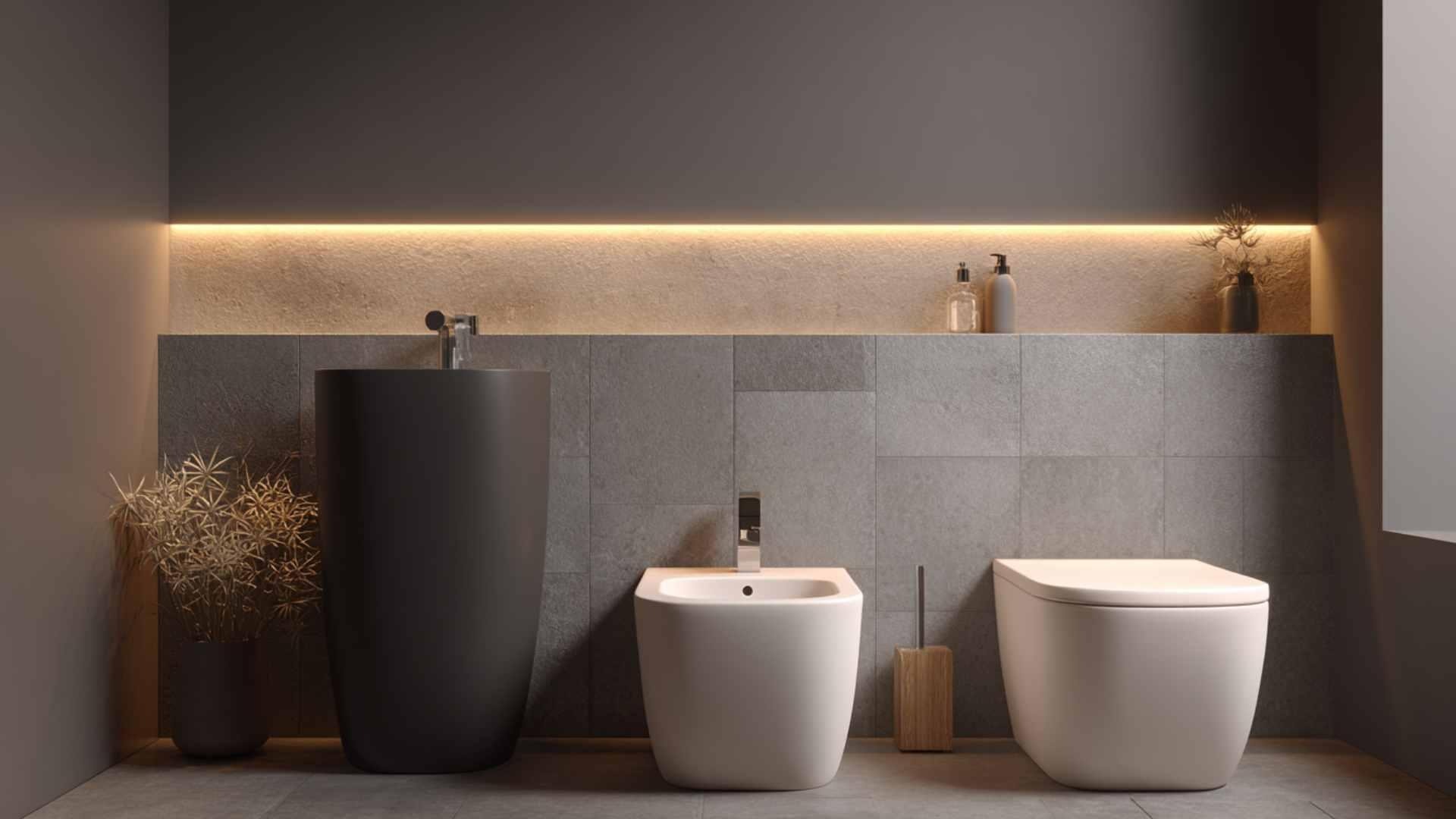
Matching toilets and bidets create a sense of order and cohesion.
In eclectic bathrooms, mix styles with at least one unifying element (color, shape, or material).
Color? White is timeless, but matte finishes, sandy tones, grey, or black are perfect for a sophisticated, modern look.
AI Generated Content
Choosing the right fixtures means balancing form, function, and style. Whether you prefer a modern look or classic lines, the goal is to create a bathroom you’ll enjoy every day—where beauty and practicality go hand in hand. And one last tip: sit, observe, imagine… and pick only what truly makes you feel at home.
_14077b47db_23.jpg)
Interior Designer since 1985
CEO & Founder, Italian Design in the World