7/11/2025
1. The Natural Charm of Wood
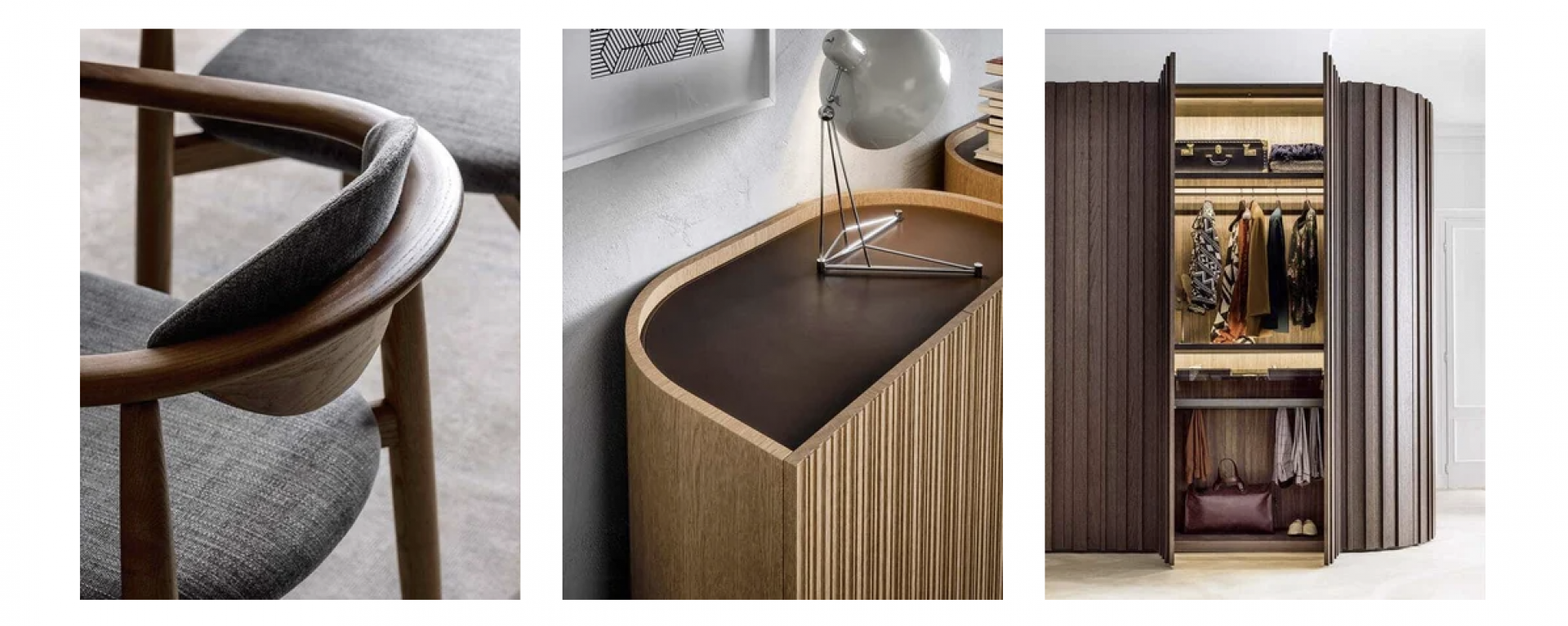
Wood has always symbolized warmth and authenticity. Its irregular grain, unique tones, and tactile feel convey a subtle yet tangible luxury. Novamobili selects only the finest woods, crafted with artisanal techniques that highlight their texture and durability. Oak, walnut, ash: each wood type is chosen for its ability to seamlessly integrate into modern, sophisticated spaces. A wooden piece from Novamobili is more than just furniture — it’s an investment in lasting style and quality.
2. Marble: Elegance and Character
Marble, one of the most ancient and noble materials in architecture, remains highly contemporary. Its natural veining and color variations make each slab unique. Novamobili offers marble surfaces crafted with meticulous attention to detail, ideal for tabletops, bookcases, and architectural accents that add character to interiors. Choosing marble means embracing a timeless material that fits equally well in classic or contemporary settings, always radiating an air of exclusivity.
3. Natural Stones: Texture and Refinement
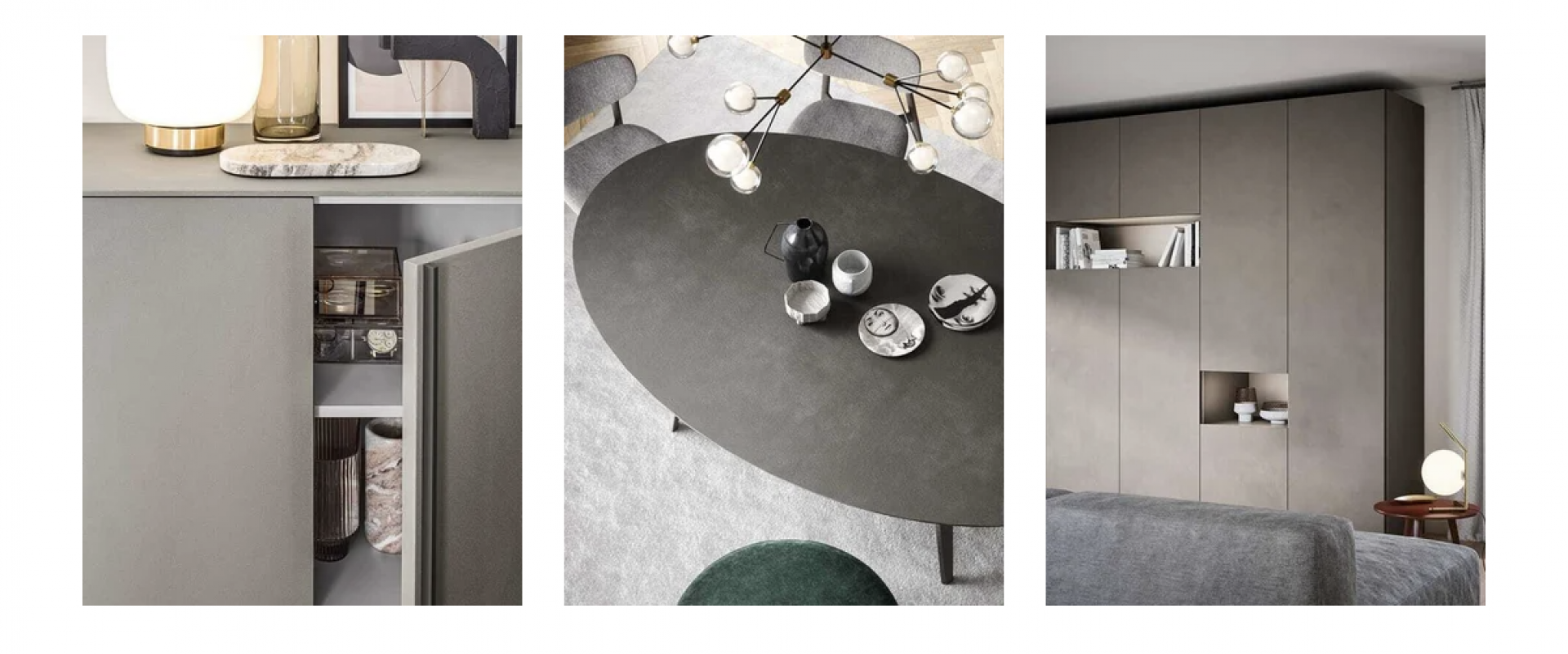
Alongside marble, natural stones are part of Novamobili’s offering for those seeking an essential yet sophisticated aesthetic. Travertine, slate, basaltina: each stone is selected for its tactile and visual qualities. Natural stone surfaces add depth to interiors, playing with light and shadow to create intimate, calming atmospheres. In interior design, natural stones root the space in materiality and time.
4. The Harmony of Materials
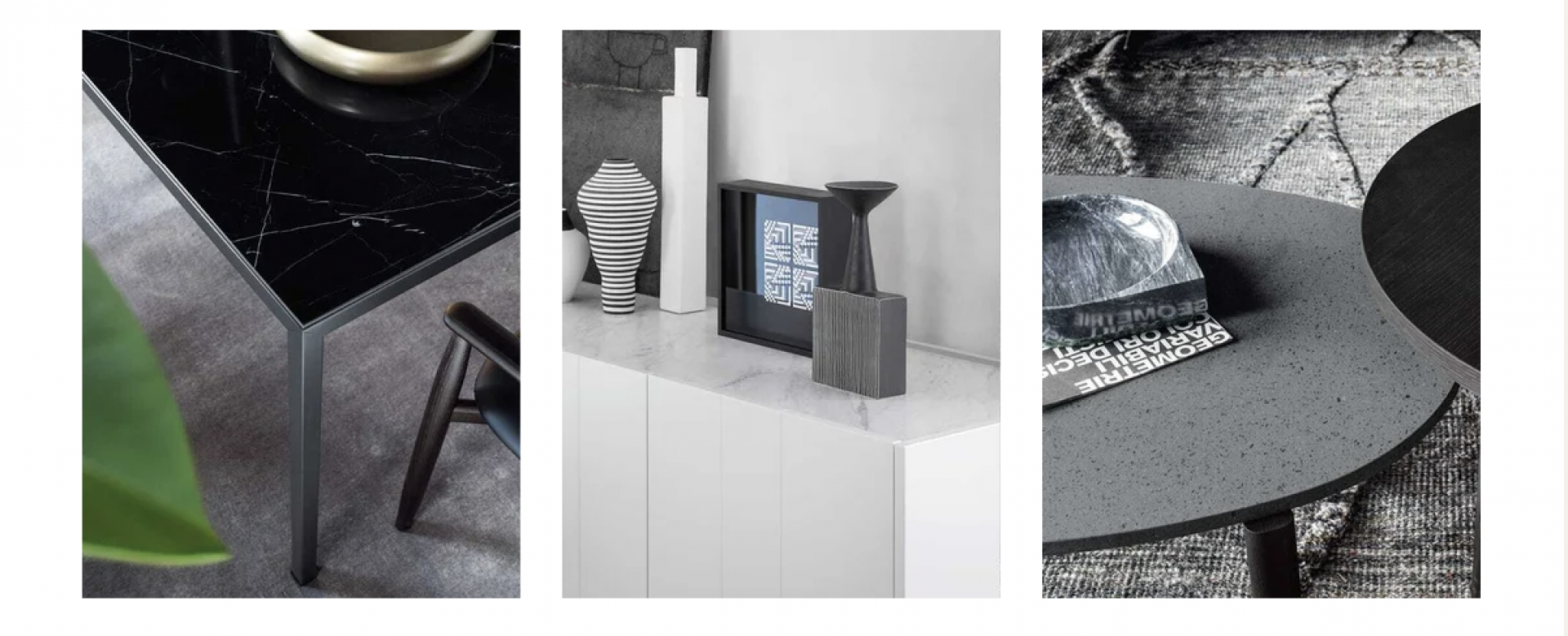
The true strength of quiet luxury lies in combining different materials harmoniously. Novamobili designs solutions that blend wood, marble, and stone into perfect balance, where each material enhances the other’s characteristics. The result: elegant, understated spaces full of personality — timeless environments to enjoy every day.
Choosing woods, marbles, and stones for your furniture means investing in beauty, longevity, and authenticity. With Novamobili, quiet luxury becomes tangible: a way of living that values quality, craftsmanship, and harmony with nature. For those looking for more than a fleeting trend: an aesthetic that stands the test of time.
_14077b47db_23.jpg)
Interior Designer since 1985
CEO & Founder, Italian Design in the World