If you enjoyed this article, check out Beach House Vibes in the City: How to Bring Summer into Any Space.
8/08/2025
1. Light Colors, Cool Feel
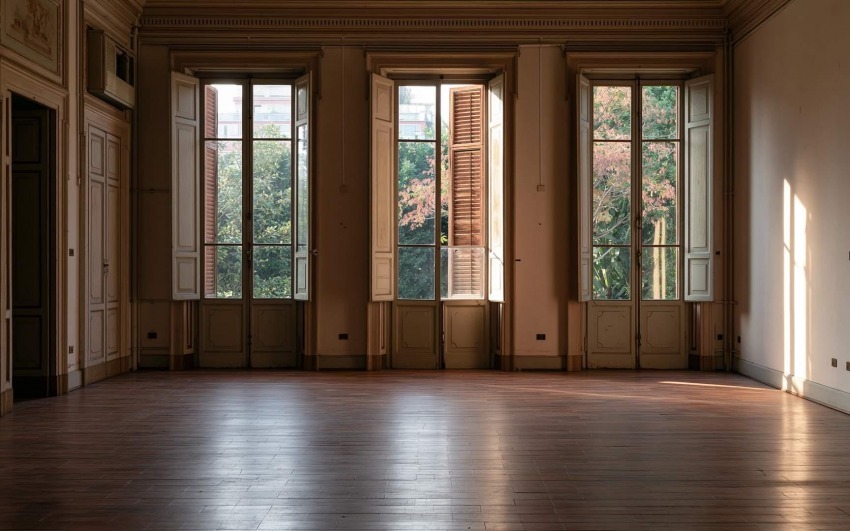
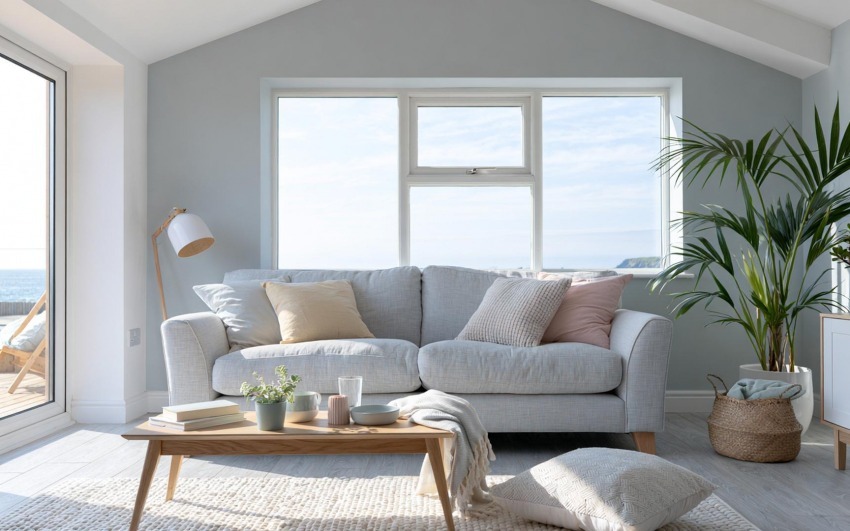
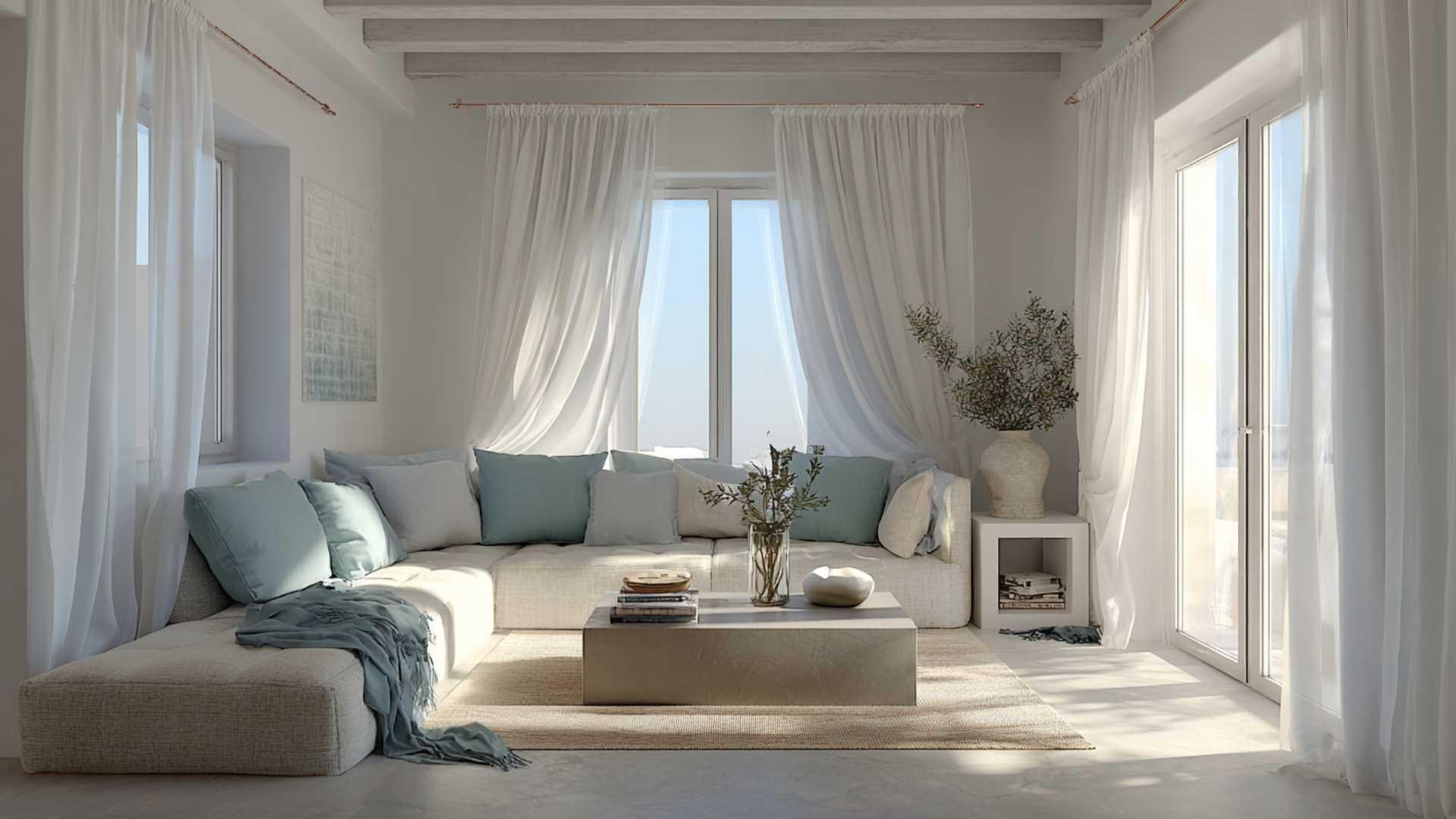
Colors have a direct impact on how we perceive temperature. Choose light, cool, and natural shades like chalk white, sandy beige, light grey, dusty blue, sage green. These tones reflect light and make the room feel visually fresher. Bonus: avoid warm, saturated colors like red or orange—they tend to “heat up” the space.
AI Generated Content
2. Breathable, Lightweight Fabrics
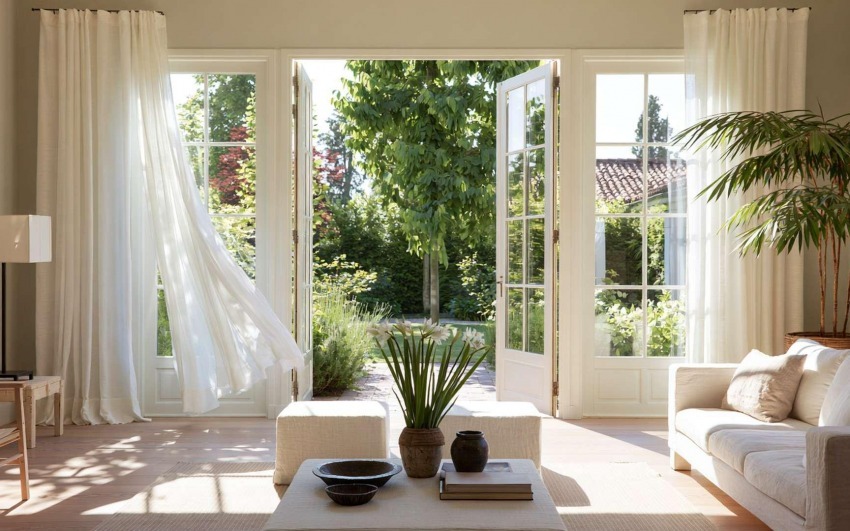
Curtains, rugs, and upholstery can really make a difference. Opt for natural, breathable textiles such as linen, raw cotton, hemp. Go for loose-weave or filtering curtains that block harsh light but still let air in. For rugs, choose plant-based fibers like jute or sisal—stylish, cool, and eco-friendly.
Discover more about our partner's fabrics. Novamobili
_828be575ce_.jpg)
AI Generated Content
3. Visually and Tactilely Cool Materials
Some materials just look and feel fresh:
- Ceramic, glass, polished stone—great for tabletops and surfaces.
- Light woods like whitewashed oak or birch.
- Matte or brushed metal accents used sparingly.
These materials don’t retain heat and help give the space a clean, airy feel.
_ede6391f15_.jpg)
AI Generated Content
4. Smart Furniture Layout
Even how you arrange your furniture affects the indoor climate:
- Keep windows clear to let natural air flow freely.
- Avoid bulky furniture that blocks air circulation.
- Create “fluid” pathways between rooms to help the breeze move.
Bonus idea: place a mirror across from a window—it will reflect light and amplify the openness.
_c4aeaad130_.jpg)
AI Generated Content
5. Thermally Smart Furniture
Some furniture pieces naturally stay cooler:
- Perforated stools and chairs in metal or rope.
- Beds with open frames or natural wood structures.
- Benches and poufs in breathable, unpadded natural fabrics.
- These don’t retain body heat and help keep interiors more breathable and pleasant.
Staying cool doesn't mean sacrificing style. With the right design choices and materials, your home can become a fresh and relaxing retreat—even in the height of summer. No need for a full makeover—just let in some air… and a few smart ideas.
_1f30b8bc35_.jpg)
AI Generated Content
_14077b47db_23.jpg)
Cristiano Castaldi
Interior Designer since 1985
CEO & Founder, Italian Design in the World