10/17/2025
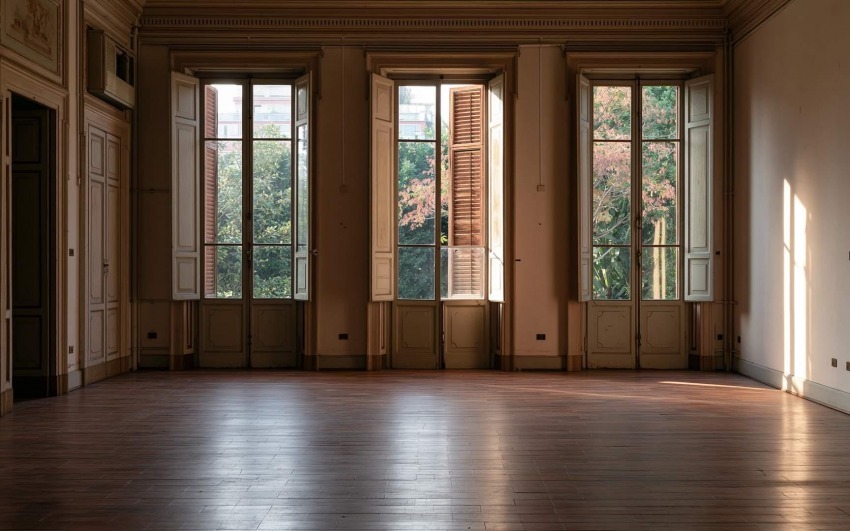
1. Clear Out the Excess: Post-Holiday Decluttering
The first step is letting go of what you don’t need.
Sort clothes, accessories, and objects accumulated over summer.
Dedicate time to each room to remove clutter.
Donate, recycle, or store items you no longer use.
A clutter-free home instantly feels lighter and more organized.
_7b1d82a197_.jpg)
AI Generated Content
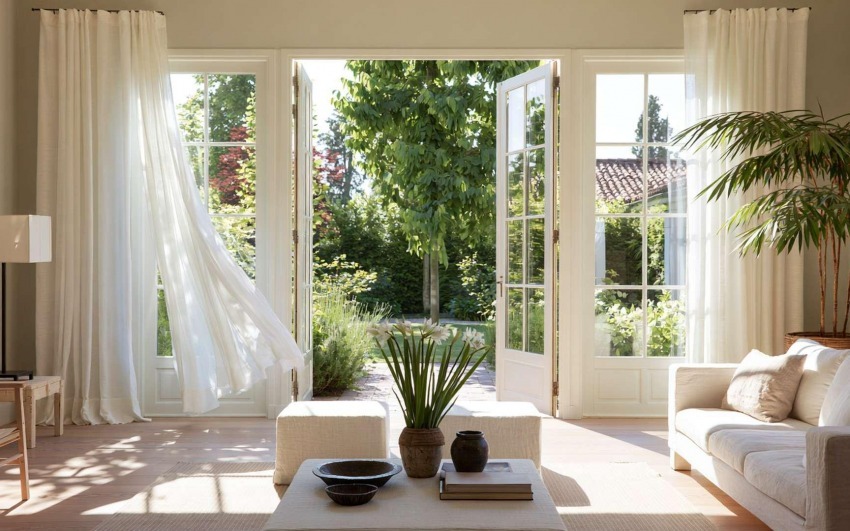
2. Storage and Space-Saving Furniture
Practical allies make everyday life easier:
Woven baskets or fabric boxes for small objects.
Storage benches and ottomans, perfect for entryways or living rooms.
Modular, customizable furniture to fit small spaces.
Golden rule: everything should have its place.
_71c0fd8147_.jpg)
AI Generated Content
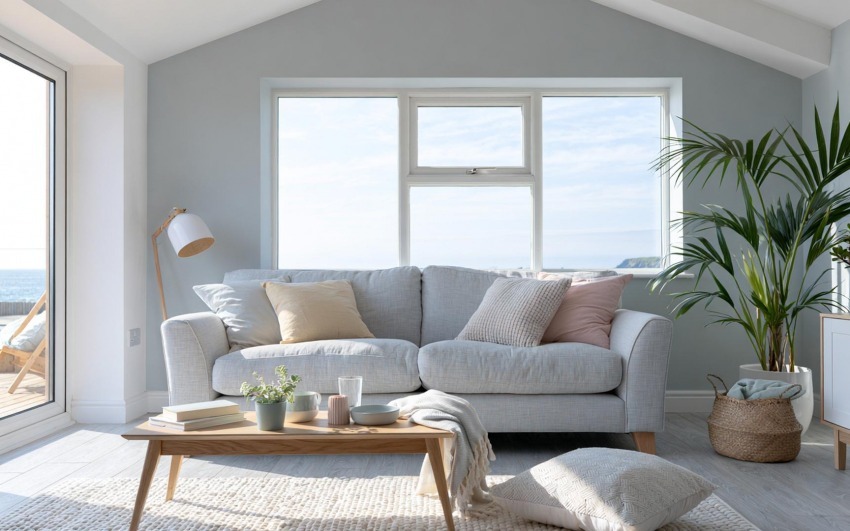
3. Organize the Entryway: First Impressions Matter
The entryway is your home’s calling card—it should be both practical and tidy:
Wall or floor coat racks for jackets and bags.
Shelves or consoles with drawers for keys and everyday items.
Storage benches for shoes and accessories.
An organized entryway makes life easier and sets a harmonious tone.
_416d2e290d_.jpg)
AI Generated Content
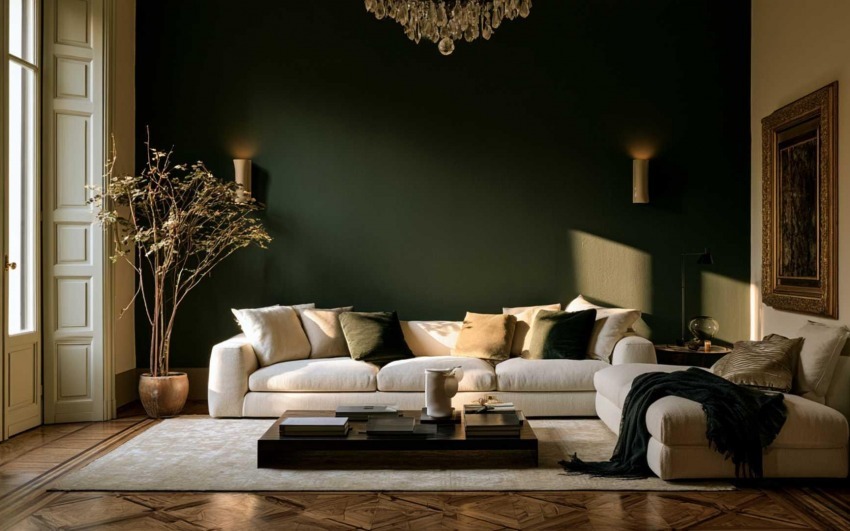
4. Living Area: Balance Between Relaxation and Functionality
The living room is the heart of the home, where style meets practicality:
Bookcases with closed doors to hide clutter.
Coffee tables with shelves or hidden storage.
Decorative containers that both organize and enhance the space.
This keeps the space beautiful and livable, even during home-centered months.
_067e0a0cb2_.jpg)
AI Generated Content
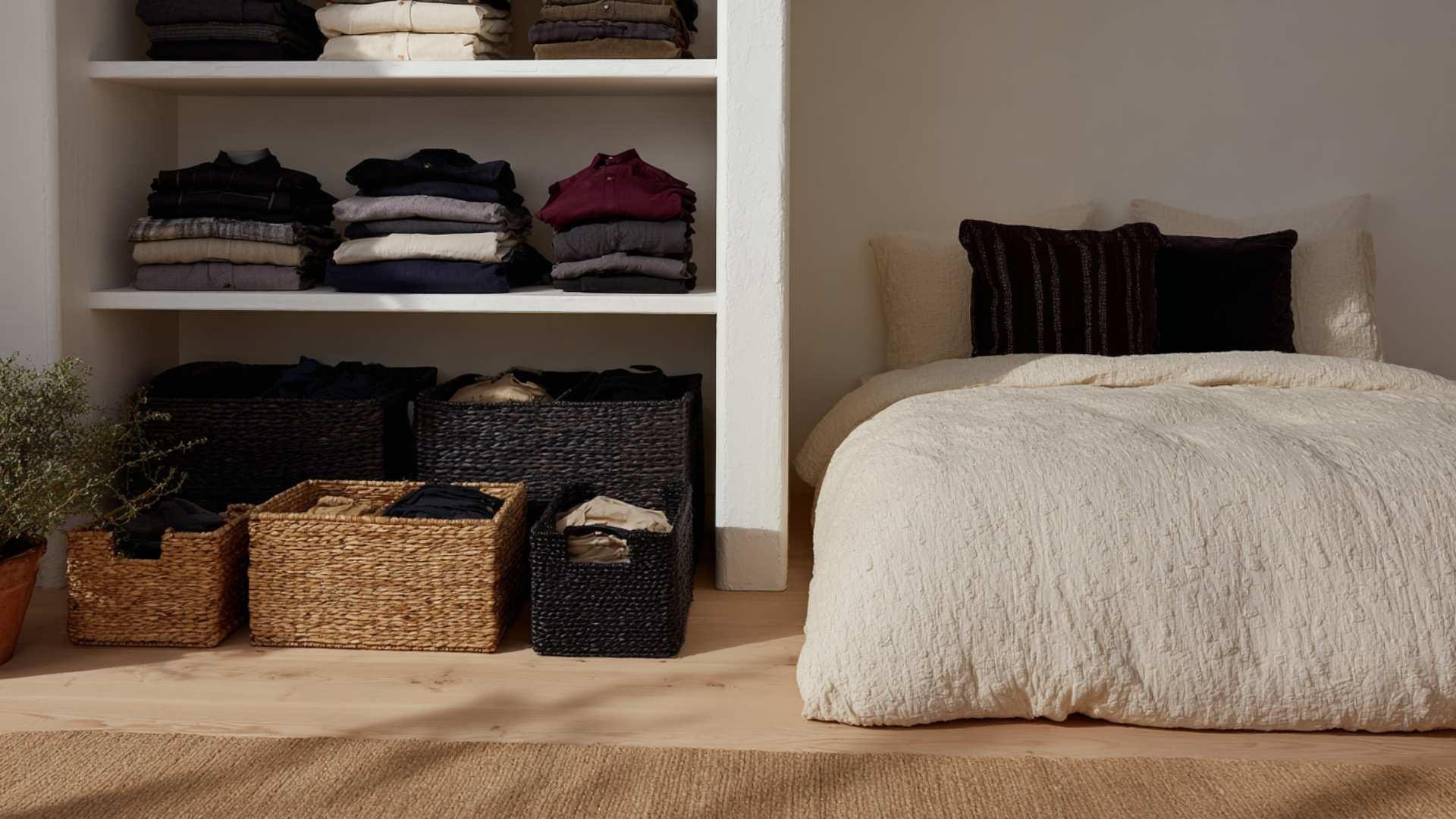
5. Bedrooms: Order That Calms
Rest is more restorative in an orderly environment:
Wardrobes organized with dividers and boxes.
Compact dressers for seasonal clothing.
Kids’ rooms with storage beds or desks with built-in compartments.
Order makes everyday life calmer and smoother.
AI Generated Content
Organizing your home after the holidays means giving yourself a fresh, lighter start. With smart storage, multifunctional furniture, and practical solutions, every room breathes again. Preparing your home for autumn and winter is not just about style—it’s about daily well-being.
To make your spaces even more functional and welcoming during the colder months, check out our article on Autumn Colors: How to Bring the Season into Your Home Without Overhauling the Décor.
And for elegant, practical space-saving solutions, explore Birex, a benchmark in Italian design and smart home organization.
_14077b47db_23.jpg)
Interior Designer since 1985
CEO & Founder, Italian Design in the World