7/22/2023
Planning and Organization
Planning is crucial when it comes to furnishing small spaces. Before you start, take the time to evaluate your needs and desires. Ask yourself what main functions you want the space to serve. For instance, you may want to create a study corner, a leisure area, or a place to accommodate guests. Once you've identified your priorities, you can start designing the space layout and selecting suitable furniture and accessories.
Multifunctional Furniture
Multifunctional furniture is a lifesaver for compact spaces. Choose pieces that serve more than one purpose, such as a sofa-bed, a table with integrated shelves, or a cabinet with hidden compartments for storage. This way, you can maximize space usage and have a practical and versatile solution. There are also foldable tables and desks that can be stowed away when not in use, freeing up additional valuable space.
Utilize the Walls
When floor space is limited, make use of the walls to create storage and decoration solutions. Install floating shelves and wall-mounted racks to display decorative objects, books, or plants. Hang hooks or coat hangers to store clothes, bags, or towels. Walls can become an opportunity to add style and functionality to small spaces without taking up extra room.
Light and Mirrors
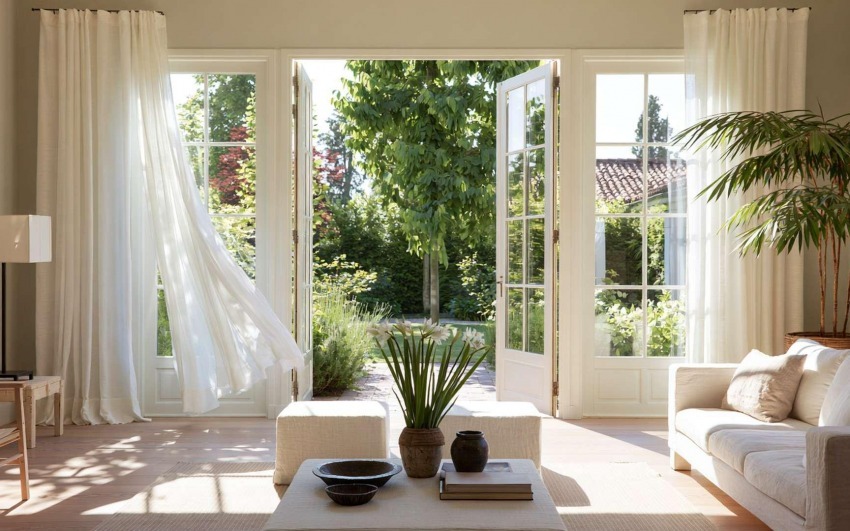
Natural light can work wonders to make a space look larger and airier. Choose curtains or blinds that allow natural light to pass through without cluttering the windows. Additionally, strategically placed mirrors can create the illusion of a more spacious environment. Position large mirrors in front of windows to reflect light and the surrounding area. Mirrors also add depth and dimension to small spaces.
Color and Minimalism
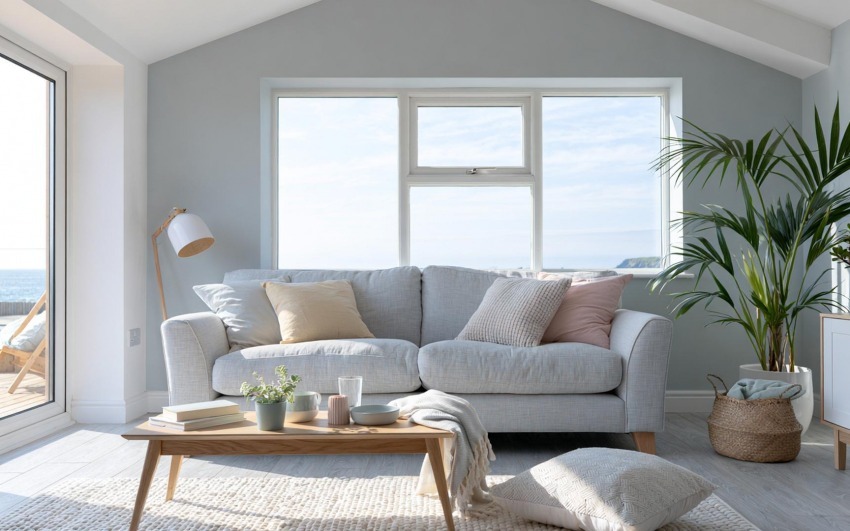
Color plays a fundamental role in furnishing small spaces. Choose a palette of light and neutral colors, such as white, beige, or gray, for walls and main furniture. These colors reflect light and create a sense of openness and brightness. You can add touches of color with accessories like cushions, rugs, or paintings. Furthermore, minimalism is an ideal style for compact spaces. Minimize decorative objects and maintain a clean and tidy look, making the space appear larger and organized.
Furnishing small spaces requires careful planning and intelligent use of available resources. Make the most out of every square inch by choosing multifunctional furniture, utilizing walls for storage, and using lighting and mirrors to create the illusion of a larger space. Remember to maintain a palette of light colors and adopt a minimalist style to create a harmonious and inviting atmosphere. With a bit of creativity and the right approach, even the smallest space can be transformed into an elegant and functional retreat. Draw inspiration from these smart and stylish design solutions to create a space that reflects your personality and meets your needs.
_14077b47db_23.jpg)
Interior Designer since 1985
CEO & Founder, Italian Design in the World