10/03/2025
1. Furniture and Appliances Bonus 2025
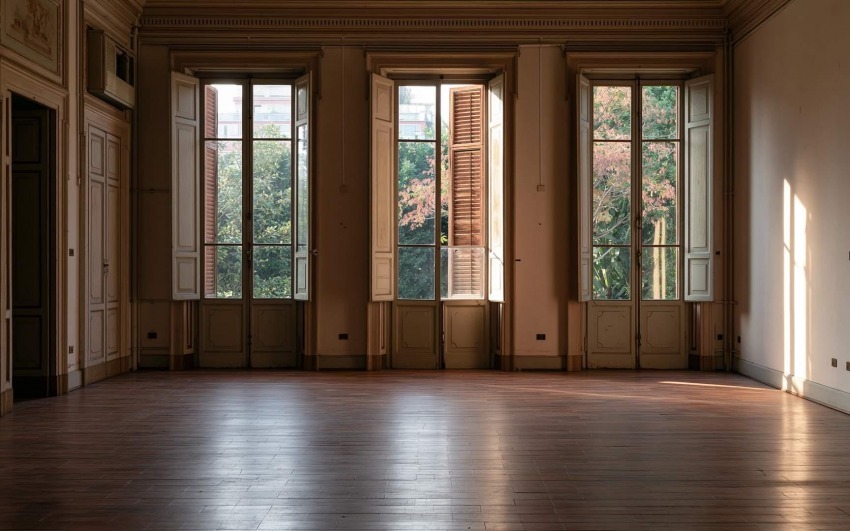
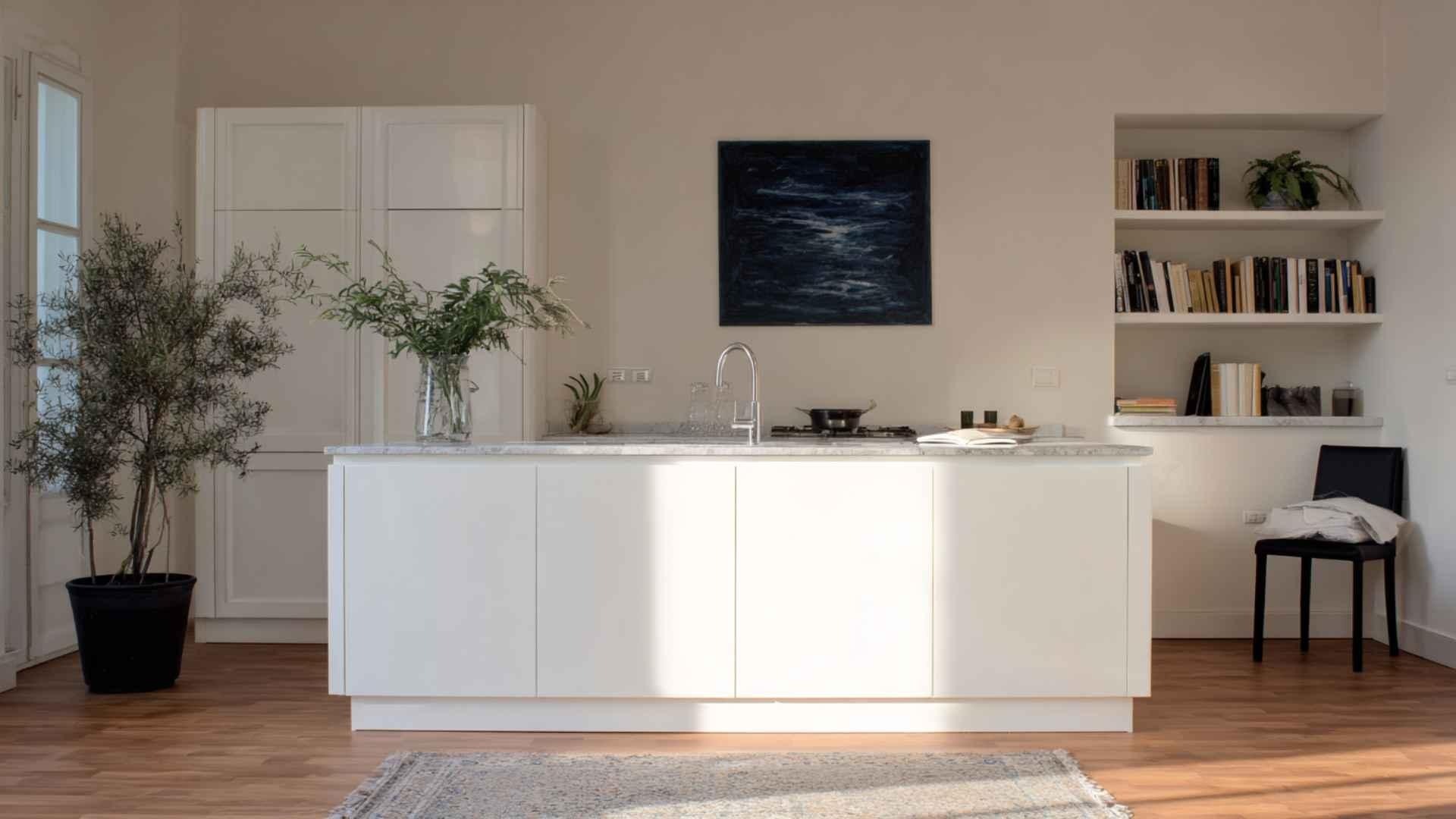
The Furniture Bonus has been confirmed this year: it allows you to deduct 50% of expenses for purchasing furniture and appliances for homes undergoing renovation.
Maximum limit: €5,000 per property.
Included appliances: at least class A for ovens, class E for washing machines, dishwashers, and refrigerators.
What it means: if you’re planning to update your living room or kitchen, this is the perfect time to invest in quality furnishings and efficient appliances.
AI Generated Content
2. Ecobonus and Renovation Bonus
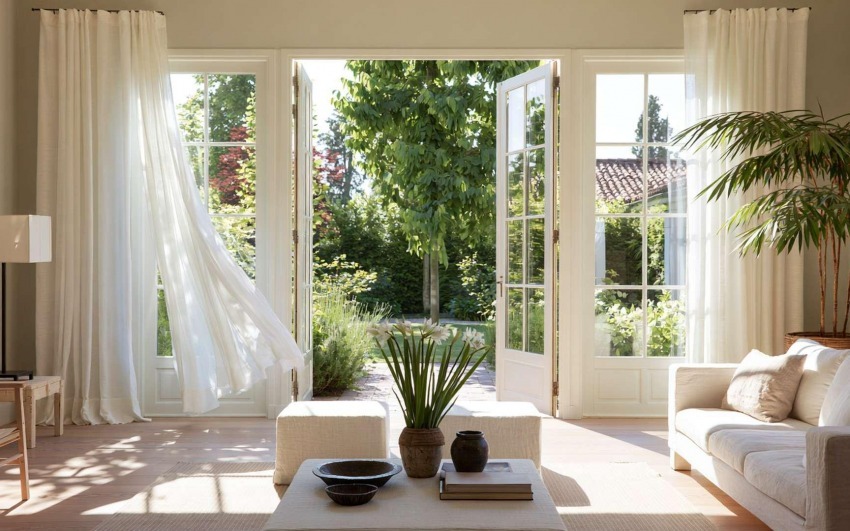
Incentives to improve your home’s energy performance remain very appealing.
Ecobonus: up to 65% tax deduction for interventions like window replacements or LED lighting systems.
Renovation Bonus: 50% deduction up to €96,000 of expenses.
A great way to combine energy savings, everyday comfort, and enhanced aesthetics.
_c58c6e03d3_.jpg)
AI Generated Content
3. Green Bonus: The Garden as a Home Extension
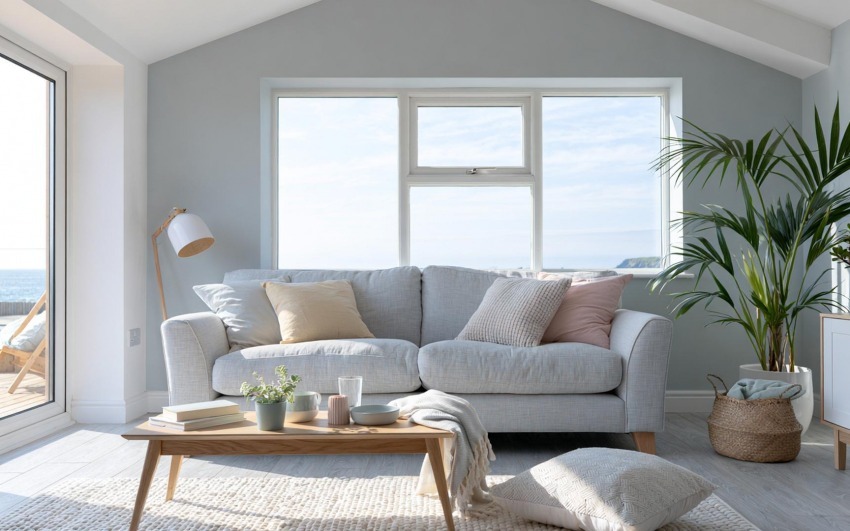
For those who want to enhance terraces, balconies, or gardens, the Green Bonus is still active with a 36% deduction up to €5,000.
Includes: landscaping, irrigation systems, green roofs.
Perfect for: creating cozy, functional outdoor spaces.
_8a0affec0c_.jpg)
AI Generated Content
4. Smart Design: How to Use Bonuses Strategically
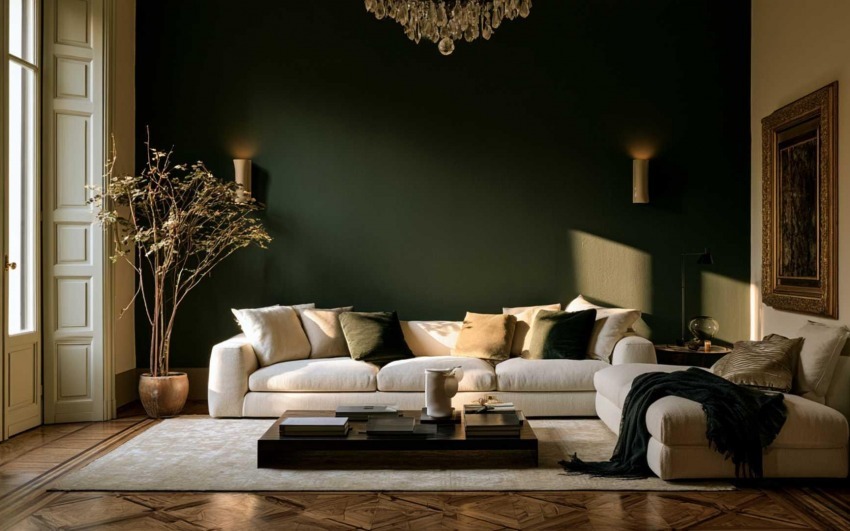
Incentives aren’t just about saving money—they’re an opportunity to rethink your home.
Multifunctional furniture for compact spaces.
Design accents that increase everyday comfort.
Targeted investments in durable, sustainable materials.
IDW tip: use the Bonuses to renew not only what’s “needed,” but also what makes your home more beautiful and welcoming.
_c9699f4ded_.jpg)
AI Generated Content
2025 is the year to seize if you want to refresh your interiors. The furniture bonus, ecobonus, renovation bonus, and green bonus are concrete tools to combine design, functionality, and savings. Home is more than a place to live—it’s a reflection of your lifestyle. Why not take this opportunity to make it even more beautiful and sustainable?
_bedfd2b2d0_.jpg)
AI Generated Content
To discover more renovation ideas, check out our article on boiserie? Boiserie: How to Restructure a Room
For official information on renovation tax incentives, visit the Revenue Agency’s website? Agenzia delle Entrate – Incentives
_14077b47db_23.jpg)
Interior Designer since 1985
CEO & Founder, Italian Design in the World