11/28/2025
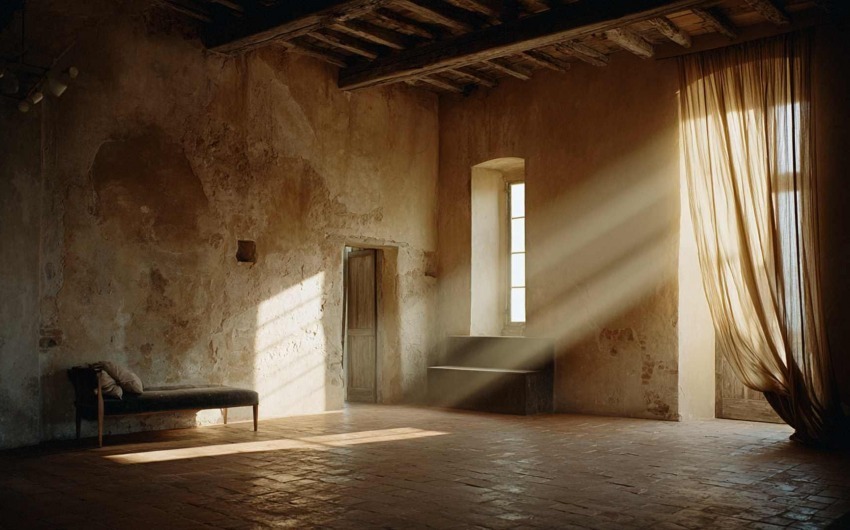
Today, Italian design is more than an aesthetic — it’s an innovative ecosystem, balancing cultural heritage and modern intelligence.
Tradition Meets Innovation
Italy’s global reputation was built by master artisans — woodworkers, upholsterers, glassmakers, and ceramicists — capable of turning noble materials into works of art. Now, their expertise merges with cutting-edge technology, creating a design that retains its human soul while embracing modern tools.
As Vesoi, a leading Italian lighting brand, explains:
“Craftsmanship remains at the heart of our work. Technology doesn’t replace it — it enhances it. You can control light with a smartphone, but it’s still light designed by humans, for humans.”
AI Generated Content
_545ceefe0e_.jpg)
AI Generated Content
Technical Materials, Sensory Aesthetics
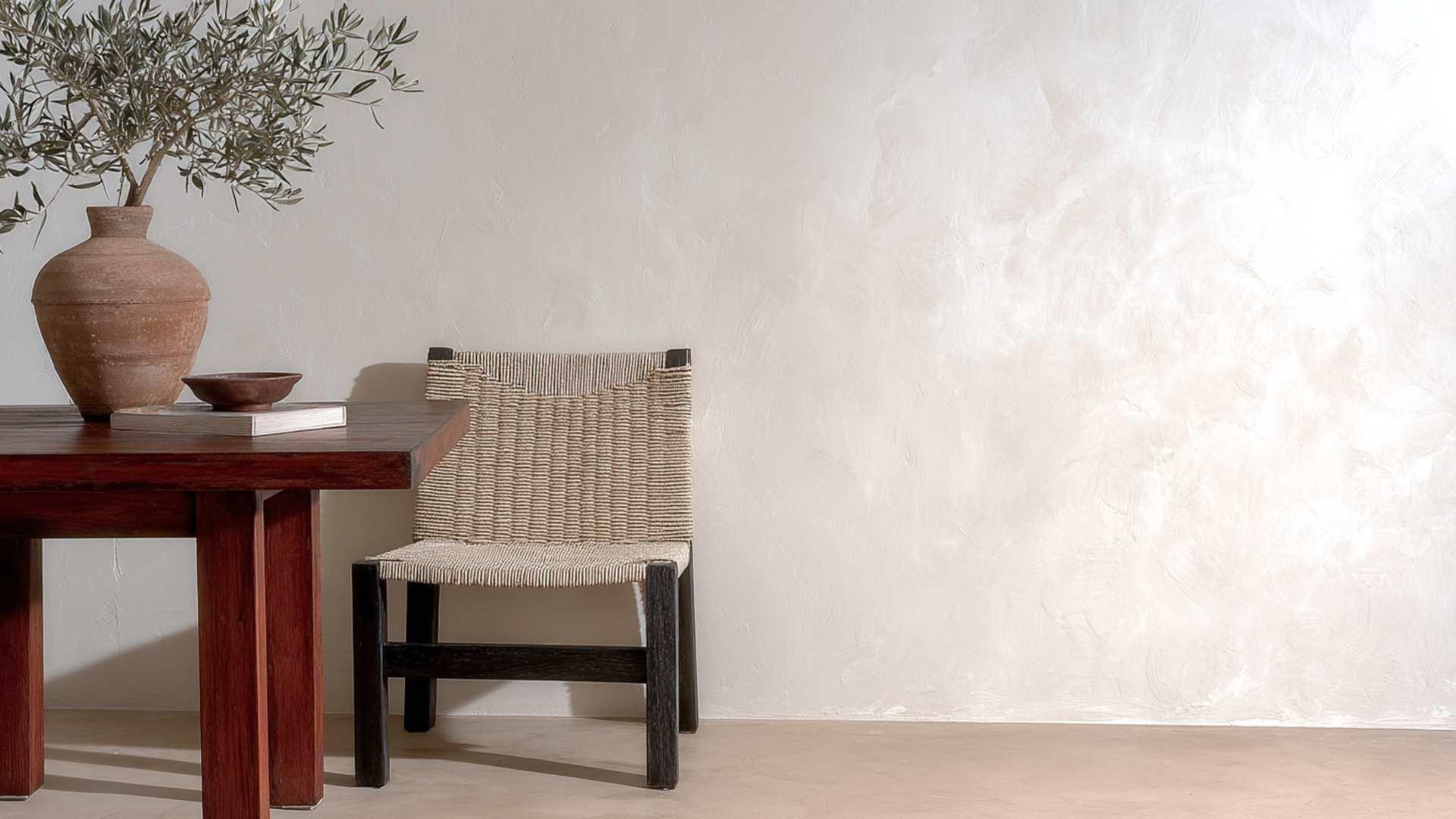
From Laminam’s ultra-thin ceramic slabs to new-generation eco-friendly finishes, Italian materials embody continuous research and innovation. The focus is not just on performance, but on sensory experience — surfaces that catch the light like silk, textures that recall stone or fabric, finishes that invite touch.
The result is a design language that lives between engineering and emotion.
_074f6a6fa2_.jpg)
AI Generated Content
_fb18f476bd_.jpg)
AI Generated Content
The Intelligence of Form
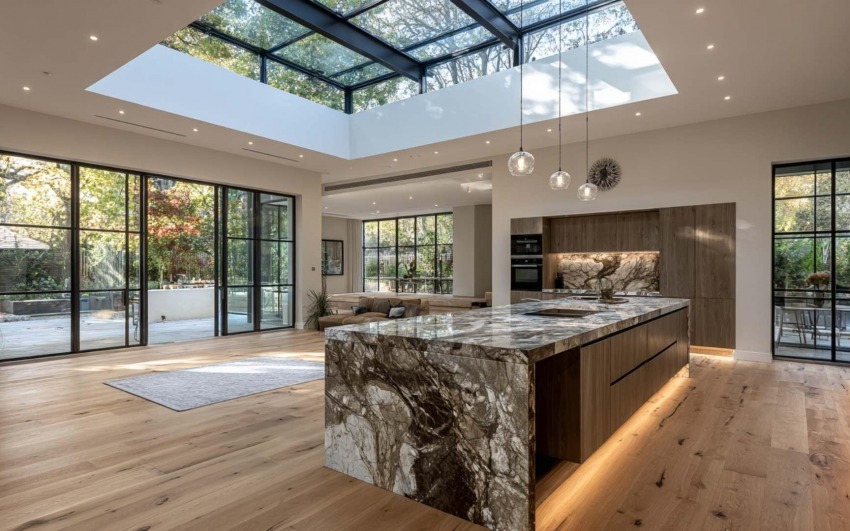
In interior design, Italy continues to lead with a philosophy that blends form, function, and feeling. Brands like Novamobili bring this vision to life through modular systems, customizable components, and refined lines that combine artisanal precision with advanced production techniques. This is design meant to last — adaptable, timeless, and sustainable by nature.
_ed8c1f480d_.jpg)
AI Generated Content
_ea3babd3fb_.jpg)
AI Generated Content
A New Renaissance of Design
Contemporary Italian design stands at the crossroads of craft and innovation. It’s a cultural renaissance, shaped by collaboration between companies, architects, and designers who reinterpret tradition for the future. It’s a design language rooted in authenticity — a quiet, intelligent form of luxury that continues to inspire the world.
_39d89bd9a1_.jpg)
AI Generated Content
Discover the world of IDW Italia and its partner collections: Italian Design Accessories: Small Details, Big Impact
_14077b47db_23.jpg)
Interior Designer since 1985
CEO & Founder, Italian Design in the World