4/11/2025
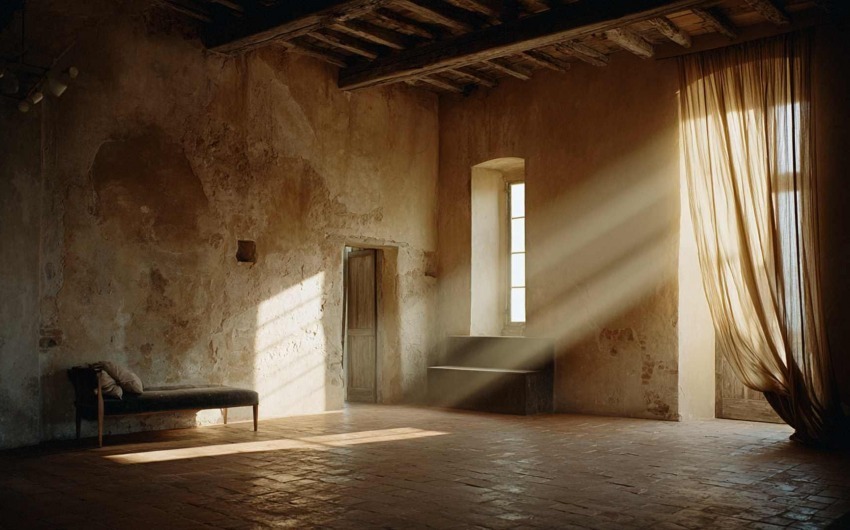
But how does this rule influence interior design? In this article, we will explore the hidden geometry behind the most captivating spaces and learn how to use the Golden Ratio and other proportions to create harmony without needing to be a mathematician.
1. The Golden Ratio: What It Is and Why It Feels Perfect
The Golden Ratio, also known as the divine proportion, is a mathematical constant (approximately 1.618) that appears everywhere: in flowers, seashells, artworks, and even the human body.
This proportion has been used for centuries in architecture and design to create naturally balanced structures. Our brain unconsciously recognizes this harmony, making spaces designed with the Golden Ratio feel aesthetically pleasing.
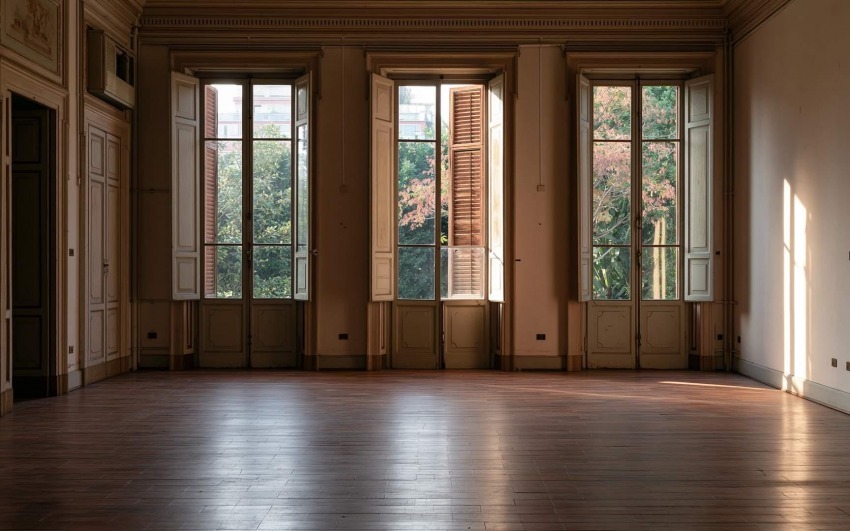
Historical Example: The Parthenon in Athens and Leonardo da Vinci’s Mona Lisa follow the Golden Ratio to achieve balance and visual perfection.
_a506e38702_.jpg)
AI Generated Content
2. How to Apply the Golden Ratio in Interior Design
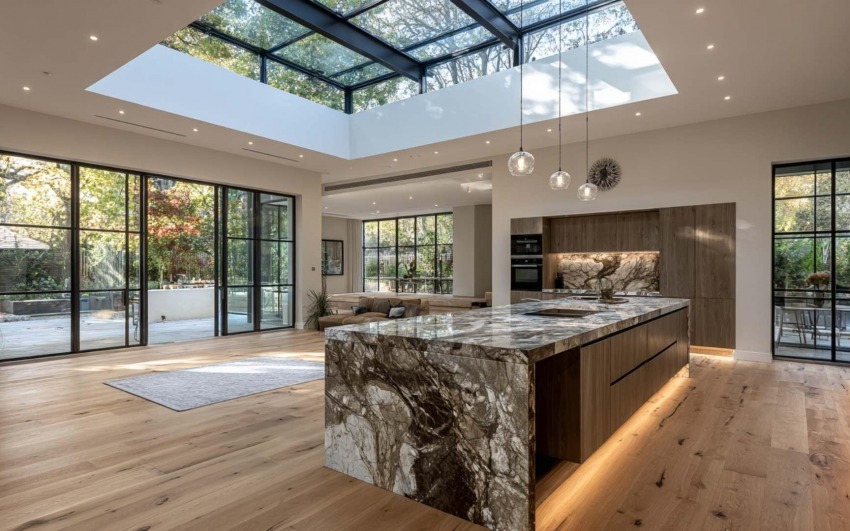
Many well-designed interiors unknowingly follow the Golden Ratio. Here’s how to incorporate it into your home:
Space distribution: Arrange furniture and decorations using the 1:1.618 ratio for better balance.
Proportions of furniture: The height of furniture relative to walls or the size of artwork above a table can be calculated using the Golden Ratio.
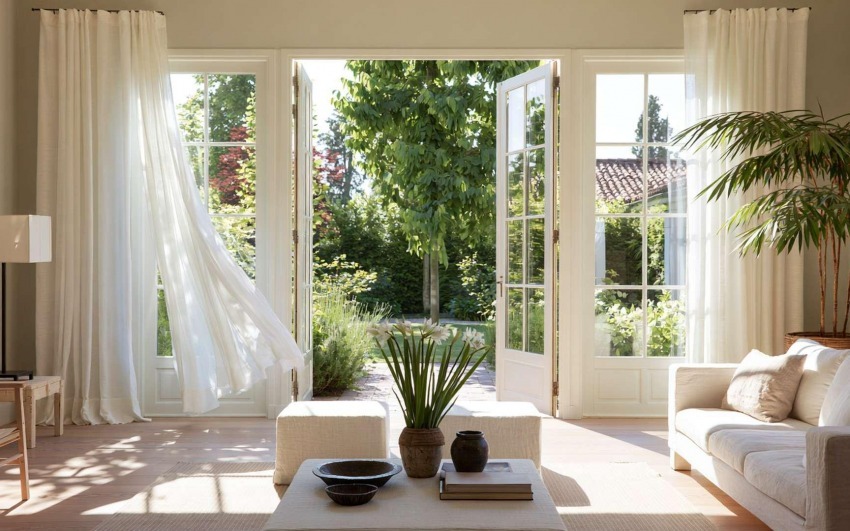
The Golden Rectangle: A rectangle with a 1:1.618 ratio can help determine the ideal size of a rug, bookshelf, or even an entire room.
Practical Example: If you have a 3-meter-long wall, the Golden Ratio suggests placing the focal point at approximately 1.85 meters for a naturally balanced effect.
_d00394c80e_.jpg)
AI Generated Content
3. Other Perfect Proportions in Design
Besides the Golden Ratio, other rules help create interior harmony:
The Rule of Thirds: Divides space into three equal parts, guiding object placement.
The 2:3 Ratio: Often used for rug, table, and painting sizes to create balanced proportions.
The Golden Spiral: Guides the eye naturally, often applied in furniture and decoration arrangements.
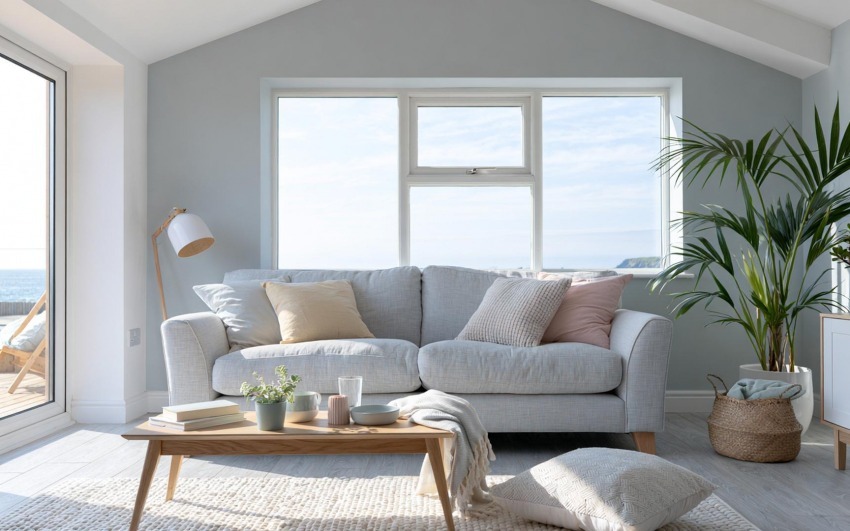
Practical Example: A painting placed following the Rule of Thirds instead of in the exact center of a wall feels more natural and less static.
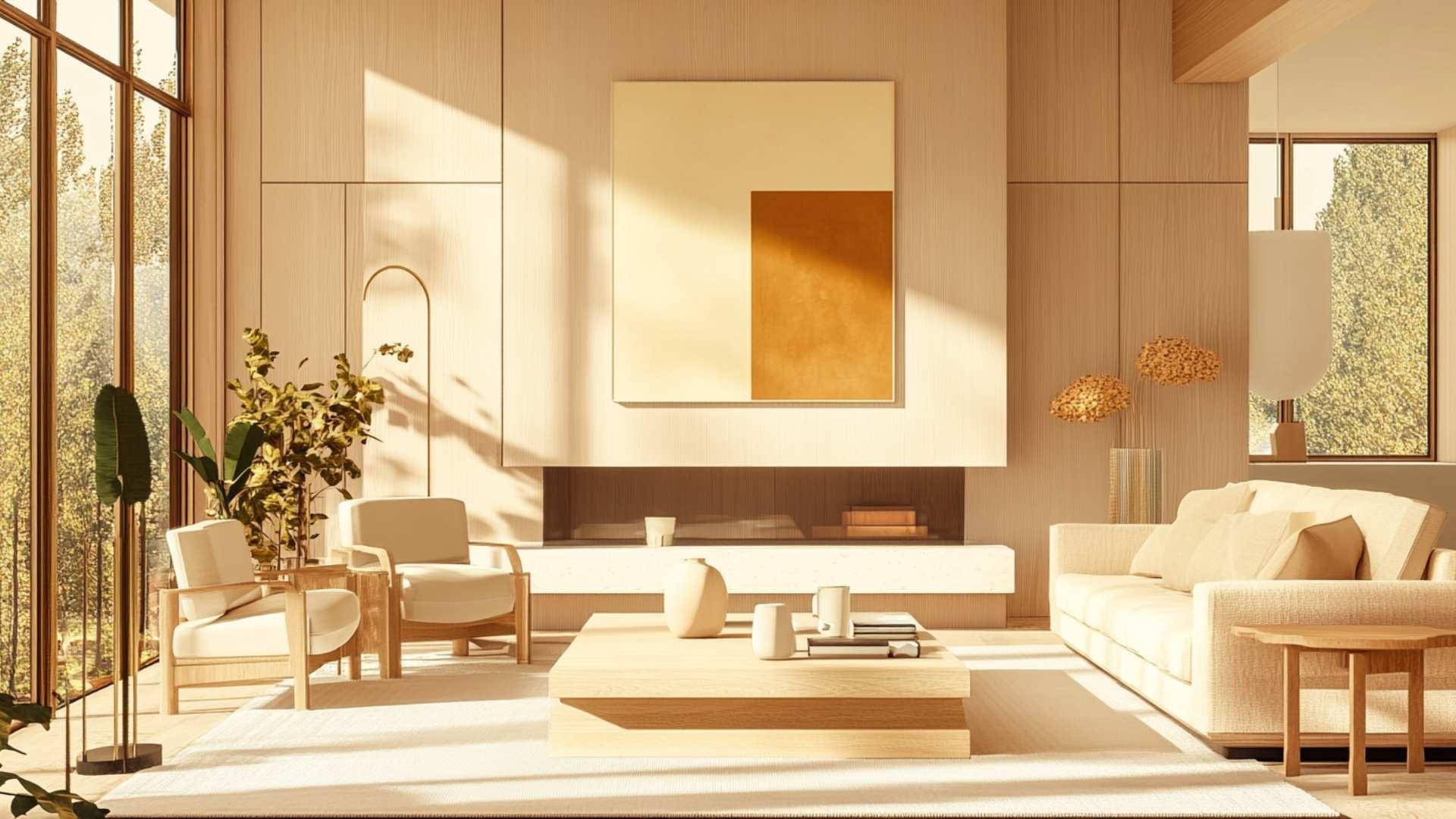
AI Generated Content
4. Creating Harmonious Interiors Without Math
Follow your instincts: If something feels “off,” it probably is.
Observe nature: Natural landscapes follow harmonic proportions that inspire better interior design.
Simplify lines: Avoid clutter, leaving space for light and visual breathing.
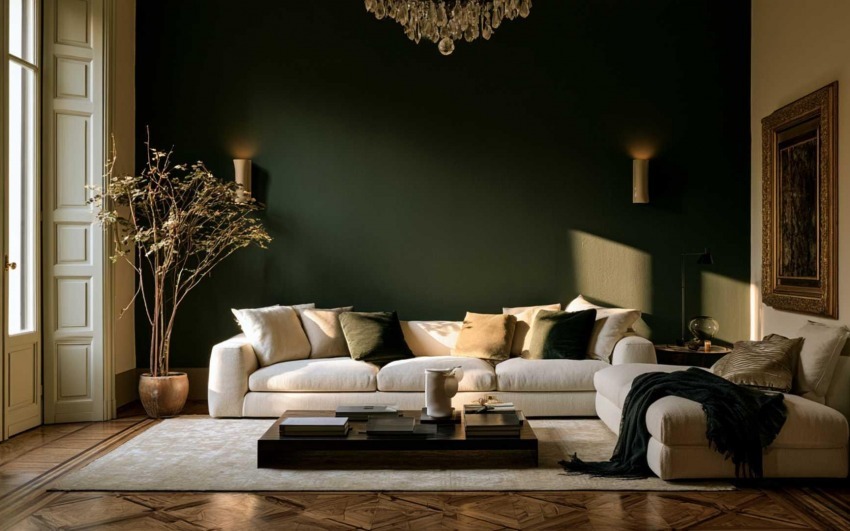
Practical Example: A living room where furniture follows a 2:3 proportion feels naturally balanced compared to one arranged without a clear structure.
_15b140d1dc_.jpg)
AI Generated Content
The secret geometry of design creates perfectly balanced and visually appealing spaces. The Golden Ratio, Rule of Thirds, and other mathematical proportions are powerful tools for achieving harmony, yet they can be applied intuitively.
By using these principles, you can design a home where every element is in perfect balance, transforming spaces into elegant, functional, and welcoming environments.
_14077b47db_23.jpg)
Interior Designer since 1985
CEO & Founder, Italian Design in the World