11/17/2023
The Creativity Behind Mix & Match
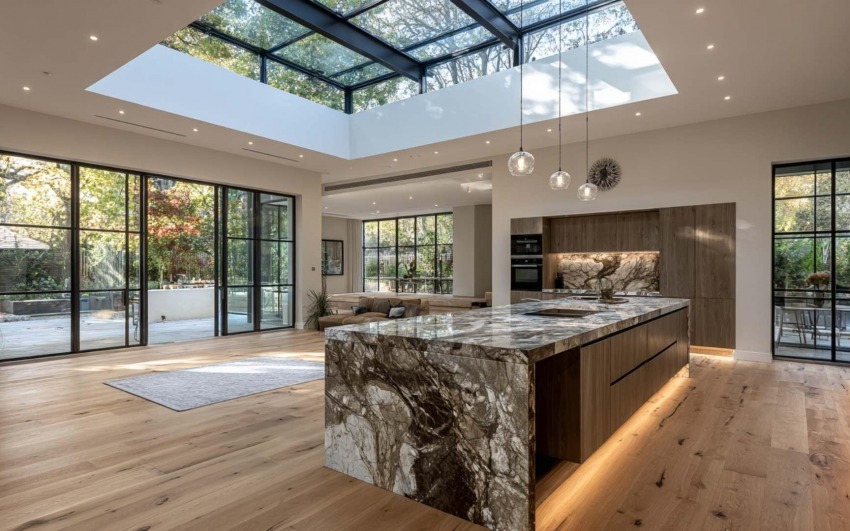
Mix & match is not just about casually pairing disparate items. It's a form of creative expression that requires attention to detail, balance, and a clear vision. Start by identifying a main style or theme for your design that will serve as a guiding thread. This main style provides a solid foundation on which to build.


Matching Colors and Materials
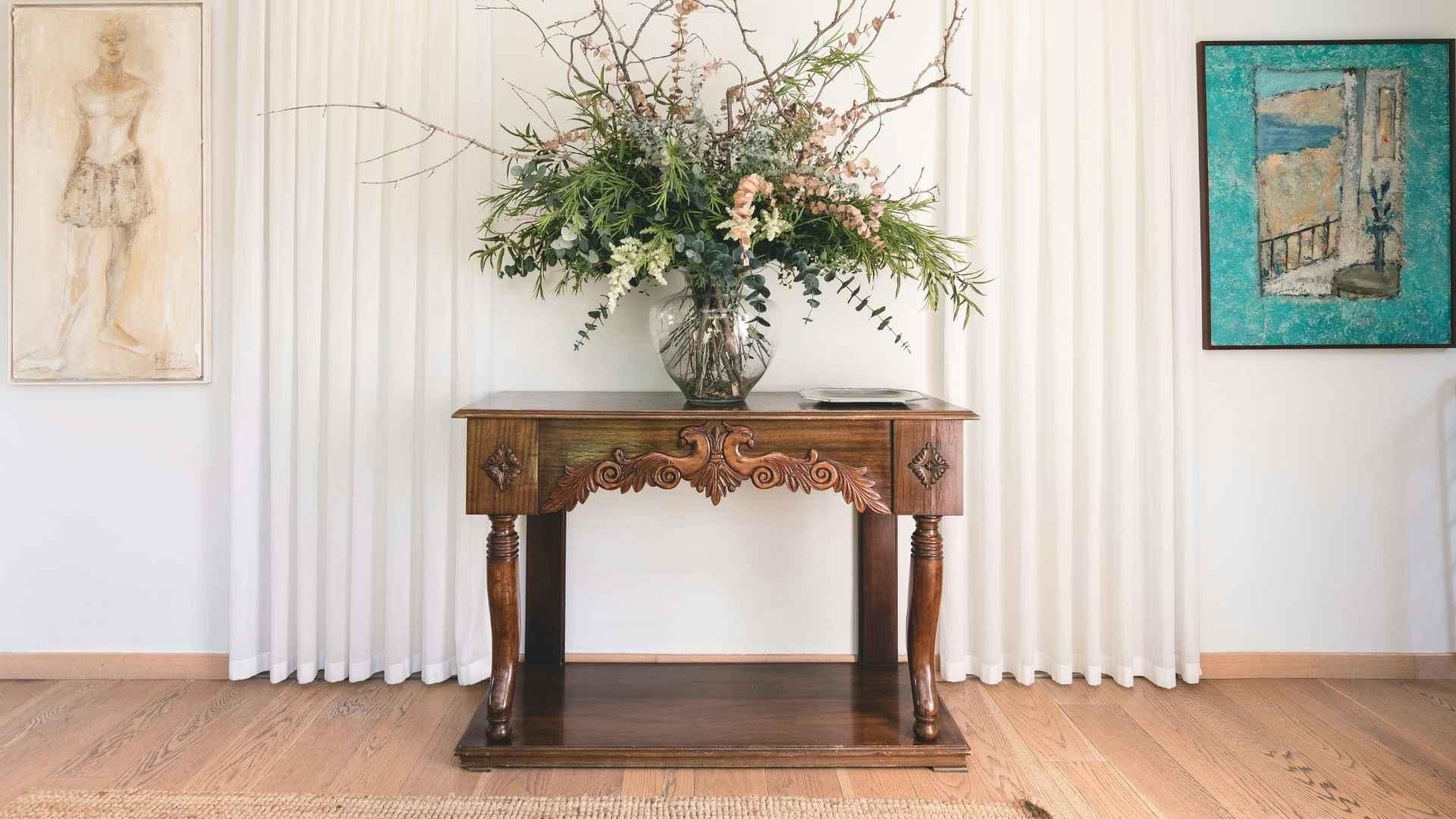
Colors and materials are key elements in mix & match. The combination of color palettes can define the atmosphere of a space. For example, mixing neutral colors with pops of vibrant hues can create an engaging and lively environment. Combine different materials such as wood, glass, metal, and fabric to add depth and visual interest.


Eclectic Furniture
Furniture pieces are often the focal point of mix & match. Choose furniture that draws inspiration from different styles, such as vintage, modern, industrial, or rustic. This variety creates a compelling environment. For instance, a retro-style dining table can be paired with modern chairs for an eclectic touch.


The Art of Accessories
Decorative objects like paintings, mirrors, cushions, and lamps add character and personality to space. Choose pieces that inspire you or hold personal significance. These elements can also connect different parts of your design, creating a harmonious flow.


Maintaining Balance
While mix & match encourages diversity, it's essential to maintain balance. Too much mixing can lead to chaos. Ensure there is visual coherence, perhaps through a common color palette or a specific theme. Also, consider traffic flow and ergonomics to ensure the space is functional.


Interior Designer since 1985
CEO & Founder, Italian Design in the World
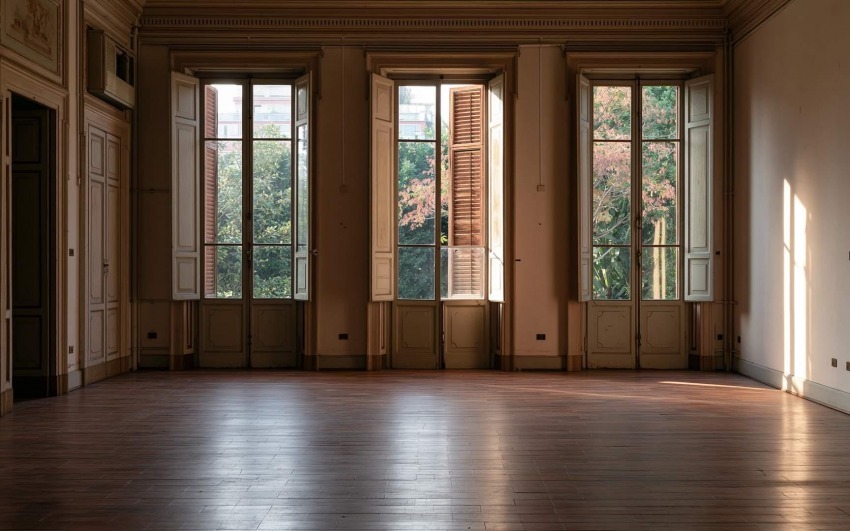
In recent years, the home has stopped being a simple functional container. It has become an extension of how we think, how we experience time, and how we relate to the world. Living today is a cultural act — a conscious choice that reflects values, priorities, and pace of life. It’s no longer just about aesthetics. It’s about position.
Homes have become more than places — they have become temporal landscapes. Design is shifting from objects to gestures, from furniture to the choreography of daily life.
Material innovation is reshaping interiors more deeply than any aesthetic trend. The new frontier is not in bold colors or complex textures — it lies in technical surfaces that are thin yet strong, discreet yet expressive, silent yet high-performing.
For years, interior design celebrated straight lines and sharp rationality. But as homes became more intimate and introspective, a new aesthetic began to emerge — one rooted in softness, continuity, and emotional comfort. 2025 marks the consolidation of this evolution: curves, arches, and generous volumes define the new vocabulary of contemporary interiors.
Italian design has always been synonymous with beauty, precision, and creativity. In recent years, this legacy has evolved into something new: a fusion of tradition and technology, where craftsmanship meets smart materials, sustainable production, and digital innovation.
It’s not about square meters — it’s about smart choices. Modern luxury no longer belongs only to villas or penthouses: it’s about the ability to make refined beauty flourish even in compact spaces through premium materials, tailored design, and carefully orchestrated lighting. This is the essence of micro luxury — a rising trend across Europe, appealing to cultured urban dwellers seeking chic, intelligent solutions for smaller homes.