11/21/2025
The Elegance of the Essential
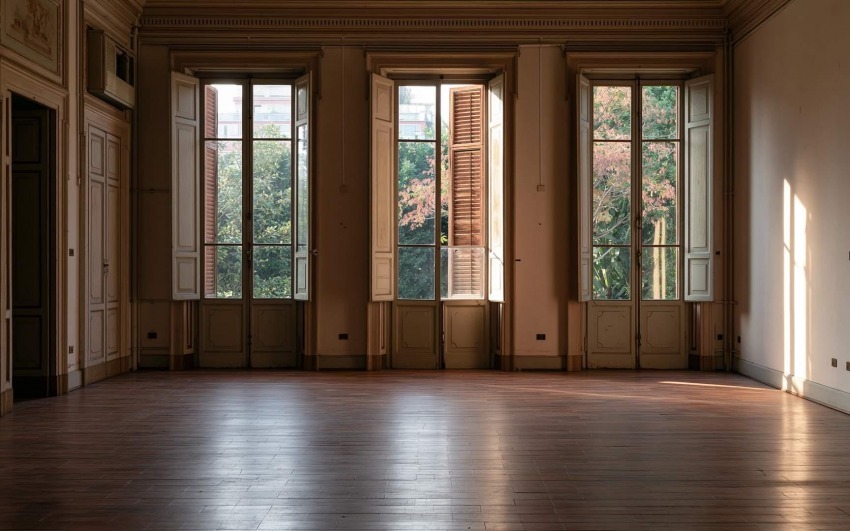
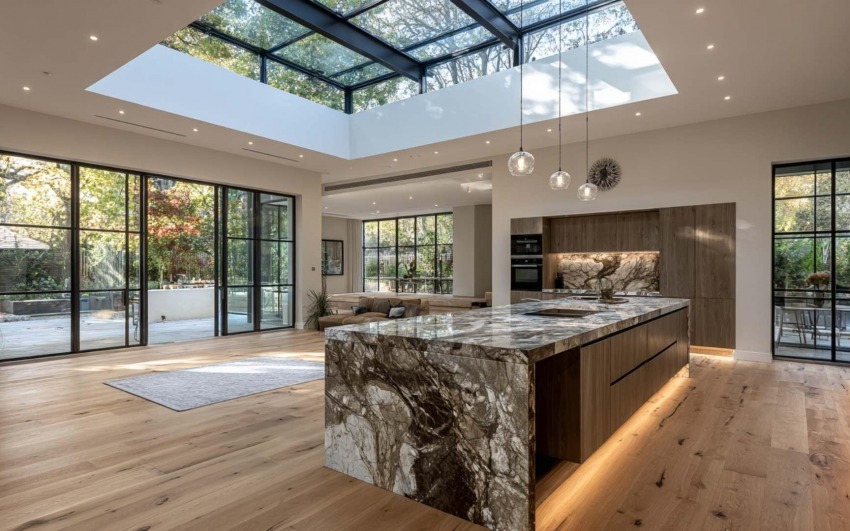
Micro luxury is built on one key idea: less space, more character. In a city apartment, every detail must serve a purpose — and carry a touch of distinction. Light wood paneling, backlit niches, soft-touch finishes, and delicate vertical lines transform even a studio into an elegant retreat.
The focus shifts from volume to craftsmanship, from quantity to quality. Like haute couture, design becomes bespoke — shaped around the individual.
AI Generated Content
Refined Materials and Subtle Accents
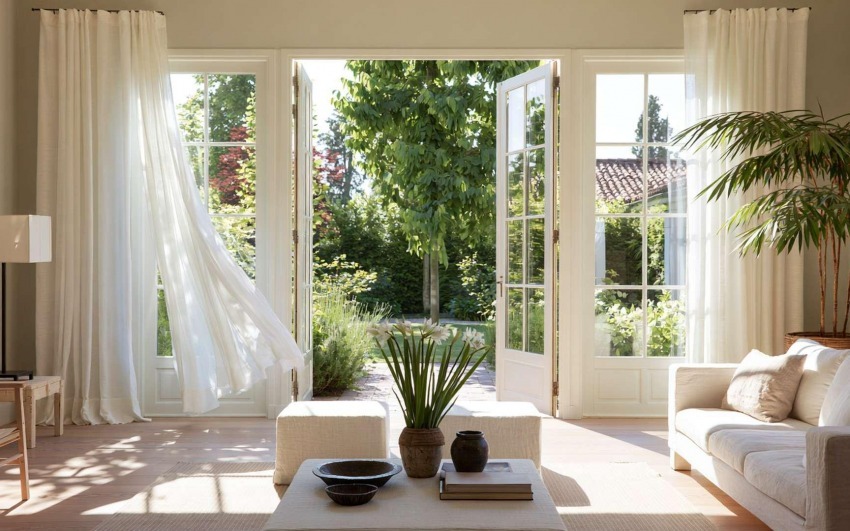
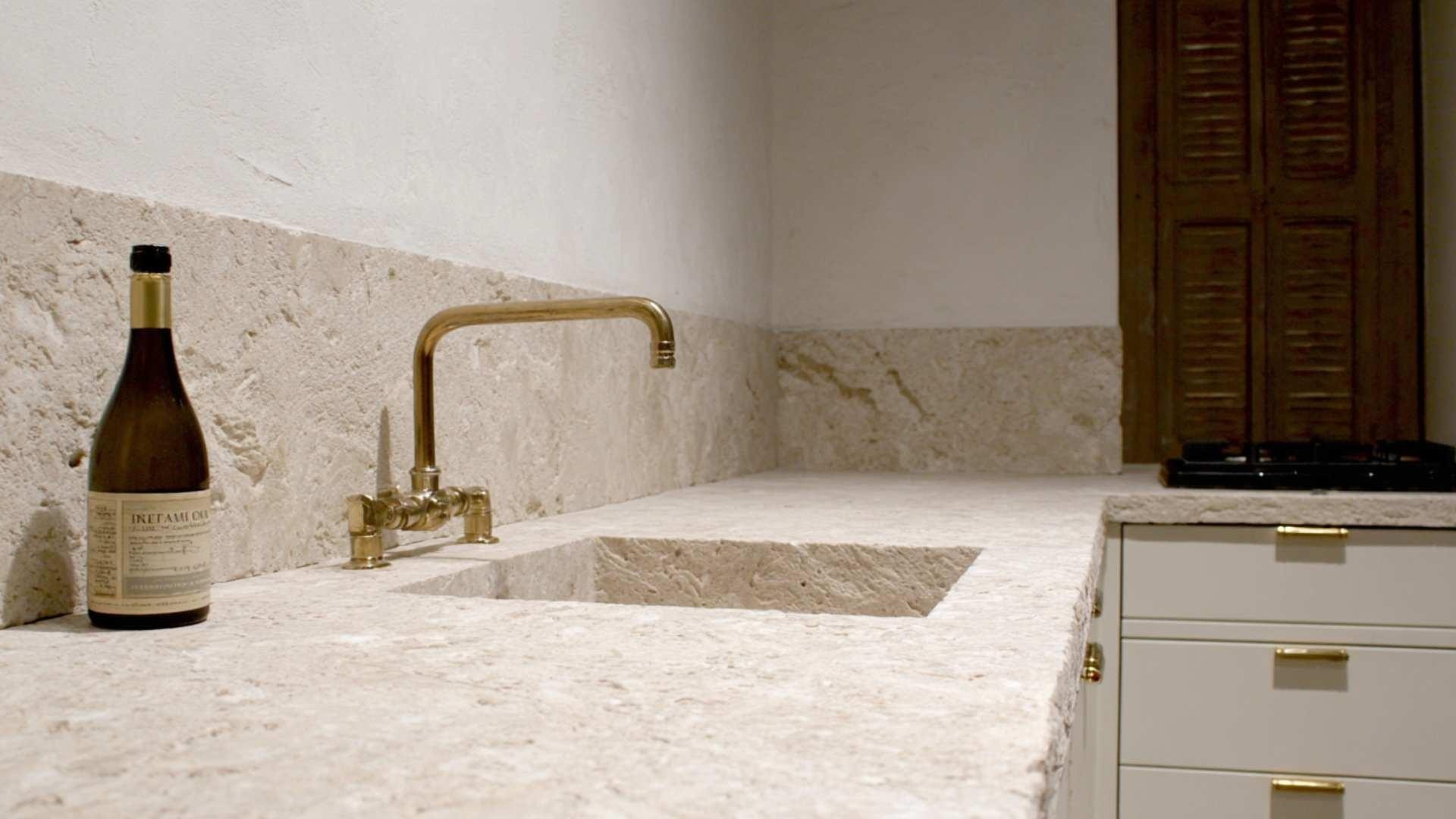
The secret lies in measured luxury. Thin marble slabs, oiled woods, satin metals, and tactile fabrics define an atmosphere that feels refined without excess. A compact kitchen can stand out with a stone countertop or brushed brass handles. A small bathroom can feel like a spa with sculpted lighting and continuous surfaces.
Collections from Family Bedding embody this philosophy beautifully — modular sofas and beds with clean lines and luxurious fabrics, designed to fit elegantly into compact environments.
_62d32cdeb1_.jpg)
AI Generated Content
Tailored Lighting
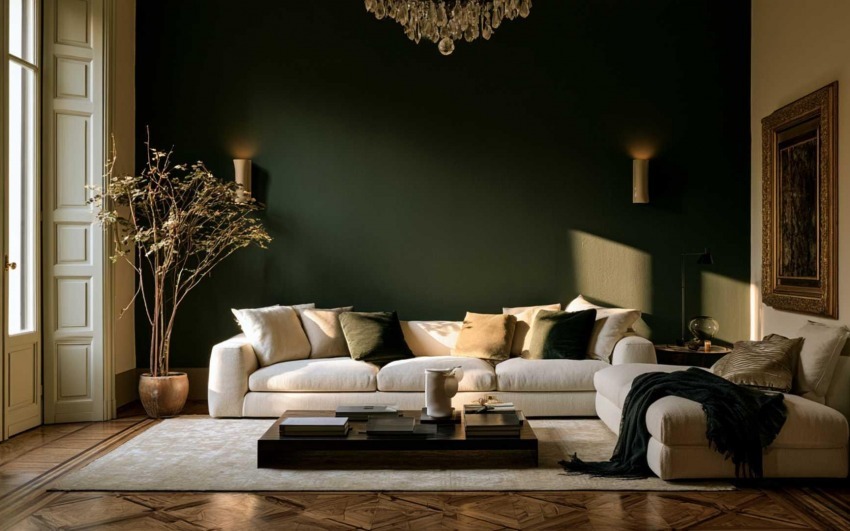
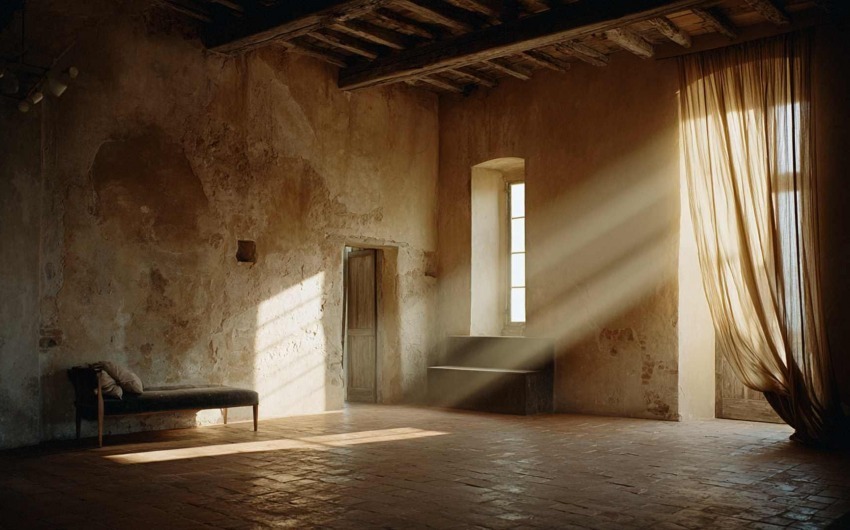
Lighting is the signature of micro luxury. Layered — ambient, grazing, and accent — it sculpts the space and enhances textures. A well-placed wall light or hidden LED channel can expand the perception of space, adding intimacy and sophistication.
_9aae197f56_.jpg)
AI Generated Content
Made-to-Measure Solutions
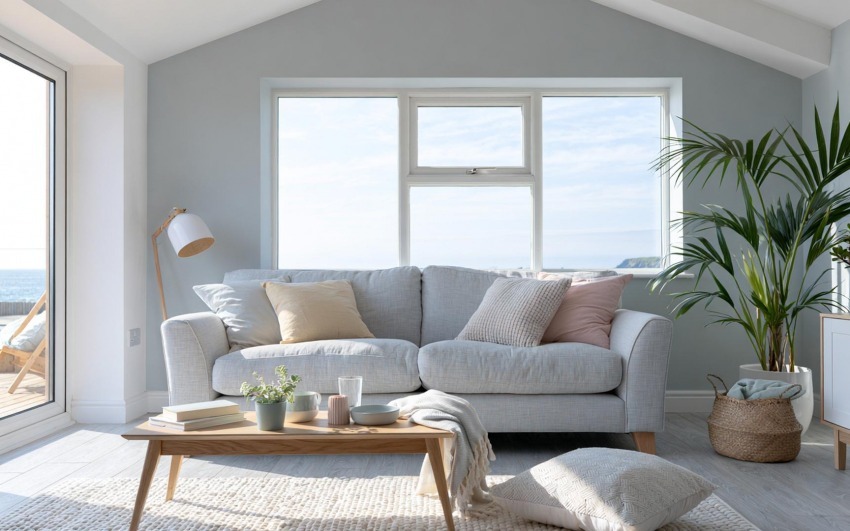
In contemporary homes, custom design is not an indulgence — it’s a necessity. Full-height wardrobes, sliding panels, fold-out tables, and integrated shelving systems allow every inch to work efficiently while preserving harmony. Urban interiors today thrive on precision and proportion.
_c936ceaed5_.jpg)
AI Generated Content
The Luxury of Proportion
Micro luxury is not about compromise — it’s a new form of elegance: mindful, balanced, and deeply personal. You don’t need a large home to live beautifully — just one that reflects you, welcomes you, and amazes you, day after day.
_a11a06150f_.jpg)
AI Generated Content
_14077b47db_23.jpg)
Interior Designer since 1985
CEO & Founder, Italian Design in the World