10/24/2025
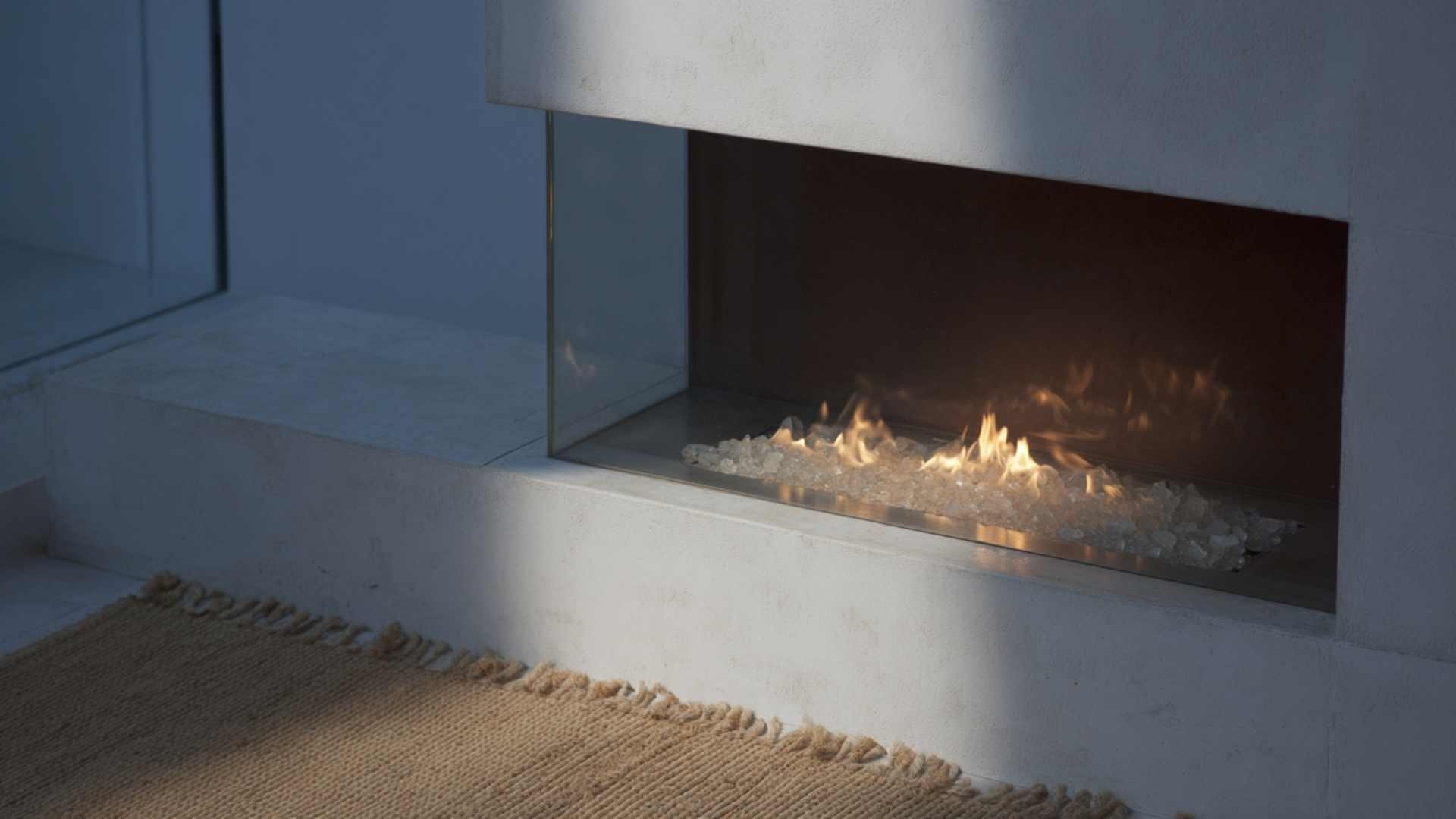
Despite technology, nothing beats the atmosphere of real fire:
It provides visual and sensory warmth.
It creates a natural focal point in interiors.
It instantly makes spaces feel intimate and inviting.
Today, the magic of fire is possible even without wood or chimneys.
_8a22b40911_.jpg)
Bioethanol fireplaces are increasingly popular because:
No chimney required.
Essential, versatile design.
They use an eco-friendly, renewable fuel.
A perfect choice for those seeking authentic atmosphere with sustainability in mind.
_74c6bb3b7a_.jpg)
For those who prioritize convenience, electric fireplaces deliver:
Minimal maintenance.
Realistic flame effects created by light.
Adjustable heat and brightness levels.
Perfect for modern apartments or compact spaces needing instant comfort.
_9ceb8de108_.jpg)
_fc8a2c37a9_.jpg)
The fireplace becomes a true design object:
Sleek lines and refined finishes.
Suspended or built-in wall versions.
Compact models for smaller spaces.
A modern fireplace is not just warmth—it’s a statement of style and personality.
_26e985edd6_.jpg)
_8349ea7fc8_.jpg)

Fireplaces are back in style — reinvented with sustainable materials, smart technology, and modern design.
From bioethanol to electric to wall-mounted minimal versions, fire today means design, atmosphere, and green comfort.
A return to origins that looks to the future — enhanced by new-generation surfaces like those by Laminam, ideal for combining warmth and contemporary aesthetics in one cohesive space.
Also read Warm Colors for Winter: How to Choose the Right Tones for Your Home to discover how warm palettes can elevate your home’s atmosphere all year round.
Interior Designer since 1985
CEO & Founder, Italian Design in the World
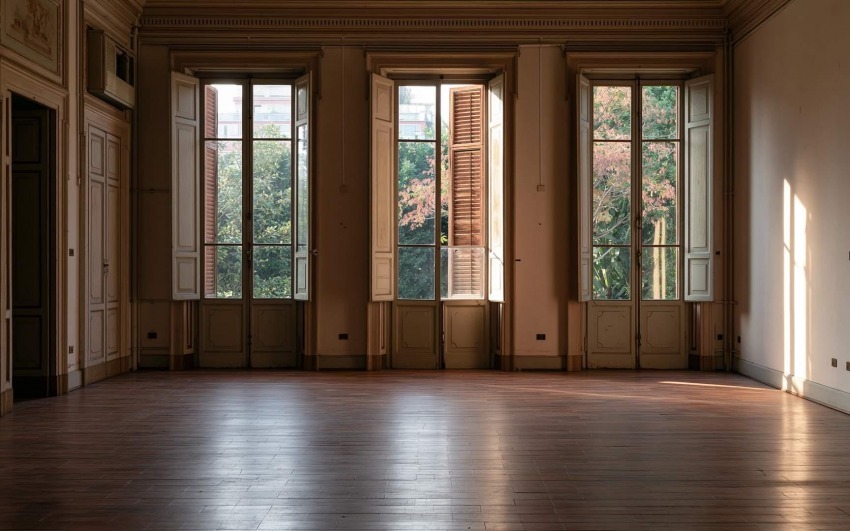
For decades interior design has chased the idea of a "perfect", unchanging space: same colours, same lights, same layout twelve months a year. The home as a photo set always ready, but often distant from the cycles that govern our body and our mood.Today a different idea is returning: the house as an organism that responds to the seasons. Not an aesthetic whim, but a response to the need to align the environments we live in with natural rhythms — light, temperature, colour, vegetation — with measurable benefits for sleep, concentration and wellbeing.March, with the equinox and the awakening of spring, is the ideal time to rethink interiors in a seasonal key.
For years, interior design has lived with a contradiction: an obsession with effect. Marble-effect. Wood-effect. Metal-effect. Stone-effect. A home that looks like something, rather than truly being something.
For years, we designed homes as if they had to pass a constant visual exam: perfect light, perfect white, the right chair, the right vase. Interiors built to be photographed more than lived in. Digital aesthetics — polished, minimal, hyper-ordered — entered interior design like an unspoken rule: if it isn’t “clean,” it isn’t beautiful; if it isn’t coherent, it isn’t successful; if it can’t be shown, it isn’t desirable.In 2026, this narrative is losing its power. Not because beauty matters less, but because beauty alone is no longer enough. A new need is emerging: anti-algorithm interiors, spaces not designed for the shot, but for everyday life. Less performative homes, more real ones. Environments that don’t seek approval — they restore energy.This is not a return to chaos. It’s a return to meaning.
For years, open-plan living symbolized contemporary domestic design: fluid, bright, without barriers. A response to the desire for freedom, openness, and visual continuity.Today, that promise is being reconsidered. In 2026, many projects mark a shift — not a rejection of open space, but its critical evolution. The return of thresholds.
One of the most underestimated challenges in contemporary design is time. Not the time required to design a space, but the time the space must endure: years of daily life, change, wear, and transformation.
In recent years, the home has stopped being a simple functional container. It has become an extension of how we think, how we experience time, and how we relate to the world. Living today is a cultural act — a conscious choice that reflects values, priorities, and pace of life. It’s no longer just about aesthetics. It’s about position.