12/27/2024
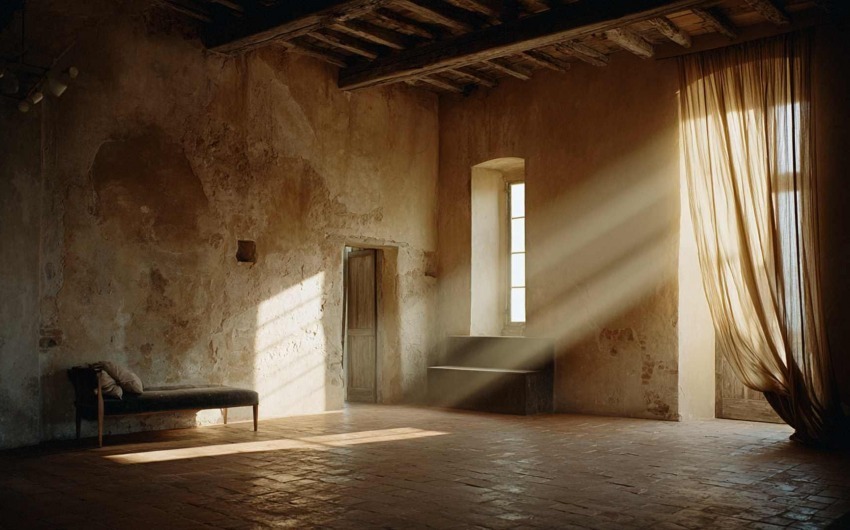
Beige, brown, terracotta, and ochre are colors that evoke nature and convey a sense of calm and serenity. Use them for walls, furniture, or textiles like curtains and blankets.
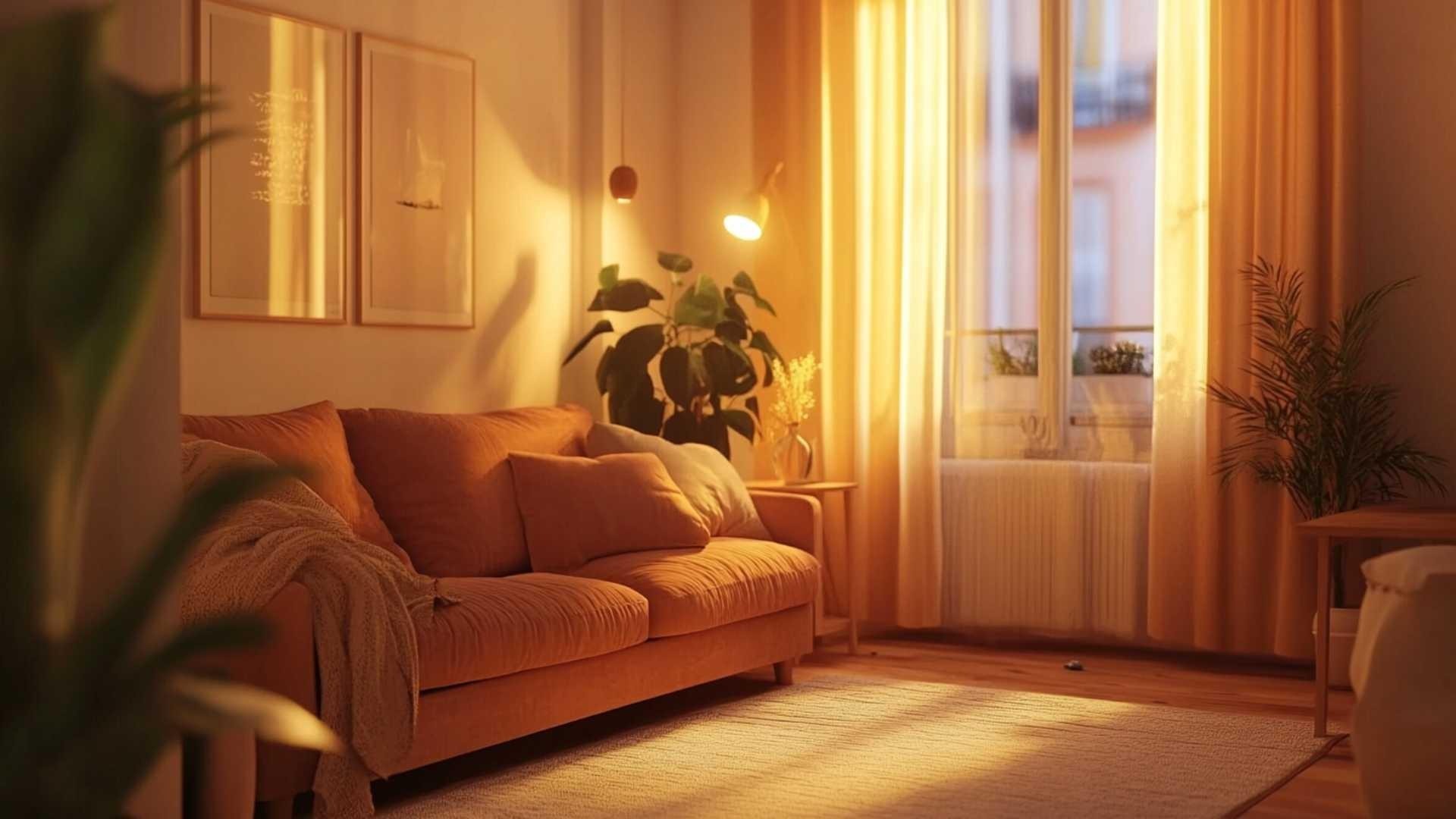
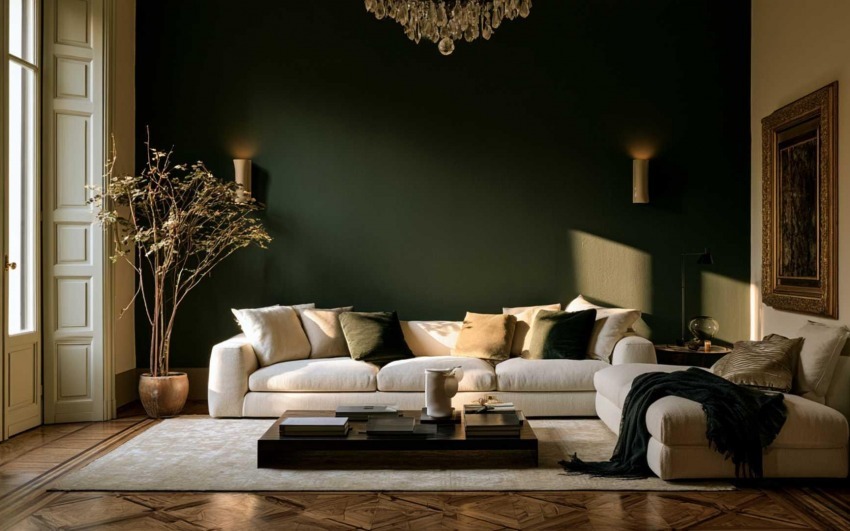
Add a touch of vibrancy with accents of burgundy, olive green, or mustard yellow. These colors can be used for cushions, rugs, or decorative accessories, creating contrast without overwhelming the space.
_4125ddc68f_.jpg)
Choose soft and cozy fabrics like velvet, wool, and cotton. These materials not only improve comfort but also enhance warm colors, making the environment even cozier.
_20d337a01a_.jpg)
Use warm lights to emphasize the warm tones in your palette. Lamps with golden or amber hues can enhance the sense of intimacy and warmth.
_d2cde6fcf6_.jpg)
Paint one wall in a warm color to create a focal point or use artwork and prints with autumnal tones. Details make all the difference.
_c54c6c72a4_.jpg)
Interior Designer since 1985
CEO & Founder, Italian Design in the World
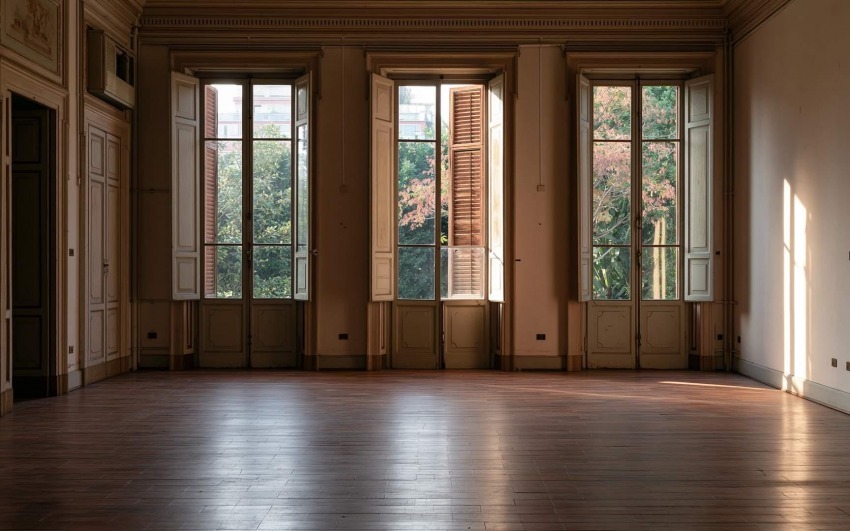
For years, interior design has lived with a contradiction: an obsession with effect. Marble-effect. Wood-effect. Metal-effect. Stone-effect. A home that looks like something, rather than truly being something.
For years, we designed homes as if they had to pass a constant visual exam: perfect light, perfect white, the right chair, the right vase. Interiors built to be photographed more than lived in. Digital aesthetics — polished, minimal, hyper-ordered — entered interior design like an unspoken rule: if it isn’t “clean,” it isn’t beautiful; if it isn’t coherent, it isn’t successful; if it can’t be shown, it isn’t desirable.In 2026, this narrative is losing its power. Not because beauty matters less, but because beauty alone is no longer enough. A new need is emerging: anti-algorithm interiors, spaces not designed for the shot, but for everyday life. Less performative homes, more real ones. Environments that don’t seek approval — they restore energy.This is not a return to chaos. It’s a return to meaning.
For years, open-plan living symbolized contemporary domestic design: fluid, bright, without barriers. A response to the desire for freedom, openness, and visual continuity.Today, that promise is being reconsidered. In 2026, many projects mark a shift — not a rejection of open space, but its critical evolution. The return of thresholds.
One of the most underestimated challenges in contemporary design is time. Not the time required to design a space, but the time the space must endure: years of daily life, change, wear, and transformation.
In recent years, the home has stopped being a simple functional container. It has become an extension of how we think, how we experience time, and how we relate to the world. Living today is a cultural act — a conscious choice that reflects values, priorities, and pace of life. It’s no longer just about aesthetics. It’s about position.
Homes have become more than places — they have become temporal landscapes. Design is shifting from objects to gestures, from furniture to the choreography of daily life.