11/04/2022
Feng Shui literally means "wind" and "water", where the wind represents the energy that moves and transforms nature, and water, the basic element for life on Earth, the world. This method is based on organizing the spaces of our life in harmony with the natural positive energies, which is achieved with the balance between the two principles of the Whole, the Yin, which recalls the female sex, the earth and the Moon and the dark colors, and Yang, linked instead to the male sex, to the Sun and to light colors; they are therefore opposite but complementary forces that cannot be separated.
The art of Feng Shui conceives the domestic space as a container that adapts to our personality and the daily activities we carry out. The first rule of this method is order: it would be good, therefore, to get rid of the superfluous, since the accumulation of untidy and unused objects prevent the flow of positive energies, negatively affecting the well-being of domestic life.
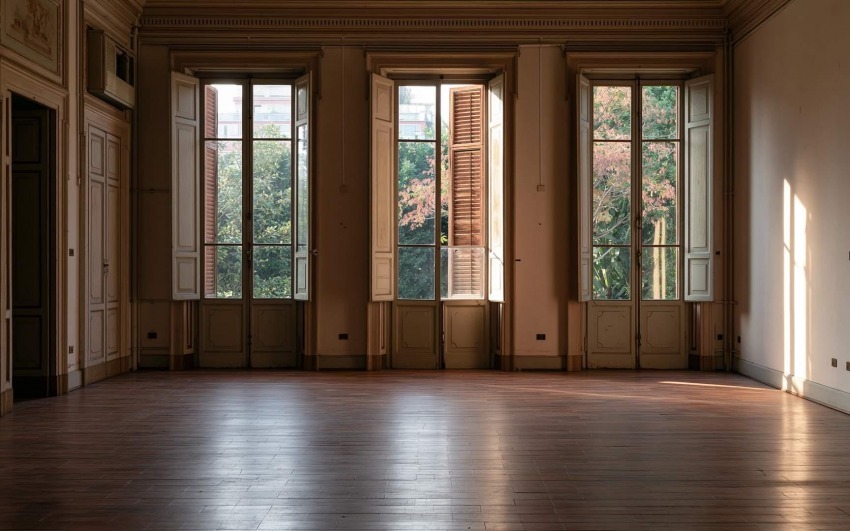
Furnishing your home in Feng Shui style means entering a world unto itself, away from the chaos of the outside world, where calm and balance reign supreme. That is why, it is very important to try to furnish in a homogeneous way, starting with the floors, which must be of the same type throughout the house, perhaps preferring wooden parquet, as it shows itself to be a living and natural material.
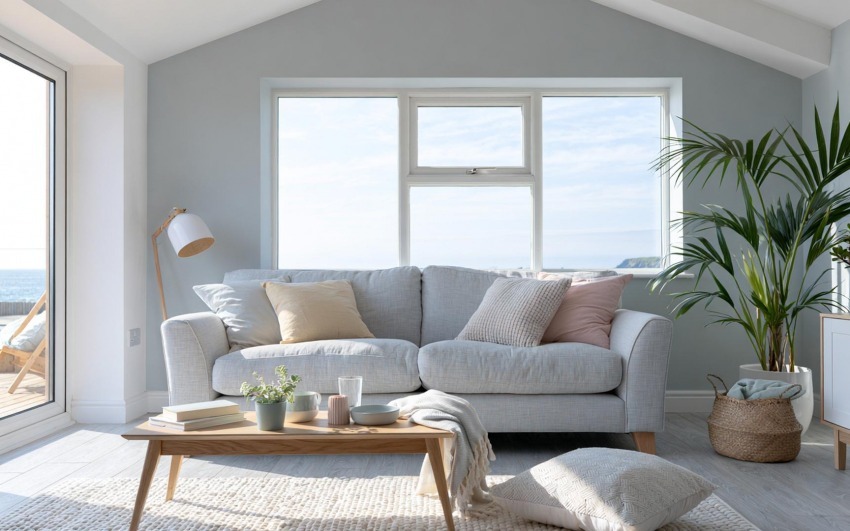
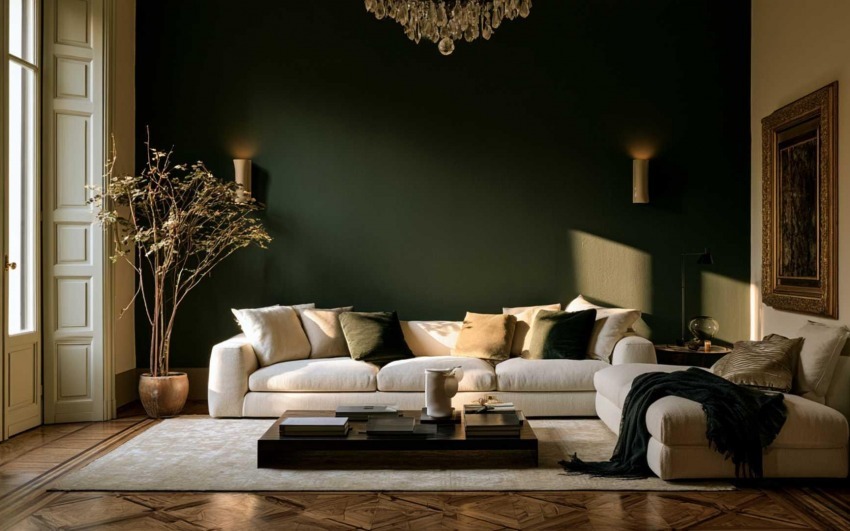
Of fundamental importance is the choice of colors, which must not, in any way, be casual and must be suitable for any environment: in the kitchen we can evaluate a yellow, which stimulates the appetite and gives energy and positivity to start the day. As for the living room, considered one of the focal points of our home, we recommend warm and bright colors, such as red and orange, as they facilitate conversations and infuse joy, happiness and constructive energy. Thinking instead of a lighter shade, pink could suit the entrance well, making it fresh and welcoming. In Feng Shui furnishings, black and blue fall into the element of water, where black symbolizes work, power and money, while blue, not too dark shades, has a calming effect, which gives an atmosphere bright and welcoming to an environment with little natural light and fits perfectly with the bathroom furnishings. Gray and neutral shades infuse balance and firmness, making them ideal for walls and furnishings in a home office environment. While, on the other hand, for the bedroom, the shades of green and blue are mainly recommended, which promote relaxation and sleep.
The Feng Shui method suggests the choice of materials that are as natural as possible, such as wood, marble and stone, as they illuminate the rooms and keep the vital energies within our home. Surely, it is advisable to avoid plastic materials or, rather, try to use them sparingly, possibly in inconspicuous places, as they block the forces of energy. Let's not forget the metals, which are particularly suited to the bathroom environment, with steel coverings for the sinks and furniture handles.
Another fundamental aspect according to Feng Shui is to minimize the presence of mirrors, considering that they are elements that can hinder the flow of positive energies. Especially for the bedroom environment, as they could affect sleep and negatively affect our mood.
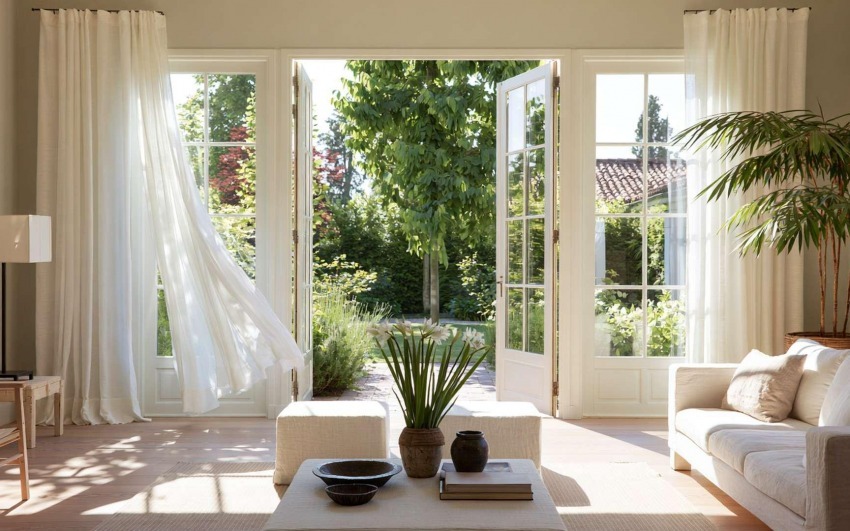
In conclusion, one of the cornerstones of Feng Shui is to circulate the air, which is why it is advisable to avoid placing too much furniture on the walls of our home environments, thus trying to maintain a space of a few centimeters between them. Especially the headboard of the bed, it should never be against the wall.
_14077b47db_23.jpg)
Interior Designer since 1985
CEO & Founder, Italian Design in the World