6/21/2024
Moroccan Style: Moroccan design is characterized by the use of vibrant colors, luxurious fabrics, and intricate decorative details. Incorporate Persian rugs, embroidered cushions, intricately carved metal lanterns, and inlaid furniture to create an exotic and welcoming atmosphere.

Japanese Decor: Japanese style emphasizes simplicity, elegance, and a connection to nature. Opt for minimalist furniture, tatami mats, shoji screens, and bonsai plants to create a serene and harmonious environment inspired by Zen philosophy.

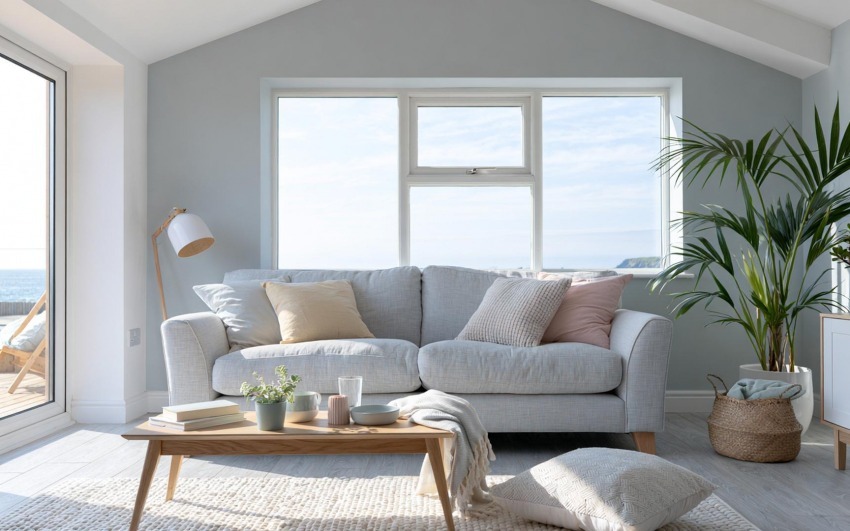
Scandinavian Design: Nordic style highlights functionality, brightness, and the use of natural materials. Use light wood, natural fabrics, and clean lines to create a cozy and modern space with a touch of minimalism.

Indian Decor: Indian decor is rich in vibrant colors, embroidered fabrics, and decorative opulence. Integrate Persian rugs, low floor sofas, intricately decorated cushions, and brass pendant lamps to create a luxurious and enveloping ambiance.

African Inspired: African design draws inspiration from the continent's nature and culture, using natural materials and tribal motifs. Incorporate straw textiles, wooden sculptures, African masks, and animal print patterns to create an adventurous and vibrant atmosphere.

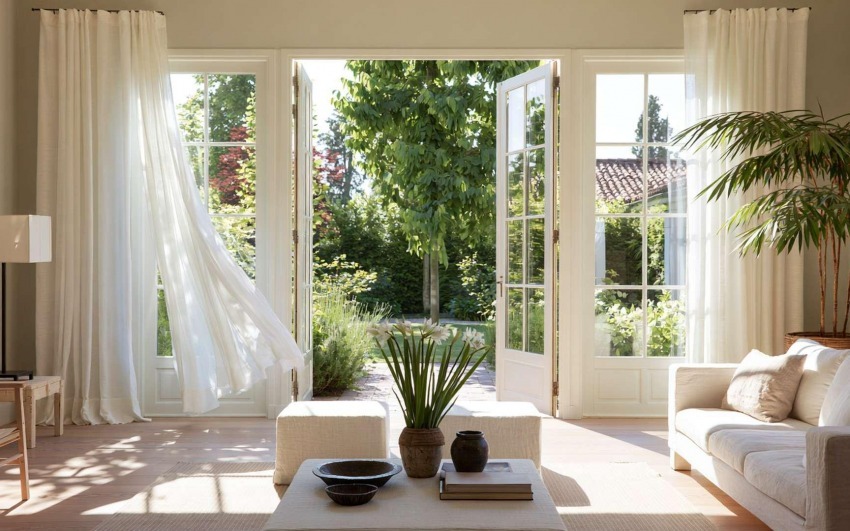
Mediterranean Style: Mediterranean style celebrates the warmth, light, and color of the Mediterranean region. Use shades of blue and white, artisanal ceramics, Mediterranean plants, and lightweight fabrics to create a relaxed and inviting atmosphere inspired by the Mediterranean coast.

Integrating ethnic and international elements into your interiors adds depth, interest, and a sense of adventure to your home. Experiment with these interior design styles to create a unique environment that reflects your curiosity about the world and your passion for cultural diversity.
Interior Designer since 1985
CEO & Founder, Italian Design in the World
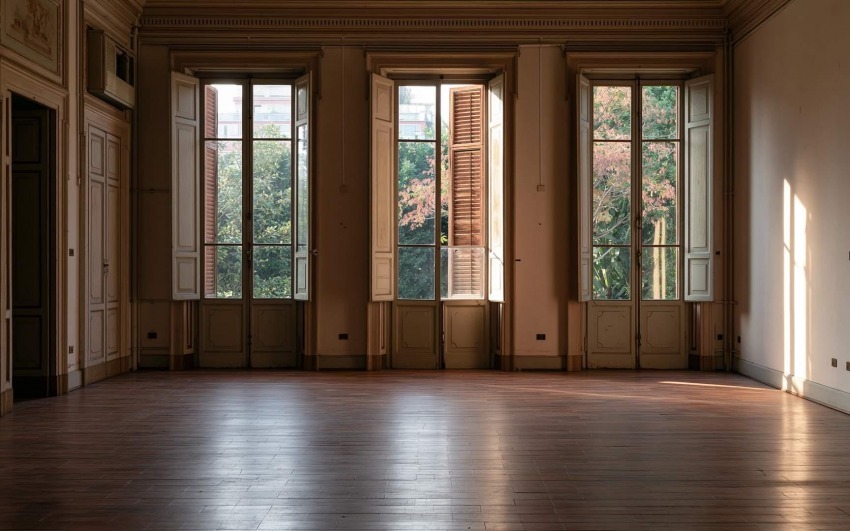
For years, interior design has lived with a contradiction: an obsession with effect. Marble-effect. Wood-effect. Metal-effect. Stone-effect. A home that looks like something, rather than truly being something.
For years, we designed homes as if they had to pass a constant visual exam: perfect light, perfect white, the right chair, the right vase. Interiors built to be photographed more than lived in. Digital aesthetics — polished, minimal, hyper-ordered — entered interior design like an unspoken rule: if it isn’t “clean,” it isn’t beautiful; if it isn’t coherent, it isn’t successful; if it can’t be shown, it isn’t desirable.In 2026, this narrative is losing its power. Not because beauty matters less, but because beauty alone is no longer enough. A new need is emerging: anti-algorithm interiors, spaces not designed for the shot, but for everyday life. Less performative homes, more real ones. Environments that don’t seek approval — they restore energy.This is not a return to chaos. It’s a return to meaning.
For years, open-plan living symbolized contemporary domestic design: fluid, bright, without barriers. A response to the desire for freedom, openness, and visual continuity.Today, that promise is being reconsidered. In 2026, many projects mark a shift — not a rejection of open space, but its critical evolution. The return of thresholds.
One of the most underestimated challenges in contemporary design is time. Not the time required to design a space, but the time the space must endure: years of daily life, change, wear, and transformation.
In recent years, the home has stopped being a simple functional container. It has become an extension of how we think, how we experience time, and how we relate to the world. Living today is a cultural act — a conscious choice that reflects values, priorities, and pace of life. It’s no longer just about aesthetics. It’s about position.
Homes have become more than places — they have become temporal landscapes. Design is shifting from objects to gestures, from furniture to the choreography of daily life.