12/06/2024
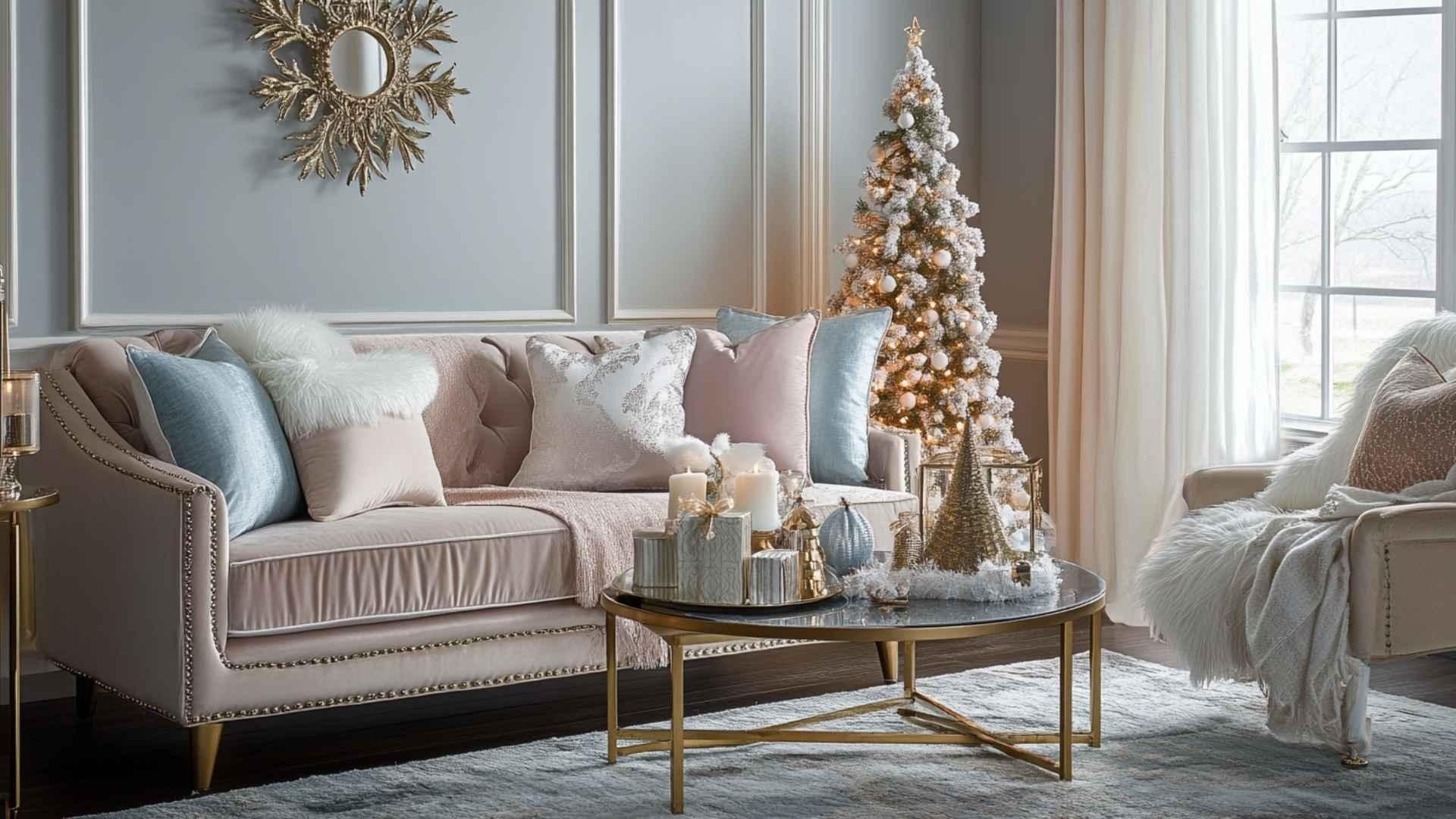
Choose a color scheme that moves away from the classic red and green. Opt for elegant tones like gold, silver, snow white, and champagne. Add a hint of color with soft pastels, such as blush pink or powder blue, for a modern and refined effect.
Natural elements like fir branches, pinecones, red berries, and wood can take center stage in your decorations. Combine them with minimalist details, like monochromatic baubles or geometric ornaments, for an elegant yet cozy look.
_43f3611921_.jpg)
Use warm, soft lights to create an intimate atmosphere. String lights aren’t just for the Christmas tree—place them around mirrors, windows, or shelves to add a magical touch to every corner.
_620a102603_.jpg)
A well-set table is the heart of Christmas celebrations. Choose tablecloths and napkins in natural fabrics, such as linen or cotton, and pair them with minimalist centerpieces made of candles and small green accents. Don’t forget personalized place cards to make every guest feel special.
_037080ea39_.jpg)
Complete the sensory experience with scented candles or diffusers that evoke the fragrances of the holidays: cinnamon, orange, and pine. These details help create a warm and inviting ambiance.
_ba8e8b78c3_.jpg)
Interior Designer since 1985
CEO & Founder, Italian Design in the World
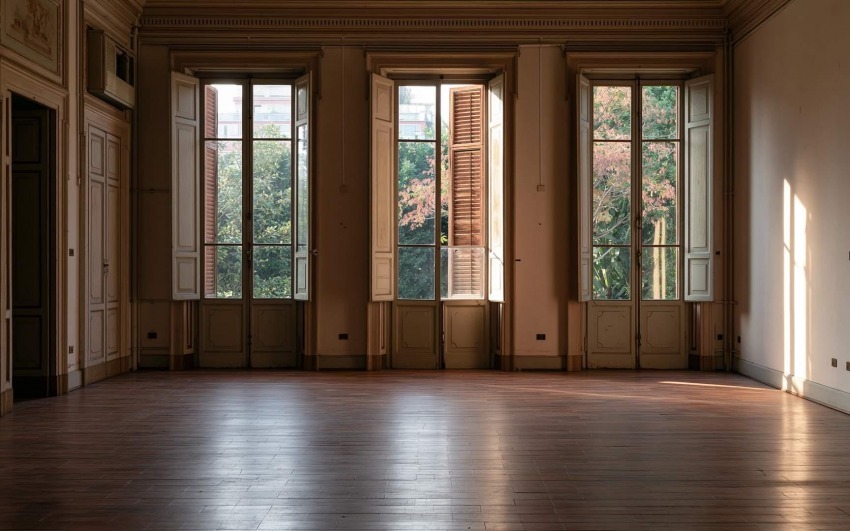
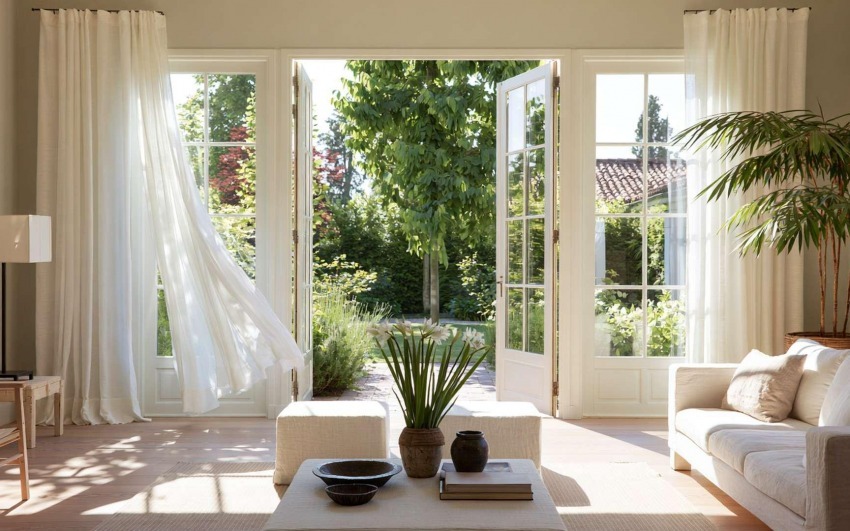
For years, we designed homes as if they had to pass a constant visual exam: perfect light, perfect white, the right chair, the right vase. Interiors built to be photographed more than lived in. Digital aesthetics — polished, minimal, hyper-ordered — entered interior design like an unspoken rule: if it isn’t “clean,” it isn’t beautiful; if it isn’t coherent, it isn’t successful; if it can’t be shown, it isn’t desirable.In 2026, this narrative is losing its power. Not because beauty matters less, but because beauty alone is no longer enough. A new need is emerging: anti-algorithm interiors, spaces not designed for the shot, but for everyday life. Less performative homes, more real ones. Environments that don’t seek approval — they restore energy.This is not a return to chaos. It’s a return to meaning.
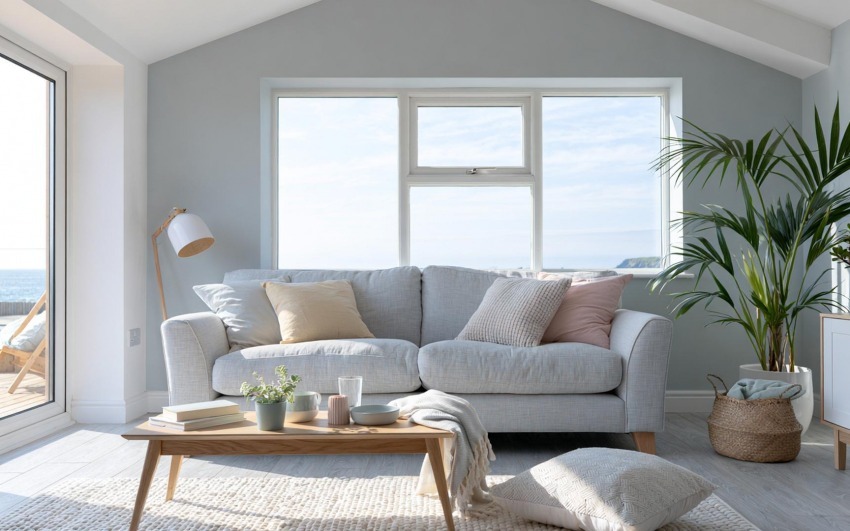
For years, open-plan living symbolized contemporary domestic design: fluid, bright, without barriers. A response to the desire for freedom, openness, and visual continuity.Today, that promise is being reconsidered. In 2026, many projects mark a shift — not a rejection of open space, but its critical evolution. The return of thresholds.
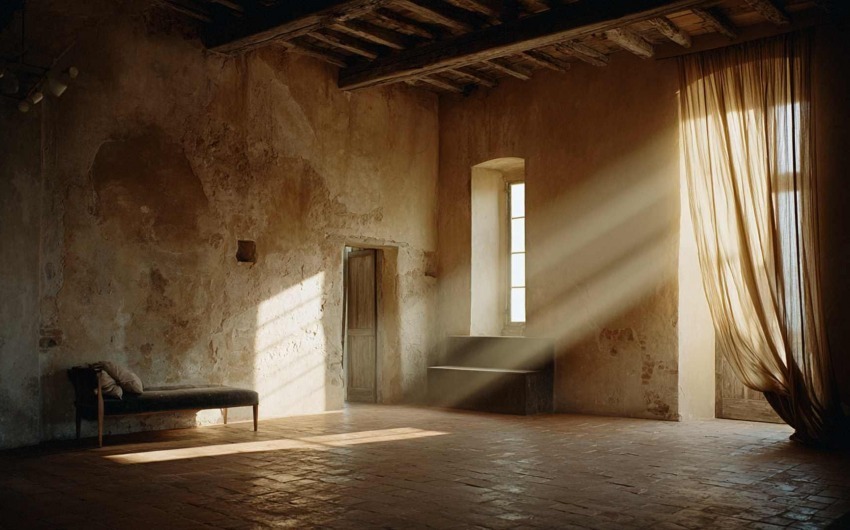
One of the most underestimated challenges in contemporary design is time. Not the time required to design a space, but the time the space must endure: years of daily life, change, wear, and transformation.
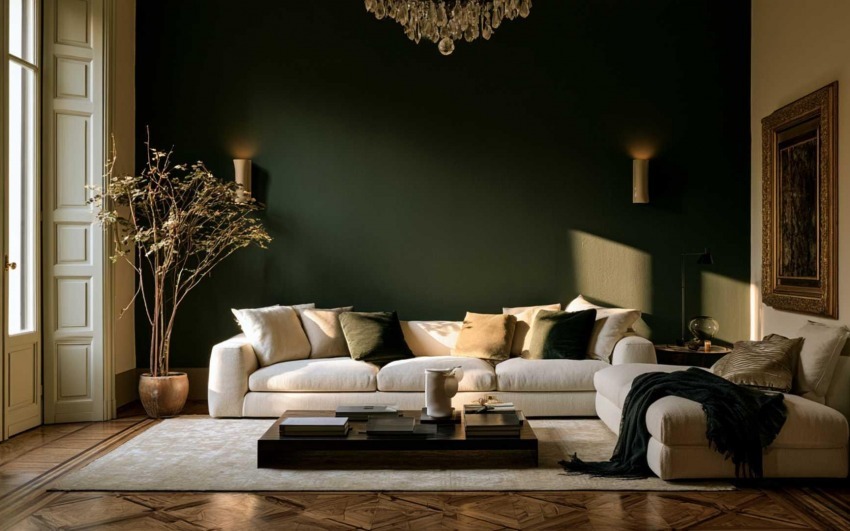
In recent years, the home has stopped being a simple functional container. It has become an extension of how we think, how we experience time, and how we relate to the world. Living today is a cultural act — a conscious choice that reflects values, priorities, and pace of life. It’s no longer just about aesthetics. It’s about position.
Homes have become more than places — they have become temporal landscapes. Design is shifting from objects to gestures, from furniture to the choreography of daily life.
Material innovation is reshaping interiors more deeply than any aesthetic trend. The new frontier is not in bold colors or complex textures — it lies in technical surfaces that are thin yet strong, discreet yet expressive, silent yet high-performing.