2/07/2025
Romantic Color Palette
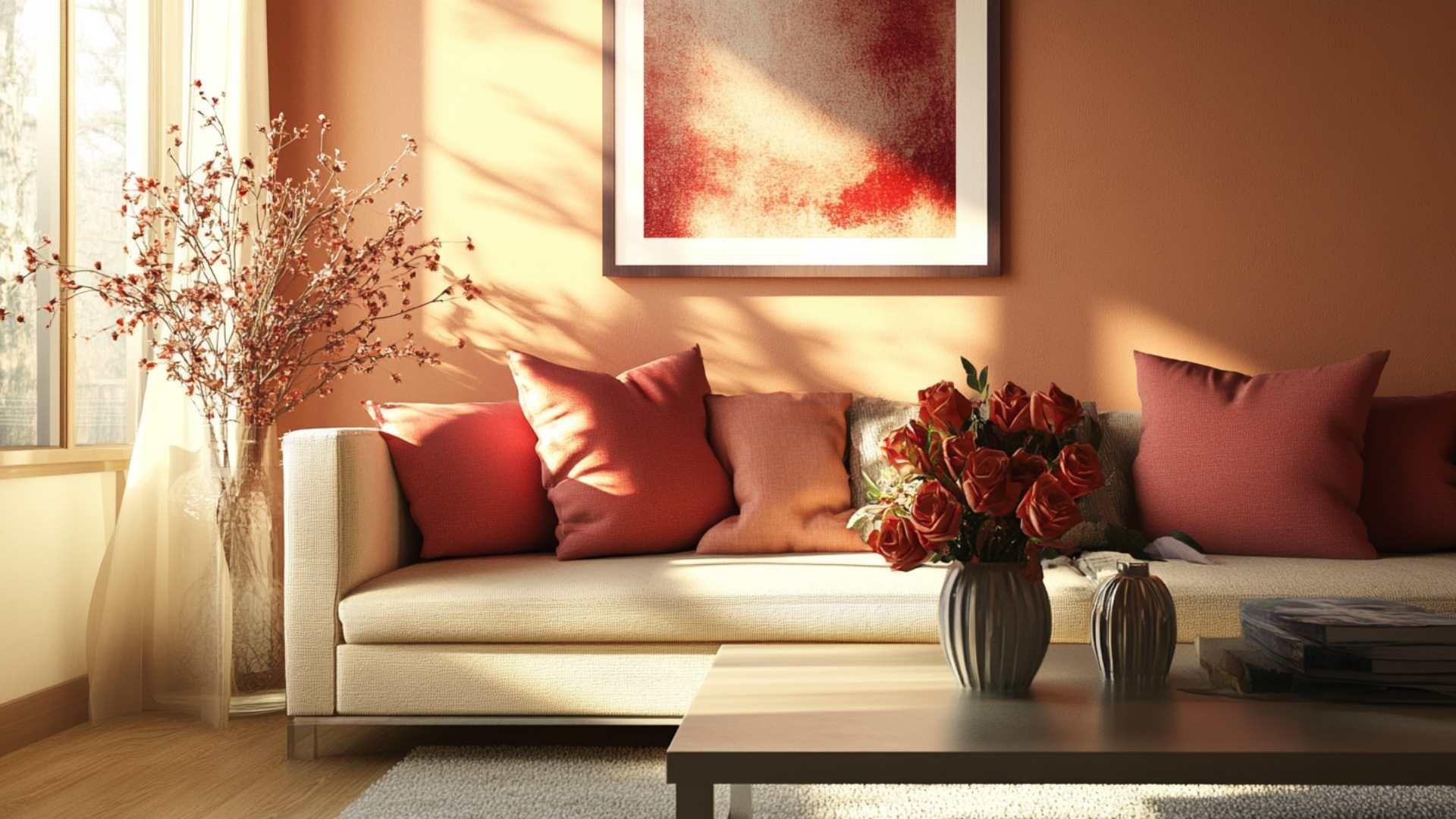
Passionate Red: The ultimate symbol of love, perfect for cushions, candles, and decorations.
Soft Pink: Ideal for a sweet, relaxing vibe, great for tablecloths or curtains.
Neutral Shades: Beige and white to balance bold colors and create an elegant look.
Metallic Accents: Gold and copper to add a touch of luxury.
Practical Tip: Experiment with color combinations through small details, such as vases or table runners, to maintain balance.
AI Generated Content
Soft and Intimate Lighting
Scented Candles: Add soft lighting and delicate aromas like vanilla or rose.
Dimmable Lamps: Adjust the light intensity to create the perfect ambiance.
String Lights: Ideal for decorating shelves or bed headboards.
Practical Tip: Scatter small candles in strategic spots to achieve a magical and diffused effect.
_fdb1f8ca96_.jpg)
AI Generated Content
Thematic Fabrics and Accessories
Decorative Cushions: Choose heart shapes or soft fabrics like velvet.
Elegant Tablecloths: Opt for linen or cotton fabrics with romantic patterns.
Throws and Blankets: Add warmth and comfort to relaxation spaces with soft materials.
Practical Tip: Create cozy corners with throws and cushions for intimate moments for two.
_a0e59acaa6_.jpg)
AI Generated Content
Candlelit Dinner: A Dream Table
Romantic Centerpiece: Use fresh flowers like roses or tulips, paired with candles and small vases.
Elegant Table Settings: Coordinate plates and glasses with golden or red details.
Small Details: Personalized place cards or chocolates as decorations.
Practical Tip: Choose a neutral tablecloth to make colorful centerpiece details stand out.
_0774a49b2e_.jpg)
AI Generated Content
Relaxation Corners: Spaces for Two
Cozy Armchairs: Arrange a pair of armchairs with a side table and lamp for shared reading moments.
Spa Bathroom: Add candles and essential oils to the bathtub for a relaxing experience.
Balcony or Terrace: Decorate with soft lights and cushions for a romantic outdoor moment.
Practical Tip: A small tray with hot drinks or glasses of wine can make any space more special.
_f9284a4966_.jpg)
AI Generated Content
With a little effort and creativity, your home can become the perfect place to celebrate love. Whether you’re planning a special dinner, a relaxing moment, or simply a cozy evening, details make all the difference. Make your Valentine's Day unique with a romantic and unforgettable atmosphere.
_14077b47db_23.jpg)
Interior Designer since 1985
CEO & Founder, Italian Design in the World