2/24/2024
Vintage Treasure Hunt
Explore antique markets and thrift stores in search of authentic vintage gems. From furniture to accessories, discover how each piece can tell a story and add a touch of nostalgia to your home.

Embracing Retro Shapes
Rediscover shapes and patterns from past decades. From retro colors to curved lines, immerse yourself in the aesthetics of the '50s, '60s, and '70s. Learn how these elements can breathe new life into modern spaces with a touch of vintage charm.


DIY Vintage Revival
Embrace DIY with a retro twist. Bring old furniture back to life with a fresh coat of paint or create vintage-inspired decorations. Explore how creative upcycling can transform forgotten objects into unique pieces of art.

The Art of Mix & Match
Experiment with the mix & match of styles and eras. Combine modern pieces with authentic vintage relics to create a unique balance. Discover how each contrast can make your home a bold expression of personality.
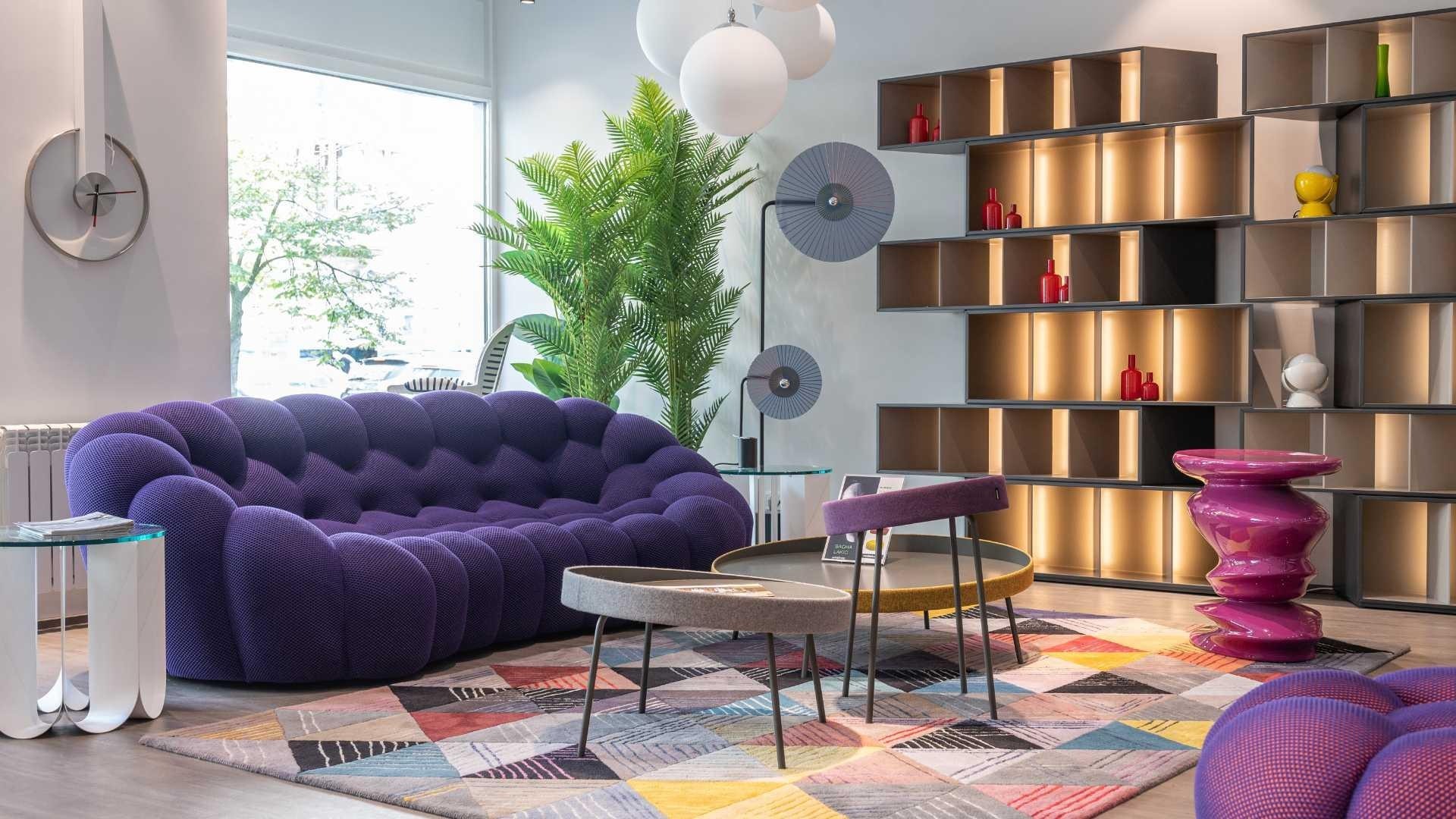

Vintage and Technology: A Harmonious Symphony
Integrate vintage aesthetics with modern technology. Explore how retro objects can harmoniously coexist with smart devices, creating an environment that blends the best of the past and present.

This month, immerse yourself in the timeless charm of vintage design. Discover how each piece can transform your home into a place rich in stories and authentic retro style. Be inspired and create an environment that speaks of the past with a modern touch!
Interior Designer since 1985
CEO & Founder, Italian Design in the World
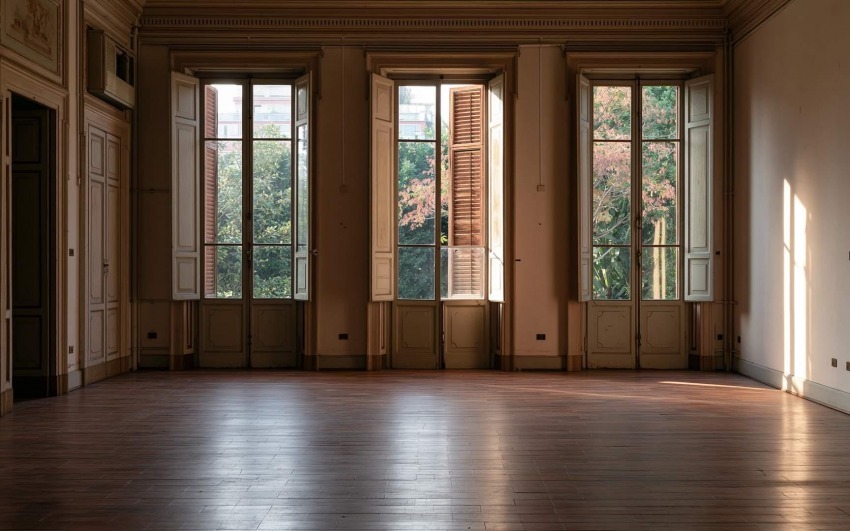
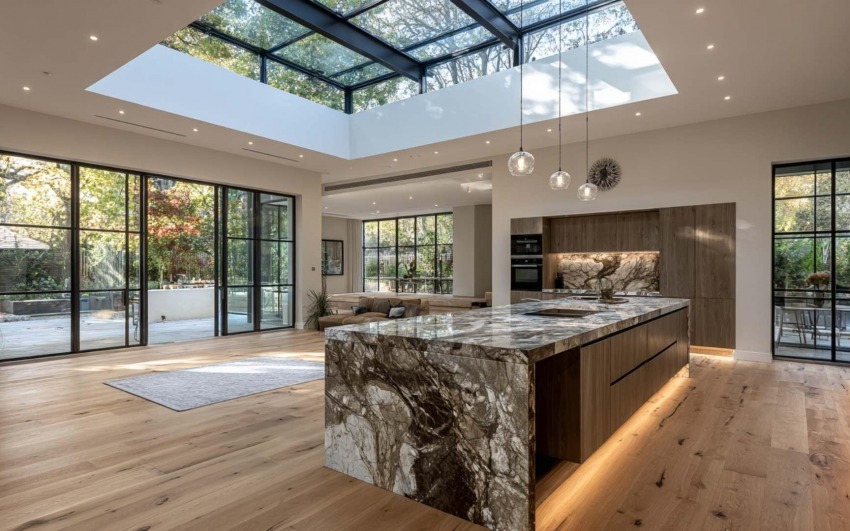
Interior design has long favoured sight: colours, shapes, surfaces. Only recently have we started to talk about touch and smell. Hearing, by contrast, remains the most neglected sense at the design stage — yet it's the one we can't switch off. We live in homes that boom, reverberate, carry voices and noise from one room to another. The result is stress, fatigue, difficulty concentrating and resting.
For decades interior design has chased the idea of a "perfect", unchanging space: same colours, same lights, same layout twelve months a year. The home as a photo set always ready, but often distant from the cycles that govern our body and our mood.Today a different idea is returning: the house as an organism that responds to the seasons. Not an aesthetic whim, but a response to the need to align the environments we live in with natural rhythms — light, temperature, colour, vegetation — with measurable benefits for sleep, concentration and wellbeing.March, with the equinox and the awakening of spring, is the ideal time to rethink interiors in a seasonal key.
For years, interior design has lived with a contradiction: an obsession with effect. Marble-effect. Wood-effect. Metal-effect. Stone-effect. A home that looks like something, rather than truly being something.
For years, we designed homes as if they had to pass a constant visual exam: perfect light, perfect white, the right chair, the right vase. Interiors built to be photographed more than lived in. Digital aesthetics — polished, minimal, hyper-ordered — entered interior design like an unspoken rule: if it isn’t “clean,” it isn’t beautiful; if it isn’t coherent, it isn’t successful; if it can’t be shown, it isn’t desirable.In 2026, this narrative is losing its power. Not because beauty matters less, but because beauty alone is no longer enough. A new need is emerging: anti-algorithm interiors, spaces not designed for the shot, but for everyday life. Less performative homes, more real ones. Environments that don’t seek approval — they restore energy.This is not a return to chaos. It’s a return to meaning.
For years, open-plan living symbolized contemporary domestic design: fluid, bright, without barriers. A response to the desire for freedom, openness, and visual continuity.Today, that promise is being reconsidered. In 2026, many projects mark a shift — not a rejection of open space, but its critical evolution. The return of thresholds.
One of the most underestimated challenges in contemporary design is time. Not the time required to design a space, but the time the space must endure: years of daily life, change, wear, and transformation.