11/24/2023
The Art of Vertical Space Utilization
In small spaces, utilizing vertical space is crucial. Wall shelves, hanging furniture, and high shelves can be used to store items and free up floor space. This tactic not only clears floor space but also creates an airy atmosphere.


Hidden Storage Solutions
Furniture with hidden storage solutions is essential. Opt for beds with integrated drawers or sofas with storage spaces inside. Additionally, consider tables with secret compartments or foldaway cabinets. These options help maintain order and hide non-essential items.


Multifunctional Furniture
Multifunctional furniture is a lifesaver in small spaces. A sofa that transforms into a bed, a folding table, or a wall-mounted desk are examples of furniture that serves multiple functions. These choices make small spaces adaptable to different needs.


Strategic Lighting
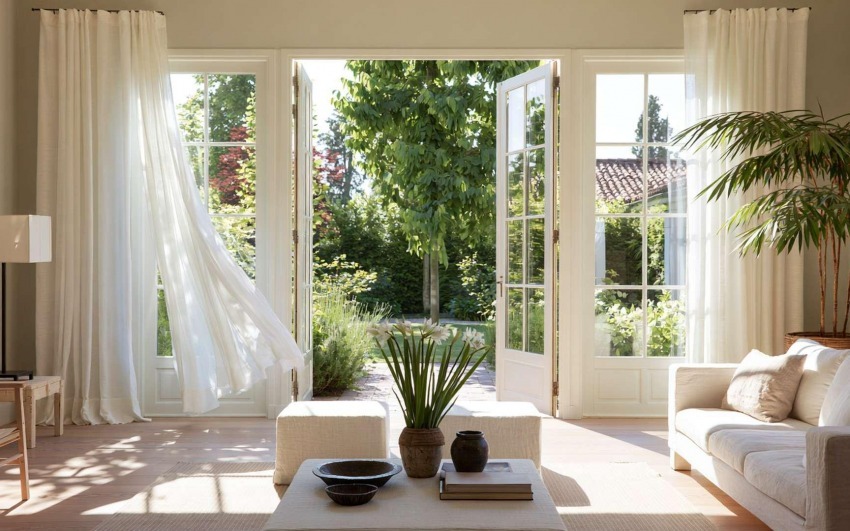
Lighting can visually open up a small space and make it more inviting. Make the most of natural light by keeping windows and curtains open. Energy-efficient LED lighting can be strategically placed to create a bright and cozy atmosphere.


Real Projects: The Magic of Small Space Design
To offer inspiration, we'll share some real design projects for small spaces. We'll showcase how architects and designers have transformed cramped apartments into functional and cozy spaces, proving that creativity can make the impossible possible. Designing for small spaces is a challenging but rewarding task. With the right approach and attention to detail, you can maximize every square inch. We hope these tips and success stories inspire you to create small but perfect environments.


Interior Designer since 1985
CEO & Founder, Italian Design in the World
Kitchen and bathroom are where the home meets water every day — preparation, cleaning, care, rest. That is why they are also where the gap between beautiful in rendering and sustainable in use shows first: droplets at joints, twisted paths, light that lies about the face, surfaces that demand obsessive cleaning.
In the city, those few square metres beyond the door are often the only truce between the flat and the noise outside. They are not a decorative extra: they are a border — different light, different wind, different rules. Yet too many balconies stay storage for crates, folding chairs and rushed tiles, as if design stopped at the glass.
The prejudice comes from years of institutional rooms where function crushed aesthetics. In residential work, things have changed: handles that are objects, walk-in showers that are elegance before aid, wide doors and near-invisible thresholds that are build quality before regulation. The gap is not budget: it is awareness that dignity lives in daily details — the ones you touch hundreds of times a year.
Open a catalogue of contemporary homes and you often find cover-worthy kitchens, theatrical bathrooms, living rooms that look like photo sets. Between one image and the next, a narrow corridor appears, lit by a sad single point — or a vestibule reduced to a knot between doors. That is not a technical detail: it is silent design about what life spends most of its time doing — passing through, pausing, shifting register, leaving one room before entering another.
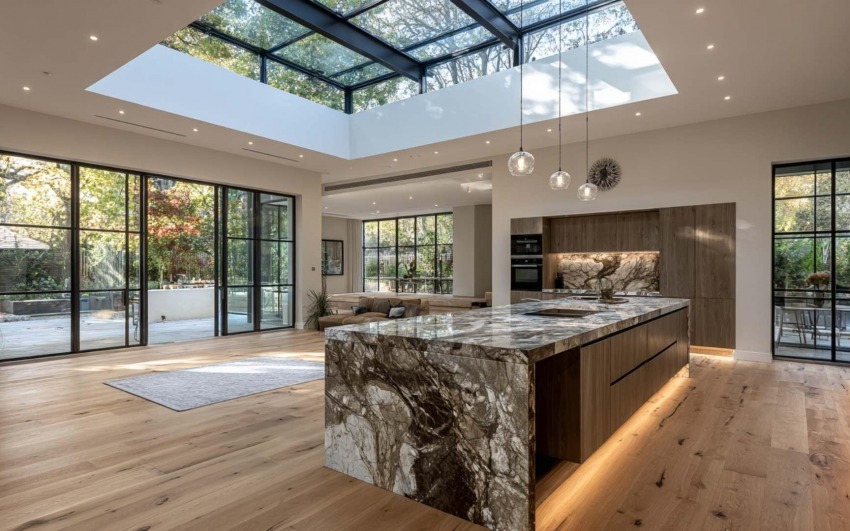
Open plan has dominated the image of the contemporary home: few walls, few boundaries, maximum flexibility. The promise was freedom — kitchen in dialogue with the living room, light flowing, no "closed" rooms. Over time many have discovered the downside: noise travelling, no refuge, difficulty concentrating or switching off. The response isn't to go back to the closed-off house of the past, but to rethink the value of dedicated spaces: environments with a clear function that the body and mind learn to recognise.
Interior design has long favoured sight: colours, shapes, surfaces. Only recently have we started to talk about touch and smell. Hearing, by contrast, remains the most neglected sense at the design stage — yet it's the one we can't switch off. We live in homes that boom, reverberate, carry voices and noise from one room to another. The result is stress, fatigue, difficulty concentrating and resting.